Theo’s Long Night — When Every Breath Becomes a Prayer.2236

The monitors had been beeping all morning.
A steady rhythm, sometimes sharp, sometimes silent — each sound slicing through the quiet of the room like a reminder of how fragile life could be.
Theo’s mother sat by his crib, her hands trembling slightly as she watched the oxygen numbers flicker on the screen.
Then, without warning, the numbers dropped — 80, 60, 40, 20.
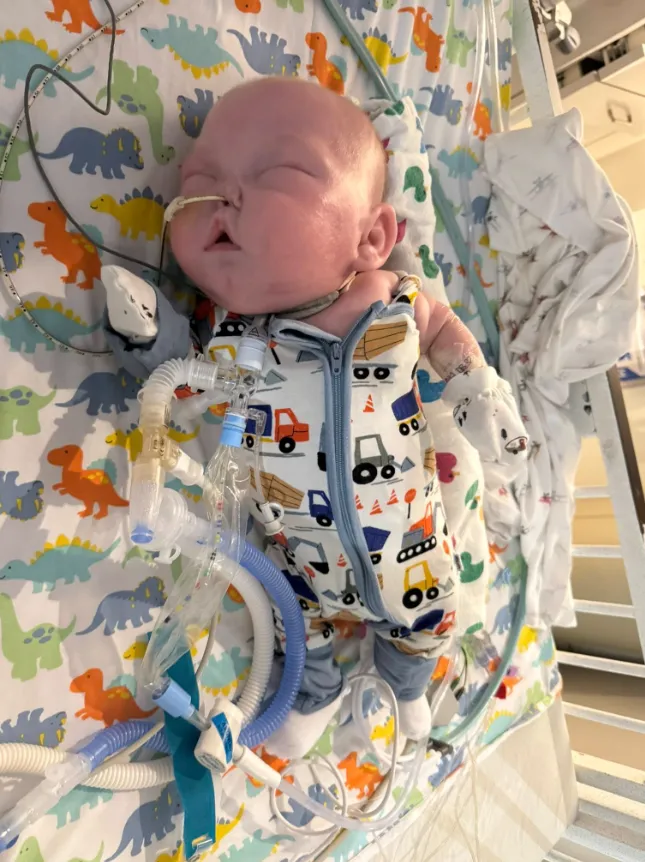
Her heart stopped with them.
Theo’s skin turned pale, then blue, and for a terrifying moment, he stopped moving.
No cry. No breath.
Just stillness.
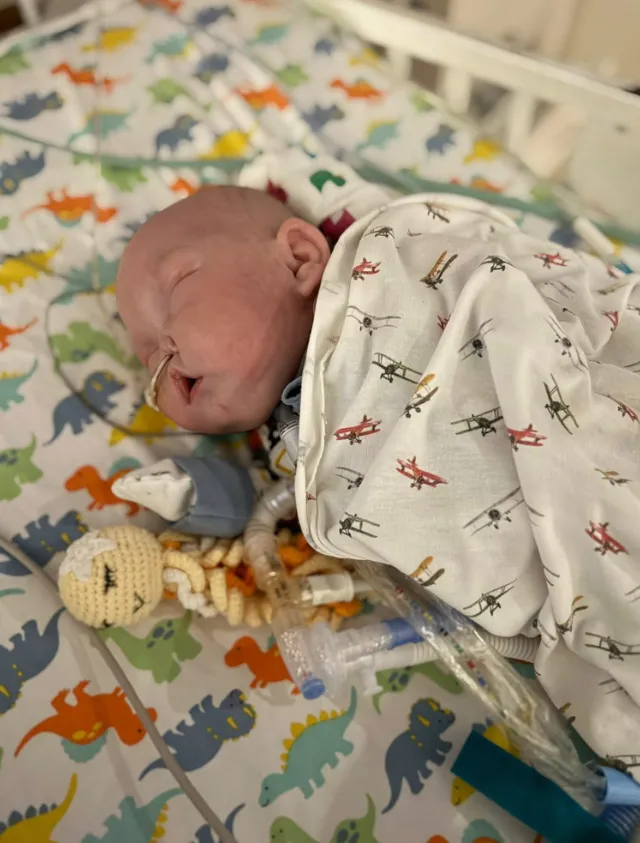
Nurses rushed in.
Machines clicked and hissed.
The familiar procedures — the ones that always worked when he was intubated — suddenly didn’t.
Every second felt like a lifetime.
And then, slowly, his tiny chest rose again.
The color began to return.
He was back — but weaker, exhausted.
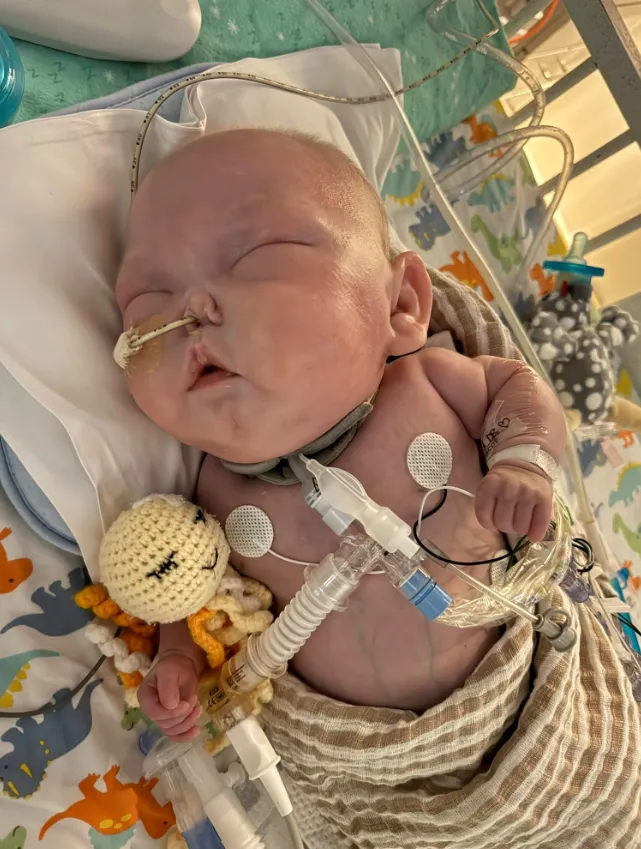
It had been happening more often lately.
These “desat episodes,” as the doctors called them — moments when his oxygen levels plummeted and his body forgot how to breathe.
But today was different.
This wasn’t his usual clamp down.
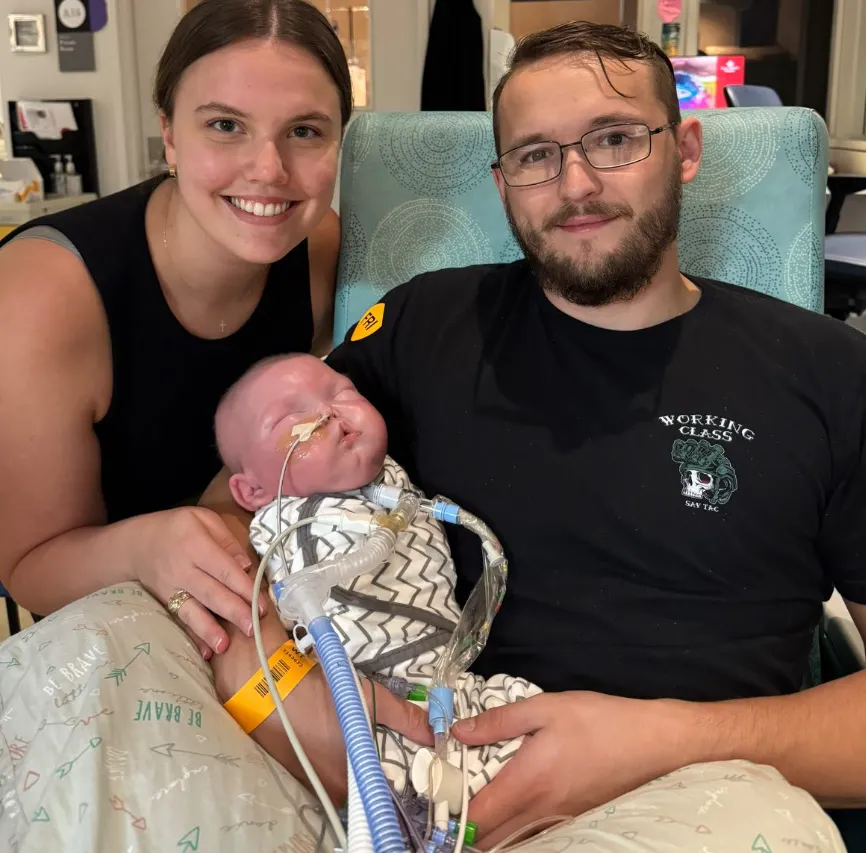
His mother knew it the moment she saw his face.
He wasn’t just struggling — he was hurting.
They suspected it might be withdrawal.
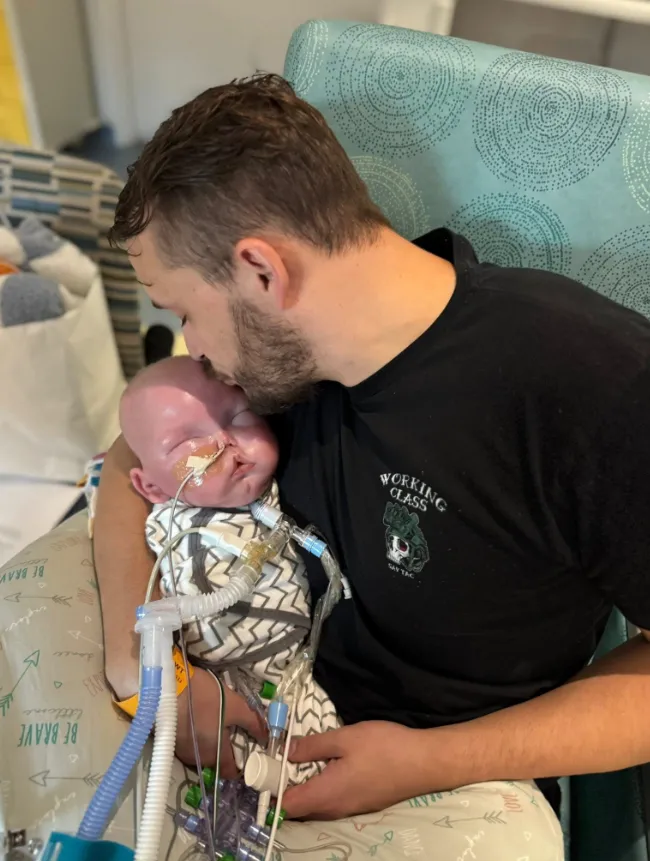
Yesterday, they had weaned him off Morphine again.
Every time they tried, his body fought back.
He’d start sweating, trembling, restless — his tiny body fighting the absence of something that had become its constant companion.
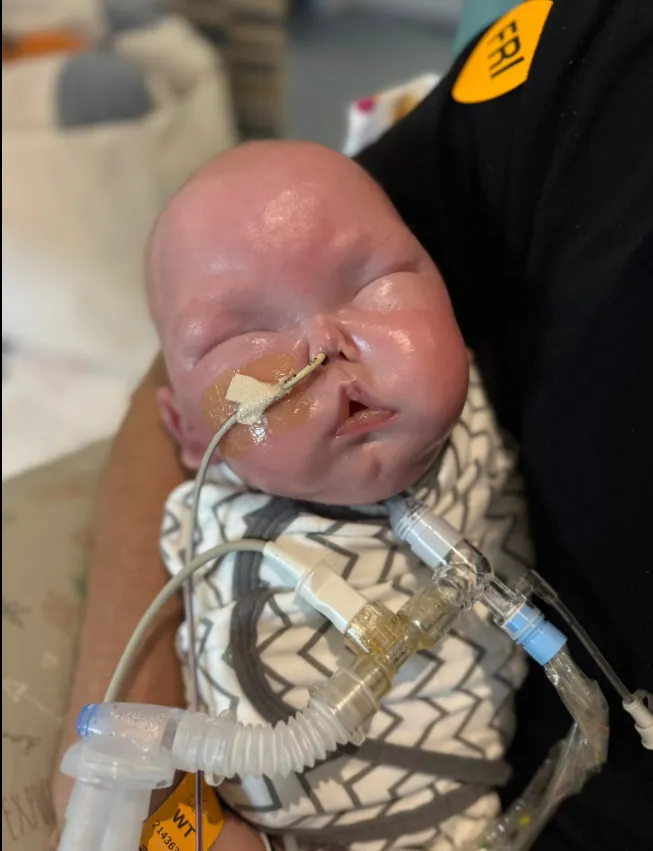
Morphine had been keeping him comfortable for months.
It had dulled the pain, steadied his breathing, given him peace.
But it had also built a quiet dependence — one that made every reduction feel like another mountain to climb.
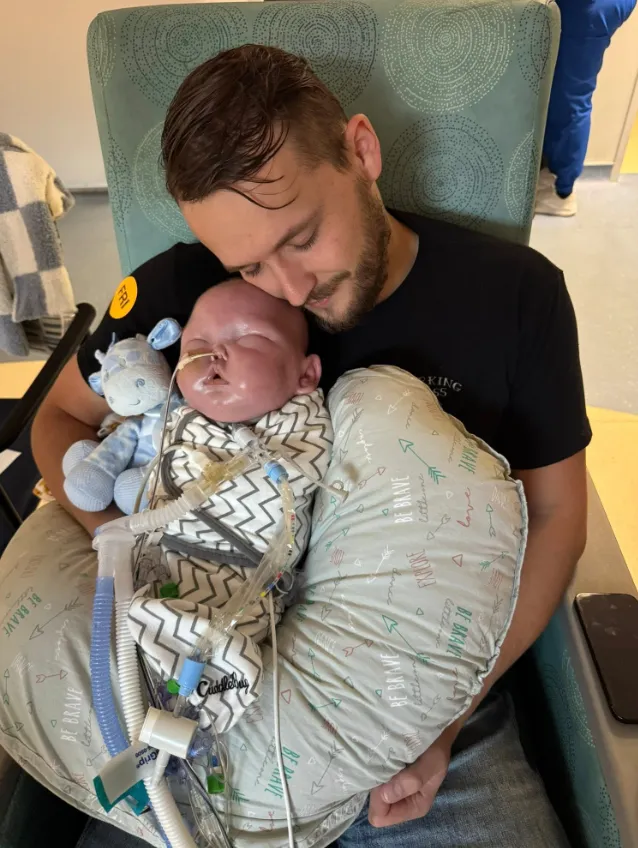
His mother wiped the sweat from his forehead, whispering softly, “It’s okay, baby. Mommy’s here.”
Her voice shook, but her touch stayed steady.
She knew he could feel her even when he couldn’t respond.
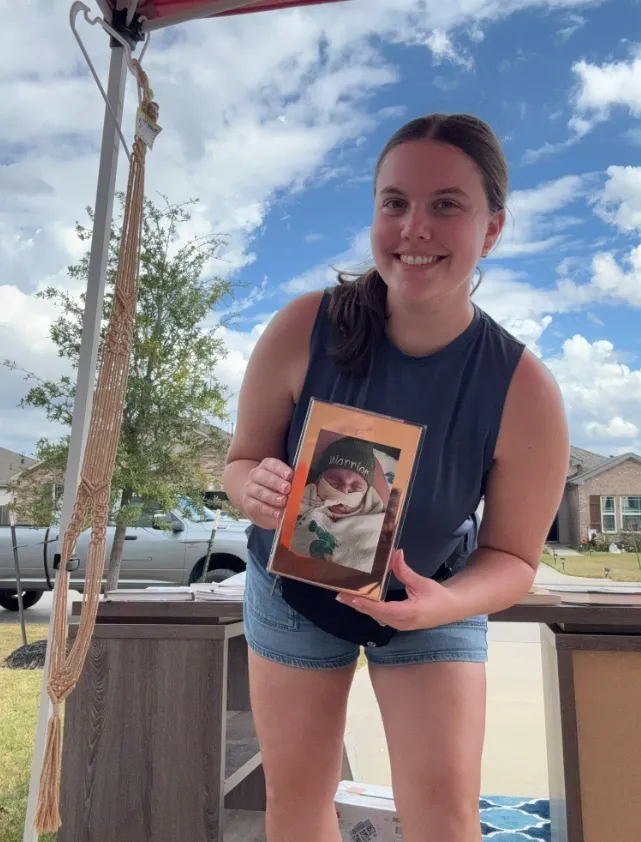
The doctors had adjusted everything that day — his feeds, his meds — all recalculated for his growing weight: nine pounds, five ounces.
A milestone, they said.
But numbers meant little when every breath was a battle.
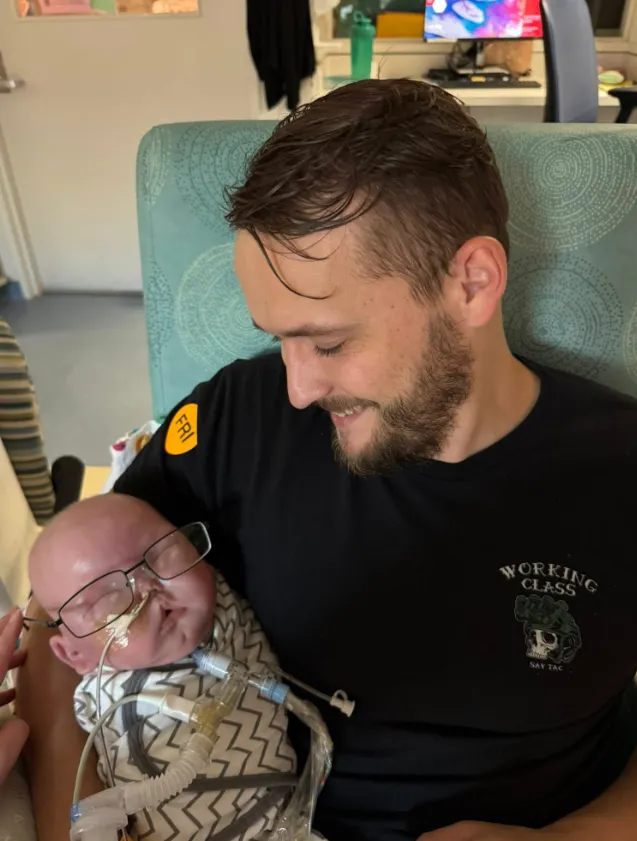
They had also lowered his PEEP — the pressure that kept his lungs open — from 14 to 13.
It seemed small, almost insignificant.
But in a body as delicate as Theo’s, a single number could change everything.
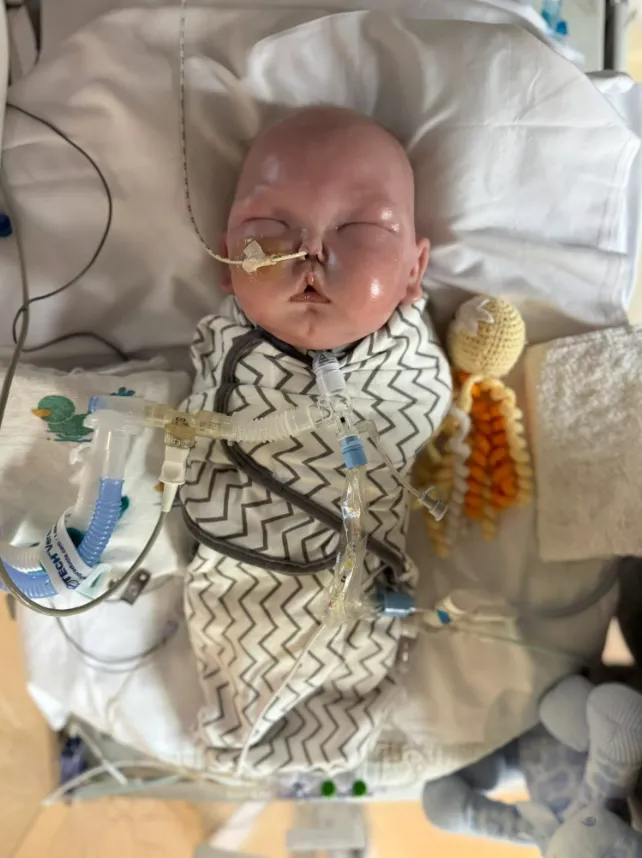
The x-ray had shown his lungs were overexpanded, his heart looked small — pressed, almost hidden.
So they made the adjustment.
Now, he was retracting — pulling with every breath, his ribs showing, his chest sinking in like a wave collapsing on itself.
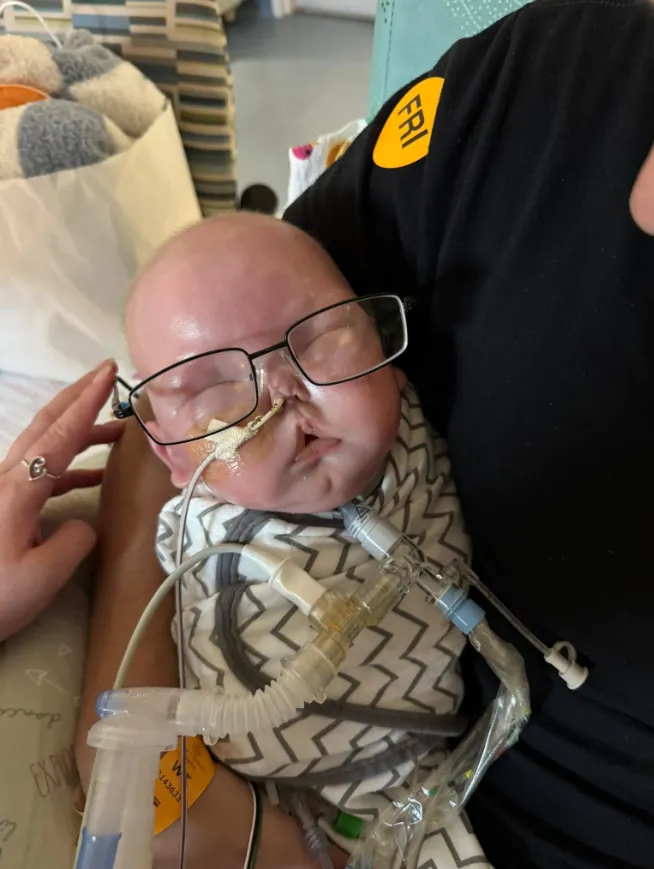
His mother understood too much for someone who never wanted to learn these words — PEEP, CO2, TCOM.
She’d become fluent in medical language born of necessity, not choice.
The TCOM monitor showed numbers in the 80s.
They should have been much lower.
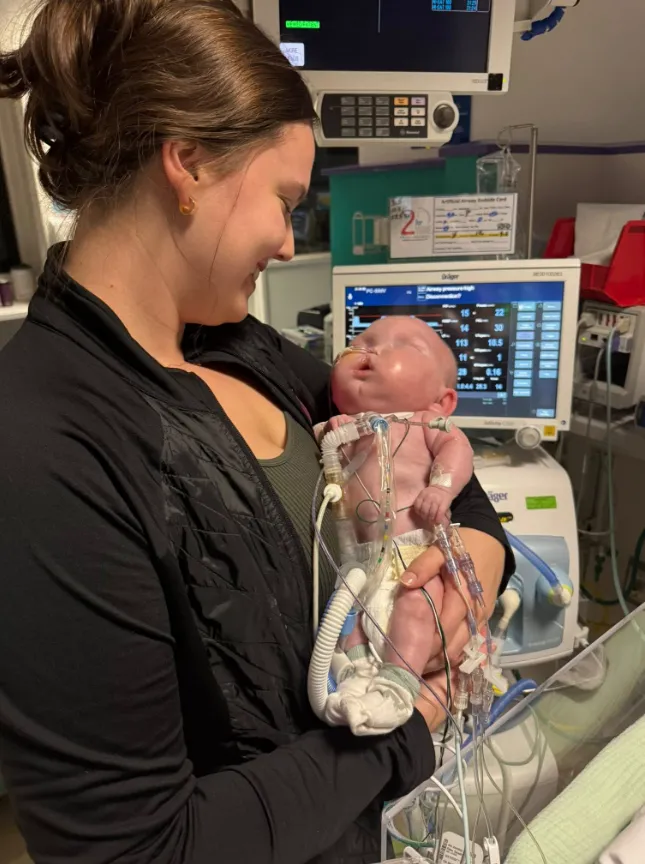
She watched it rise and fall, praying for it to settle.
Each spike felt like a blow.
“I try to keep him calm,” she wrote later.
“I talk softly, hold his hand. But he just gets worked up again.”
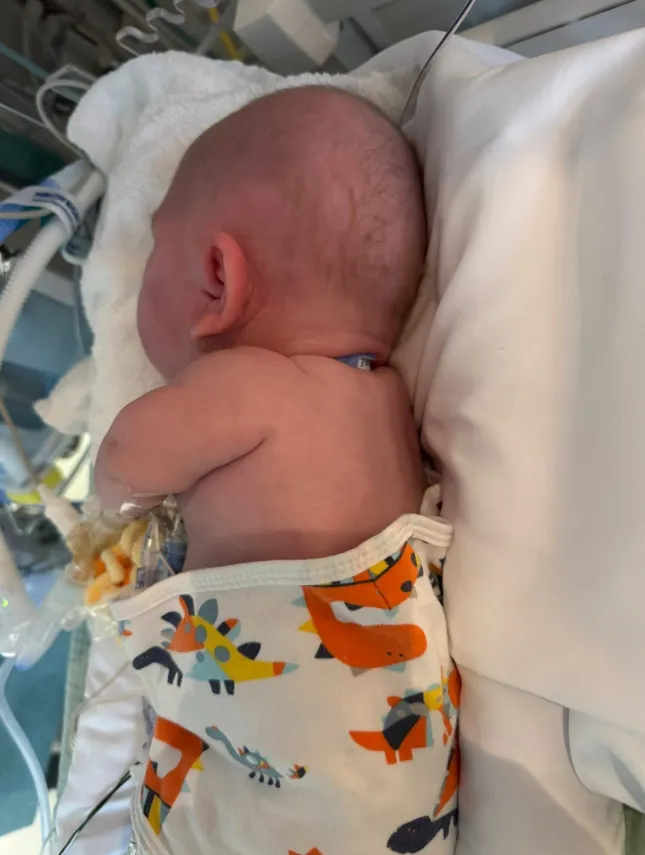
She knew that stress made his oxygen drop faster.
So she would hum, pray, whisper his name — anything to bring peace to that little body.
Sometimes it worked.
Sometimes it didn’t.
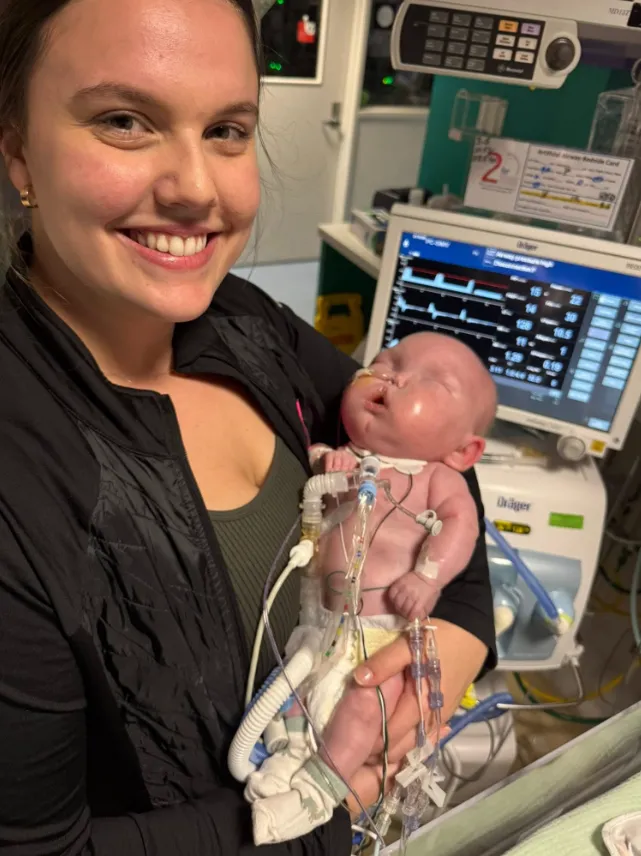
But there were small mercies too.
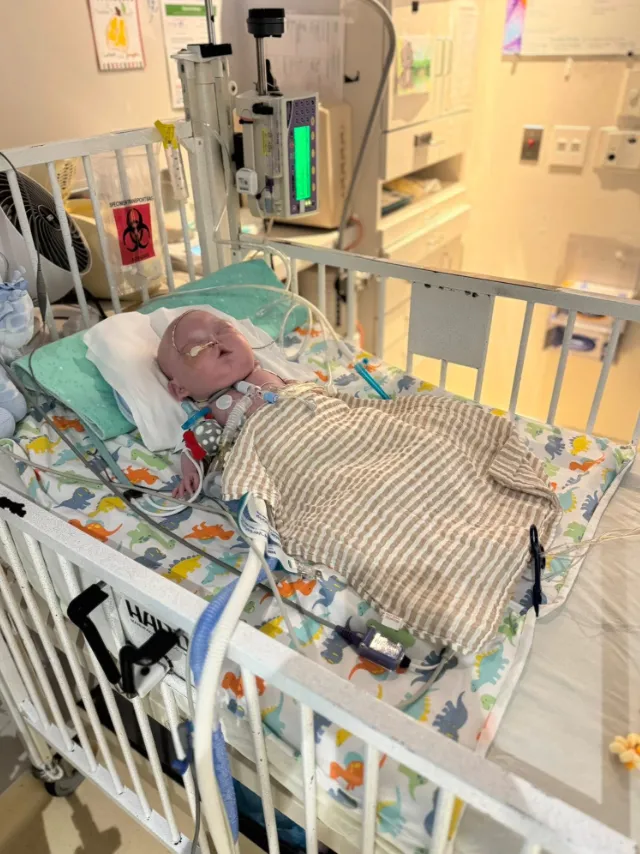
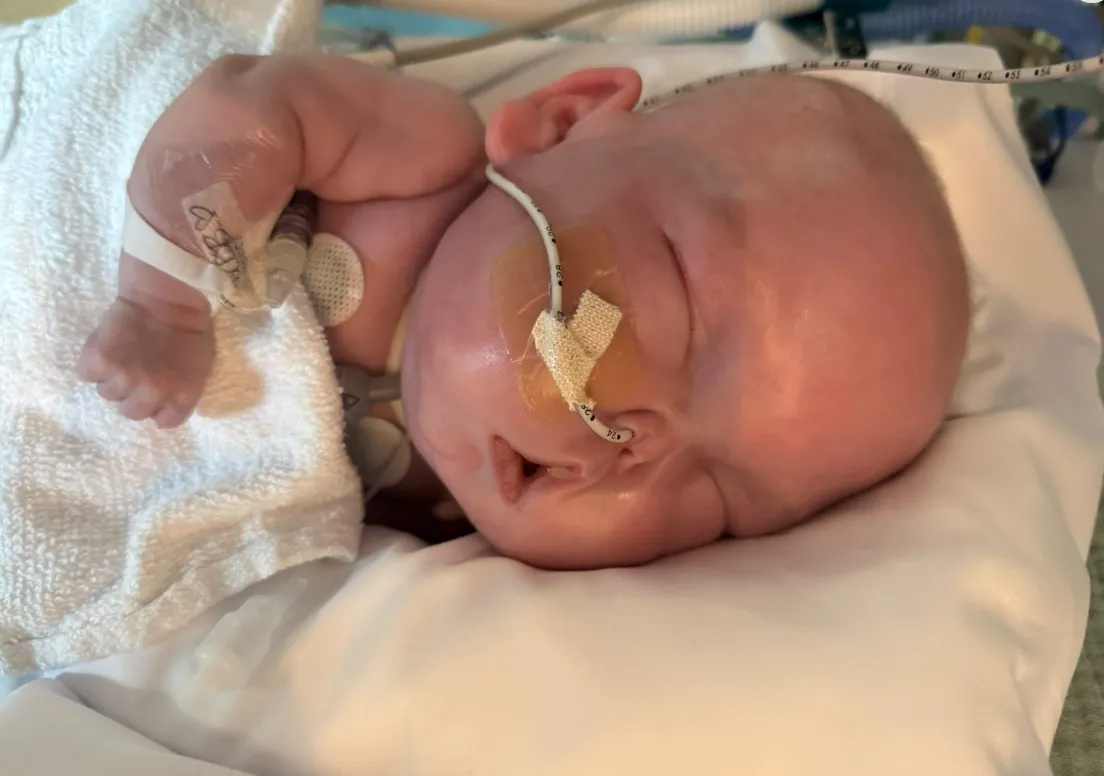
When she walked into the hospital last night, Theo was in a big boy crib.
No more isolette.
No more tiny box that kept him separate from the world.
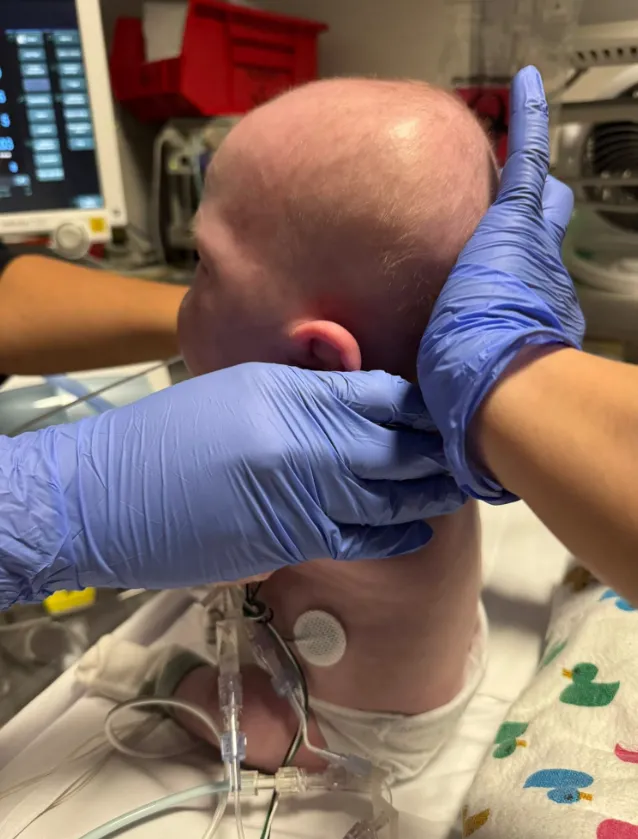
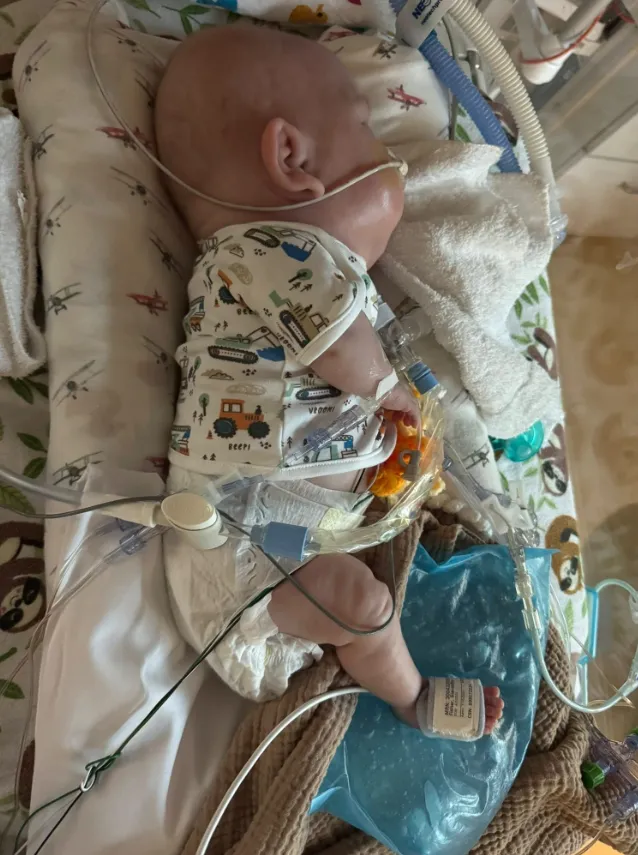
And for the first time, she got to dress him — real baby clothes, not just a diaper and wires.
His midline IV had been removed from his arm, and she could finally slip his little onesie over his head.
It was a moment she’d dreamed of — one that other mothers took for granted but meant everything to her.
She smiled through tears, brushing her fingers over his soft hair.
“He looks like a normal baby,” she whispered, as if saying it aloud would make it true.
Later, as night crept in and the machines cast their faint glow on his face, she took his hand again and whispered the words she’d repeated a thousand times since this journey began:
“We can do hard things, baby. Because we get our strength from Jesus.”
It wasn’t just a reminder for him — it was for her too.
Whenever fear crept in, whenever anxiety whispered that she wasn’t strong enough, she reached back to that truth.
The Lord is my refuge.
Even here, in the NICU, surrounded by tubes and tears and uncertainty.
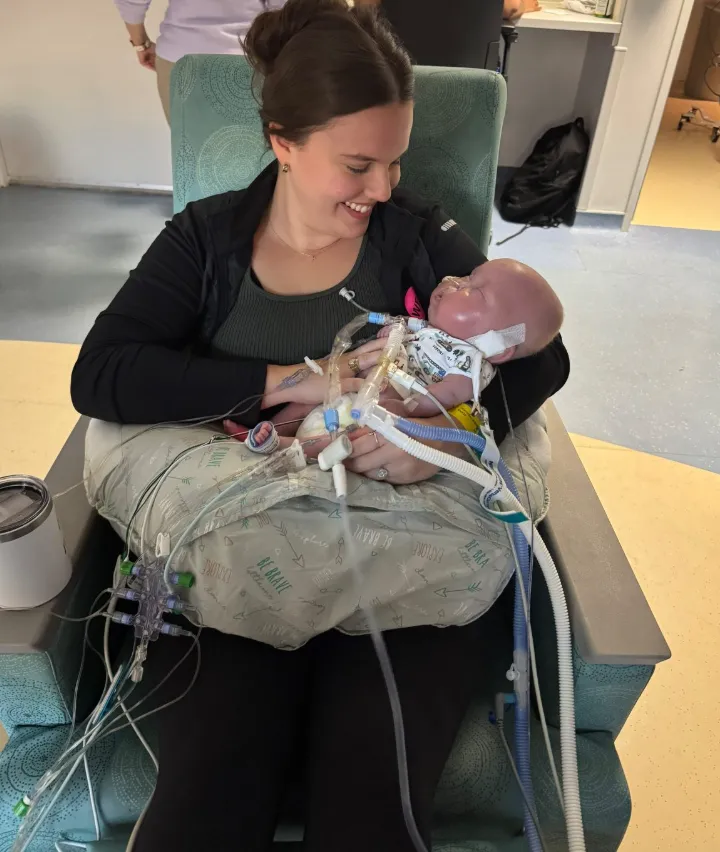
Faith didn’t erase the fear.
It just gave her a place to rest it.
Theo’s story had been full of ups and downs — tiny triumphs and heartbreaking setbacks.
Each day brought new challenges: weaning meds, adjusting pressures, tracking CO2, balancing feeds.
But through it all, love stayed constant.
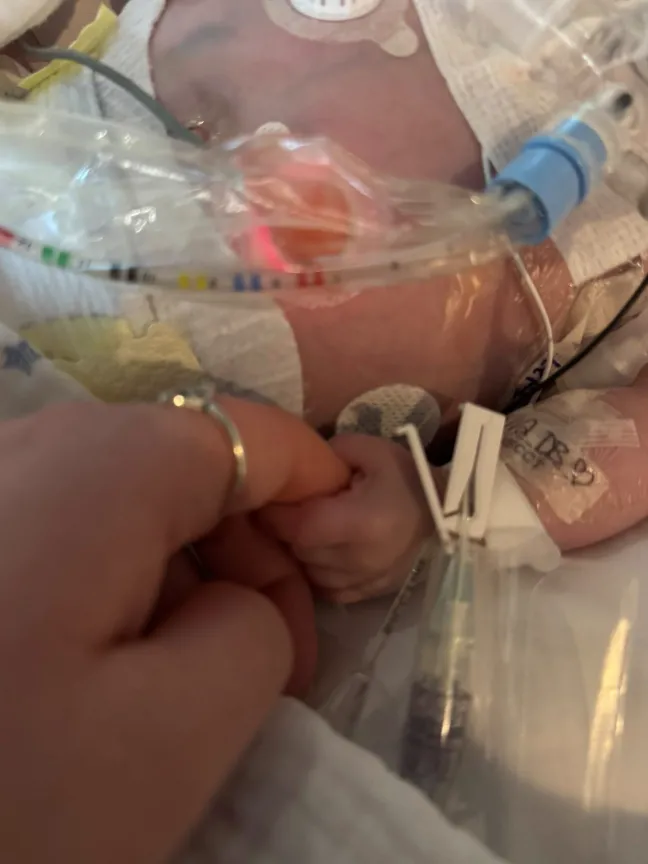
Nurses called him “the little fighter.”
Doctors marveled at how his numbers recovered after every scare.
But for his mother, Theo wasn’t just fighting for survival — he was teaching her what it truly meant to trust.
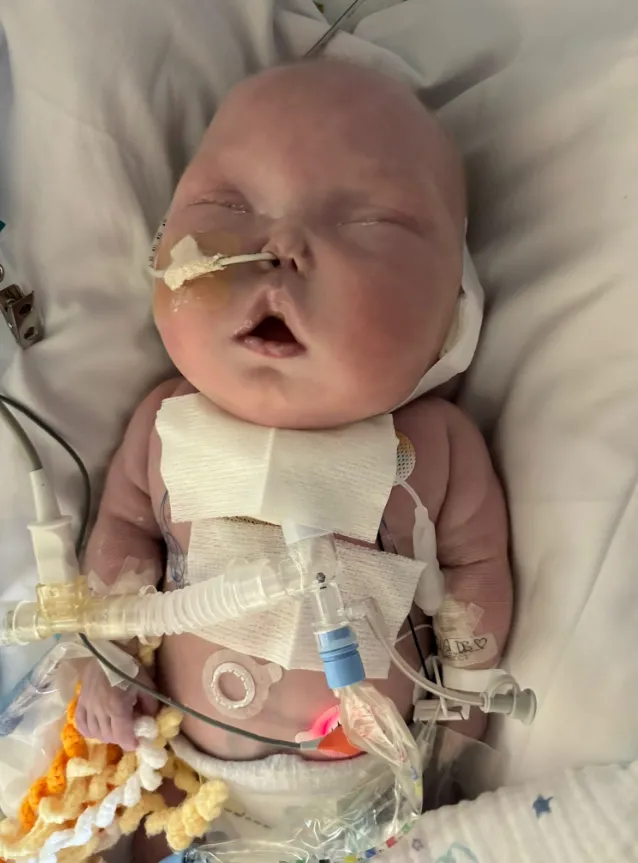
Trust in the moments when the monitors screamed.
Trust when the numbers dipped too low.
Trust when hope felt fragile.
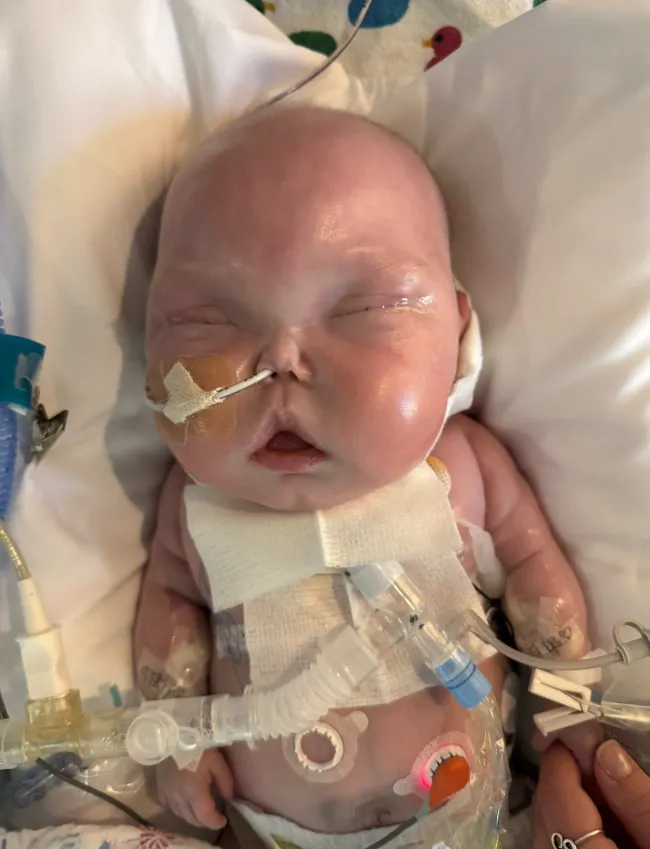
Every sigh, every blink, every small movement was a victory.
Every night she got to sit beside him was a gift.
In the quiet hours, when the world outside the NICU felt impossibly far away, she would close her eyes and picture him breathing freely — no machines, no tubes, just sunlight and laughter.
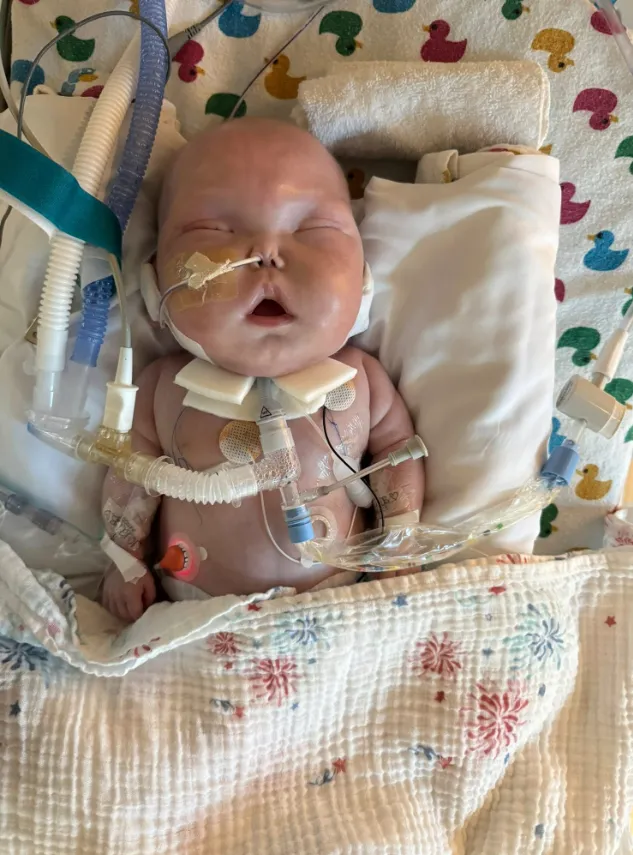
She believed that day would come.
Maybe not soon, maybe not easily, but someday.
Until then, she would be here — praying, watching, whispering, holding on.
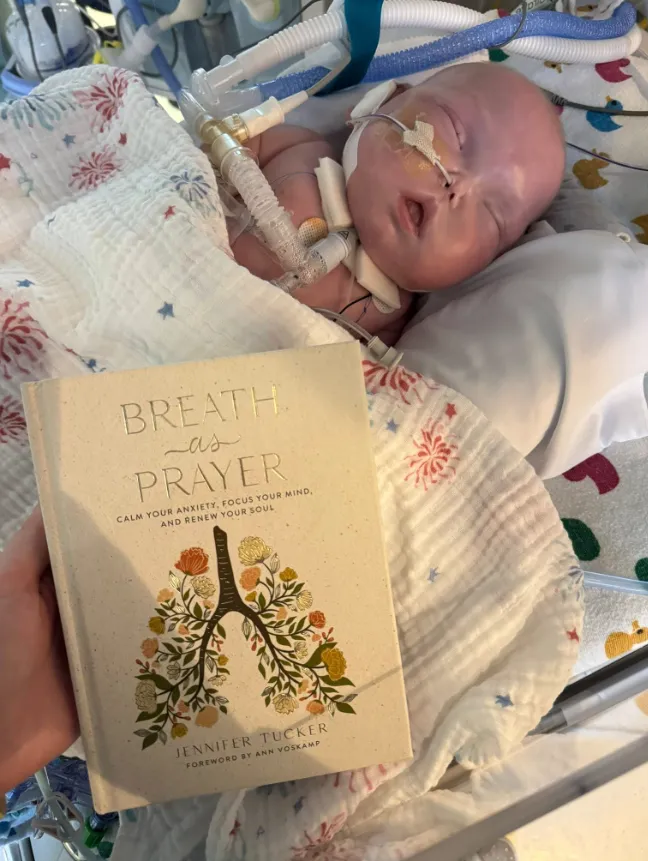
“Please pray for my baby,” she wrote at the end of the day.
“Ask for comfort. Ask for strength.”
Because even on the hardest days, even when the numbers fell and fear closed in, there was still faith.
And where faith lived, hope never truly left.
She Should Be Eleven Today — But Her Light Still Shines Forever Seven.2780
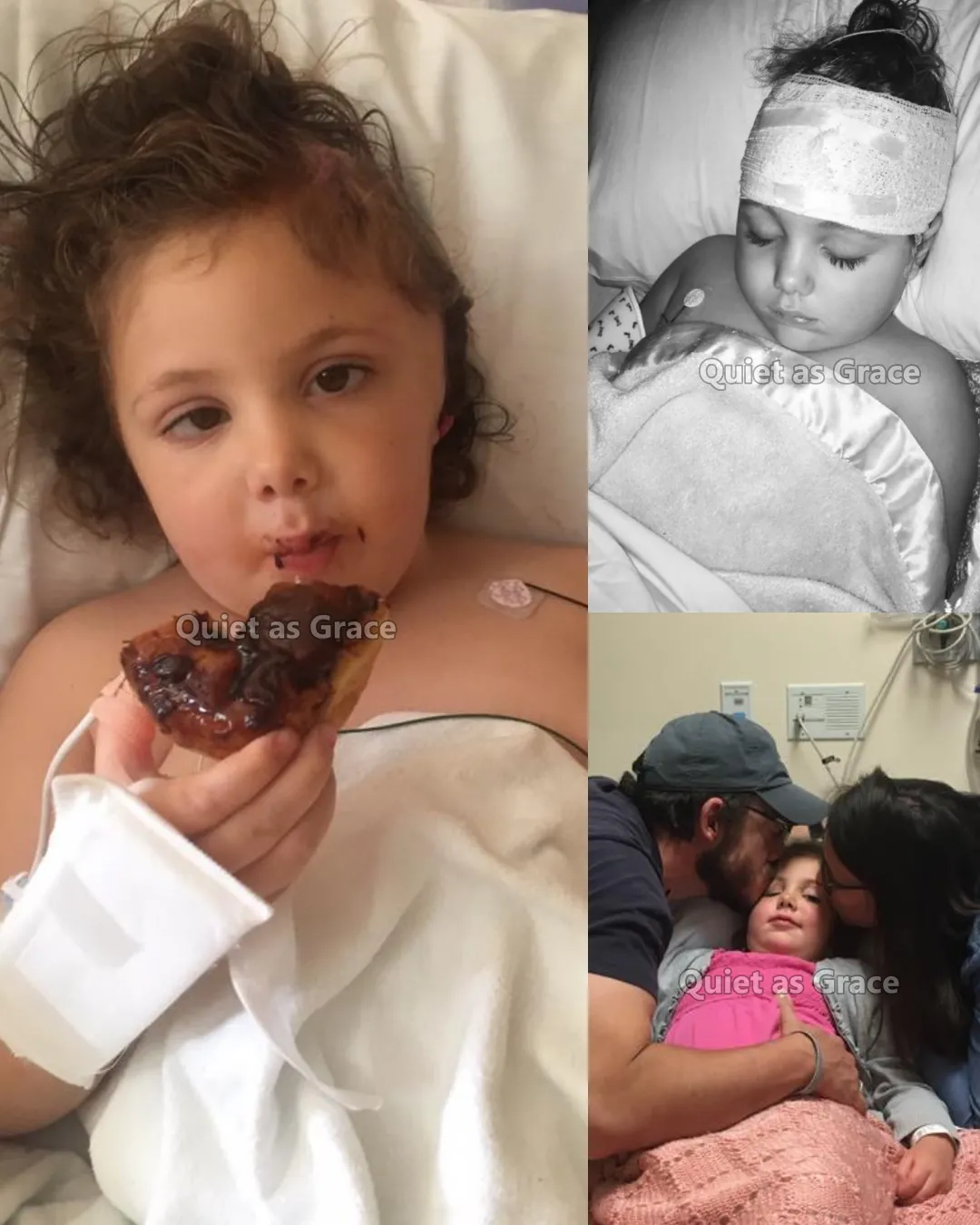
Today should have been her 11th birthday.
There should have been cake, laughter, candles, and the sound of little feet running across the living room.
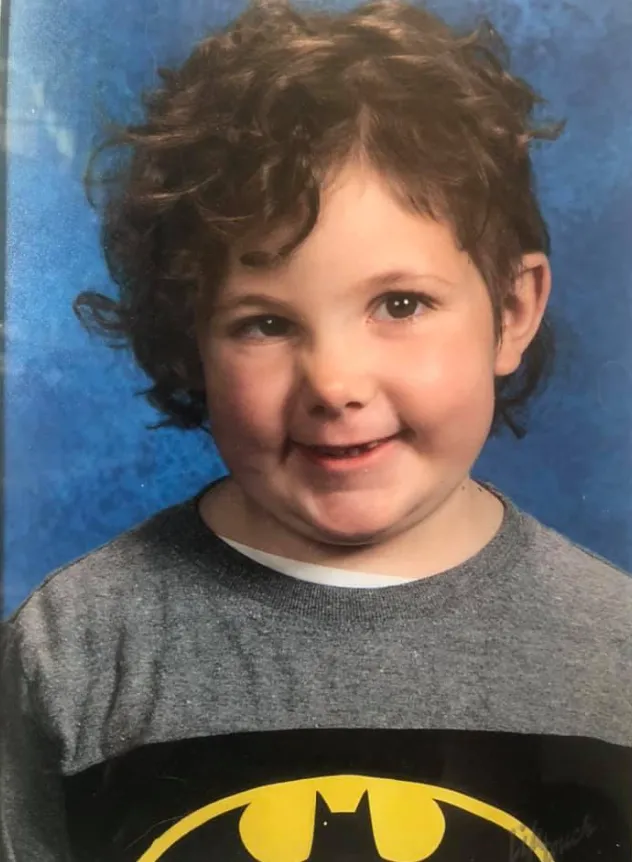
But instead, there is quiet.
Because Evangeline — or Jelly, as everyone called her — will forever be 7.
Her story is one of heartbreak and hope.
Of a little girl who faced unthinkable pain with a courage that seemed almost otherworldly.
And of a family who learned what it means to keep loving even when love hurts most.
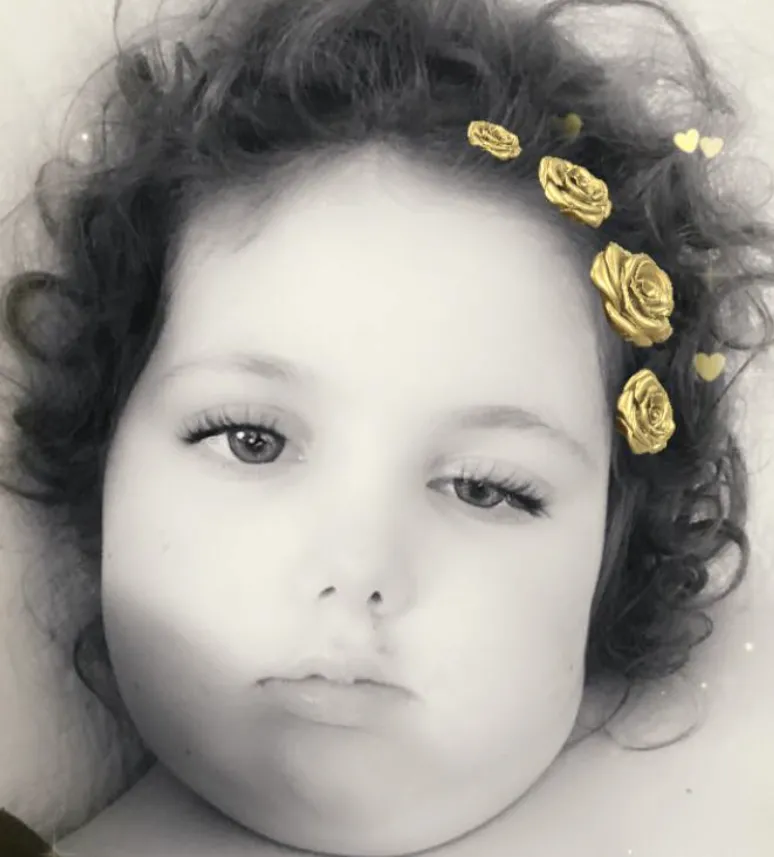
? The Day Everything Changed
Jelly was two years old when her parents, Katherine and Stephen, first noticed something strange.
She woke up one morning with her eyes crossed.
At first, they thought it was something simple — maybe she needed glasses.
They imagined her with tiny pink frames, smiling at her reflection.

But life had other plans.
An ophthalmologist found something much more serious: a problem with her sixth cranial nerve, a sign that pressure was building inside her brain.
An MRI was scheduled immediately.
And within a day, the word no parent should ever have to hear entered their lives — DIPG.
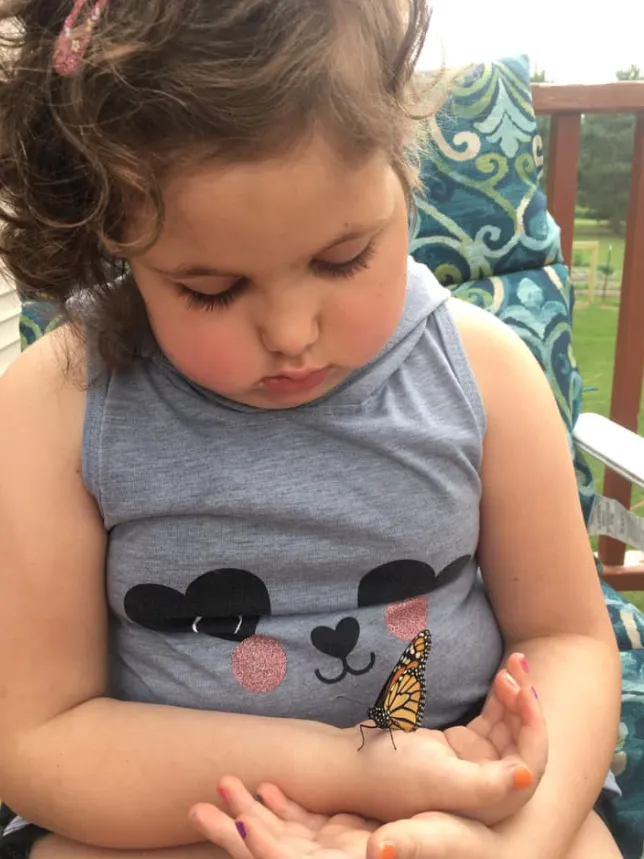
Diffuse Intrinsic Pontine Glioma.
A rare, aggressive brain tumor with no cure.
Doctors warned that her tumor was large and growing fast.
If treatment didn’t begin within 48 hours, it would be too late.
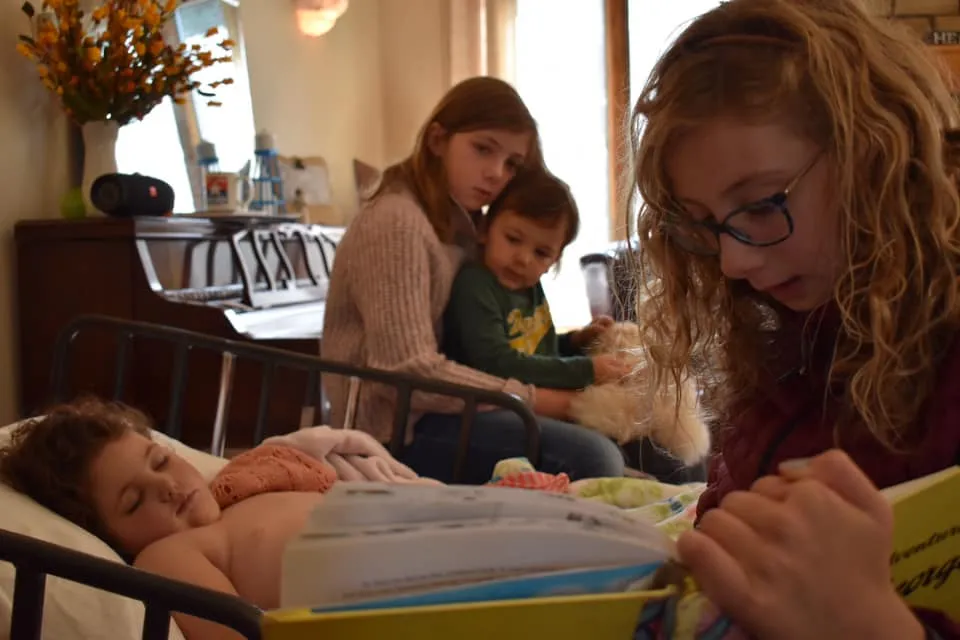
Katherine remembers those hours vividly —
“We spent every one of them talking to doctors across the country, trying to make the right decision while our world was falling apart.”
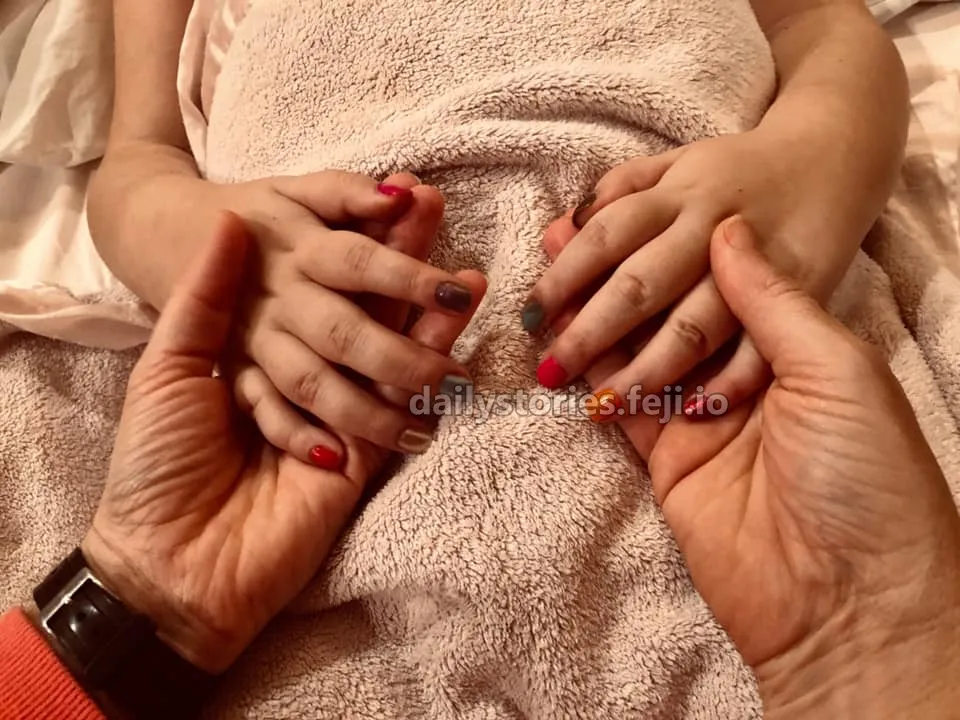
Thirty-six hours later, Jelly began radiation.
She was barely old enough to understand what was happening — but she was old enough to be brave.
? Finding Light in the Darkness
Somehow, Jelly’s tiny body responded.
For a time, the treatments worked.
Her smile returned.
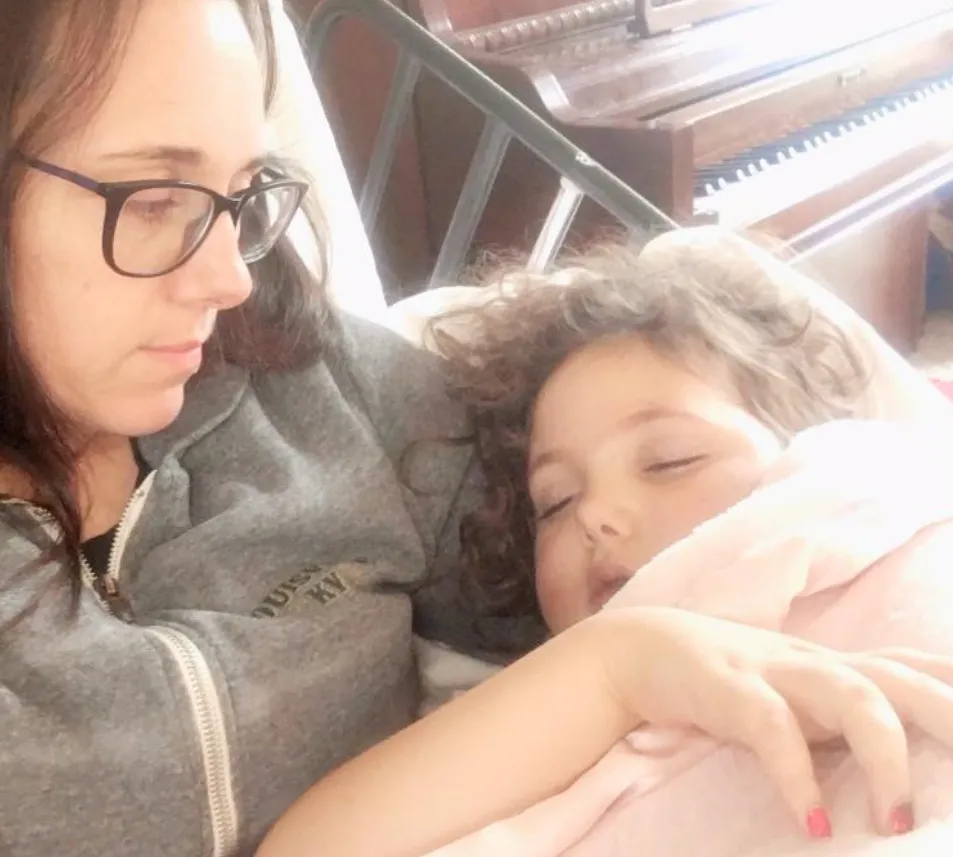
Her laughter filled the house again.
Her parents called her their miracle — their proof that hope could bloom even in the darkest soil.
They learned to live a “new normal.”
Hospital visits became routine.
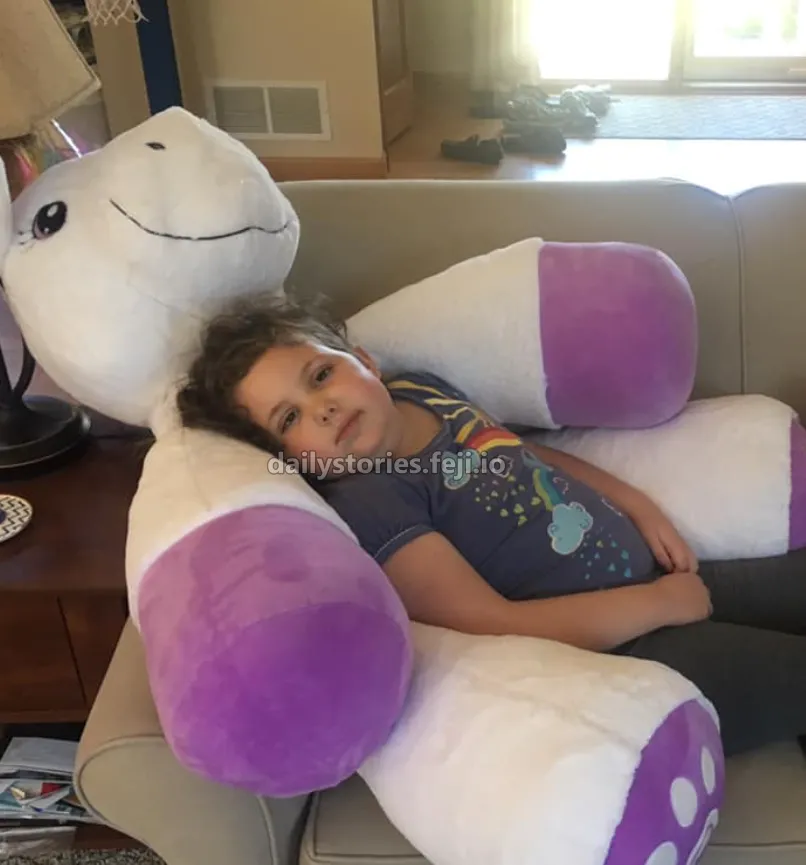
Scans and appointments filled the calendar.
But between them, there were still moments of magic — movie nights, hugs, art projects, birthday balloons.
Every day she lived was a gift, and they never took one for granted.
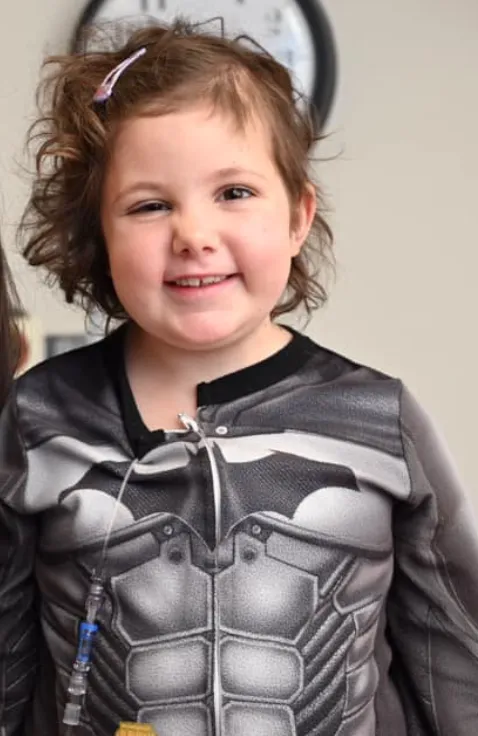
? When Hope Turned to Heartbreak Again
Then, in 2017, the nightmare returned.
A new tumor.
A second cancer — Glioblastoma — in her left temporal lobe.
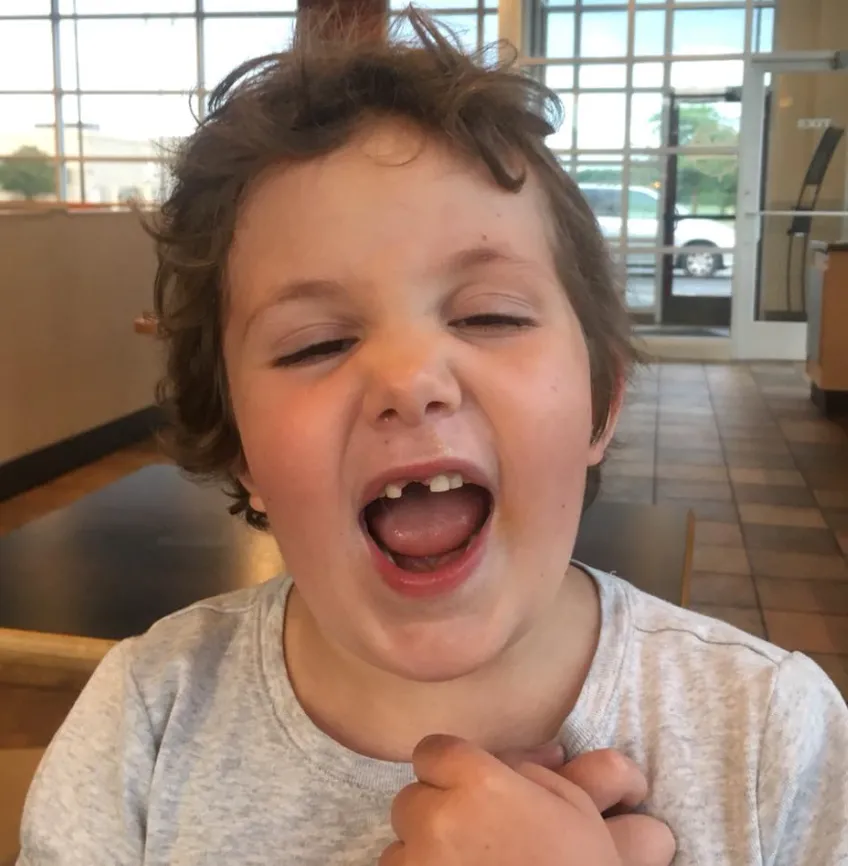
Her parents couldn’t understand.
Hadn’t she already suffered enough?
Doctors began searching for answers and soon discovered the cruel truth.
Jelly had an extremely rare genetic condition called CMMRD — meaning her body couldn’t properly repair DNA damage.
In simple terms, it made her a cancer factory.
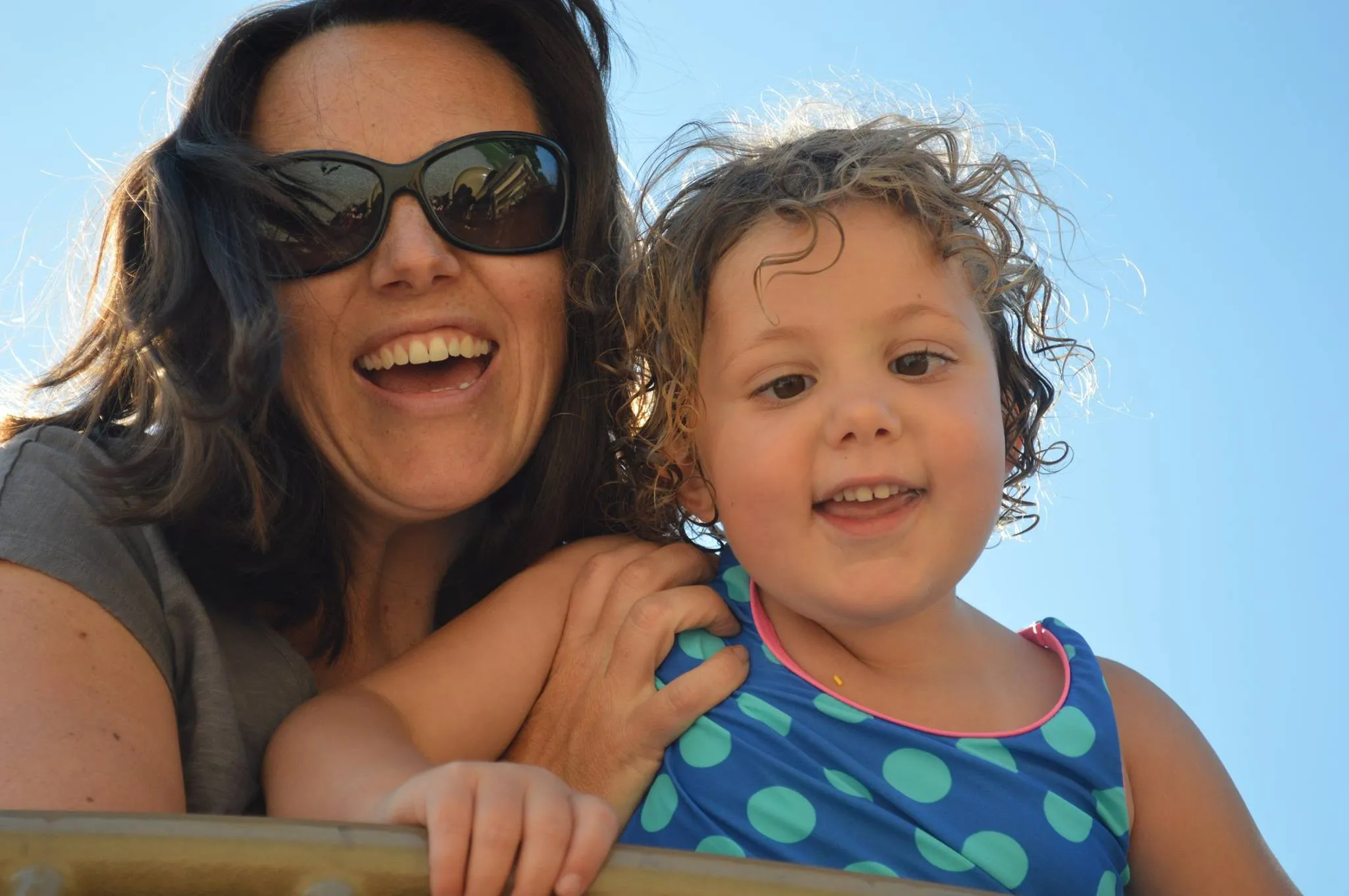
It meant the tumors wouldn’t stop.
It meant every few months, her parents would hold their breath, waiting for the next scan, praying not to hear those words again.
But in March 2019, their fears came true — again.
Another tumor.
Then another.
And another.
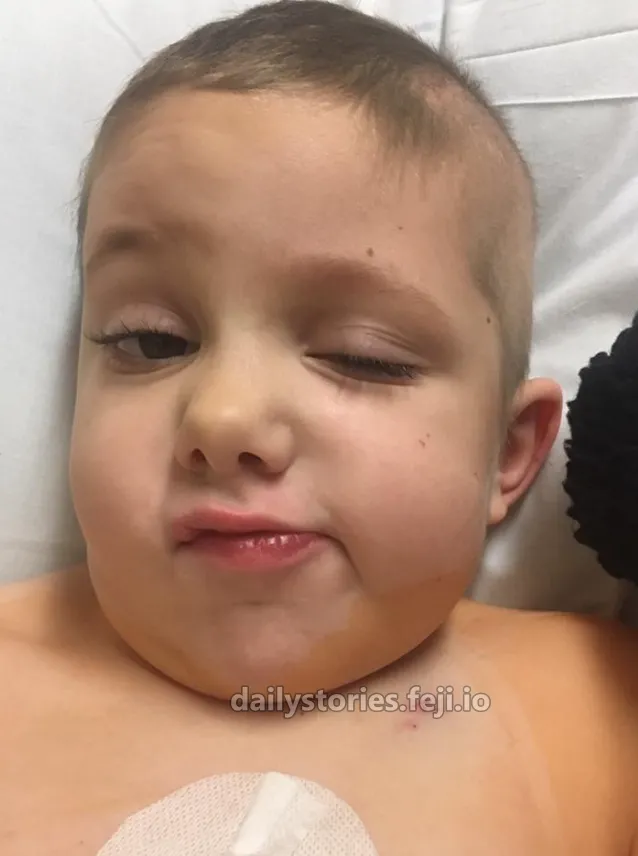
By the time summer came, Jelly had six brain tumors.
Each one new, each one threatening, and yet somehow, she kept smiling.
She painted.
She played.
She told jokes that made the nurses laugh.
Her spirit refused to surrender, even when her body began to fade.

?️ A Little Girl Too Bright for This World
On an October morning in 2019, surrounded by her family, Jelly’s brave fight came to an end.
She was seven years old.
Seven years of light.
Seven years of laughter.
Seven years that changed everyone who ever met her.
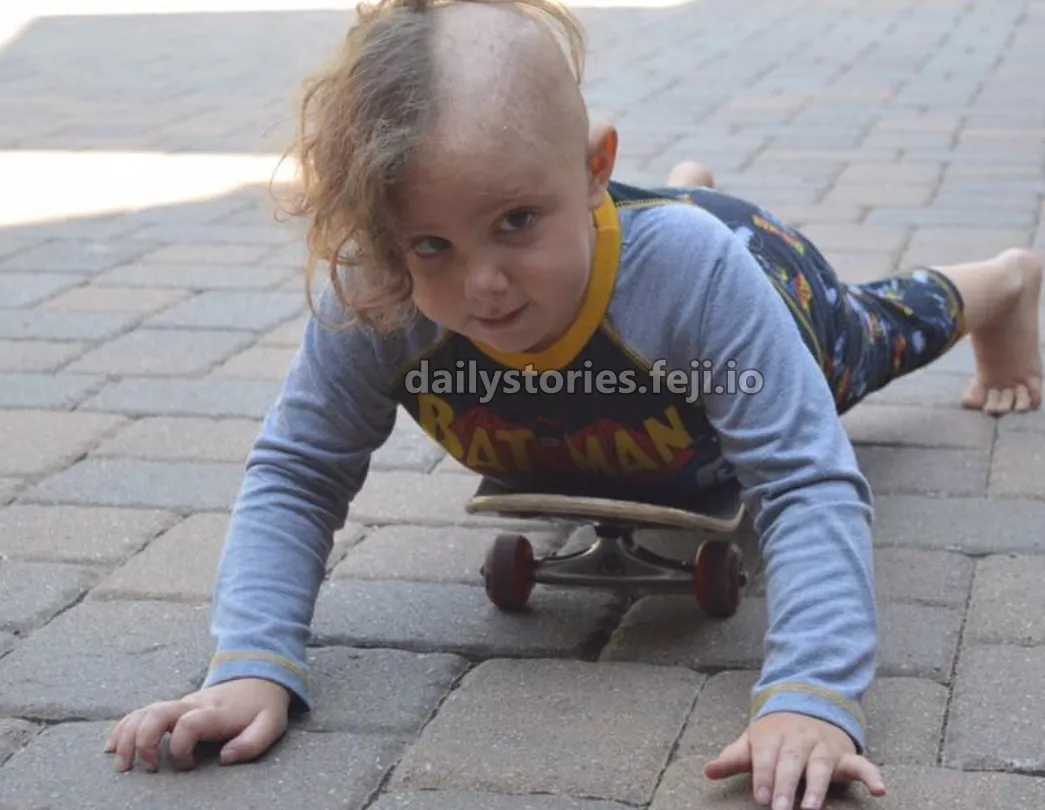
Her parents said the world felt still afterward — like time itself paused to grieve.
The house was quieter, but her presence never left.
Her favorite toys, her drawings, her laughter echoing in memories — they remain, soft reminders of a love too deep to die.
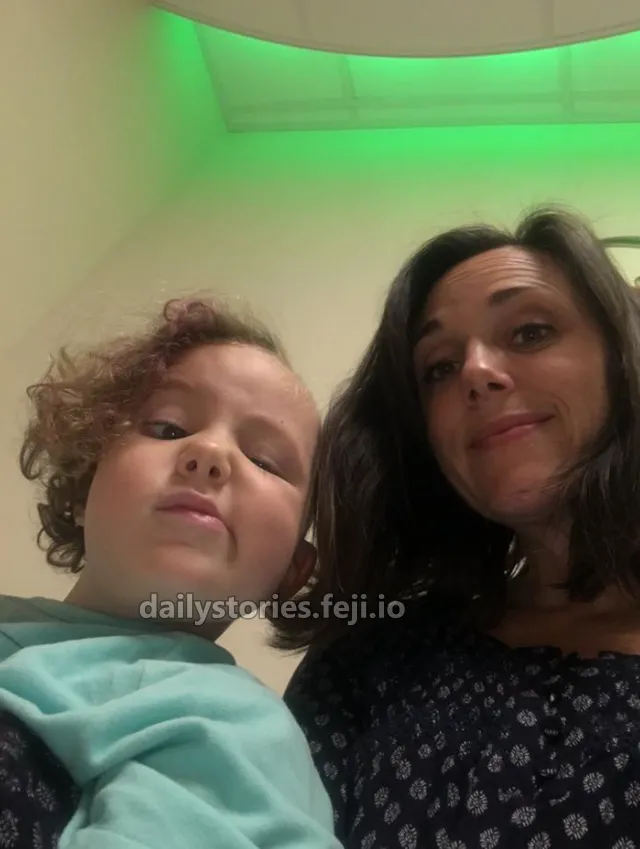
? Forever “Jelly”
Evangeline’s story is not just about loss.
It’s about love that refused to let go.
It’s about a little girl who fought harder than anyone her age should have to, and who did it all with a smile.
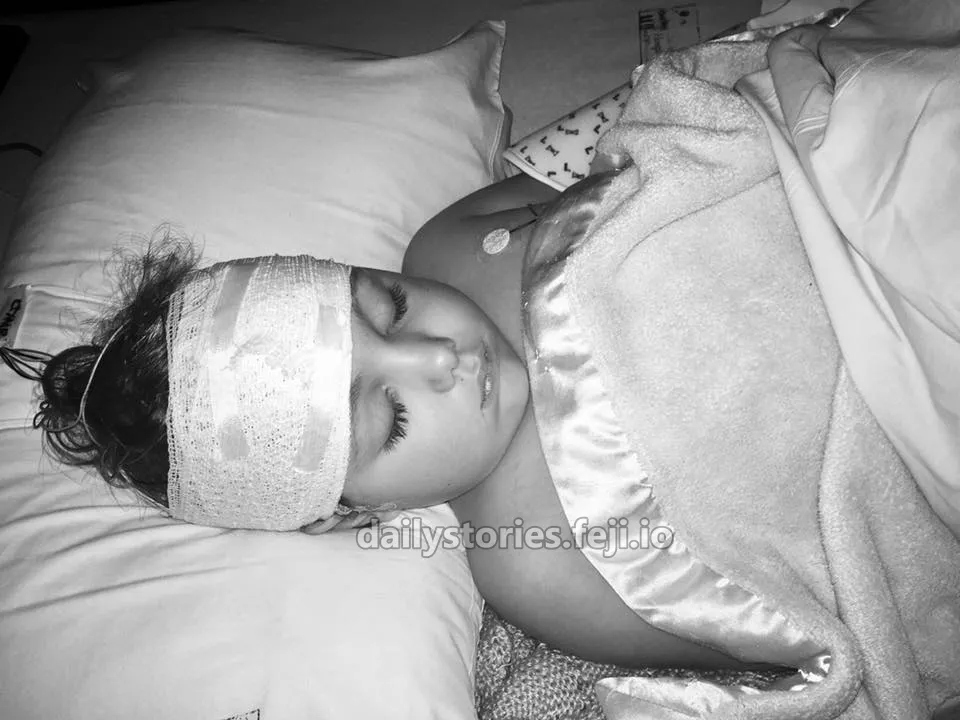
She was silly, funny, full of energy — her nickname “Jelly” fit her perfectly.
She wiggled through life with joy, even when the world around her shook with fear.
Today, when her parents look at the sky, they see pink clouds and imagine their little girl dancing among them — free from pain, free from needles, free from the hospital walls that once held her.
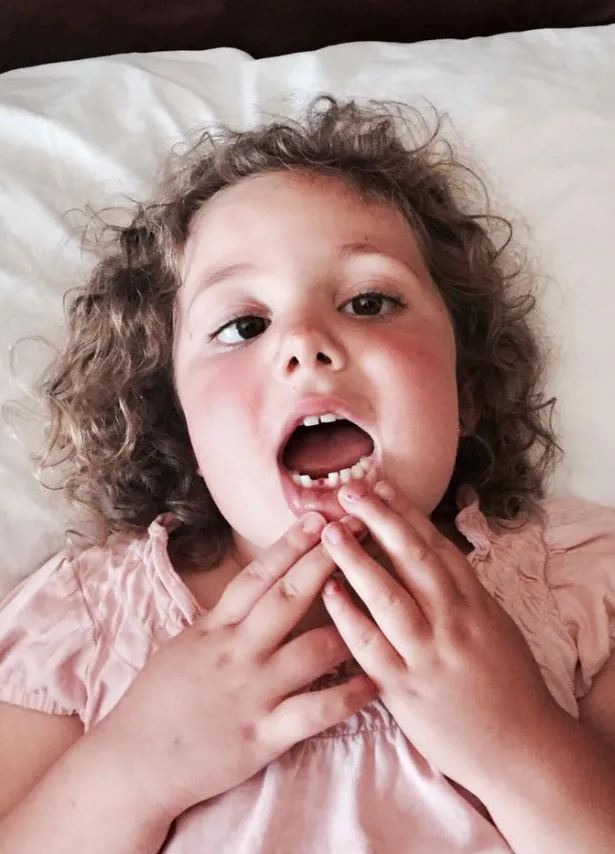
She should be eleven today.
But instead, she is forever seven.
Forever loved.
Forever Jelly.
? Rest in love, sweet girl. Your light still shines. ?