English: How Do You Hit a Child — and Just Keep Going?.6016

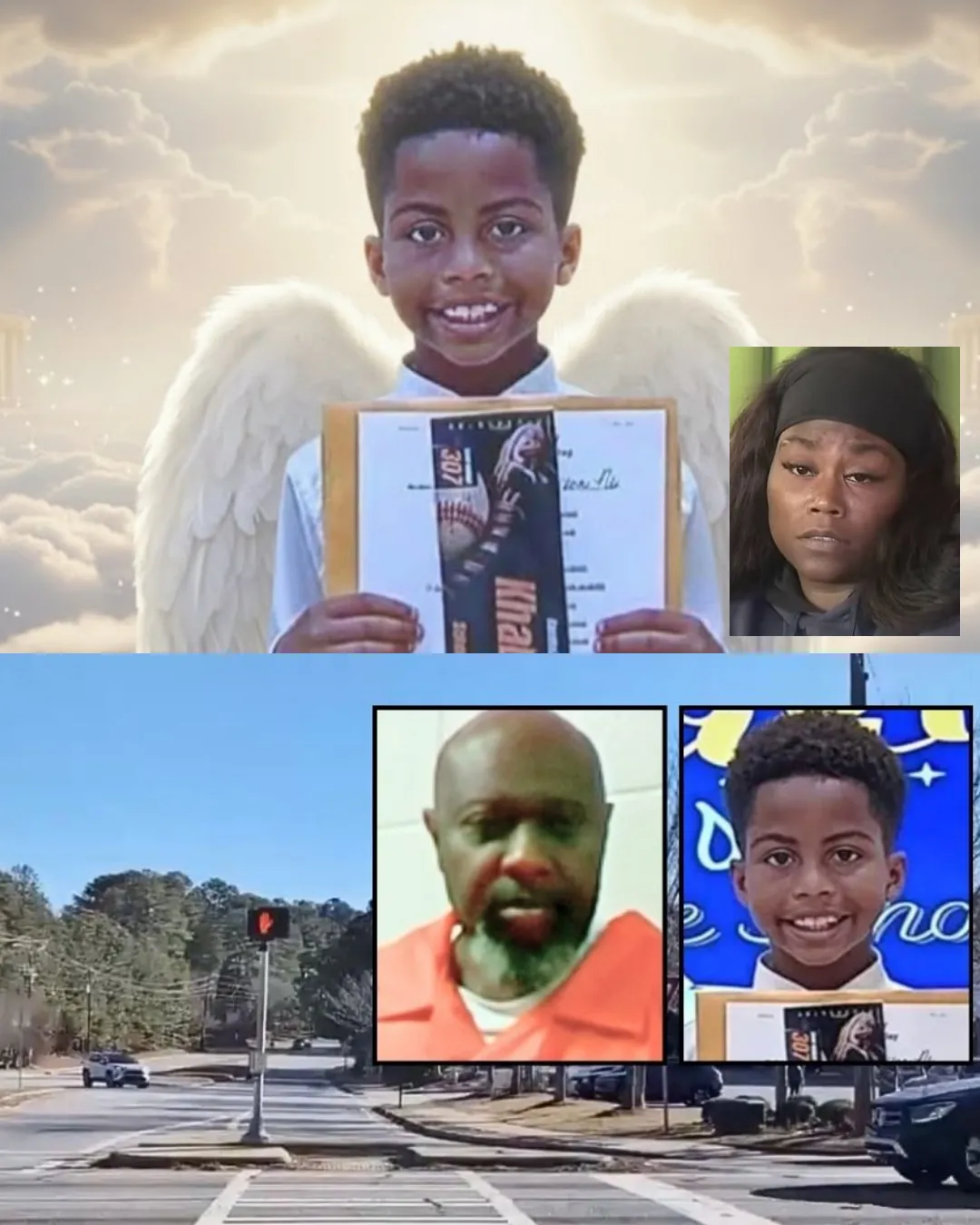
On Sunday night in Clayton County, Georgia, the air carried that late-weekend calm that makes neighborhoods feel gentler than they really are.
Streetlights blinked on one by one.
Cars moved through intersections in familiar rhythms.
Families inside homes were settling into the last hours before Monday—packing lunches, charging phones, calling kids in from outside.
And out near Riverdale Road and Garden Walk Boulevard, four children were doing what children have done forever.
Walking together.
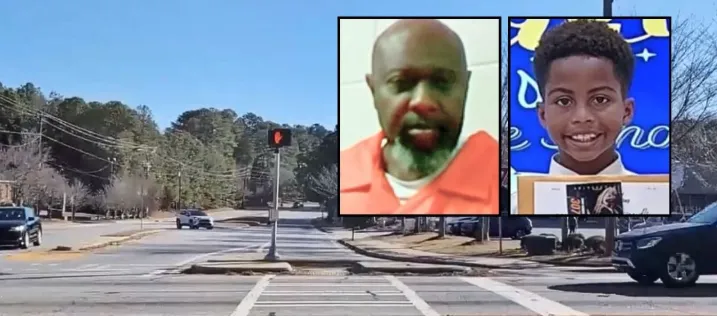
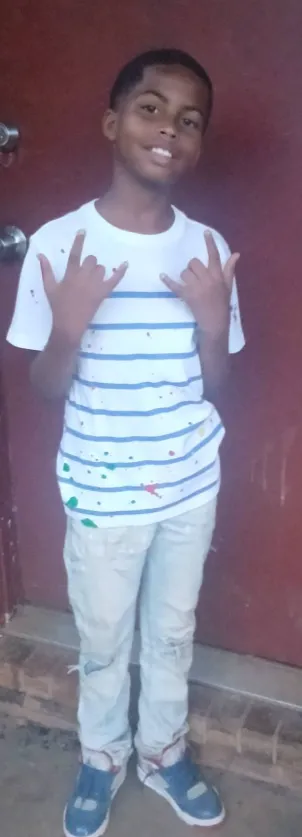
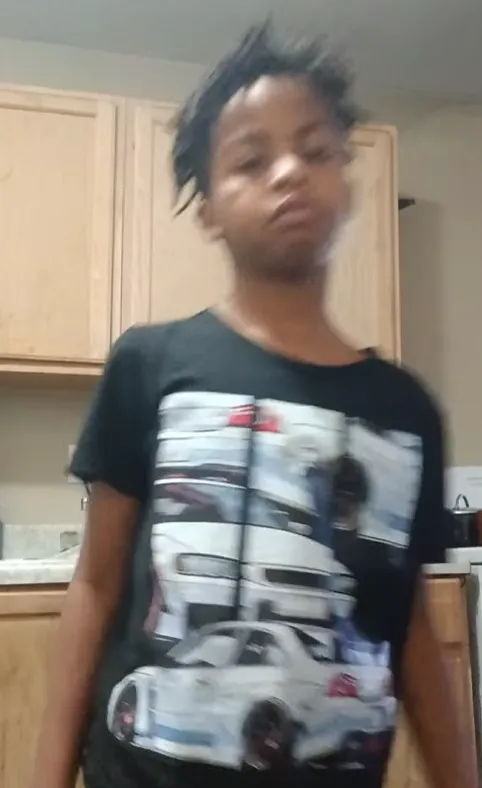
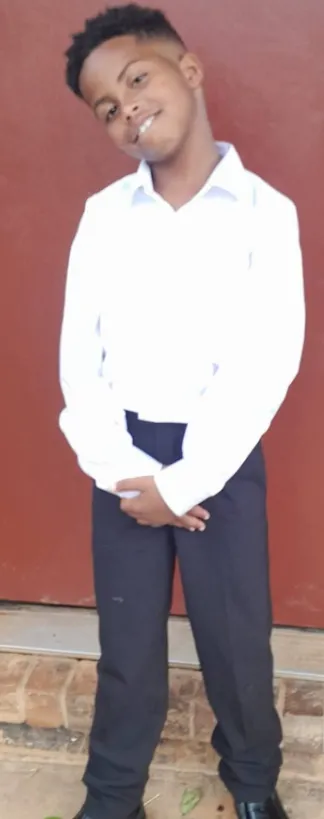
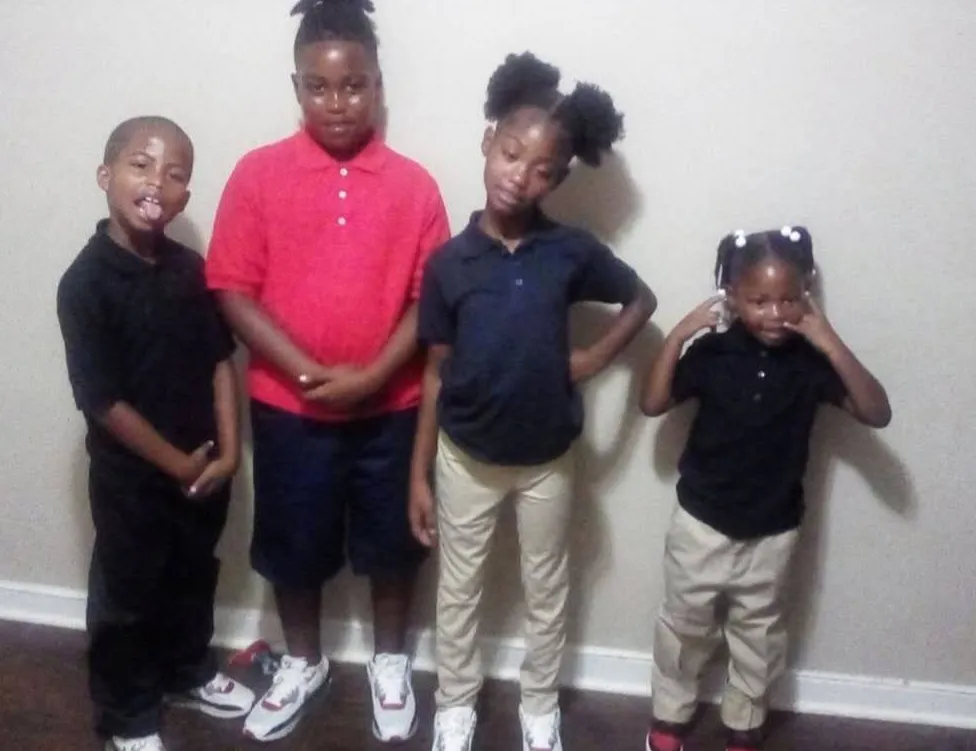
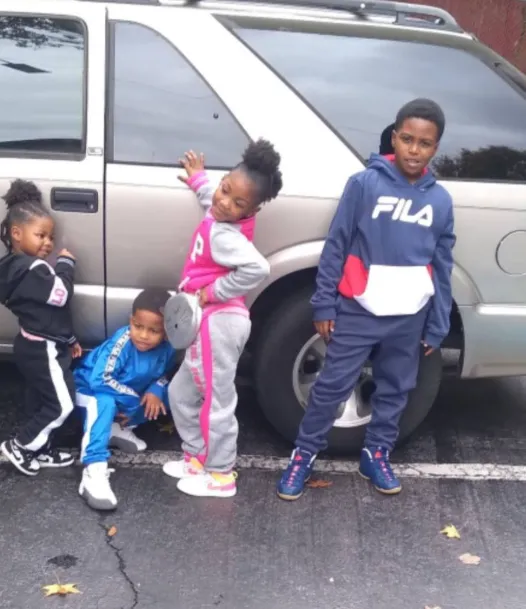
Khaleb Jackson was ten years old.
His brother was fourteen.
Two cousins were with them too.
Just kids in a small group, the way kids travel because it feels safer, because laughter is louder in a pack, because the world seems less sharp when someone your age is beside you.

They were just steps away from safety.
No one imagines the road as the place where childhood ends.
Not like that.
Not in the span of a heartbeat.
Then a car came out of nowhere.
Witnesses and police would later describe it with the kind of blunt language tragedy forces into your mouth.
The driver hit Khaleb at the intersection and did the unthinkable.
He kept going.
It’s the part of the story that makes people’s throats tighten—the moment where the human heart expects a brake light, a door opening, a voice yelling, “Oh my God, are you okay?”
Instead: tires rolling forward.
Distance increasing.
A child left behind in the street.
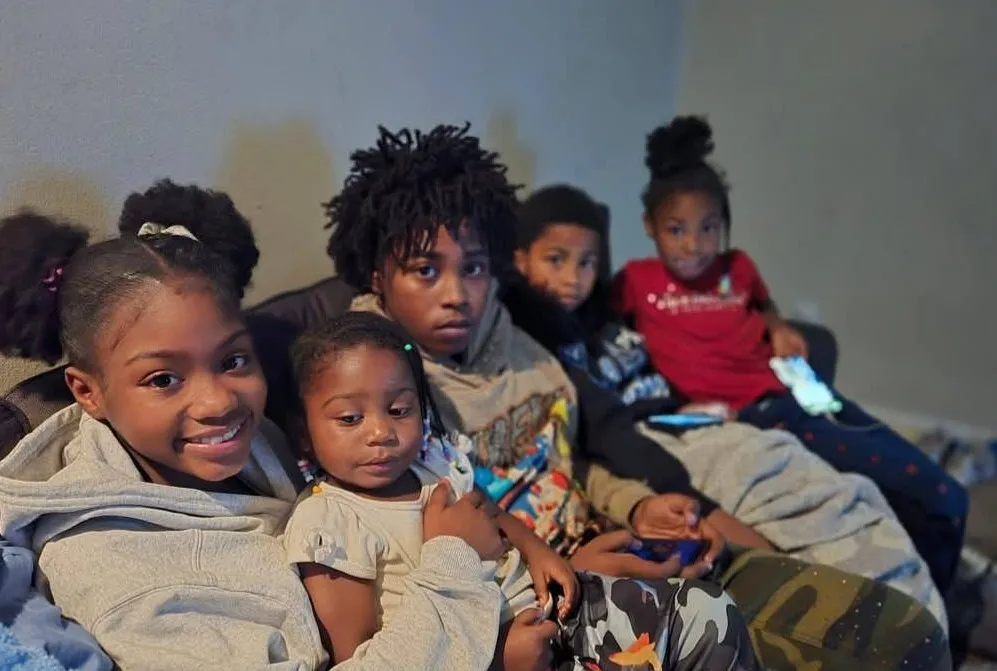
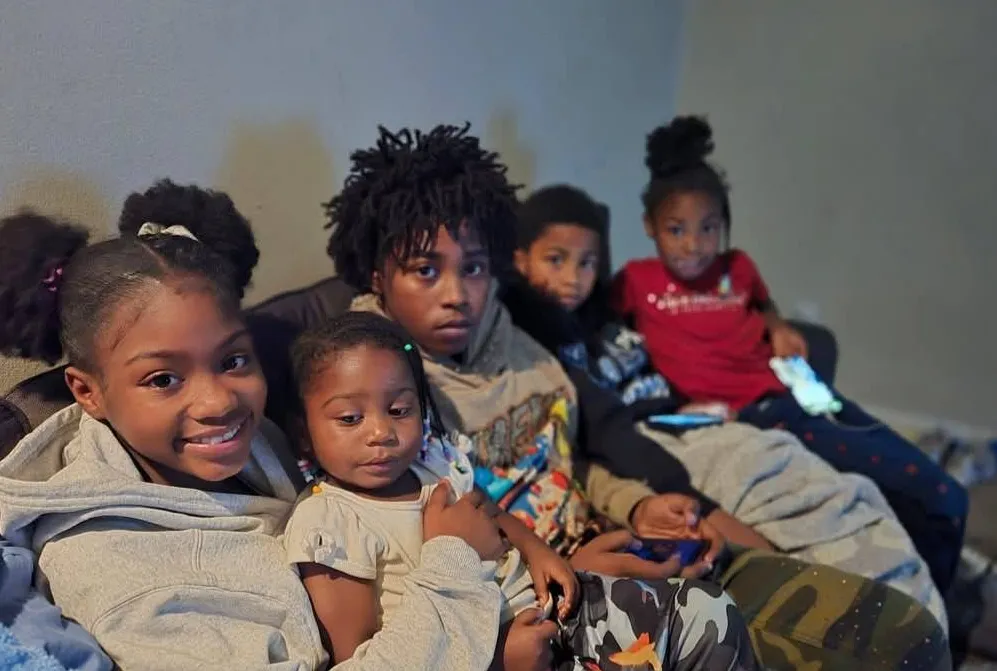
And the children who were with him—his brother, his cousins—were the ones who ran toward him.
They didn’t have training.
They didn’t have equipment.
They didn’t have the adult ability to stay calm in a nightmare.
They had only love.
And panic.
And the desperate instinct to fix what cannot be fixed.
They tried to help him.
They did everything they could.
But they are children.

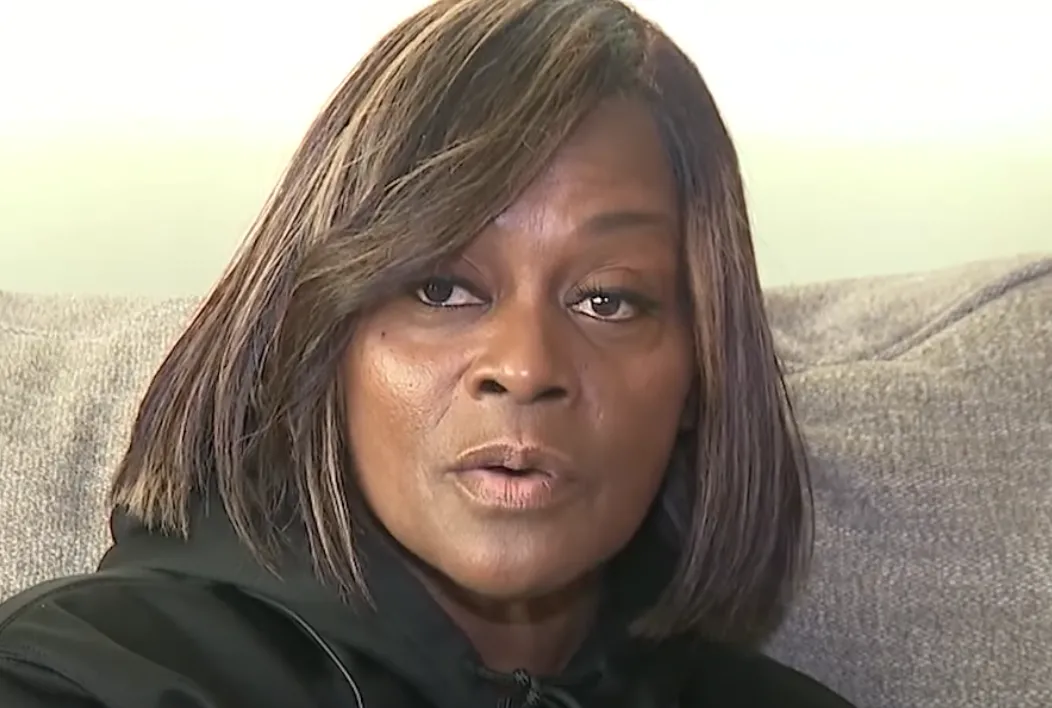
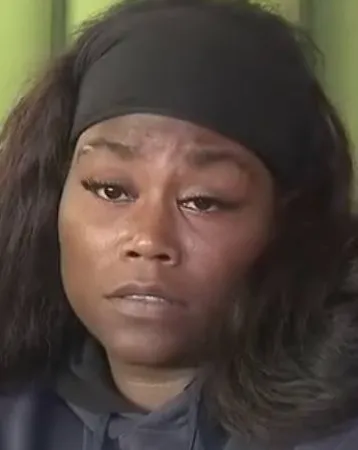
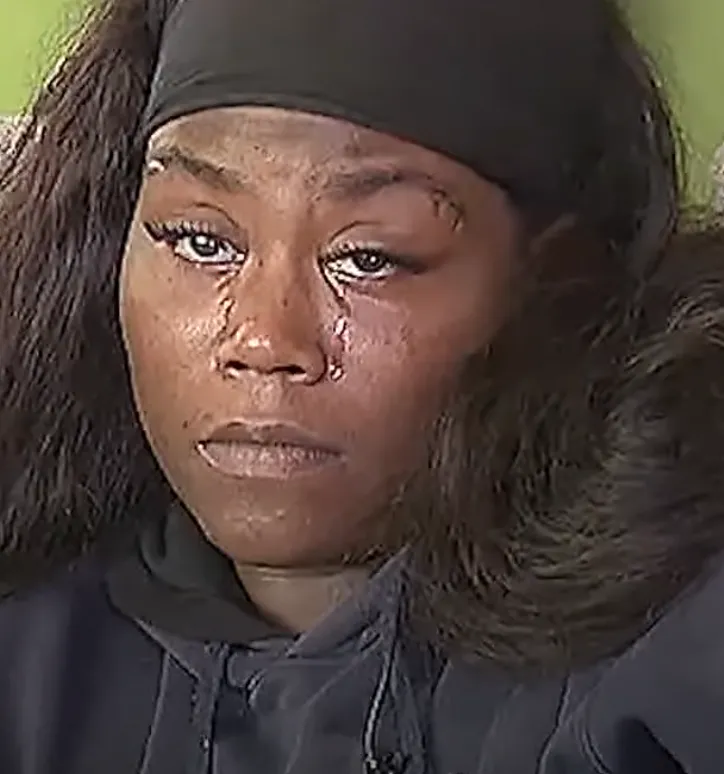
Khaleb’s mother, Brandi Jackson, said it plainly, in the kind of sentence that breaks you because it’s so simple.
“They tried… but they’re children.”
Those words carry an entire universe of pain.
Because no fourteen-year-old should ever be forced to crouch over his little brother in the road and beg the world to rewind.
No cousin should ever have to stand there shaking, staring at blood on asphalt, learning in real time how fragile life is.
Somewhere nearby, Southern Regional Hospital was just steps away.
So close it almost feels cruel.
So close that a grown man could have stopped.
Could have run for help.
Could have done the one thing that separates accident from evil: stay.
But the driver chose not to.
Police say the driver was David Blanchard, fifty-two years old.
He is now charged with homicide by vehicle and hit and run.
He is being held without bond while awaiting his next court date.
The legal system can label what happened.
It can put words on paper.
It can lock a door behind someone.
But it cannot answer the question everyone keeps asking, the one Khaleb’s aunt asked through her own grief.
How do you hit a child… and leave them lying there?
How do you keep going?
Khaleb’s family says he was on his way to the bus stop.
Just a kid moving through a normal night, his life full of small joys the way ten-year-old lives are supposed to be.
He was sweet.
Full of joy.
He loved to dance.
You can picture it if you’ve ever known a kid like that—music coming from a phone, a living room becoming a stage, a child spinning and laughing like happiness is something you can create out of thin air.
He was appreciative, too—the kind of kid who didn’t just take things and move on, but felt gratitude so brightly it overflowed.
Just days earlier, his aunt had surprised him with an iPhone for Christmas.
Khaleb was so excited he kept calling her over and over just to say thank you again.
Thank you.
Thank you.
Thank you.
And now that voice is gone.
There are families who say they can still hear a child’s voice in the house after they’re gone.
In the hallway.
In the way a door closes.
In the silence where laughter used to live.
For Khaleb’s family, the silence comes with another layer of cruelty.
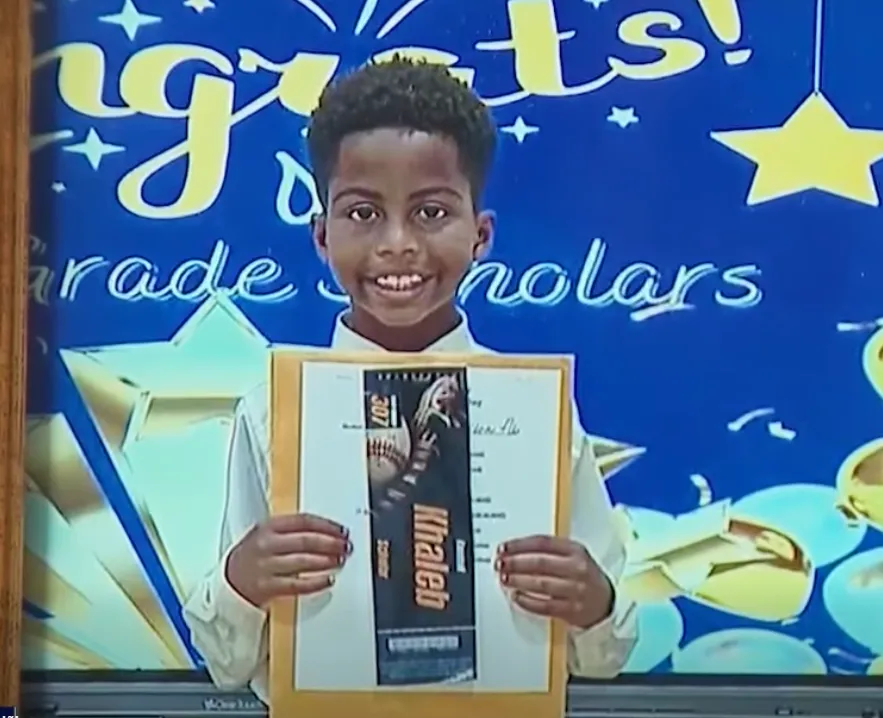
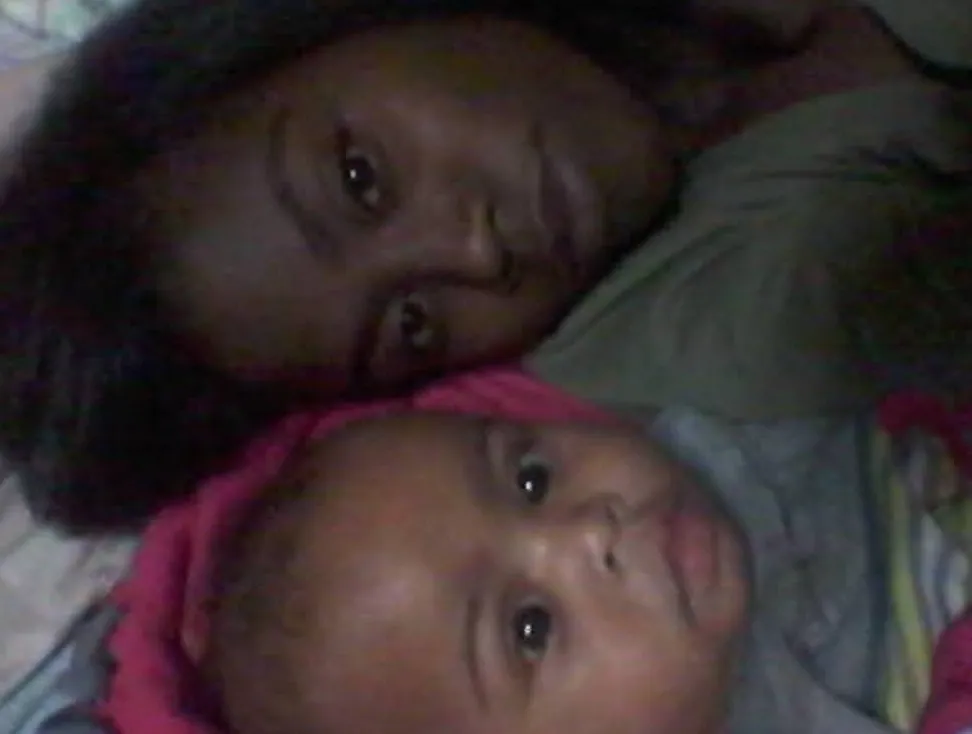
Earlier this year, Khaleb’s infant sister died from SIDS.
Their family had already been taught the kind of grief most people only fear from a distance—the kind that arrives without warning, without reason, without mercy.
They had already buried one child-sized dream.
And now, just days after Christmas, they are burying another.
It’s the kind of suffering that feels impossible to survive.
The kind that makes people ask why life can be so unfair to the same family twice.
The kind that makes a mother’s heart feel like it has been struck by lightning and left burning.
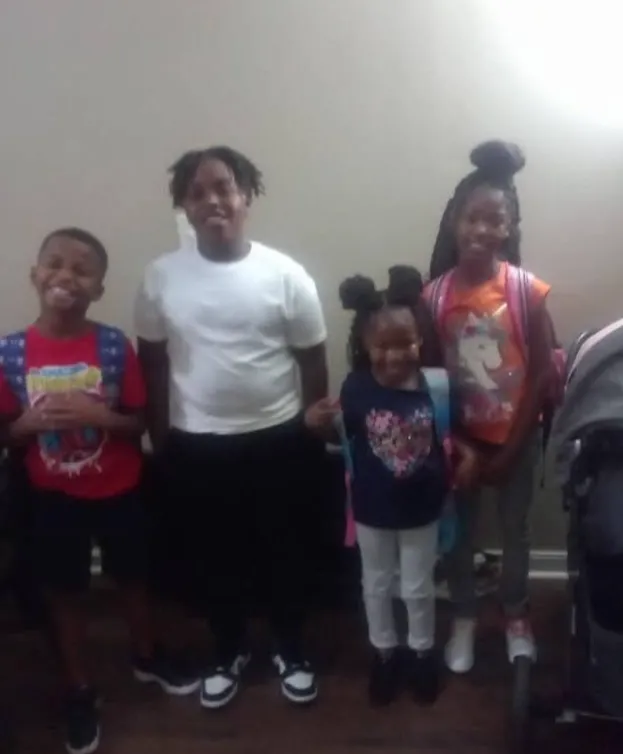
When you lose a baby, the world tells you there was nothing you could do.
When you lose a ten-year-old to a car that didn’t stop, the world feels like it made a choice.
And that choice is what haunts people.
Because this wasn’t just a collision.
It was a moment where someone had the chance to be human and refused.
The intersection where Khaleb was hit will look normal again someday.
Traffic will keep flowing.
Streetlights will keep blinking on.
The road will keep pretending it didn’t swallow a child.
But Khaleb’s brother and cousins will never be the same.
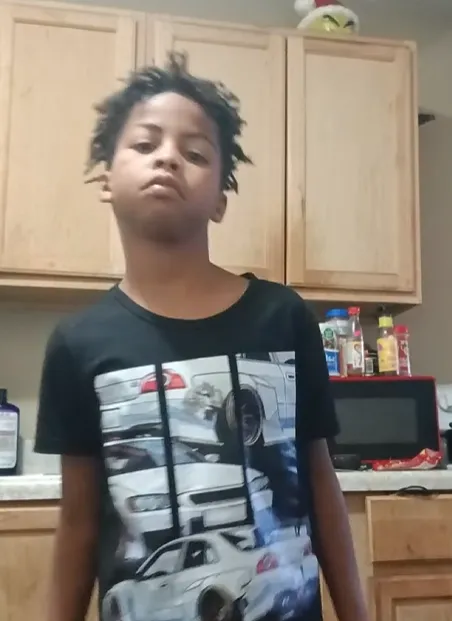
Children who witness death don’t just “get over it.”
They carry it in their bodies—in sudden flinches at loud noises, in nightmares, in the way they look both ways too many times before stepping off a curb.
They will remember the sound.
They will remember the panic.
They will remember the moment they realized adults don’t always protect you.
And Khaleb’s mother will remember every detail in the way mothers do.
The last time she saw him alive.
The last thing he asked for.
The last time he danced.
The last time he said thank you.
The tragedy of hit-and-run deaths is not only that someone died.
It’s that someone was abandoned.
Abandonment adds a second wound.
It tells a family, Your child’s pain wasn’t worth stopping for.
It tells a community, Safety is not guaranteed.
It tells every parent who reads the story, This could happen in the space between the curb and the other side.
And it raises that furious, aching question:
How do you hit a child and just keep going?
You don’t, if you’re human.
You don’t, if your heart is still alive.
You don’t, if you can still feel.
Maybe the driver panicked.
Maybe he was afraid.
Maybe he thought he’d get in trouble.
Maybe he was intoxicated, distracted, rushing, careless.
But none of that changes the truth.
A child was left in the road.
A child’s brother had to become an emergency responder with trembling hands.
A cousin had to stare at a scene no child should ever see.
A mother had to receive the kind of phone call that splits your life into two.
And somewhere in the middle of it all, a hospital stood close enough to reach in seconds.
That detail doesn’t make it better.
It makes it worse.
Because it means the distance between help and tragedy was not miles.
It was a decision.
Khaleb’s family is not asking the world for pity.
They’re asking the world to learn.
Slow down.
Watch for children.
And if you ever hurt someone—STOP.
Stop because the accident might not be fatal if help arrives fast enough.
Stop because even if you are terrified, someone is bleeding.
Stop because the smallest act of humanity in the worst moment matters.
Stop because leaving a child in the street is a cruelty no family should ever have to live with.
Somewhere right now, other kids are walking to bus stops.
Other brothers are teasing little brothers.
Other cousins are laughing, taking shortcuts, stepping off curbs without understanding how quickly life can change.
The world owes them safety.
Drivers owe them attention.
And adults owe them something even more basic:
If you ever cause harm, you don’t get to disappear.
Because a child’s life is not a problem you can outrun.
Khaleb Jackson should be here.
He should be practicing dance moves, begging for extra screen time, calling his aunt again just to say thank you one more time.
Instead, there will be a funeral.
There will be a small casket.
There will be people standing in a room trying to find words big enough to hold what happened.
But words will fail, because words always fail around the death of a child.
So let the lesson be louder than the silence.
Slow down.
Look twice.
Expect children to be where children are.
And if you ever hit someone, stop.
Not because it will save you.
Because it might save them.
And because leaving a child in the street is the kind of cruelty that echoes for generations.
Save Little Zlata – Our Only Hope Against Cancer.2205
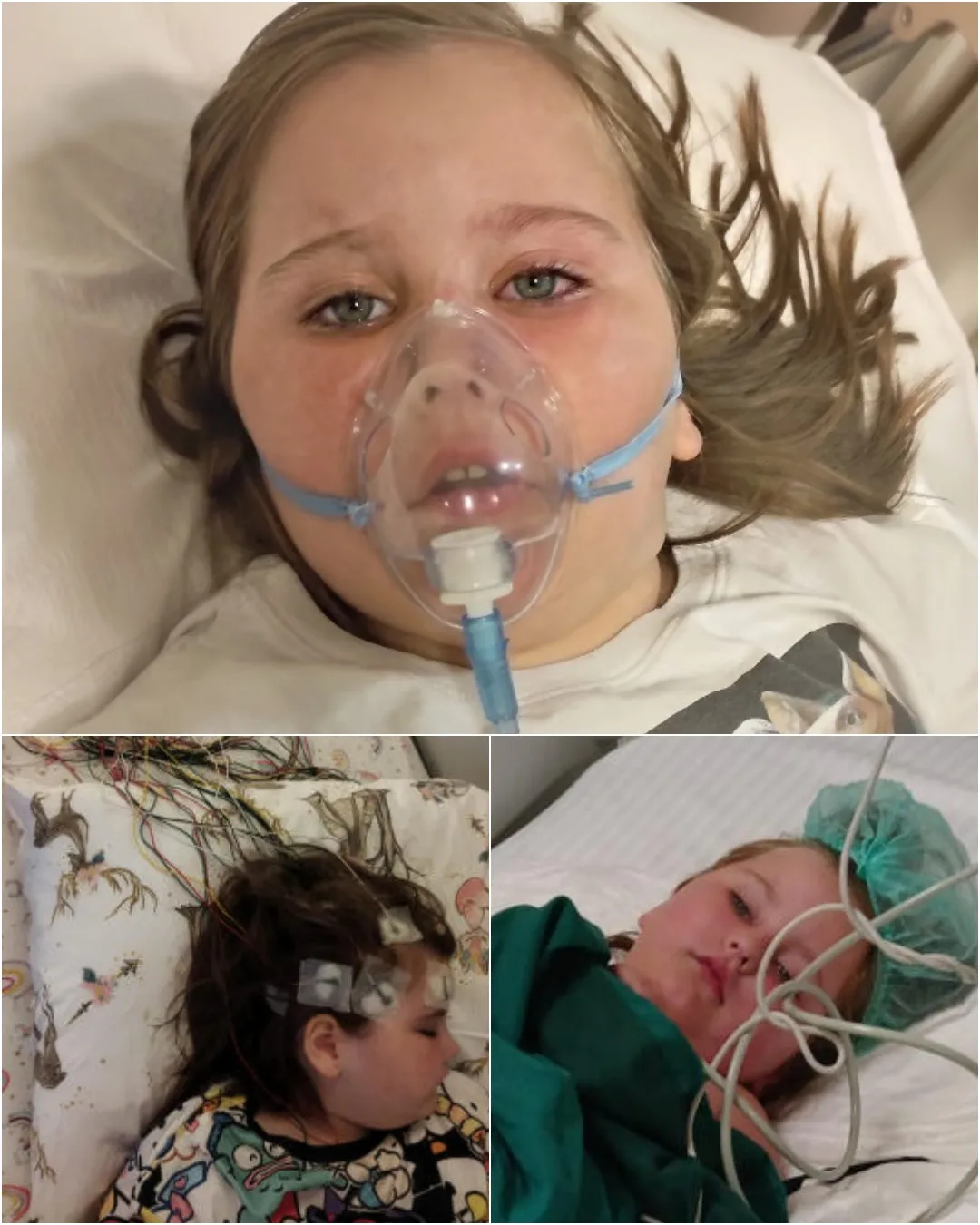
Zlata’s Fight for Life — A Mother’s Cry for Help
I always thought our life was complete.
My beautiful daughter Zlata was healthy, happy, and full of light. Every morning her smile filled our home with warmth; every laugh felt like a promise of a bright future. I truly believed nothing could shatter this happiness.
But life has a way of turning even the safest world upside down.
Today, my heart lives in constant fear.
I am terrified — more than I ever have been in my entire life. My little girl, my beloved child, is fighting for her life. And the cruelest part of it all is this: without treatment, she will die.
The Day Everything Changed
It began so suddenly.
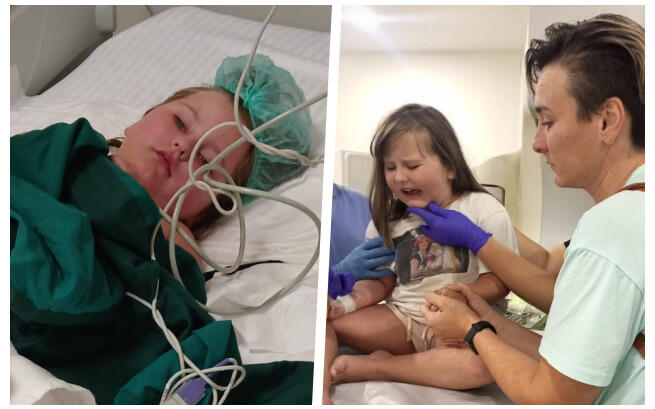
One afternoon I noticed something strange — one side of Zlata’s face had gone limp, as if it were paralyzed. She was only a child, far too young for such symptoms. Then she started vomiting, panicking, crying. My own panic rose with hers. I didn’t know what was happening, but I knew something was terribly wrong.
I rushed her to the hospital, clutching her small hand, trying to keep my voice calm while inside I was screaming.
And then, the words that shattered my world:
“Your daughter has a brainstem tumor. We’re so sorry.”
I couldn’t breathe. My knees gave out beneath me. I wanted to run, to wake up, to undo it — anything but this reality. In that single moment, everything we had built, every plan, every hope for the future, crumbled.
A Tumor We Can’t Touch
The doctors explained that Zlata’s cancer is one of the most dangerous and cruel forms — a tumor on the brainstem. Because of its location, surgery is impossible. No scalpel can safely reach it. Removing it directly would mean certain death.
The only hope for Zlata is a combination of multiple treatments, all working together to shrink or at least slow the tumor. But these treatments are rare, complex, and costly. Without them, there is no chance.
Imagine hearing this as a mother. Imagine holding your child, who still believes in fairytales and bedtime stories, and realizing that medicine alone is standing between her and death — and that you cannot afford it.
Clinging to Hope Abroad
We refused to give up.
We searched for specialists, for hospitals, for anyone who might help. Finally, we found a clinic in Turkey that offered a treatment plan giving Zlata her greatest chance at survival. We gathered every penny we had and traveled there, praying this would be the miracle we needed.
And for the first time in weeks, I saw a little light of hope. The therapy began to work. Zlata started to feel better. Her color returned; her smile peeked through again. We dared to believe she might have a future.
But the cost is overwhelming. Every week the hospital asks us for payment we simply do not have. The treatment cannot continue without funds. And without treatment, the tumor will grow. Without treatment, my little girl will die.
Living With Fear
Day and night, my mind spins like a storm:
Where will I find the money? How can I save her? What more can I do?
I hold my daughter in my arms and try to be strong, but inside I am breaking. The cancer is killing her body, and helplessness is killing me. I am her mother. I am supposed to protect her. And yet, here I am — begging strangers for help because love alone is not enough to keep her alive.
Sometimes, when Zlata falls asleep after treatment, I sit by her bed and watch her breathe. Each breath is a miracle, each heartbeat a fragile promise. I stroke her hair and whisper:
“You’re not alone, baby. Mama is here. We’ll fight together.”
But the truth is, we can’t fight this alone.
A Mother’s Plea
I never imagined I would have to write words like these. I never thought I would be the one reaching out to the kindness of others just to keep my child alive. But here I am.
We are in Turkey, clinging to this treatment as if it were a lifeline. The doctors are clear: if we cannot pay, they will have to stop. And if they stop, we will lose her.
Every day feels like a race against time. Every bill that arrives is like a countdown clock.
Please, I am begging you from the depths of my heart:
Help us. Help me save my daughter.
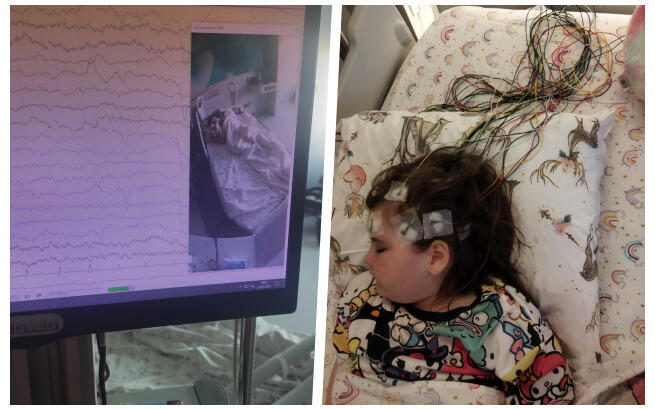
Why Your Help Matters
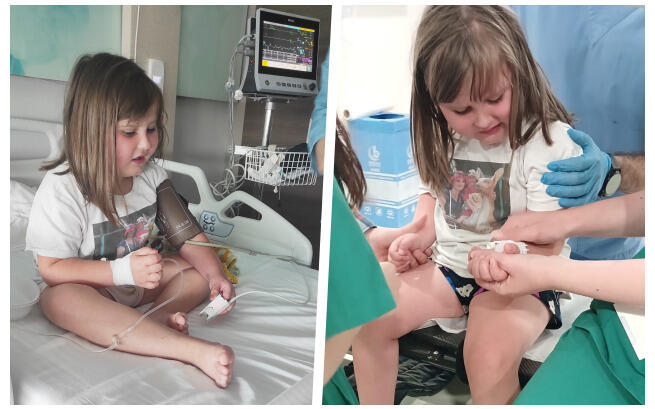
Zlata is only a child. She has so many dreams waiting for her — to go to school, to play with friends, to grow up and discover the world. She doesn’t understand why she’s in hospitals, why needles and IV drips have replaced playgrounds and dolls. She only knows she wants to go home, to be with her family, to live.
Your support can make that possible.
Every donation, every share, every act of kindness brings us one step closer to paying for the next round of treatment. Each payment keeps the doctors working, keeps the medicine flowing, keeps her hope alive.
This isn’t just about money. It’s about giving a little girl a chance to live.
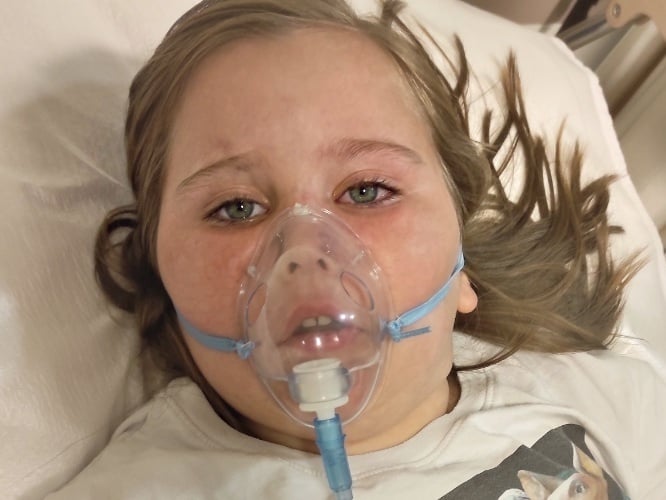
Holding on to Love
Despite everything, Zlata still smiles. Her heart is pure; her spirit is gentle. Even as she endures pain that no child should ever know, she still finds moments to laugh. She still tells me she loves me.
And that is what keeps me going.
Her courage is greater than my fear. Her light is stronger than the darkness we face.
I know that with your help — with the power of compassion, community, and love — my daughter can beat the odds.
From One Heart to Many
I am writing these words because I have no choice. Because every mother would fight with her last breath to save her child. Because I believe that even in a world full of pain, there is still kindness.
Please, if you are reading this, know that you have the power to make a difference.
Help us continue Zlata’s treatment.
Help us keep her alive.
Help a little girl live long enough to dream again.
From the bottom of my heart — thank you.
Mama