Inside the Enoch Home Where a Mother Tried to Leave and Seven Innocent Lives Were Taken.5974



ENOCH, Utah is a quiet place by design.
A town where streets end softly, where neighbors recognize each other’s cars, where the rhythm of life is measured in school drop-offs, church meetings, and the turning of seasons.
On January 4, 2023, that rhythm was shattered in a way the community will never fully recover from.
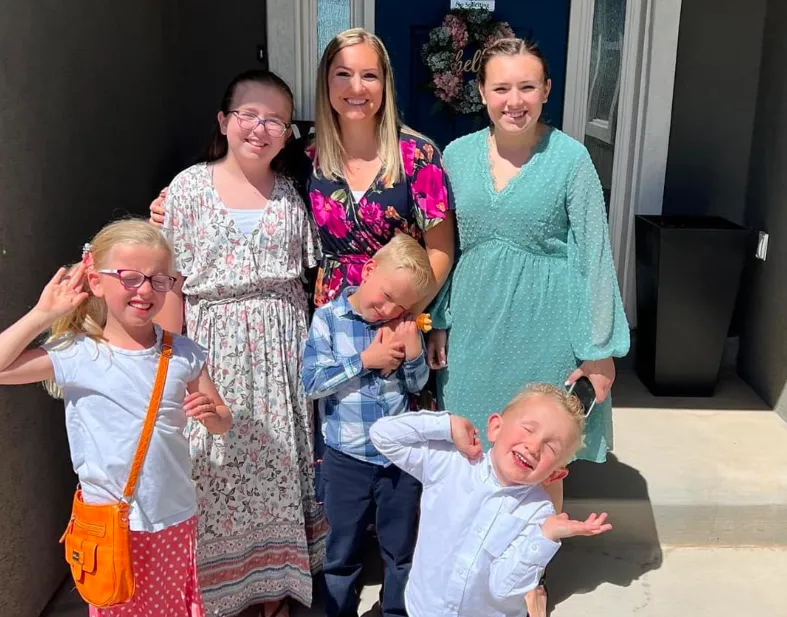
It began as a welfare check.
The kind of call police officers answer every day, often ending with reassurance, a knock on the door, a relieved family member.
Instead, it led them to a house near 4900 North and Albert Drive, and to a silence so heavy it felt unnatural.
Inside the home, eight people were found dead.
Seven of them were victims.
Five of them were children.
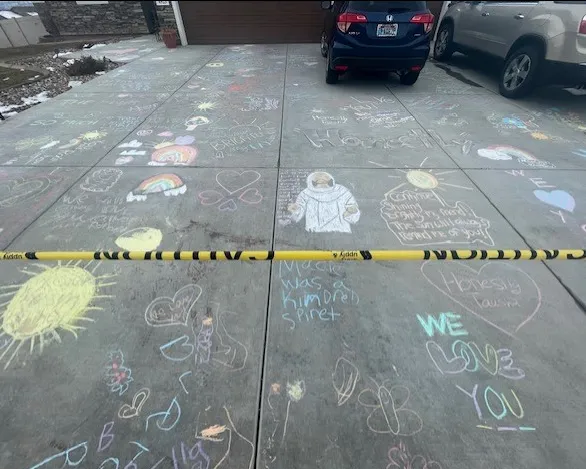
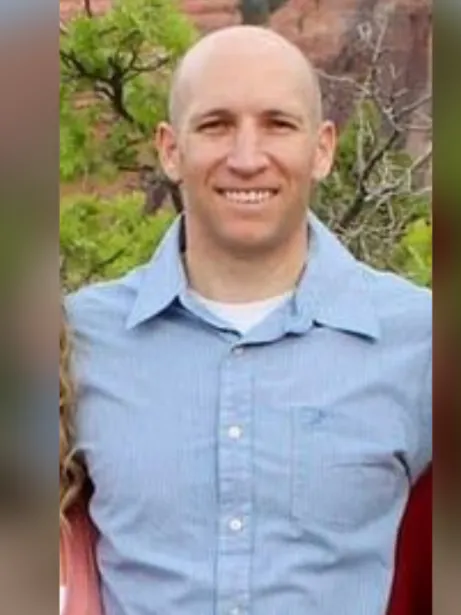
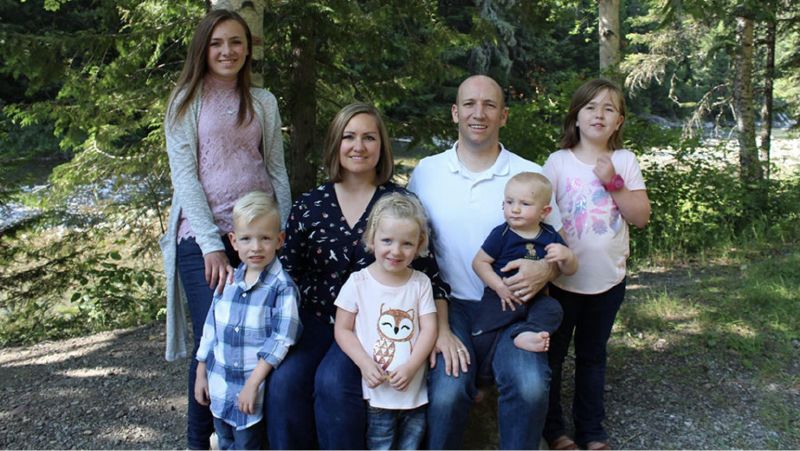
Authorities would later confirm that Michael Haight, 42, had taken the lives of his wife, his children, and his mother-in-law before turning the gun on himself.
The weight of that sentence still feels impossible to carry, even a year later.
It is not a fact that settles into the mind easily.
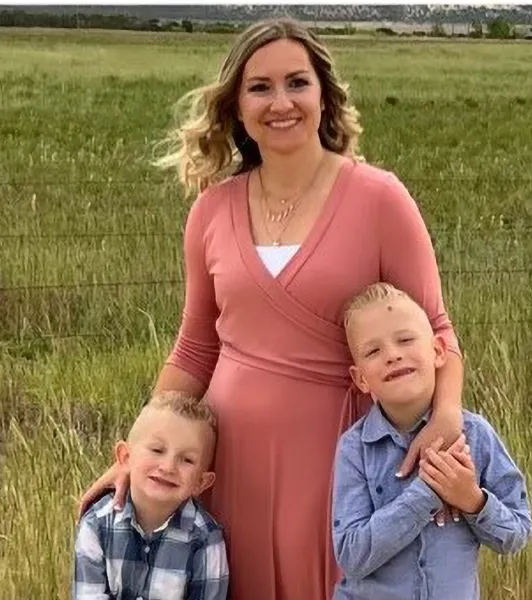
His wife, Tausha Haight, was 40 years old.
Her mother, Gail Earl, was 78.
Five children were killed alongside them, their lives stopped before they had truly begun.
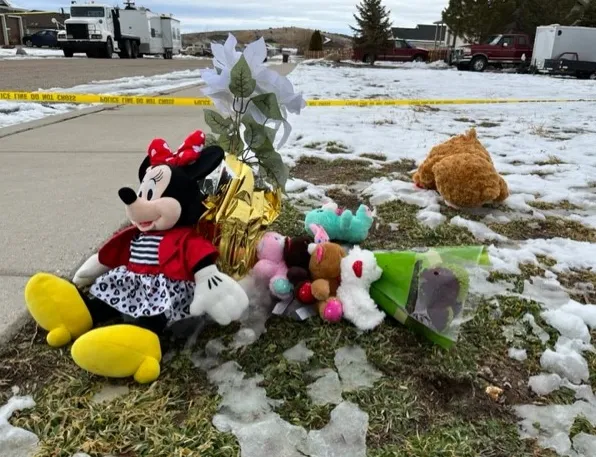
There was Macie, 17 years old, standing at the edge of adulthood.
There was Briley, 12, an age still defined by childhood curiosity.
There was Ammon, Sienna, and Gavin, the youngest only four years old.
The details emerged slowly, each one landing like another stone on an already broken heart.
Court documents revealed that Tausha had filed for divorce on December 21, 2022.
Her mother had been staying at the home, offering support during a painful transition.
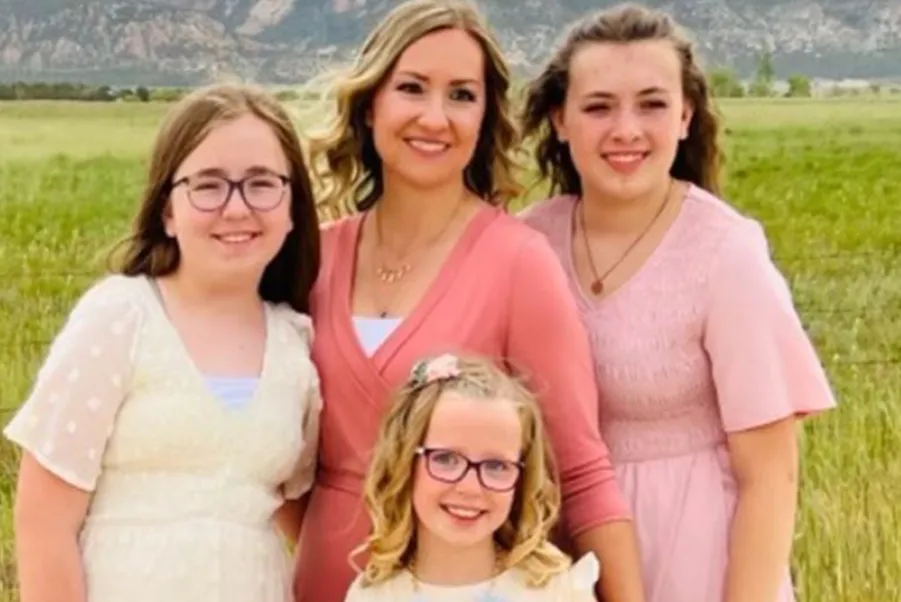
Michael had been living in the basement.
Divorce papers were served on December 27.
Within days, an entire family would be gone.
Officials acknowledged that police had been called to the residence in years prior.
They confirmed there had been previous interactions, previous concerns.
They declined to share details, leaving behind a familiar ache of unanswered questions.
What warnings were missed.
What fear went unspoken.
What might have changed the outcome.
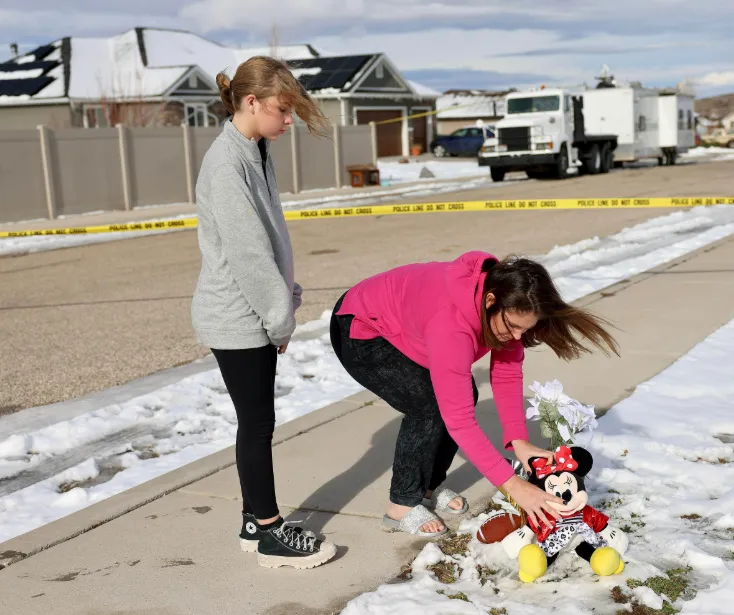
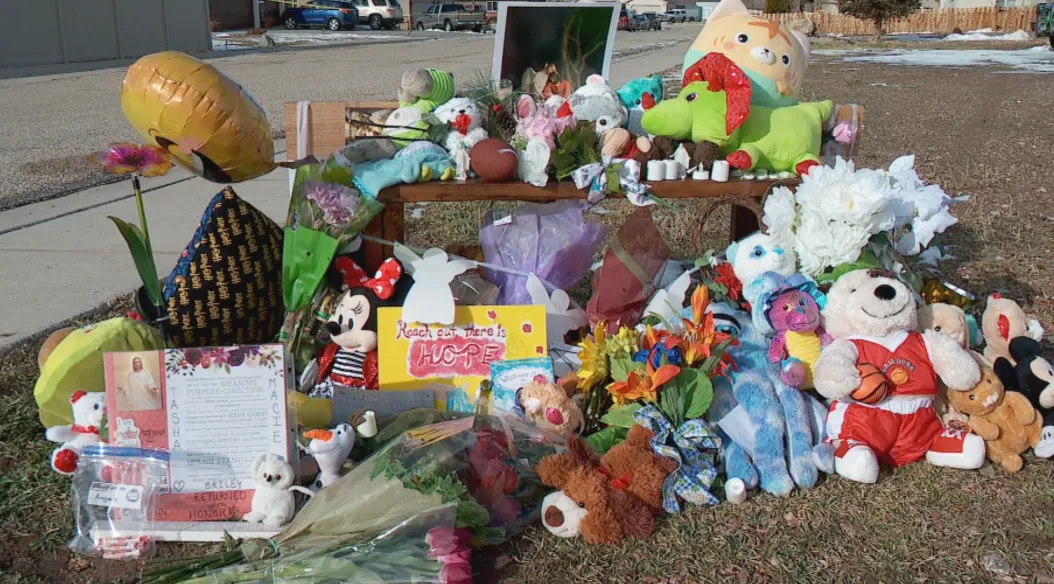
In Enoch, grief did not arrive quietly.
It poured into homes, classrooms, and church pews all at once.
Parents hugged their children tighter without fully understanding why.
A private mourning service was held at the local stake center.
People gathered not for answers, but for each other.
In moments like this, community becomes the only thing that makes the weight survivable.
One man brought a specially trained service dog named Cooper.
Not to fix the pain.
But to offer comfort where words failed.
On January 6, Tausha’s brother, Terry Earl, released a statement on behalf of the family.
He thanked the community for prayers, love, and kindness.
Even in devastation, gratitude found a voice.

A GoFundMe was created.
More than $100,000 was raised over the following year.
Money could not undo the loss, but it stood as proof that the family had not been forgotten.
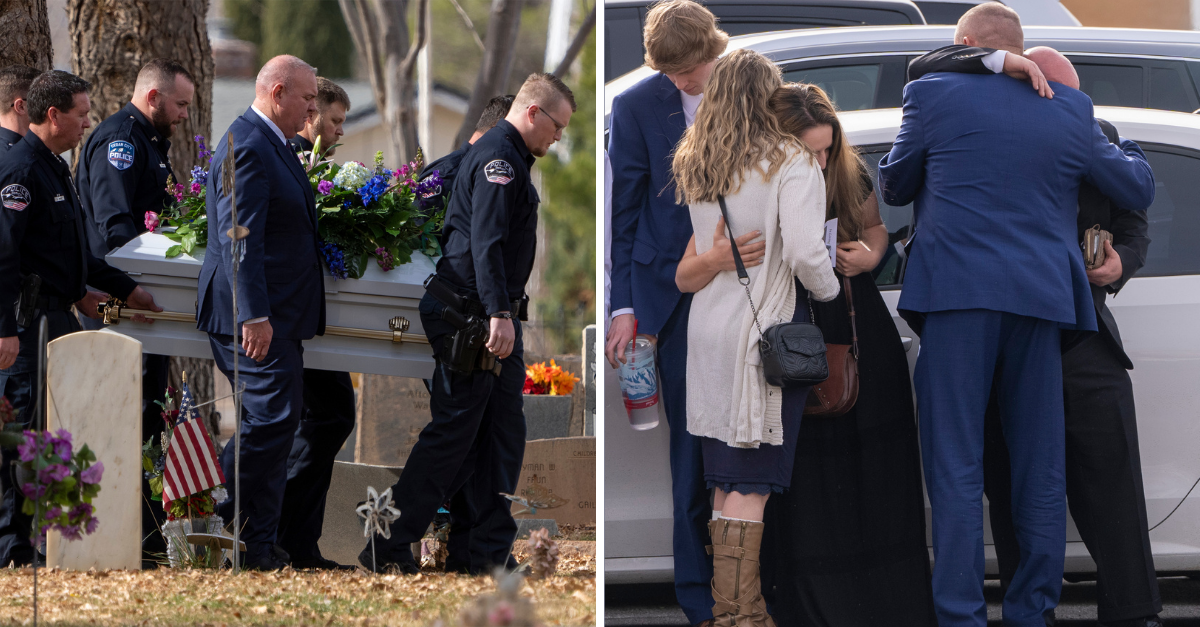
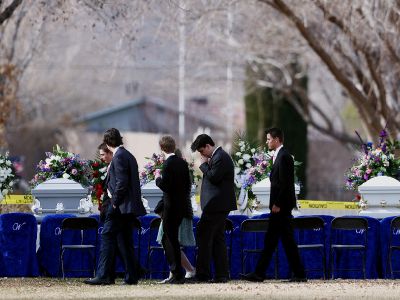
Funeral services were announced on January 9.
One ceremony, seven caskets, countless tears.
Names spoken aloud that should have been spoken decades from now.

On January 10, experts spoke publicly about what had happened.
They placed the tragedy within a broader, darker pattern of family annihilations.
They emphasized resources, protective orders, and intervention as tools that can save lives.
A professor from the University of Utah
explained that prevention begins long before violence erupts.
It begins with believing victims.
It begins with taking fear seriously.

Organizations like the Utah Domestic Violence Coalition were highlighted as critical lifelines.
Support systems exist, but only if they are used.
Only if people know they are not alone.
The following day, Spencer Cox addressed the tragedy publicly.
He spoke not as a politician, but as a grieving father and neighbor.
He acknowledged the pain carried by the entire state.
His administration had proposed more than $50 million for domestic violence prevention.
The timing felt cruelly symbolic.
As if help had arrived just moments too late.
One year later, Enoch still remembers.
Not as a headline.
But as an absence that never leaves.

Classrooms still feel quieter.
Playgrounds still feel wrong.
Birthdays still come with the echo of who should be there.
This story is not just about what happened inside one home.
It is about how private suffering can turn catastrophic when it is ignored.
It is about how love, control, fear, and despair can twist into something lethal.
It is also about the people left behind.
The relatives who wake up every morning carrying names instead of voices.
The community that will forever mark time as “before” and “after.”
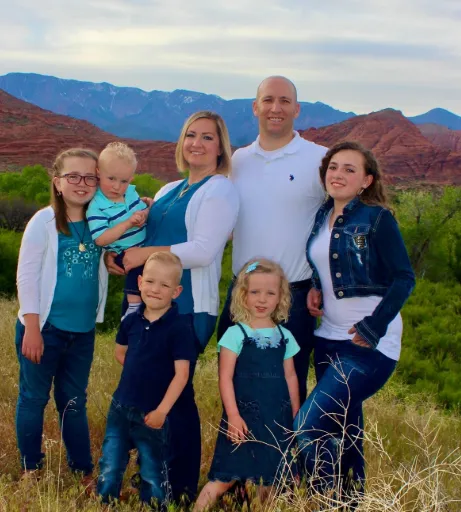
The Haight children are remembered not for how they died, but for how they lived.
For laughter that once filled that house.
For futures that deserved to unfold naturally.
Their mother is remembered for trying to leave.
For taking a step toward safety.
For trusting that change was possible.
Her mother is remembered for showing up.
For staying.
For standing beside her daughter when she needed her most.
And the question remains, as it always does.
What more could have been done.
And how do we make sure this never happens again.
Because remembrance alone is not enough.
It must be paired with action.
With listening, believing, and protecting those who ask for help.
In Enoch, the house still stands.
But the silence inside it tells a story that will never fade.
A story written in lives lost, and in a community forever changed.
A Family Begins to Heal After Unimaginable Loss.268

In a quiet California community, a family is facing a grief that feels impossible to bear. The bodies of a missing mother and her 8-month-old baby were recently discovered in a canal, ending days of uncertainty but beginning a journey of sorrow for those left behind.
Whisper Owen, the young child of the missing mother, now confronts a reality no one should ever face. His brother, Richard, spoke with a heavy heart about the impact of the discovery. “It’s devastating,” he said, pausing to gather himself. “But at least now we can start the process of grieving. It means we can begin finding some way to move forward, to accept this loss.”

Richard’s words reflect both the pain and the faint glimmer of resilience that a family clings to in the aftermath of tragedy. The mother’s absence is a void that will never be filled, and the loss of the baby leaves an emptiness that echoes through their home. Yet, Richard emphasizes the responsibility they now bear toward the children who remain. “She has other children that have to find a way to move on without their mother and without their baby sister,” he said, his voice tinged with sorrow but also determination.
Neighbors and friends have rallied around the family, offering quiet acts of kindness—bringing meals, lending a listening ear, and holding the grieving in their thoughts and prayers. In the early days, the community has come together in small but meaningful ways, lighting candles and leaving flowers at the canal where the tragedy unfolded, honoring the lives that were lost and standing as a testament to collective compassion.
For the family, every day is a delicate balance between mourning and moving forward. Each photograph, each memory, each whispered story carries both comfort and pain. The mother’s laughter, the baby’s tiny hands—these fragments of life are now treasures to hold close, bittersweet reminders of love lost too soon.
Grief is a path without a map, yet even in the darkest moments, there is a thread of hope. Richard’s words convey a quiet resilience, a promise to protect and nurture the family that remains, to honor the memory of those taken, and to find strength in shared love.
As the days unfold, the family leans on one another, holding onto prayers, memories, and the support of their community. Though the loss is profound, the bonds of family and the human capacity for compassion provide a path forward—a reminder that even in heartbreak, hope can take root, and love can endure beyond the unthinkable.



ENOCH, Utah is a quiet place by design.
A town where streets end softly, where neighbors recognize each other’s cars, where the rhythm of life is measured in school drop-offs, church meetings, and the turning of seasons.
On January 4, 2023, that rhythm was shattered in a way the community will never fully recover from.
It began as a welfare check.
The kind of call police officers answer every day, often ending with reassurance, a knock on the door, a relieved family member.
Instead, it led them to a house near 4900 North and Albert Drive, and to a silence so heavy it felt unnatural.
Inside the home, eight people were found dead.
Seven of them were victims.
Five of them were children.
Authorities would later confirm that Michael Haight, 42, had taken the lives of his wife, his children, and his mother-in-law before turning the gun on himself.
The weight of that sentence still feels impossible to carry, even a year later.
It is not a fact that settles into the mind easily.
His wife, Tausha Haight, was 40 years old.
Her mother, Gail Earl, was 78.
Five children were killed alongside them, their lives stopped before they had truly begun.
There was Macie, 17 years old, standing at the edge of adulthood.
There was Briley, 12, an age still defined by childhood curiosity.
There was Ammon, Sienna, and Gavin, the youngest only four years old.
The details emerged slowly, each one landing like another stone on an already broken heart.
Court documents revealed that Tausha had filed for divorce on December 21, 2022.
Her mother had been staying at the home, offering support during a painful transition.
Michael had been living in the basement.
Divorce papers were served on December 27.
Within days, an entire family would be gone.
Officials acknowledged that police had been called to the residence in years prior.
They confirmed there had been previous interactions, previous concerns.
They declined to share details, leaving behind a familiar ache of unanswered questions.
What warnings were missed.
What fear went unspoken.
What might have changed the outcome.
In Enoch, grief did not arrive quietly.
It poured into homes, classrooms, and church pews all at once.
Parents hugged their children tighter without fully understanding why.
A private mourning service was held at the local stake center.
People gathered not for answers, but for each other.
In moments like this, community becomes the only thing that makes the weight survivable.
One man brought a specially trained service dog named Cooper.
Not to fix the pain.
But to offer comfort where words failed.
On January 6, Tausha’s brother, Terry Earl, released a statement on behalf of the family.
He thanked the community for prayers, love, and kindness.
Even in devastation, gratitude found a voice.
A GoFundMe was created.
More than $100,000 was raised over the following year.
Money could not undo the loss, but it stood as proof that the family had not been forgotten.
Funeral services were announced on January 9.
One ceremony, seven caskets, countless tears.
Names spoken aloud that should have been spoken decades from now.
On January 10, experts spoke publicly about what had happened.
They placed the tragedy within a broader, darker pattern of family annihilations.
They emphasized resources, protective orders, and intervention as tools that can save lives.
A professor from the University of Utah
explained that prevention begins long before violence erupts.
It begins with believing victims.
It begins with taking fear seriously.
Organizations like the Utah Domestic Violence Coalition were highlighted as critical lifelines.
Support systems exist, but only if they are used.
Only if people know they are not alone.
The following day, Spencer Cox addressed the tragedy publicly.
He spoke not as a politician, but as a grieving father and neighbor.
He acknowledged the pain carried by the entire state.
His administration had proposed more than $50 million for domestic violence prevention.
The timing felt cruelly symbolic.
As if help had arrived just moments too late.
One year later, Enoch still remembers.
Not as a headline.
But as an absence that never leaves.
Classrooms still feel quieter.
Playgrounds still feel wrong.
Birthdays still come with the echo of who should be there.
This story is not just about what happened inside one home.
It is about how private suffering can turn catastrophic when it is ignored.
It is about how love, control, fear, and despair can twist into something lethal.
It is also about the people left behind.
The relatives who wake up every morning carrying names instead of voices.
The community that will forever mark time as “before” and “after.”
The Haight children are remembered not for how they died, but for how they lived.
For laughter that once filled that house.
For futures that deserved to unfold naturally.
Their mother is remembered for trying to leave.
For taking a step toward safety.
For trusting that change was possible.
Her mother is remembered for showing up.
For staying.
For standing beside her daughter when she needed her most.
And the question remains, as it always does.
What more could have been done.
And how do we make sure this never happens again.
Because remembrance alone is not enough.
It must be paired with action.
With listening, believing, and protecting those who ask for help.
In Enoch, the house still stands.
But the silence inside it tells a story that will never fade.
A story written in lives lost, and in a community forever changed.
A Family Begins to Heal After Unimaginable Loss.268
In a quiet California community, a family is facing a grief that feels impossible to bear. The bodies of a missing mother and her 8-month-old baby were recently discovered in a canal, ending days of uncertainty but beginning a journey of sorrow for those left behind.
Whisper Owen, the young child of the missing mother, now confronts a reality no one should ever face. His brother, Richard, spoke with a heavy heart about the impact of the discovery. “It’s devastating,” he said, pausing to gather himself. “But at least now we can start the process of grieving. It means we can begin finding some way to move forward, to accept this loss.”
Richard’s words reflect both the pain and the faint glimmer of resilience that a family clings to in the aftermath of tragedy. The mother’s absence is a void that will never be filled, and the loss of the baby leaves an emptiness that echoes through their home. Yet, Richard emphasizes the responsibility they now bear toward the children who remain. “She has other children that have to find a way to move on without their mother and without their baby sister,” he said, his voice tinged with sorrow but also determination.
Neighbors and friends have rallied around the family, offering quiet acts of kindness—bringing meals, lending a listening ear, and holding the grieving in their thoughts and prayers. In the early days, the community has come together in small but meaningful ways, lighting candles and leaving flowers at the canal where the tragedy unfolded, honoring the lives that were lost and standing as a testament to collective compassion.
For the family, every day is a delicate balance between mourning and moving forward. Each photograph, each memory, each whispered story carries both comfort and pain. The mother’s laughter, the baby’s tiny hands—these fragments of life are now treasures to hold close, bittersweet reminders of love lost too soon.
Grief is a path without a map, yet even in the darkest moments, there is a thread of hope. Richard’s words convey a quiet resilience, a promise to protect and nurture the family that remains, to honor the memory of those taken, and to find strength in shared love.
As the days unfold, the family leans on one another, holding onto prayers, memories, and the support of their community. Though the loss is profound, the bonds of family and the human capacity for compassion provide a path forward—a reminder that even in heartbreak, hope can take root, and love can endure beyond the unthinkable.