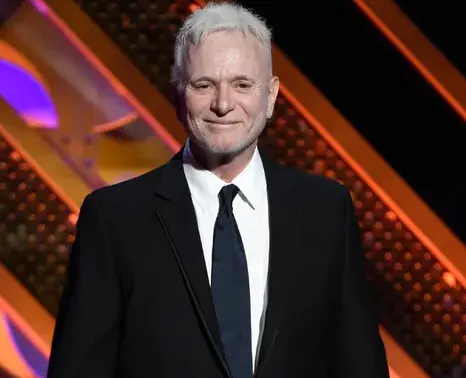
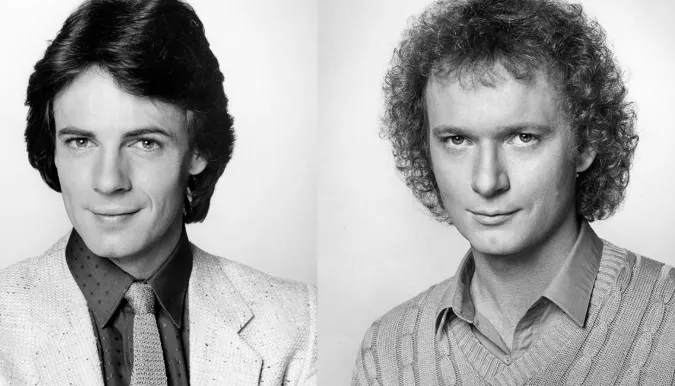
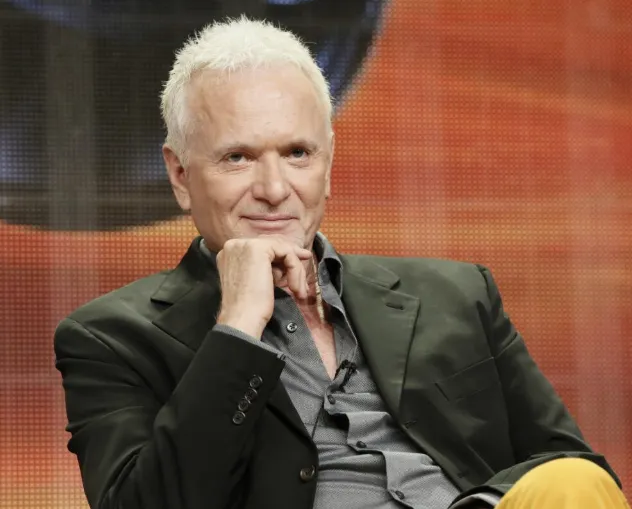
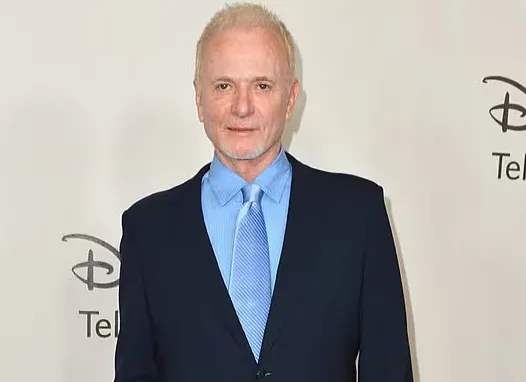
A Legend Exits the Stage: Tony Geary, 78, Has Passed Away.5688
There are losses that don’t arrive like breaking news, but like a hush slipping through a room where everyone suddenly understands the same thing at once.
General Hospital community is describing the death of Anthony “Tony” Geary, the actor whose presence helped define an era of daytime television, and whose absence now feels impossible to measure.
Geary died on December 14, 2025, in Amsterdam, at the age of 78, after complications related to a surgical procedure, a detail that makes the sadness sharper because it sounds so ordinary and so final.
For longtime viewers, the name Tony Geary doesn’t just recall a performer, it opens a doorway to decades of afternoons, family routines, and storylines that somehow became part of the furniture of people’s lives.
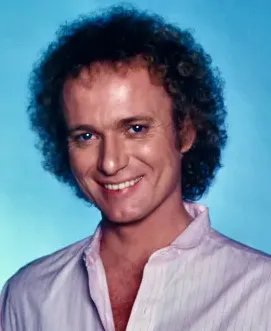
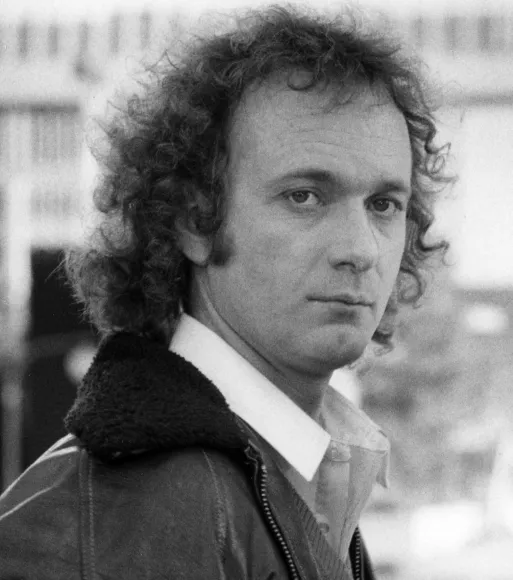
He was Luke Spencer, and even saying that out loud still feels like saying a character’s name instead of a real person’s, because Luke long ago stopped being “a role” and started being a shared memory.
Luke arrived as a complicated anti-hero, the kind of man who could be charming and infuriating in the same breath, and Geary played him with the fearless precision of someone who understood that flaws are often what make a character unforgettable.
Daytime TV has seen plenty of leading men, but not many who could tilt a scene with a glance, derail a conversation with a half-smile, and still leave you believing that beneath the swagger there was a bruise you couldn’t quite name.
That’s the part fans are grieving today, because it wasn’t only Luke’s story they followed, it was Geary’s particular electricity that made the story feel alive, restless, and strangely intimate.
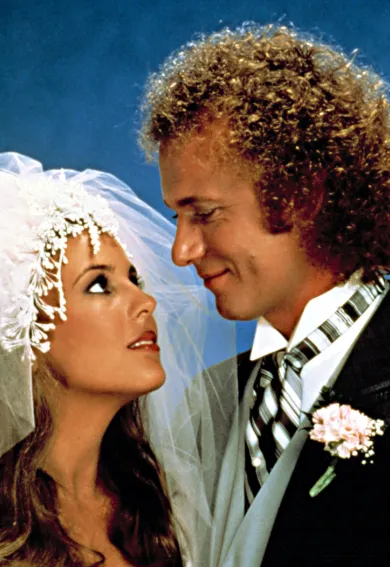
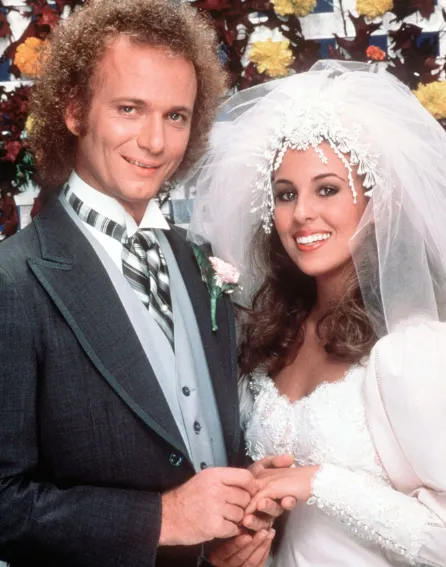
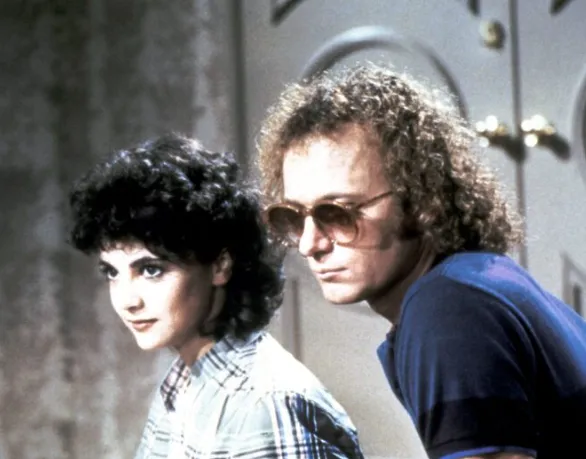
His legacy is inseparable from the Luke-and-Laura phenomenon, the pop-culture tidal wave that turned a soap opera romance into a national event and made General Hospital feel, for a time, like the center of America’s living rooms.
he 1981 wedding of Luke and Laura drew an audience reported at around 30 million viewers, a number that still reads like a myth in the modern age of fragmented screens and endless options.
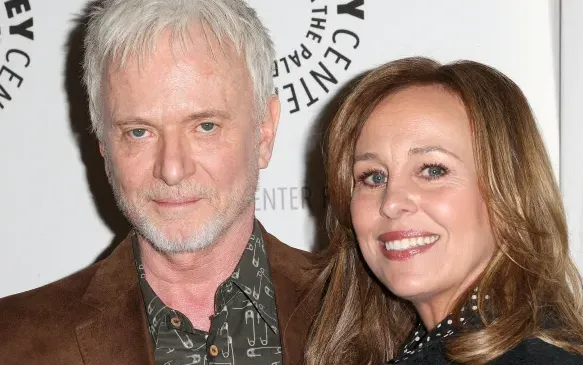
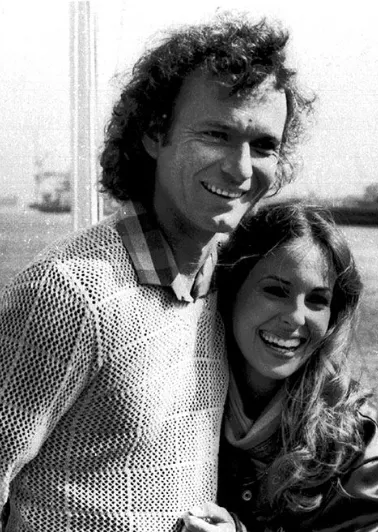
But the truth is that millions showed up because Tony Geary and Genie Francis made the emotions feel larger than the set, larger than the camera, larger than the idea that it was “just a show.”
In the hours after the news broke, Francis shared a tribute that carried the rawness of someone mourning not a headline, but a bond, speaking about the shock of realizing he was gone.
It is one thing to admire a co-star, and another thing entirely to build an on-screen partnership so iconic that it becomes a language viewers use to describe love, chaos, loyalty, and betrayal for years afterward.
People keep using the same words about Geary—“brilliant,” “one of a kind,” “the bar”—because that is what truly great actors do to the people around them, they raise the ceiling without announcing they’re doing it.
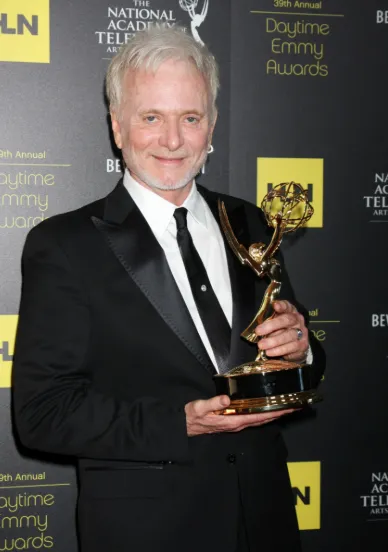
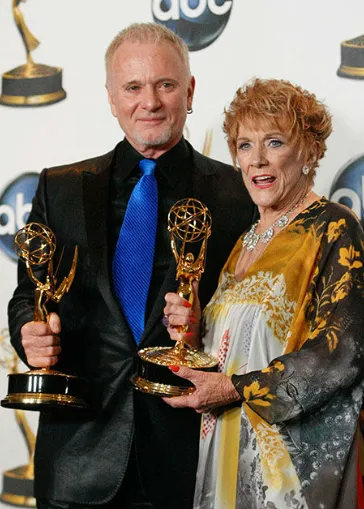
He won a record eight Daytime Emmy Awards for his work, but even that achievement feels like the smallest way to describe what he meant, because awards count moments while his influence stretched across generations.
If you talk to fans, they won’t list trophies first, they’ll talk about specific scenes, specific tones of voice, the way Luke could walk into a room and instantly make the air feel more dangerous, more funny, or more tender.
They’ll talk about how Luke’s humor wasn’t just comedic relief, but a shield, and how Geary let you see both the shine of the shield and the trembling hand holding it.
They’ll talk about the strange comfort of knowing Luke Spencer existed somewhere in the universe of Port Charles, stirring up trouble, breaking hearts, stitching people back together, and occasionally surprising everyone by doing the right thing.
And then the conversation always drifts to the harder truth, the one that makes people pause mid-sentence, which is that the man behind that force is gone now, and no rewrite can bring him back.
Outside the spotlight, Geary lived a quieter life in Amsterdam, and the details that surface now—small, domestic, human—make the public grief feel more personal.
He shared his life with his husband, Claudio Gama, a partner of more than 30 years, and reports note they met in 1995 and married in 2019, a timeline that reads like devotion measured in decades rather than announcements.
It was Gama who confirmed the death, and the General Hospital family directed its condolences toward him, because even the biggest legends leave behind someone who simply misses the sound of their footsteps at home.
This is the quiet heartbreak behind every public tribute: while the world mourns a career, a spouse mourns a person, the daily presence, the private jokes, the life that never needed an audience.
Still, the industry response matters, because it’s how a community says, “We saw what you gave, and we know we are different because you were here.”
The AP reports describe Geary’s career beyond General Hospital, including other TV appearances and a stage life, but the role of Luke Spencer remained the gravitational center of how most people met him.
That isn’t a limitation, it’s a testament, because it takes something rare to embody a character so fully that the character becomes a kind of folklore, passed down from older viewers to younger ones like a story you insist is worth hearing.
Even people who drifted away from the show still remember the feeling of his scenes, the way he could shift from playful to haunted so smoothly you barely noticed the seam.
And that is why the grief today feels larger than a typical celebrity farewell, because Tony Geary didn’t only entertain, he helped shape a ritual, the steady rhythm of daytime storytelling that kept people company through ordinary days and extraordinary pain.
In moments like this, fans often realize that what they loved was not simply drama, but continuity, the comfort of a familiar world where characters aged alongside them, where heartbreak was survivable because the next episode always came.
Now the next episode will still come, because television never stops, but something essential has changed, because the standard-bearer is gone, and everyone who cared can feel the weight of that absence.
What remains is a legacy that won’t sit quietly in a memorial post, but will keep resurfacing in clips, in rewatches, in conversations that begin with “Do you remember when Luke…,” and end with someone smiling through tears.
And perhaps that is the final gift of a performer like Tony Geary: he leaves behind a thousand doorways back into emotion, back into memory, back into the strange, beautiful truth that a story on a screen can become part of a life.
May he rest in peace, and may the people who loved him most—especially Claudio, and everyone who called him family on and off set—feel held by the enormous echo of what he meant.
Coverage and tributes on Anthony “Tony” Geary’s death.
The Man with the Golden Arm: How One Blood Donor Saved 2.4 Million Babies.779
At the age of 13, James Harrison’s life nearly came to an end. He had undergone major chest surgery, and in the process, he required an astonishing 13 liters of donated blood. Without those anonymous donors, young James would not have survived. Lying in his hospital bed, overwhelmed with gratitude and humility, he made a simple vow to himself: “When I’m old enough, I’ll give back.”
James was just a boy then, but that promise would shape not only his own life—it would change the fate of millions of others.
When he turned 18, James kept his word and began donating blood. What he didn’t know was that his blood was anything but ordinary. Doctors discovered something extraordinary: within his plasma was a rare antibody that could prevent a deadly condition called Rhesus disease. This disease occurs when a pregnant woman’s blood attacks the blood cells of her unborn baby, leading to severe anemia, brain damage, or even death.
At the time, Rhesus disease was devastating thousands of families across Australia. Babies were dying, mothers were suffering miscarriages, and doctors were desperate for a solution. James’s blood, with its unique antibody, provided the key.
Working with his plasma, scientists developed an injection known as Anti-D, a vaccine given to pregnant women whose blood type put their babies at risk. This treatment became a breakthrough in modern medicine, protecting unborn children from the complications of Rhesus disease. Suddenly, what had been a tragedy for countless families could now be prevented—all because of one man’s blood.
From then on, James dedicated his life to donating. He didn’t stop after a few years, or even a few decades. Every few weeks, without fail, he rolled up his sleeve and gave again and again. In total, James donated over 1,100 times across more than 60 years. His plasma went into the creation of vaccines that saved an estimated 2.4 million babies worldwide.
Among those lives was one especially close to home: his own grandson, who was born healthy thanks to the very treatment made possible by James’s rare blood. For James, this wasn’t about fame or recognition. When newspapers and television shows began calling him “The Man with the Golden Arm”, or when the nation honored him as a hero, he brushed it off with quiet humility. “I just think it’s the right thing to do,” he said simply.
Eventually, James had to stop donating at the age of 81, when Australian regulations required him to retire from the donor program. It was an emotional moment, not just for him but for the entire medical community and countless families who owed him their children’s lives.
His story is a reminder that sometimes the greatest legacies come not from wealth, power, or invention, but from the quiet, consistent generosity of one person who chooses to give. James Harrison didn’t just keep his childhood promise—he gave the gift of life to millions.
And all it took was an arm that was, indeed, golden.