The mountains of Utah are often described as places of beauty, challenge, and quiet reflection.
They are where families hike, where memories are made, where people go to feel small beneath something larger than themselves.
But on October 12, that beauty turned hostile.
And what was meant to be a “once-in-a-lifetime” experience became a nightmare that nearly cost three young children their lives.
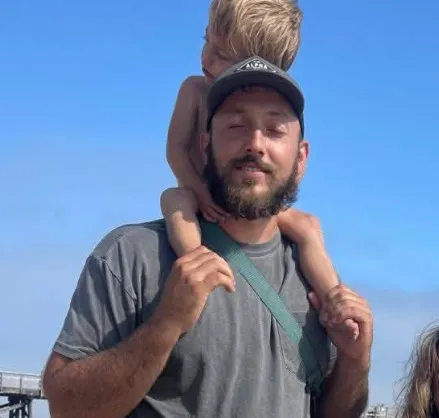
Micah Smith, a Utah father, is now facing charges of aggravated child abuse and torture after taking his three children — ages 2, 4, and 8 — on a grueling nine-mile mountain hike as a powerful storm moved in.
It was not a casual trail.
It was not recommended for beginners.
It was not suitable for young children.
And as snow and hail began to fall, the mountain showed no mercy.

According to court documents, Smith began the hike earlier that day, believing preparation meant buying snacks, new socks, and new shoes for his children.
What he did not do, investigators say, was check the weather.
That omission would prove nearly fatal.
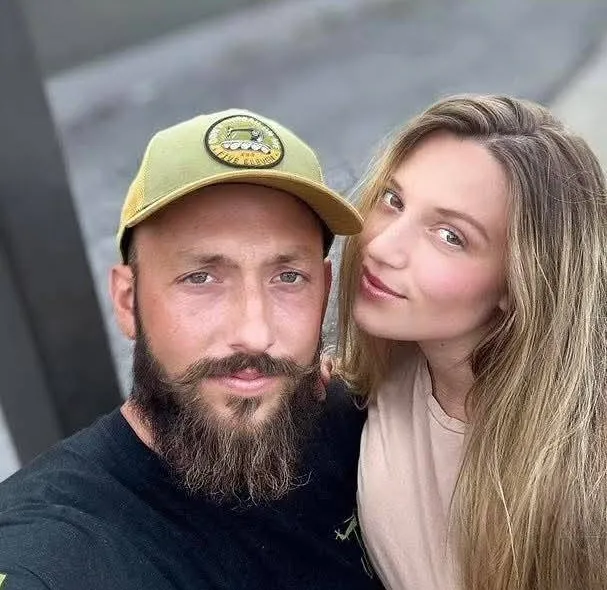
As the day wore on, conditions worsened rapidly.
By the time the family reached the summit around 6 p.m., hail and snow had begun to fall, and temperatures were dropping fast.
The light was fading.
The wind was rising.
The mountain was changing.
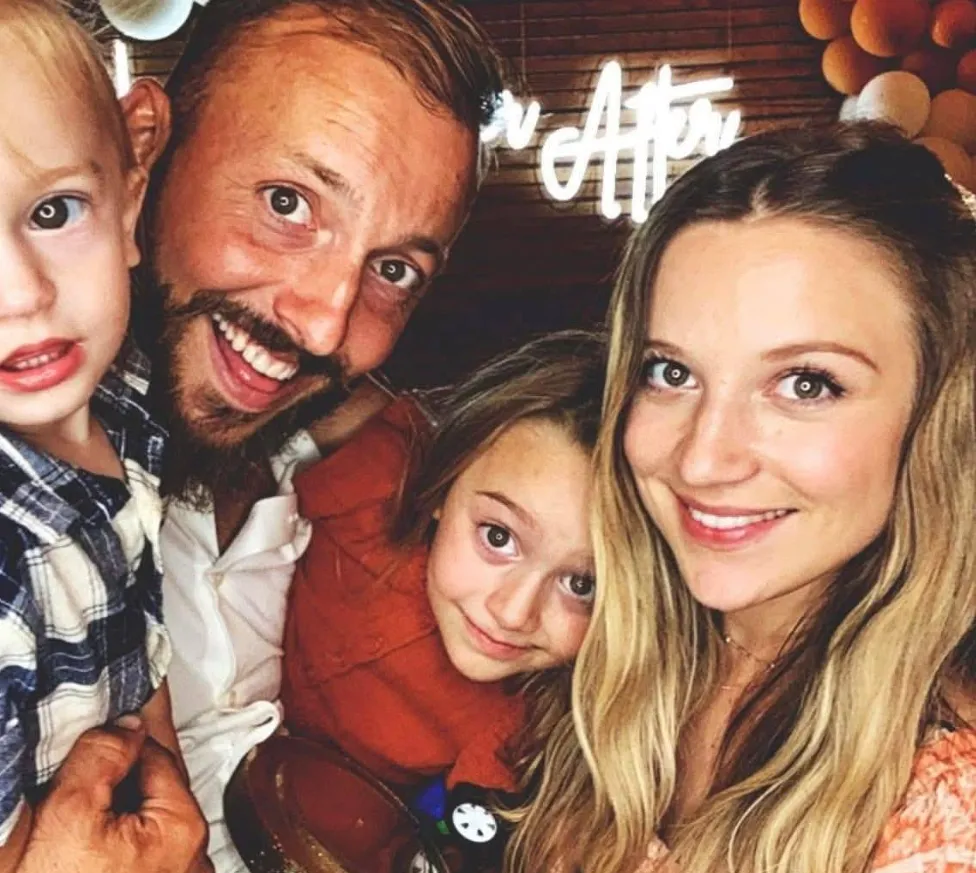
Instead of turning back immediately, Smith stayed.
Two hours later, around 8 p.m., they attempted to descend.
But they only made it roughly 600 feet before disaster struck.
One of the children fell, hitting their head.
The injury left them unable to continue.
The family was now trapped — in darkness, in freezing temperatures, in a storm that was intensifying by the minute.

They would remain there overnight.
Investigators say Smith had no headlamp or flashlight and told authorities he was comfortable hiking in the dark.
This was despite his wife seeing photos of the incoming storm and urging him repeatedly to turn back.
Despite worsening conditions.
Despite the pleas of at least one child.
One of Smith’s daughters later told investigators she begged to leave as the storm intensified.
She said she was scared.
She said she wanted to go home.
Smith refused.
He allegedly told her this was a “once-in-a-lifetime thing.”
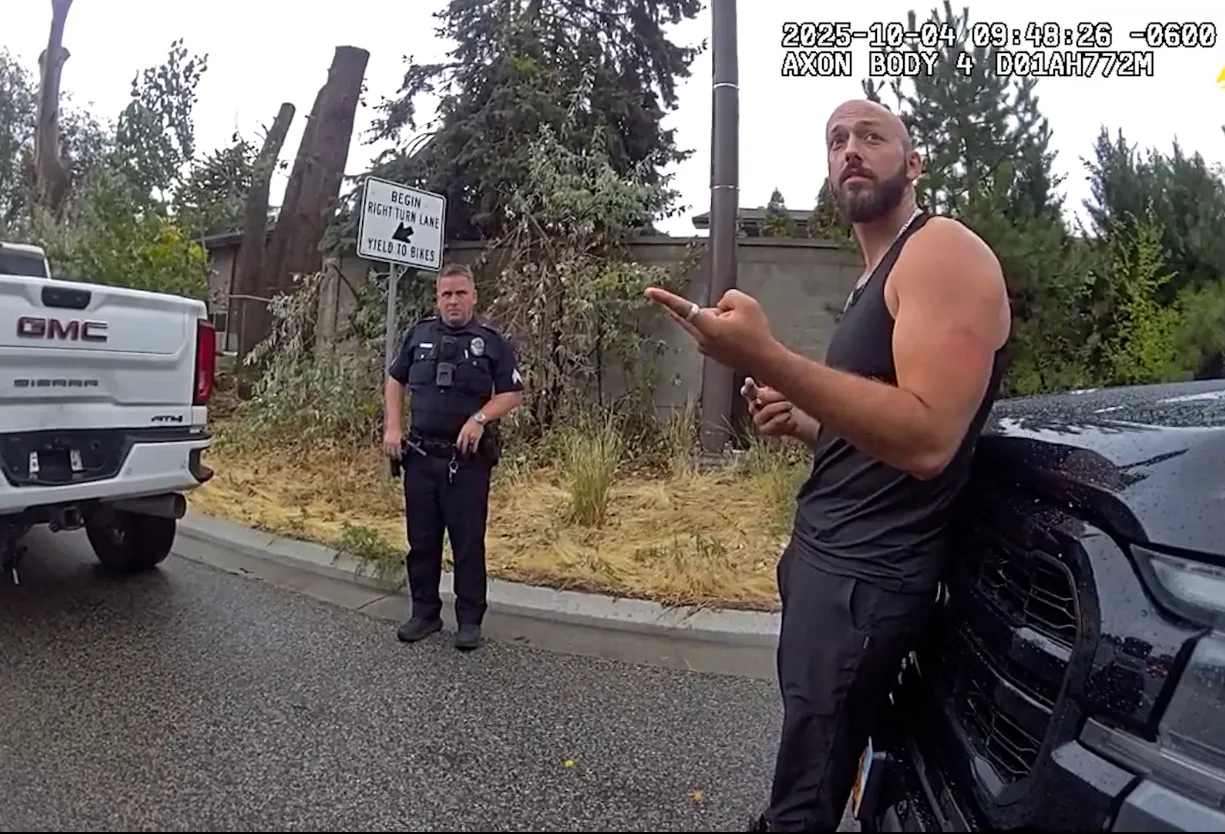
The storm did not care.
Temperatures plunged.
Snow accumulated.
The children, dressed inadequately for the conditions, began to suffer from hypothermia.
They were cold, wet, exhausted, and terrified.
At least one child lost consciousness.
Smith told investigators he performed CPR overnight on his son.
He also allegedly instructed his daughter on how to continue CPR if needed.
A child teaching another child life-saving measures in a freezing mountain storm is an image that has deeply disturbed prosecutors and first responders alike.
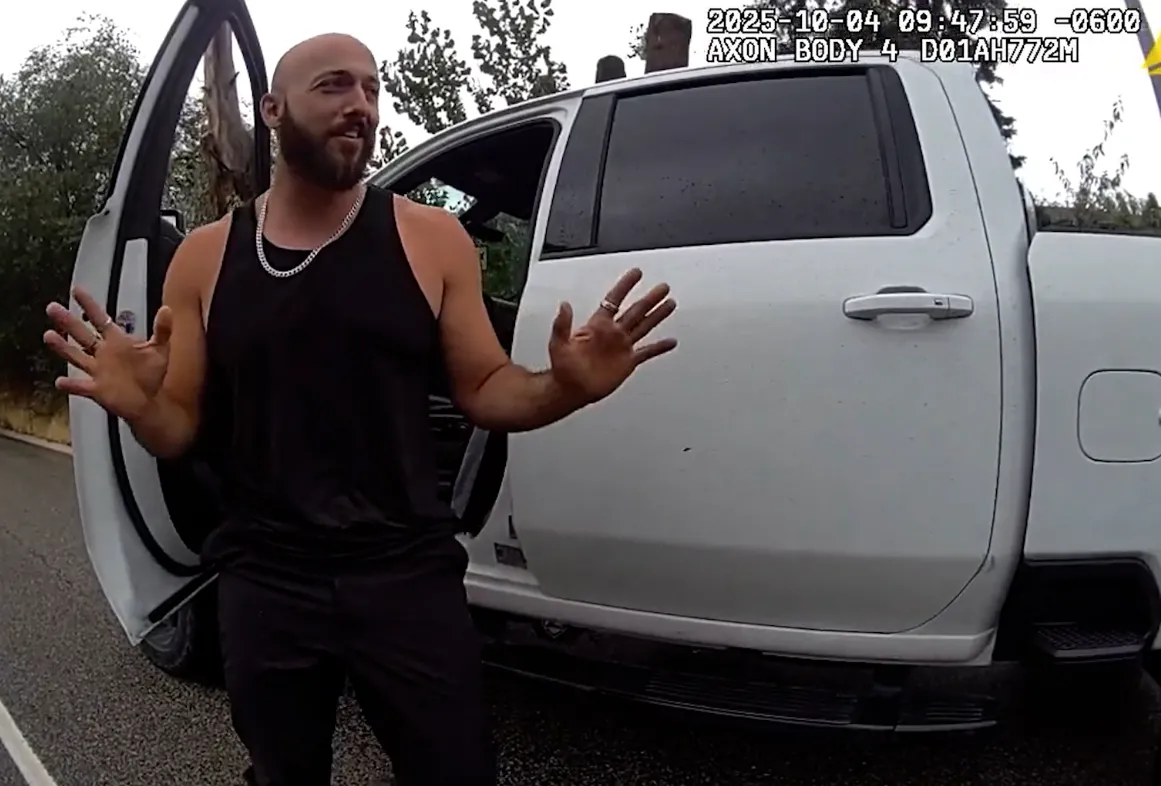
Search and Rescue teams were deployed when the family failed to return.
When they finally located Smith on the trail, rescuers documented what they described as a striking lack of concern for the children’s condition.
It was not panic they observed.
It was not urgency.
It was detachment.
A helicopter crew later located the children.
They were severely underdressed.
One child was unconscious.
Their body temperature had dropped to 62.6 degrees Fahrenheit — a level consistent with severe, life-threatening hypothermia.
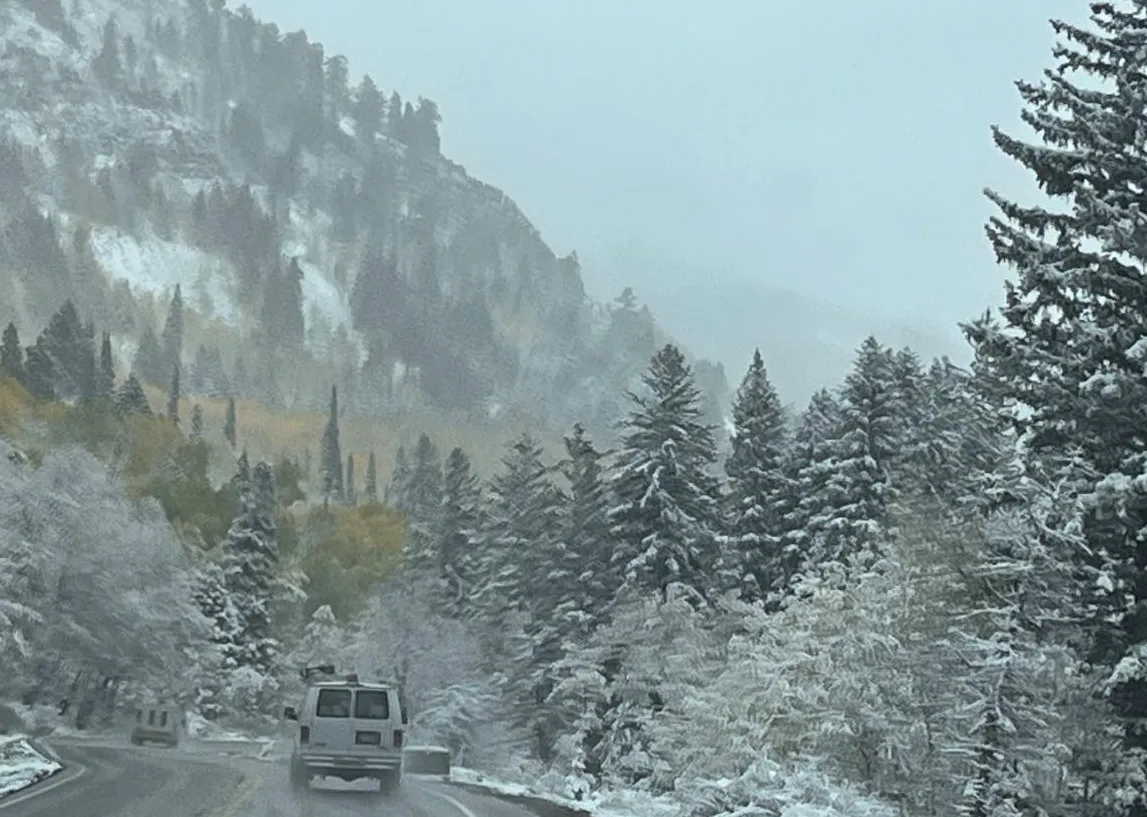
Emergency crews rushed the children to medical care.
One child fell into a coma.
Prosecutors say the evidence shows a clear pattern: repeated opportunities to turn back, repeated warnings, worsening weather, and direct pleas from both his wife and his children — all ignored in favor of reaching the summit.
“This was not an accident,” prosecutors stated.
“This was a series of deliberate choices that prioritized an objective over the safety of three defenseless children.”
Because of the severity of the allegations, prosecutors are seeking no bail.
They argue that Smith’s actions demonstrate a dangerous disregard for life, particularly the lives of his own children.
The legal system now faces a difficult task: determining where the line lies between poor judgment and criminal responsibility.
But for many who have read the court documents, that line feels painfully clear.
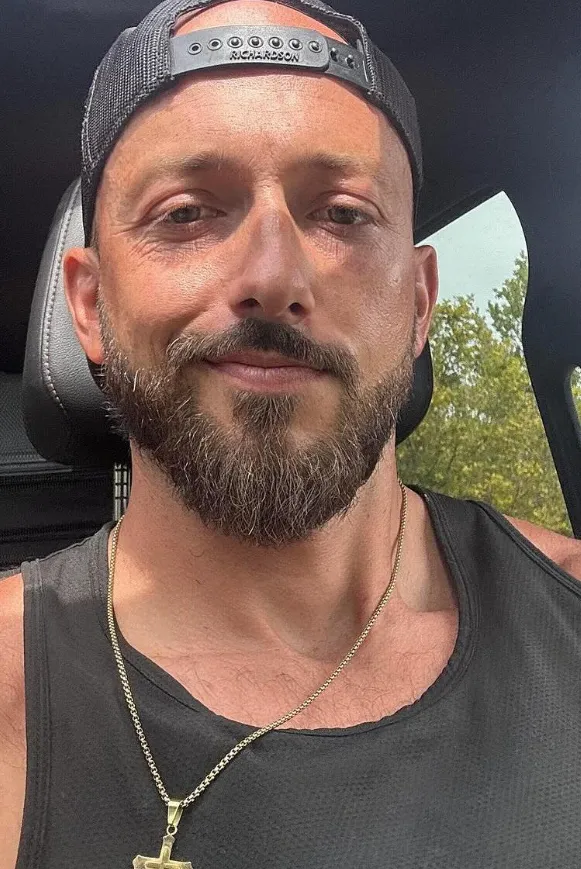
Mountain weather can change in minutes.
Experienced hikers know this.
Search and Rescue teams live by this reality.
Children, however, rely entirely on adults to make safe decisions for them.
The story has sparked widespread outrage and grief, particularly among parents.
Many have asked the same haunting question:
What does a child do when they are scared, freezing, and begging to leave — and the adult responsible for them says no?
There is, however, a small thread of hope woven into this devastating story.
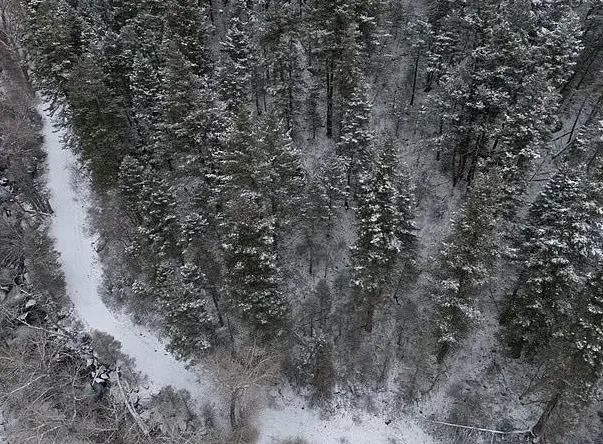
According to a GoFundMe update posted on November 10, the child who had fallen into a coma is now awake.
They are speaking in full sentences.
They are smiling.
They are steadily improving.
For many, that update brought a moment of relief — a reminder that survival is still possible, even after unimaginable danger.
But recovery does not erase trauma.
These children endured fear, cold, pain, and the terrifying uncertainty of whether they would survive the night.
Those memories do not simply fade.
This case stands as a brutal reminder of how quickly nature can turn deadly — and how children have no choice but to trust the decisions of the adults who lead them.
A storm does not negotiate.
A mountain does not forgive pride.
And once conditions turn, there is often no second chance.
As the legal process unfolds, the mountains of Utah remain unchanged.
Snow will fall again.
Trails will reopen.
Families will hike.
But for three children, the mountain will never just be a place of beauty again.
It will always be the place where fear replaced trust — and survival depended on strangers who arrived just in time.