A Heartbreaking Discovery and a Trail of Tampered Evidence: The Unanswered Questions in Kaniah’s Case

She was only eighteen.
One year out of high school.
A girl with soft laughter, a shy smile, and the kind of heart that made people feel seen.
Her name was Kaniah Jennings, and she had no way of knowing that the first week of November would be the last chapter of her young life.
On November 3, her family reported her missing.
At first, there was hope—desperate, burning hope—because families always hold on until there is nothing left to hold.
They believed she would walk back through the door, tired but safe, with a story to tell and arms ready for her mother’s embrace.
But the days passed slowly, painfully, each one sinking heavier into the chest of those who loved her.
The silence grew louder.
And the fear, once a whisper, became an ache that tightened with every hour she was gone.

On November 14, investigators from the Missouri State Highway Patrol discovered her body in rural Pemiscot County.
A quiet, lonely place—far from the warmth she deserved, far from the people who would have protected her if they could.
News like that doesn’t break all at once.
It shatters slowly.
Piece by piece.
Breath by breath.
For a mother, a father, siblings, friends—it changes the world in a single sentence.
But what happened to Kaniah didn’t end with the discovery.
It turned into a search for truth, for accountability, for the final pieces that might explain the unexplainable.
Investigators continued digging into the circumstances of her death, knowing that behind every terrible outcome lies a chain of decisions, moments, and people who intersected her path.
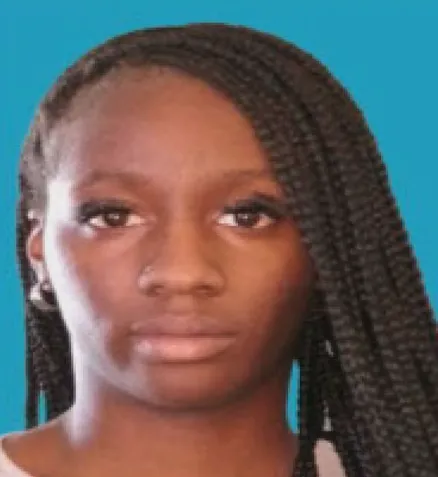
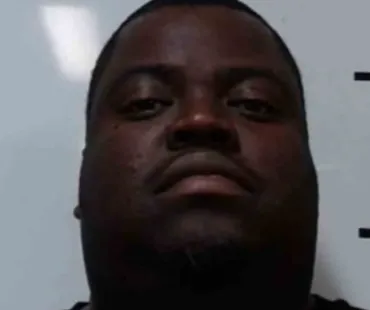
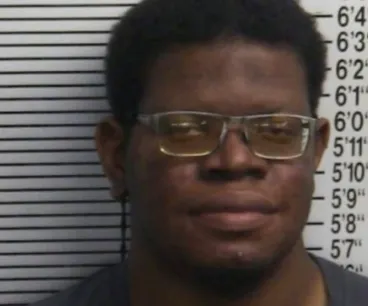
Three individuals were arrested during the investigation—not yet charged in direct connection with her disappearance, but undeniably tangled in the web of events that unfolded around her final days.
The weight of those arrests made something clear: Kaniah’s story was not a simple tragedy.
It was layered, complex, threaded through relationships and actions that now sat under a harsh, unforgiving light.
One of those individuals was 18-year-old Blake Patrick, arrested in Arkansas just a day after Kaniah vanished.
He was considered a person of interest—someone whose name appeared too often, whose proximity was too close, whose history raised too many questions.
Court records revealed accusations of stolen vehicles, felony stealing, and a troubling past marked by violence toward women.
The kind of past that makes investigators pause.
The kind that refuses to be ignored.

He appeared in court by video on November 13, expression distant, voice quiet, entering a plea of not guilty.
A bond hearing was set for November 20.
But the silence around him—his actions, his connections, his choices—felt heavier than anything spoken aloud.
Then came the two brothers: Donald Peoples Jr., 38, and Keenan Peoples, 34.
Their names became entwined with the case through digital footprints, deleted messages, and damaged evidence—pieces of a puzzle no family ever wants to see forming.
Court documents claimed one had destroyed text messages referencing his brother and another person being with a woman on the very day Kaniah disappeared.
Those same documents stated she had last been seen at Keenan Peoples’ house.
A detail that would haunt any mother reading it.

Keenan himself faced accusations of damaging and burning a DVR security system—technology that might have held the truth, or at least a fraction of it.
Investigators found the device mangled in a burn pile on his property, twisted metal and melted plastic that once held answers.
Now it held only silence.
Tampering with evidence is not a small charge.
Destroying it is even worse.
For the family waiting for closure, it felt like another crack in an already breaking world.
All three men appeared in court by video conference, each entering not guilty pleas, each held without bond.
Court dates were scheduled.
Hearings were arranged.
But no amount of legal movement could soothe the grief weighing on the hearts of those who loved Kaniah.
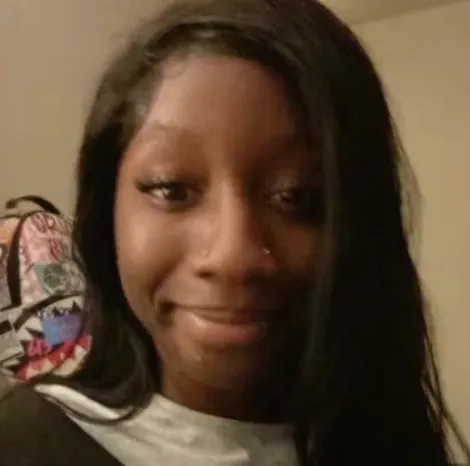
Because behind all the documents, the charges, the hearings, and the headlines was a girl who should have lived.
A girl whose dreams were still unfinished.
A girl who deserved safety, joy, and the chance to grow old.
She had family members who loved her, friends who laughed with her, teachers who saw promise in her, a community that now whispered her name with sorrow.
When someone young is taken, the world itself feels smaller.
Quieter.
Less forgiving.
People look at their own daughters, nieces, sisters, and feel a ripple of fear that this—this nightmare—could happen to anyone.
And yet, in the middle of the heartbreak, there is something else.
A kind of strength.
A promise.
A quiet determination that her life will not fade into a headline or become just another statistic.
Those who loved her hold on to her memory with fierce tenderness.
They remember her voice, her warmth, her dreams, her laughter—the everyday moments that form the true story of a life.
Investigators continue their work, piece by piece, hour by hour, determined to uncover the truth.
They know the family deserves answers.
They know a community is waiting.
They know an eighteen-year-old girl should not have been found where she was, and not under the circumstances that now remain shrouded in uncertainty.
Justice, in cases like this, moves slowly.
Too slowly for the ones grieving.
But with every interview, every document, every search, they move closer to the truth—whatever form that truth may take.
And while the legal process unfolds, the memory of Kaniah grows brighter in the hearts of those who refuse to let her story end with sorrow alone.
They speak her name.
They honor her life.
They carry her forward.
Because a life as young and full of promise as hers deserves to be remembered—not for the tragedy, but for the light she once carried.

Her story is not over.
Not yet.
As long as there are people seeking justice, seeking truth, seeking the why behind the heartbreak, Kaniah remains more than a victim.
She remains a daughter.
A loved one.
A young woman whose life touched others in ways that cannot be erased.
Grief bends people.
But love—love makes them stand again.
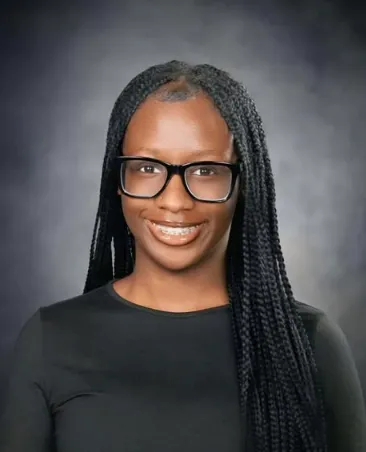
And for Kaniah Jennings, there is still love stronger than sorrow, louder than silence, brighter than the darkest November day.
A love determined that her memory will not be lost.
That her voice will not fade.
That her story, though painfully shortened, will continue to echo in the hearts of those who knew her—and those who now mourn her across communities far beyond Missouri.
She mattered.
She still matters.
And those who loved her will make sure the world never forgets.
The Hands That Once Held Them Became the Hands That Ended It All.2401
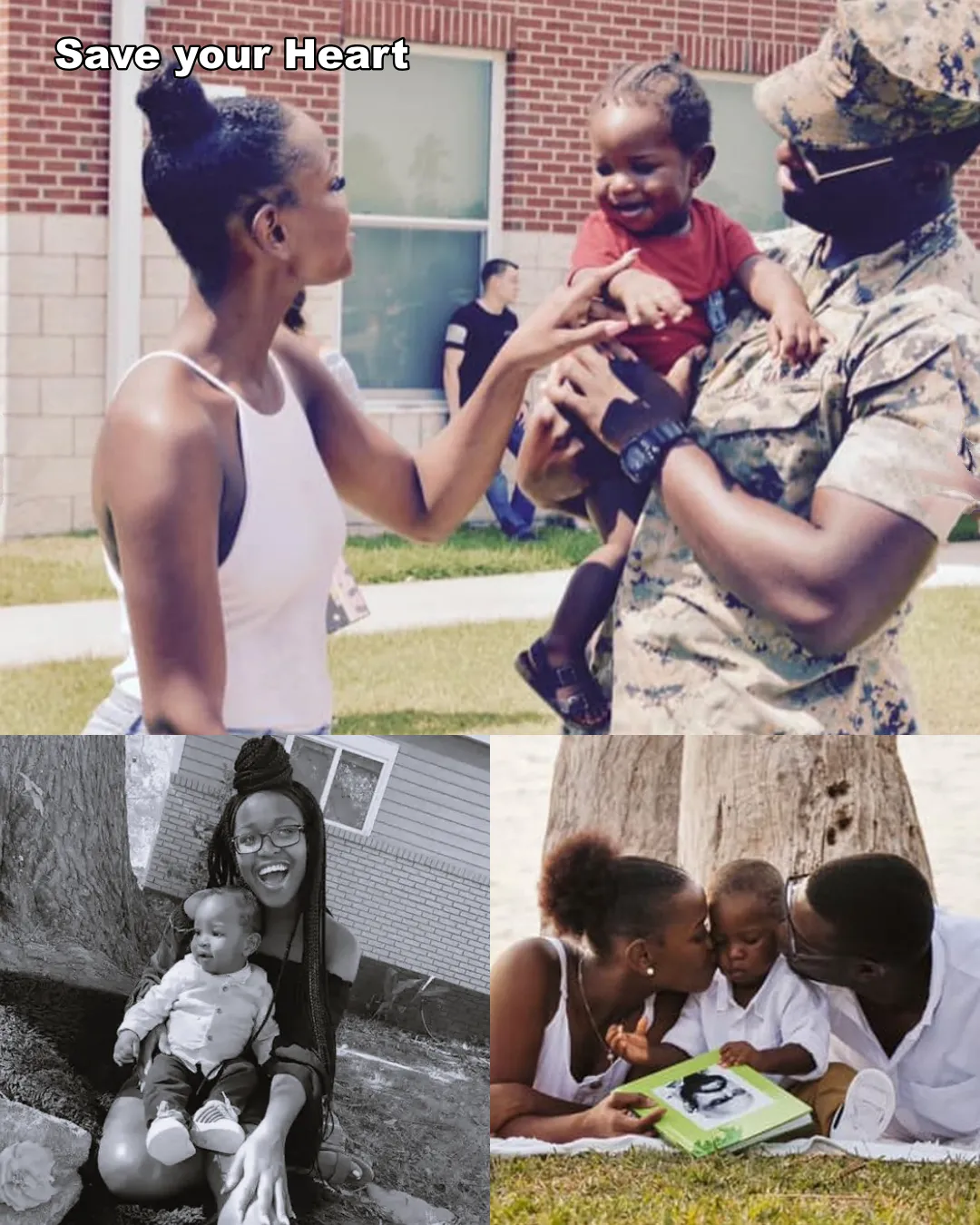
There are stories that feel too heavy for words.
Stories that shouldn’t have to be told — yet must be, because silence would be another injustice.
This is one of them.
Tamacia Wilder was 25.
Her little boy, Roy, was just two.
Together, they were a small world unto themselves — a mother and son bound by laughter, bedtime songs, and the kind of love that fills a room without sound.
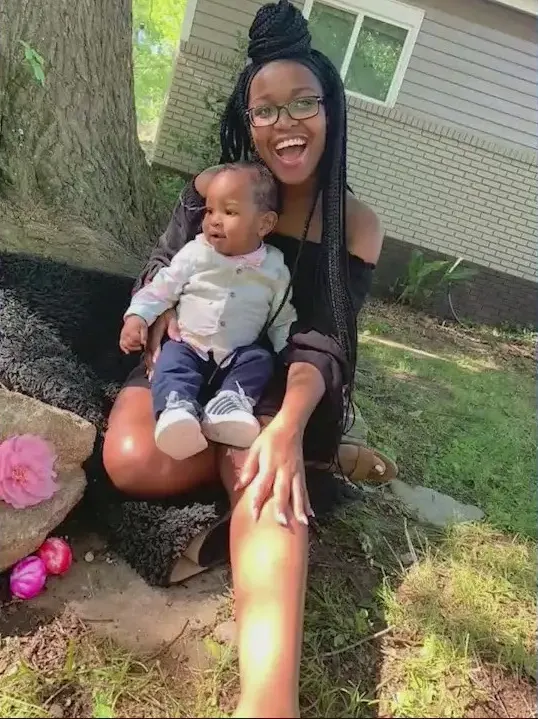
But that world was shattered in an instant.
They were found lifeless — both victims of severe blunt-force trauma, the kind of violence that leaves even seasoned investigators shaken.
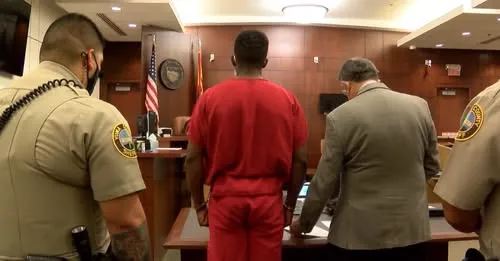
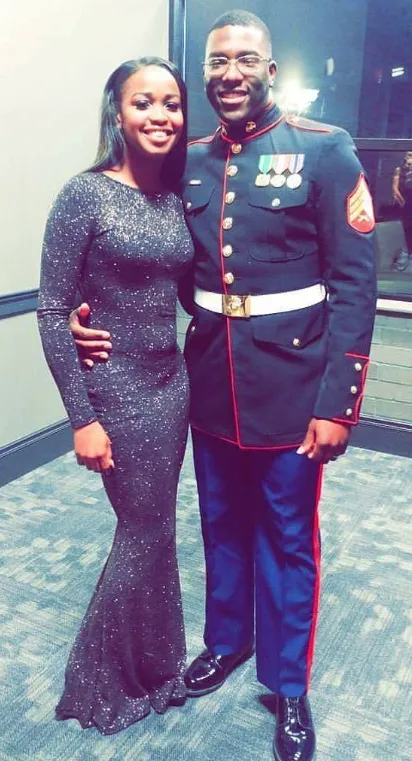
The man accused of ending their lives was Trevon Emmanuel Wilhite, a 28-year-old retired Marine.
Someone Tamacia knew.
Someone she once trusted.
Someone who, for reasons still unclear, turned their home into a place of horror.
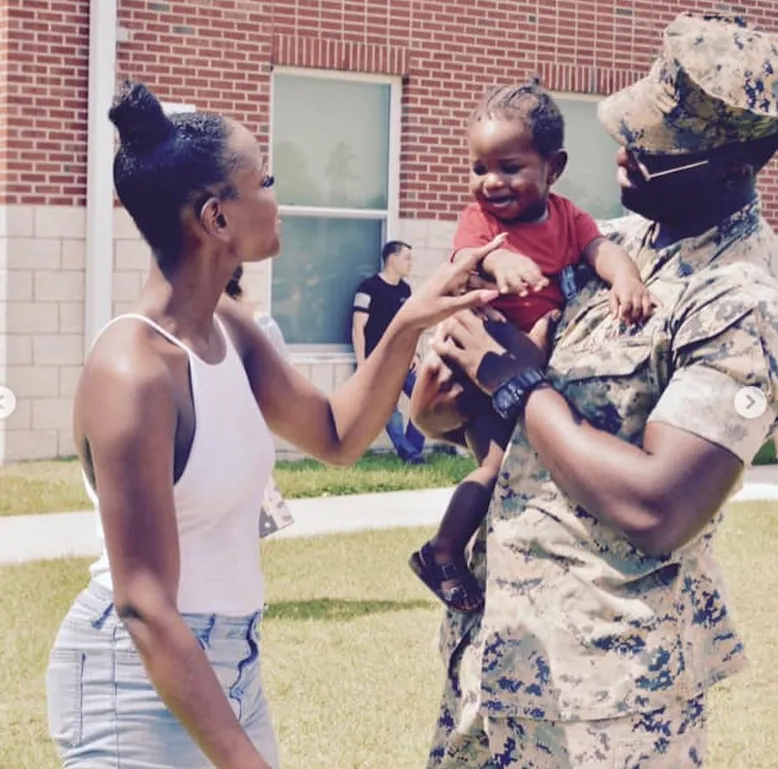
Police say the attack was brutal.
The kind of cruelty that defies comprehension.
The kind of pain that makes strangers weep when they read the headlines.
Tamacia’s family has been unable to make sense of it.
How could someone take away not one, but two innocent lives — a young mother with dreams still unfolding, and a little boy who hadn’t yet learned to say all his words?
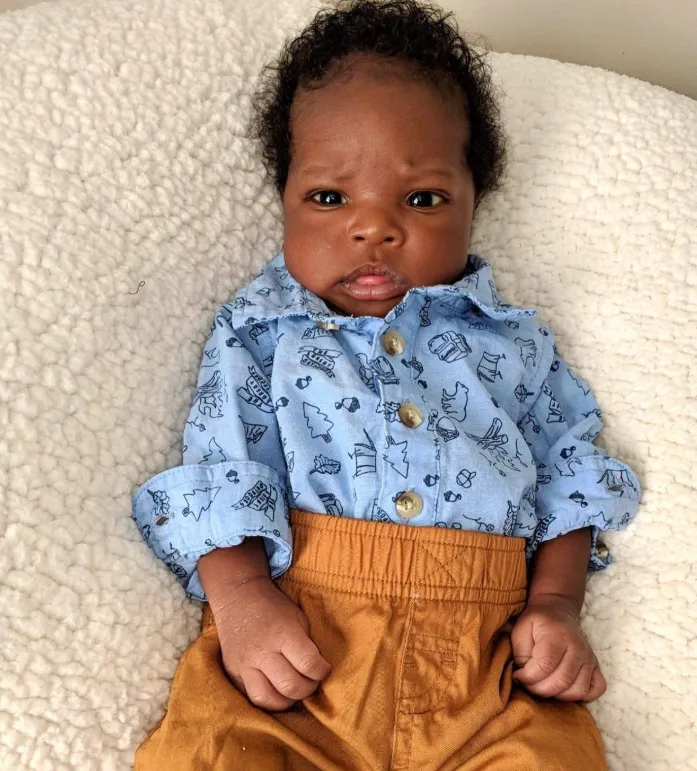
Roy was described as the light of every room.
He loved cars, animals, and anything that made noise.
His laughter — that bubbling, unstoppable giggle — was contagious.
He was two years old, curious and bright, always reaching up for his mother’s hand.
She called him “my sunshine.”
He called her “Mama.”
And that was their world — simple, pure, and full of love.
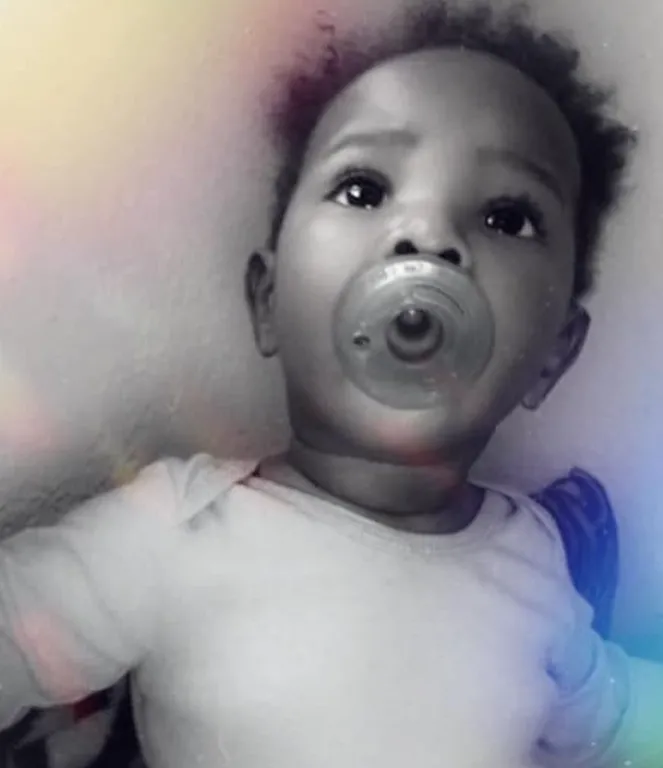
But beneath that love story now lies unimaginable loss.
The Yuma Police Department confirmed what the family already feared: both Tamacia and her son had died from blunt-force trauma.
It wasn’t an accident.
It was a crime.
And not just any crime — one described in court documents as “especially heinous, cruel, or depraved.”
Those are words prosecutors use only when they can hardly bear to describe what they’ve seen.
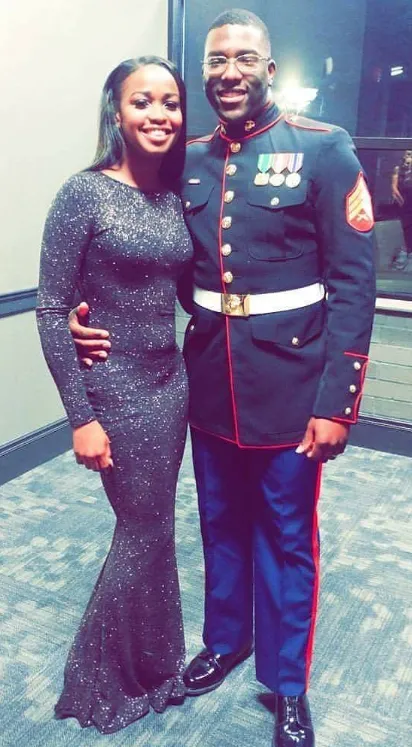
Investigators believe Wilhite’s motive may have been retaliation.
Court filings suggest he killed Tamacia to prevent her from cooperating with a law enforcement investigation — or to punish her for doing so.
In other words, she may have been silenced for her courage.
Silenced for speaking the truth.
And in the chaos of that act, her little boy — innocent, defenseless, trusting — was caught in the storm.

The community of Yuma is still reeling.
At vigils, candles flickered in the desert wind as neighbors whispered prayers for the mother and child taken too soon.
People who didn’t even know them came to stand in silence — because grief like this doesn’t require familiarity.
It only requires a heart.
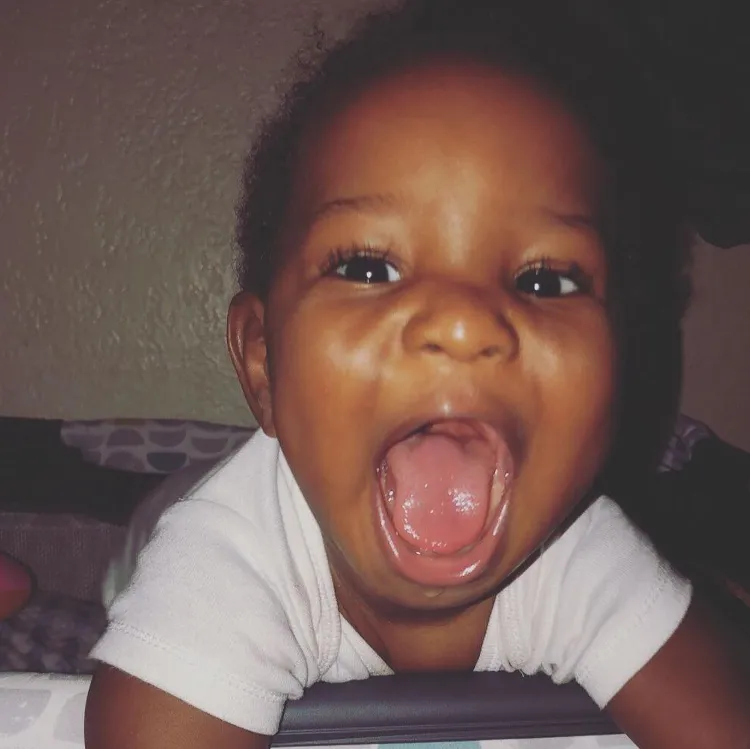
In the days that followed, the county attorney, Jon R. Smith, made a rare announcement.
The state of Arizona would seek the death penalty against Wilhite.
In his motion, he wrote that the crime was committed “in retaliation for a person’s cooperation with law enforcement,” and that the brutality of the attack made it “especially cruel.”
Even seasoned prosecutors admitted that the evidence left them haunted.
For Tamacia’s family, no sentence will ever undo the horror.
No verdict can return a mother’s laughter or the sound of a toddler’s footsteps running down the hall.
What remains are fragments — memories pieced together through photos, messages, and the echo of what once was.

Friends remember Tamacia as full of light.
She was vibrant, independent, determined to build a better life for her son.
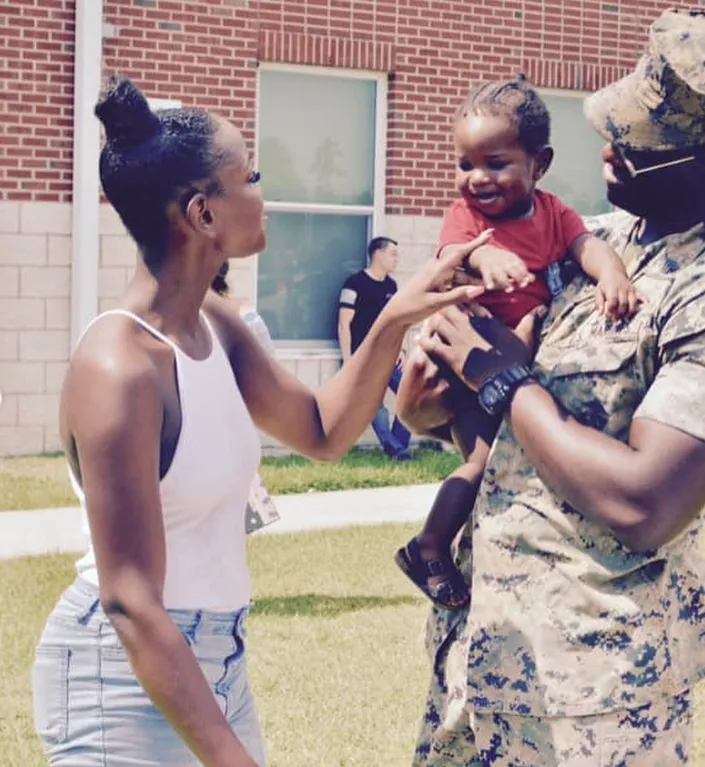
She loved taking pictures of Roy — his first steps, his silly faces, his tiny hands covered in finger paint.
She would post them with captions like “My whole world in one frame.”
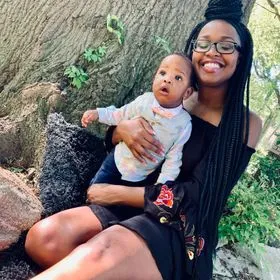
She worked hard, juggling motherhood with dreams of stability, of peace, of giving her little boy everything he deserved.
And she was doing it.
Until one act of senseless violence took it all away.
It’s difficult to write about her without mentioning the kind of courage she embodied.
Because in the final months of her life, it seems she had been trying to do the right thing.
Helping investigators.
Speaking up.
Protecting others.
And for that — for her honesty and her bravery — she may have become a target.
That is the bitterest truth of all.

In the courtroom, as prosecutors detailed the case, every sentence felt like a wound reopened.
Behind them sat photographs — a young woman with a radiant smile, and a baby with cheeks round from laughter.
The two of them frozen in time, forever smiling, forever loved.

When reporters asked about the family’s reaction to the possible death penalty, they didn’t speak of revenge.
They spoke of justice.
They spoke of the need to protect others, so that no mother and child would ever have to suffer the same fate.
They spoke softly, but firmly — voices trembling with both grief and resolve.

Arizona hasn’t executed anyone since 2014, when a botched procedure left the state under scrutiny.
But this case has reopened that debate — because some crimes, people say, are too horrific to forgive.
Yet others believe that no punishment, no matter how severe, can ever balance such loss.
After all, justice can punish, but it cannot restore.
It cannot bring back lullabies.
It cannot bring back love.
Among the tributes shared online, one message stood out.
It read:
“Tamacia was brave, loving, and kind. Roy was pure joy. They deserved the world — and the world failed them.”
Another said:
“We will say their names, so they are never forgotten.”
And so people did.
They said them out loud — Tamacia and Roy — because to speak their names is to refuse to let them vanish.
Roy’s toys still sit in a corner of his grandparents’ house.
His small shoes, lined up neatly by the door.
Tamacia’s favorite sweater still hangs on a chair, faintly carrying her scent.
Little reminders that love doesn’t end where life does.
It lingers, stubborn and eternal, in the things left behind.
The investigation continues, but the questions it raises may never find answers.
Why such cruelty?
Why her?
Why him?
And why must the world so often lose its kindest souls to violence?
At sunset, the community gathered once more.
A field of candles burned in the sand — one for each year of Tamacia’s life, and a smaller one for Roy.
A pastor read softly: “The Lord is close to the brokenhearted.”
A mother wept quietly into her hands.
And somewhere, in that golden light, there was a sense — faint but certain — that love endures even what the world cannot explain.

Because Tamacia was more than a victim.
She was a daughter, a sister, a mother, a friend.
And Roy was more than a statistic.
He was a child who loved to laugh, to explore, to hold his mother’s face in his hands.
They were life itself — fragile, beautiful, and undeserving of such pain.
Their story will not be forgotten.
It will be told again and again, not to reopen wounds, but to remind us why every act of justice, every stand for truth, matters.
So that their loss might one day mean something — a shift, a change, a promise that we will do better.
Until then, candles will burn.
Names will be whispered.
And love — stronger than fear, stronger than death — will carry their memory on.
Tamacia and Roy — forever loved, forever remembered.