The Short Life of Zyaire Reed: A Baby Who Endured Abuse for Half His Life.2790

He was only thirteen months old.
Barely old enough to walk.
Barely old enough to speak.
But somehow already old enough to know pain that no child should ever feel.
Baby Zyaire Reed’s life began the way every baby’s life should begin — with hope, with tiny breaths, with a future unwritten.
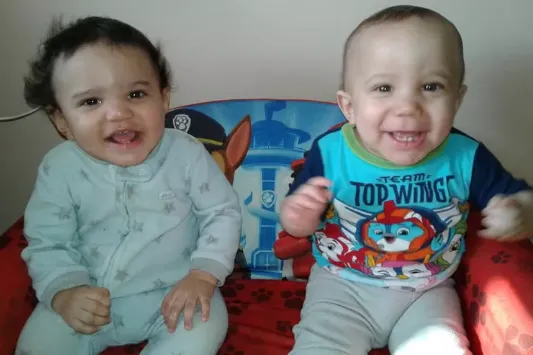
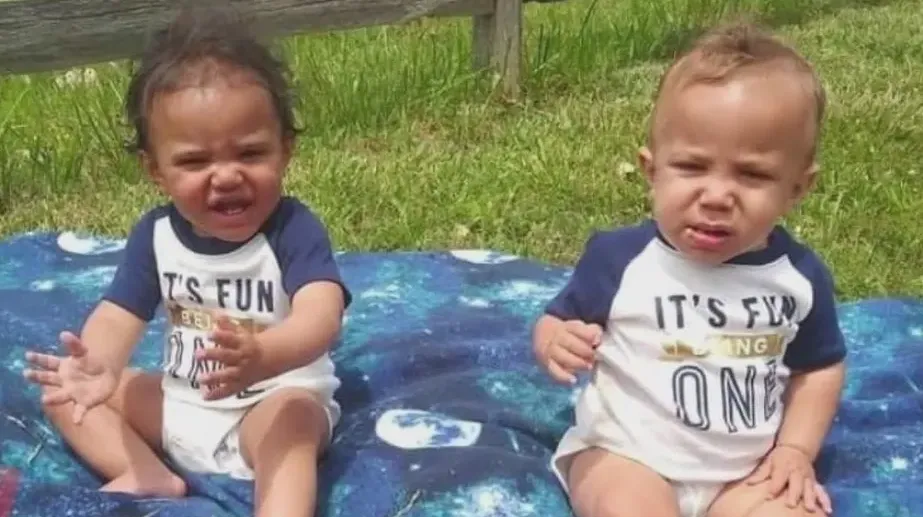
He was one of two twins, born into the world just minutes apart.
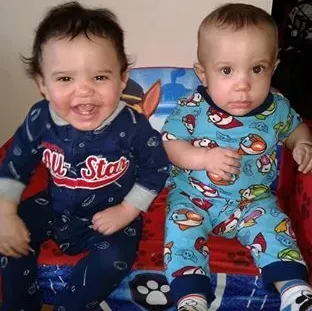
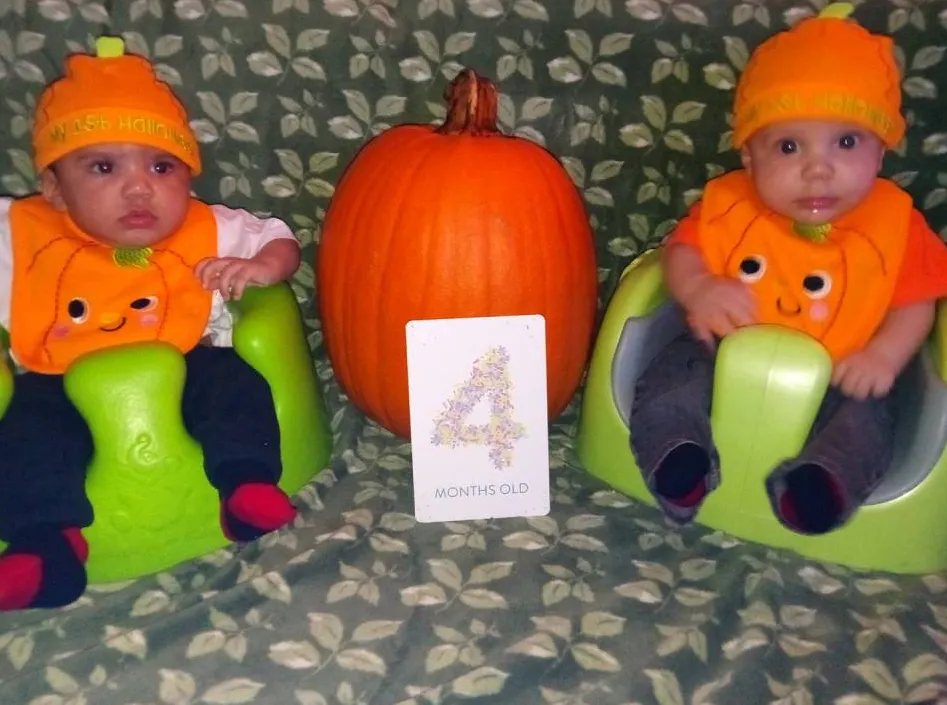
Two boys, Zyaire and Zion, sharing the same crib, the same mother, the same first smiles.
For a moment, it looked like life might be gentle.
But somewhere along the way, the light around the boys began to dim.
Somewhere in their first fragile months, the world around them shifted into something darker.
And little by little, wound by wound, bruise by bruise, the hope of a safe childhood faded.
On July 28th, when police officers in Ecorse rushed into a small apartment responding to a call about an unresponsive child, that darkness finally came into full view.
What they found inside that room would haunt them forever.
Thirteen-month-old Zyaire lay still, his tiny body showing signs of pain no baby should endure.
First responders tried desperately to revive him, but the life that had once fought so hard to grow simply slipped away.
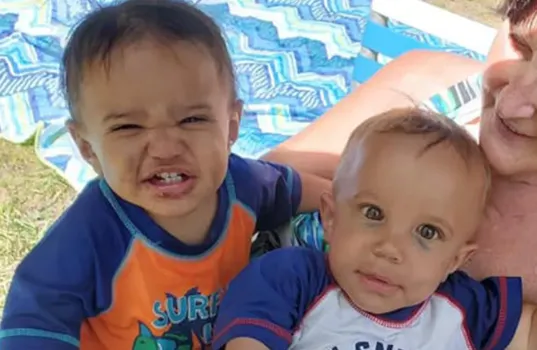
And then came the next blow — his twin brother, Zion, was still alive, but his small body told a story just as tragic.
He had black eyes.
He had deep bruising behind both ears.
He had fractures — a broken clavicle, a broken femur, injuries in different stages of healing.
Injuries that doctors said no accident could explain.
Investigators soon pieced together a timeline — one that stretched across half of the boys’ short lives.
They examined photographs, medical reports, witness statements.
More than 150 pictures, prosecutors said, documented the abuse.
Images showing pain slowly accumulating over months.
Images showing two babies who should have been learning to stand but were instead learning to survive.
And at the center of that investigation was 34-year-old James Gibson, the mother’s boyfriend.
A man already on the radar of the legal system.
A man with a documented criminal history.
A man who, according to prosecutors, inflicted harm on babies who could not speak, could not run, could not ask for help.
Prosecutors believe that Zyaire, the smaller of the twins, suffered the longest.
They say he had severe chest injuries, the kind that suggested he had been squeezed tightly, repeatedly, over a period of months.
They say the bruises behind his ears indicated he was lifted and shaken by his ears — a violent act that left dark marks no one could ignore.
Assistant Wayne County Prosecutor Matthew Makepeace put words to what investigators already feared.
“There is one severely injured child in this case and one deceased child that also had several injuries and would’ve been noticeable to anybody.”
His voice was steady when he said it, but the weight of his words sank into the courtroom like lead.
Everyone who heard it understood what he meant — these injuries didn’t happen silently.
They didn’t happen invisibly.
Someone had to see.
Someone had to know.
Someone had to ignore every sign.
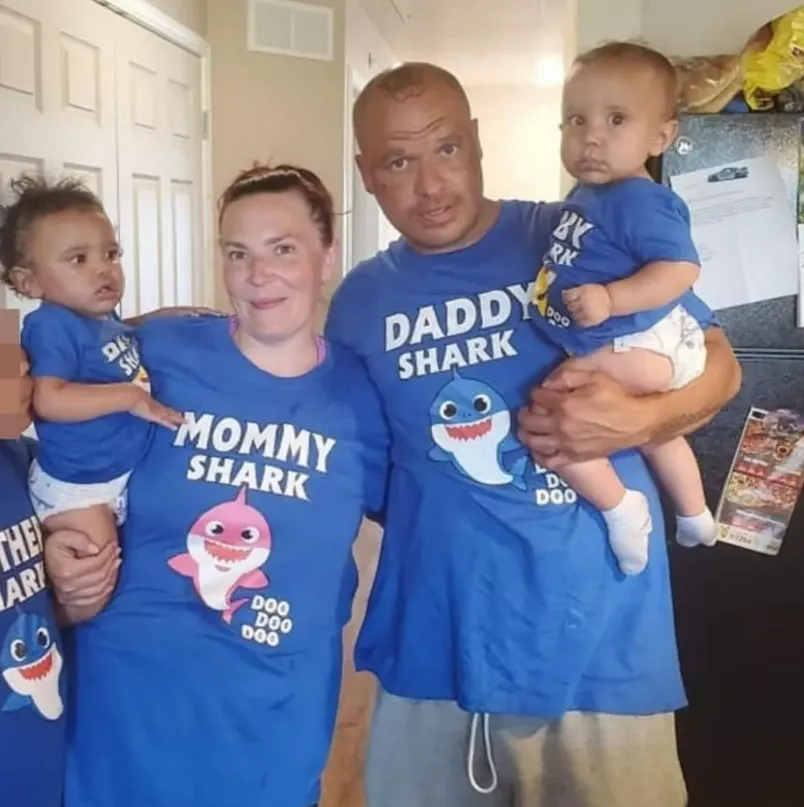
Zyaire’s mother, Lisa Reed, was also charged.
Not for a single moment, but for many moments.
For the times someone should have stepped in.
For the times someone should have said something.
For the times when a mother should have protected her children but didn’t.
Prosecutors announced she would face a second-degree murder charge.
In court, Gibson stood silently as the judge read the charges — premeditated murder, felony murder, assaulting two police officers, and prior child abuse counts.
He showed little emotion.
His attorney spoke on his behalf, reminding the court that Gibson, like all defendants, had the right to the presumption of innocence.
He also mentioned mental health concerns, suggesting a history that “should be considered.”
But none of that changed the reality of a child’s stillness.
None of that erased the months of pain hidden behind the walls of that apartment.
None of that revived the baby boy who never reached his second birthday.
The judge ruled that Gibson would be held without bond.
Zyaire’s tiny body had already paid the highest price.
The justice system would now decide the rest.
But beyond the courtroom, beyond the legal filings and charges, there remains a far deeper story — the story of a baby whose life was far too short.
A baby who probably cried softly at first, then louder, then maybe not at all.
A baby who clung to a twin brother, sharing comfort in the only way two infants could.
A baby who smiled once, whose fingers curled around an adult’s hand once, whose future once held birthdays and new shoes and soft blankets and bedtime stories.
And a baby who never got any of those things.
He lived thirteen months — about 400 days.
And prosecutors say he suffered for half of them.
That is nearly 200 days of pain.
Two hundred days of fear.
Two hundred days in which his small body bore injuries instead of love.
For the officers who carried his body, for the paramedics who tried to revive him, for the nurses who catalogued the bruises, for the prosecutor who looked through every picture — this case will never fade.
Because behind every document, every charge, every courtroom motion, there was a little boy who once reached for a mother’s arms.
A child who once learned to laugh.
A child who should have grown into a toddler running across the living room floor.
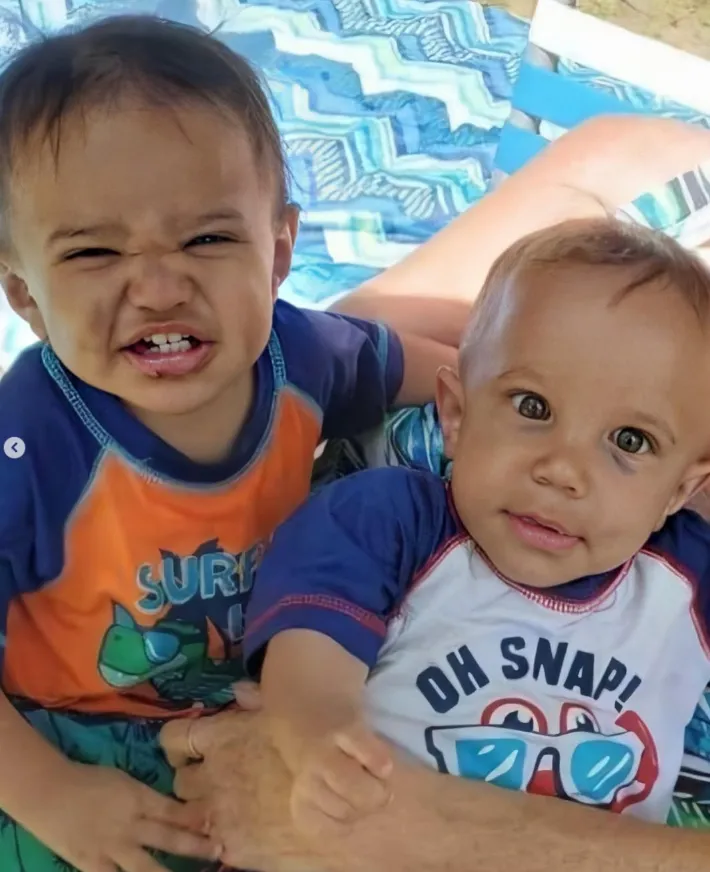
Little Zion, the surviving twin, carries the physical scars of what happened.
But he also carries the chance to heal.
Doctors are treating his fractures.
They are monitoring his recovery.
Child services has stepped in to protect him.
He has a long road ahead, but he has a road — something his brother no longer has.
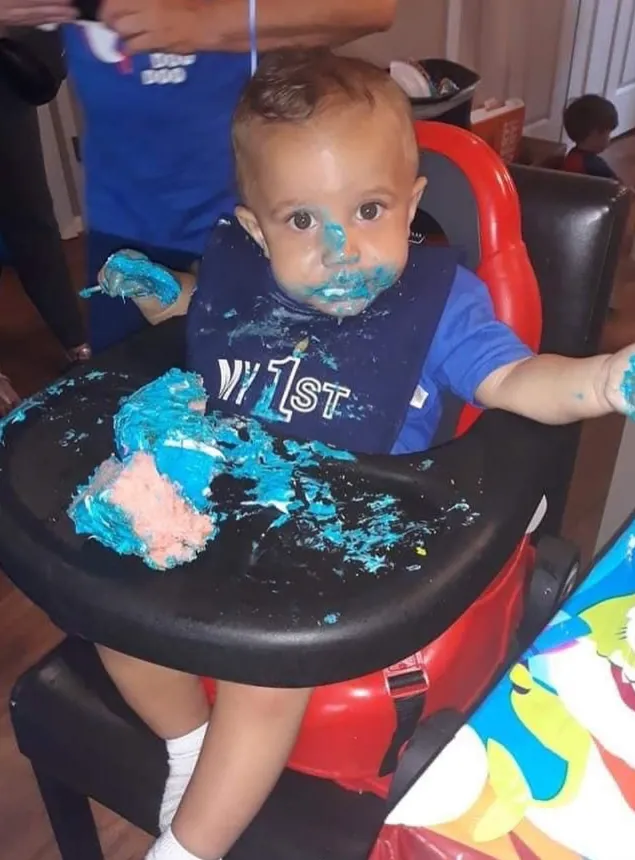
And somewhere, in the quiet corners of the legal system, the weight of this case sits heavily.
It sits in the hearts of every investigator.
Every nurse.
Every prosecutor.
Every person who sees the photographs and realizes that someone should have done something sooner.
Zyaire’s story is not just a tragedy.
It is a reminder.
A reminder that children cannot speak for themselves.
A reminder that bruises do not appear without reason.
A reminder that silence can be deadly.
A reminder that every child deserves protection — not sometimes, not occasionally, but always.
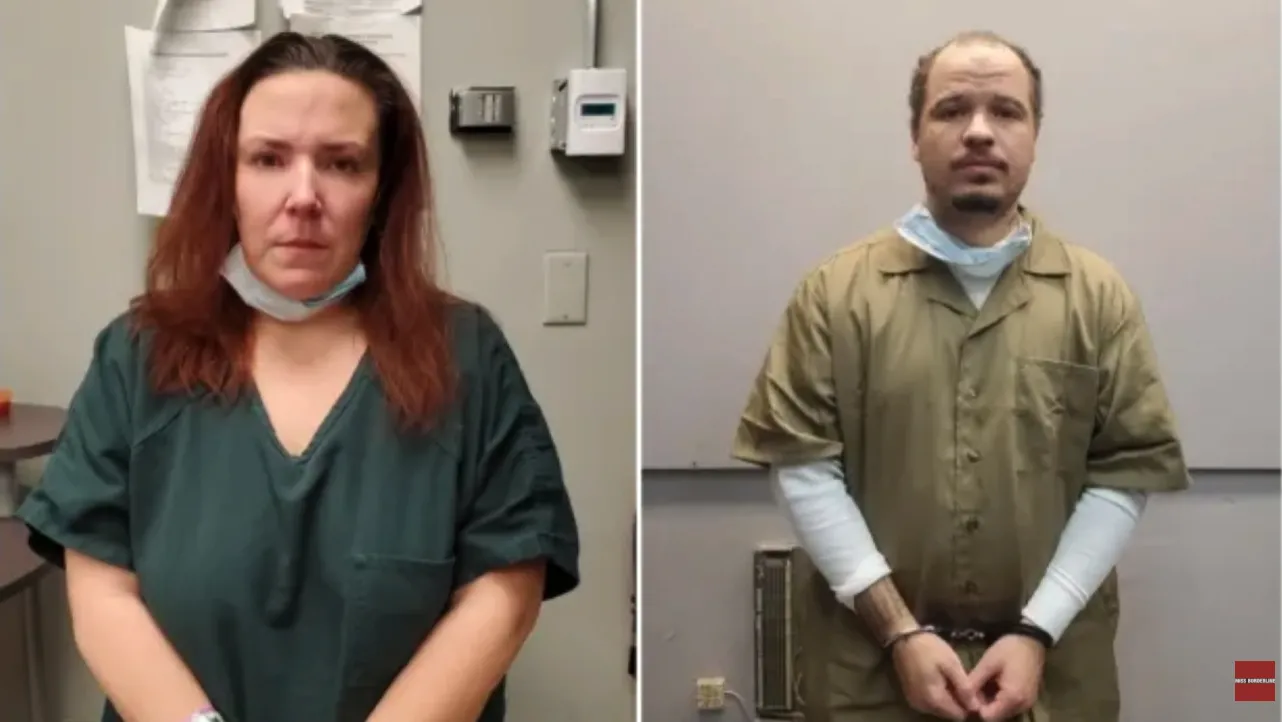
As the judge scheduled the next hearing, reporters typed details, attorneys gathered their documents, and court officers prepared for the next case.
But the weight of a life lost lingered in the room.
No one said it aloud, but everyone understood — justice could punish, but it could not heal.
Justice could hold someone accountable, but it could not give back a thirteenth month or a first birthday.
Justice could speak, but the child who needed a voice the most was already gone.
Perhaps the truest tribute to baby Zyaire is this — that his story forces people to pay attention.
That it encourages someone, somewhere, to speak up when a child is in danger.
That it reminds a neighbor, a family member, a friend, to ask questions, to look closer, to listen when a child cries.
Because somewhere, another baby might be waiting for someone to notice.
Someone might be waiting to be saved.
And for Zyaire, the world noticed too late.
But it does not have to be too late for the next child.
Thirteen months.
Half a life in pain.
A story that should never have been written.
But one the world must never forget.
The Little Hands That Held Mine Through Grief.456

After my first husband passed away in 2006, life changed in ways I could never have anticipated. Suddenly, every penny counted, and each month brought the anxiety of stretching our finances just far enough to cover essentials. When the financial assistance check arrived, it was a small moment of relief—and a chance to do something normal for my six-year-old son. We would drive into town, pick up the bare necessities, and sometimes, just sometimes, I would treat him to a kids’ meal at a local fast-food restaurant.
Those visits weren’t about the food. They were our little sanctuary, a space where I could talk with him, watch him play, and for a brief while, feel like life was a little less heavy. Even in those moments of joy, I was acutely aware of our limitations. There were days when he would push his fries toward me, a silent gesture of care, knowing I was hungry and that we couldn’t afford separate meals. I would smile, take a bite of his sandwich, and pretend that I wasn’t worried about the months of one packet of rice, one can of vegetables, and a tiny 4-ounce pork chop being dinner for the two of us over two nights. He would laugh, teasing me, saying, “Mommy takes a bite so I know it’s made with love.”

This child, my son, has been my constant companion through grief and struggle. He held my hand as we cried together, mourned the loss of his father, and learned resilience in the toughest of circumstances. He celebrated small victories with me, like my graduation from nursing school, knowing that it was a step toward securing a better life for him. He never asked for big presents on Christmas or birthdays; he valued presence, love, and survival. And as he turned eighteen this year, I am overwhelmed with a mix of pride and sorrow. His life has been harder than that of his younger brothers, born after I remarried, and yet he has grown into a strong, compassionate, and selfless young man.
He remembers the winters we survived with the oven warming our small home, blankets barricading doors and windows, and boiling water to fill his bath. Each story, each joke about those difficult times, reminds me of how far we have come and how much he has endured. Last year, we had the opportunity to scatter his father’s ashes in a distant state. Watching him, tall and confident, dig into the earth with his bare hands, scattering ashes into water, onto trees, along the ground, speaking to his father the entire time—it brought me to my knees. His courage, his empathy, his unwavering love for a father he barely knew, left me speechless.
This young man, who shared fries and sandwiches to save me from hunger, who celebrated my achievements despite our hardship, who understands loss and survival better than many adults, is my hero. He is living proof of resilience, compassion, and the quiet strength that comes from facing life’s harshest trials. And as I watch him step into adulthood, I know that the challenges we endured together shaped not just his character, but mine as well. His story is a reminder that love, sacrifice, and small acts of care—even sharing a single bite—can leave a lifetime of impact.