From Vacation to Death: The Unanswered Case of Shanquella Robinson.5991

















“9/11 Remembered: The Heroism Within the Dust and Debris”.1019
Did you know?
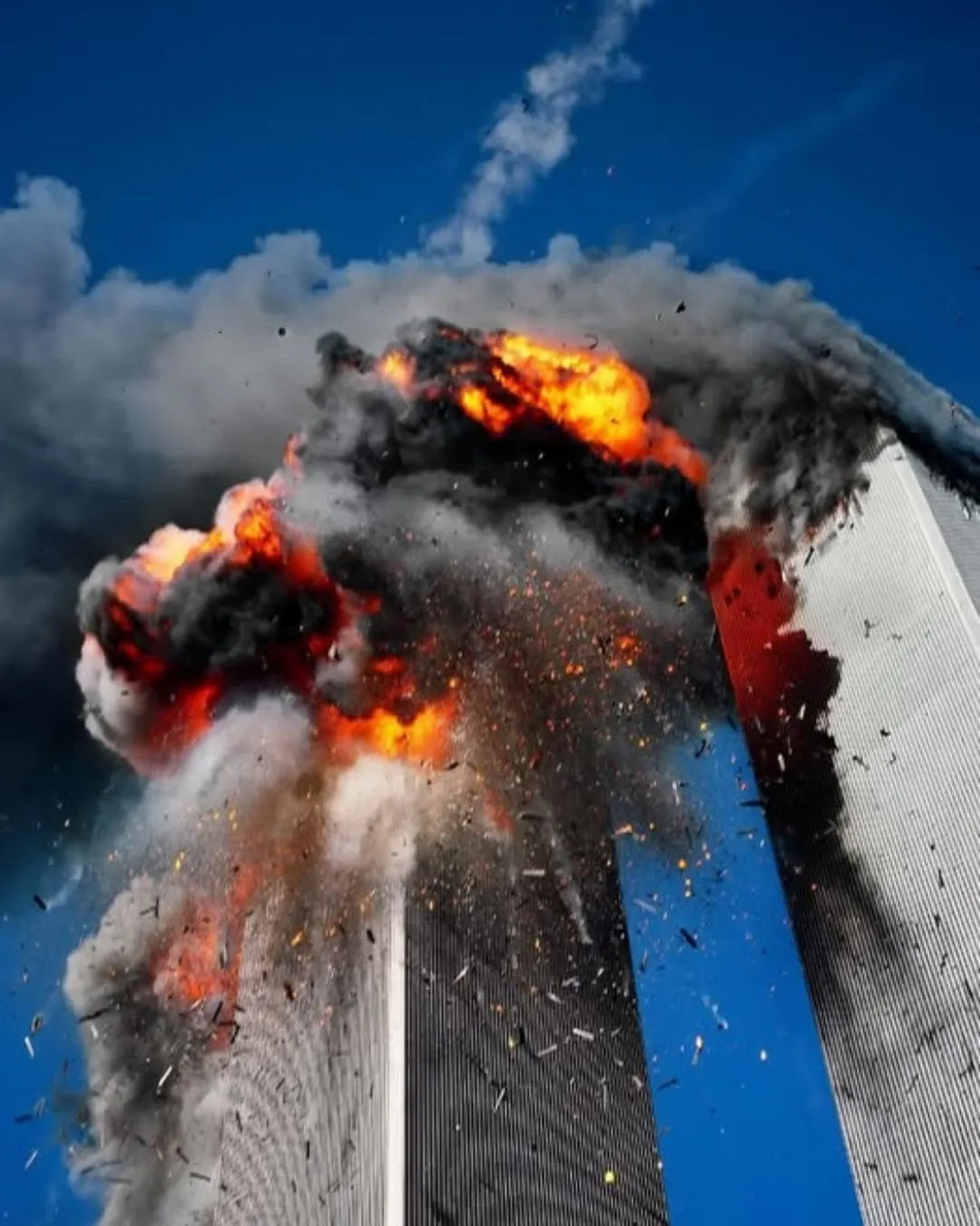
On the morning of September 11, 2001, the Twin Towers of the World Trade Center, icons of New York City’s skyline, stood proud and seemingly invincible. They had been designed to sway slightly in the wind—flexing about a foot to absorb the forces of nature—but nothing could have prepared them for what was about to come. At 8:46 a.m., the world watched in horror as the first hijacked plane crashed into the North Tower. Moments later, the South Tower was struck. The unimaginable had begun.
Engineers had equipped the towers with viscoelastic dampers, ingenious devices that acted like giant shock absorbers, meant to protect the buildings’ occupants from wind-induced sway. On normal days, these systems worked flawlessly, keeping the towers steady against gusts and storms. But the force of the hijacked planes, the fiery inferno that erupted across multiple floors, and the unimaginable chaos pushed the towers far beyond their limits. The structures bent, swayed, and shuddered—some reports suggest they moved as much as ten feet. For the thousands trapped inside, each creak, each groan of steel was a terrifying reminder that time was running out.

Inside, panic and courage mingled. Office workers huddled together, clutching hands and whispering prayers. Evacuations were underway, guided by stairwell attendants, police officers, firefighters, and ordinary people who, in the face of disaster, became extraordinary. Every step down those long flights of stairs was a battle against heat, smoke, and fear.
At 9:59 a.m., after burning for 56 relentless minutes, the South Tower, weakened and overburdened, gave way. In a mere 10 seconds, the massive structure collapsed, unleashing a wave of destruction that sent shockwaves throughout the city. The impact was so powerful that Columbia University, 21 miles away, recorded it as a 2.1-magnitude earthquake. Smoke and dust blanketed the streets. Debris rained down. Screams and shouts echoed over the roar of collapsing steel. Yet amidst the chaos, countless acts of bravery emerged—first responders rushing toward danger, office workers helping one another through the smoke, strangers lifting the injured from rubble, and firefighters ascending the stairwells, fully aware of the peril above them.

The South Tower’s fall was only the beginning of a day that would forever change the world. But in the shadow of destruction, stories of courage, sacrifice, and human resilience shone brighter than the steel that fell. Those who ran toward danger—police officers, firefighters, medics, and ordinary citizens—reminded us that even in the darkest hours, humanity can rise to its highest calling.
Today, the 9/11 Memorial in New York City stands as a solemn tribute to those who lost their lives and to the heroes who risked everything for others. Names etched in stone serve as a lasting reminder of bravery. And though the towers no longer pierce the skyline, the courage of those who faced that day lives on. We remember. We honor. We will never forget.
? Their heroism, sacrifice, and unwavering dedication continue to inspire generations.



“9/11 Remembered: The Heroism Within the Dust and Debris”.1019
Did you know?
On the morning of September 11, 2001, the Twin Towers of the World Trade Center, icons of New York City’s skyline, stood proud and seemingly invincible. They had been designed to sway slightly in the wind—flexing about a foot to absorb the forces of nature—but nothing could have prepared them for what was about to come. At 8:46 a.m., the world watched in horror as the first hijacked plane crashed into the North Tower. Moments later, the South Tower was struck. The unimaginable had begun.
Engineers had equipped the towers with viscoelastic dampers, ingenious devices that acted like giant shock absorbers, meant to protect the buildings’ occupants from wind-induced sway. On normal days, these systems worked flawlessly, keeping the towers steady against gusts and storms. But the force of the hijacked planes, the fiery inferno that erupted across multiple floors, and the unimaginable chaos pushed the towers far beyond their limits. The structures bent, swayed, and shuddered—some reports suggest they moved as much as ten feet. For the thousands trapped inside, each creak, each groan of steel was a terrifying reminder that time was running out.
Inside, panic and courage mingled. Office workers huddled together, clutching hands and whispering prayers. Evacuations were underway, guided by stairwell attendants, police officers, firefighters, and ordinary people who, in the face of disaster, became extraordinary. Every step down those long flights of stairs was a battle against heat, smoke, and fear.
At 9:59 a.m., after burning for 56 relentless minutes, the South Tower, weakened and overburdened, gave way. In a mere 10 seconds, the massive structure collapsed, unleashing a wave of destruction that sent shockwaves throughout the city. The impact was so powerful that Columbia University, 21 miles away, recorded it as a 2.1-magnitude earthquake. Smoke and dust blanketed the streets. Debris rained down. Screams and shouts echoed over the roar of collapsing steel. Yet amidst the chaos, countless acts of bravery emerged—first responders rushing toward danger, office workers helping one another through the smoke, strangers lifting the injured from rubble, and firefighters ascending the stairwells, fully aware of the peril above them.
The South Tower’s fall was only the beginning of a day that would forever change the world. But in the shadow of destruction, stories of courage, sacrifice, and human resilience shone brighter than the steel that fell. Those who ran toward danger—police officers, firefighters, medics, and ordinary citizens—reminded us that even in the darkest hours, humanity can rise to its highest calling.
Today, the 9/11 Memorial in New York City stands as a solemn tribute to those who lost their lives and to the heroes who risked everything for others. Names etched in stone serve as a lasting reminder of bravery. And though the towers no longer pierce the skyline, the courage of those who faced that day lives on. We remember. We honor. We will never forget.
? Their heroism, sacrifice, and unwavering dedication continue to inspire generations.