Caught in the Crossfire: The Tragic Night That Changed Everything for Kimber Mills.2776

In the quiet town of Pinson, Alabama, life had always moved with a steady, predictable rhythm.
The residents knew each other’s names, celebrated milestones together, and shared in the simple joys that small-town life often brings.
But in the early hours of October 19, that peace was shattered in a way that no one could have imagined.
A bonfire gathering, a tradition for many high school students, had turned into a scene of unimaginable tragedy.
Kimber Mills, an 18-year-old senior at Cleveland High School, was among the young crowd that had gathered that night.
She was vibrant, full of life, and known for her radiant smile that could light up any room.
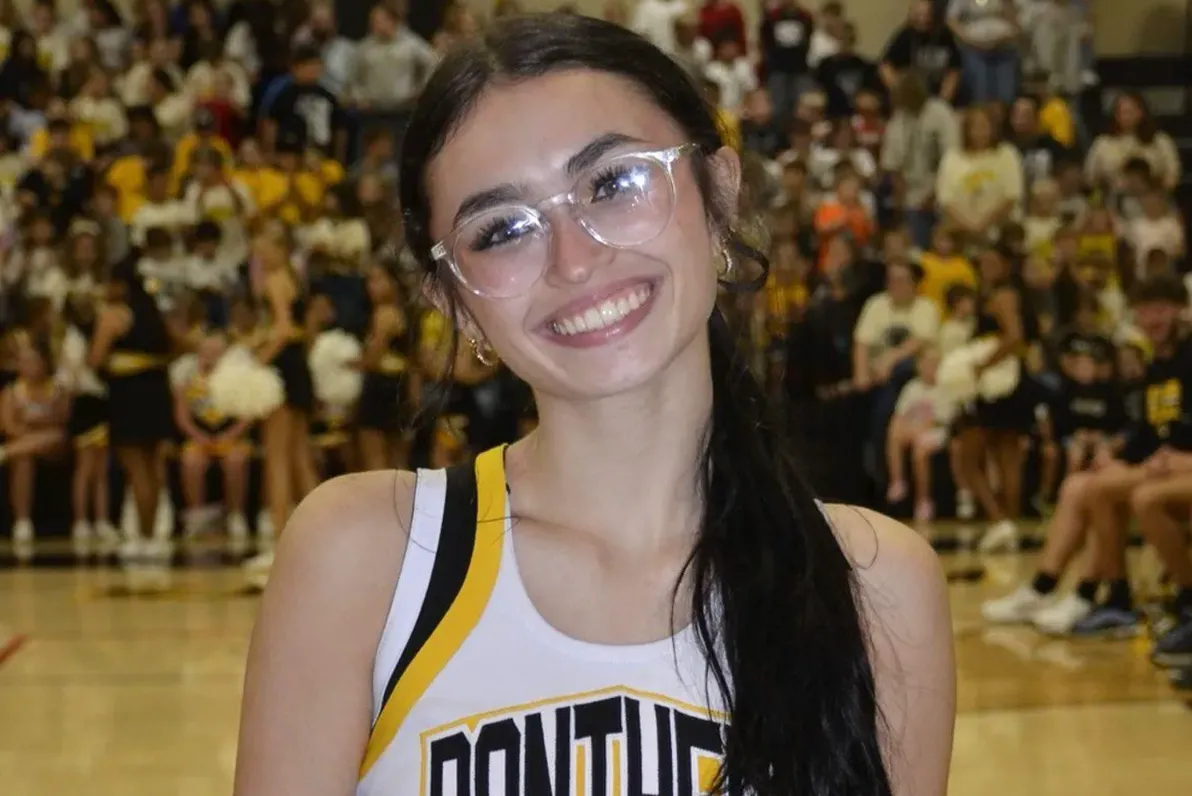
Her friends described her as someone whose personality was bigger than her small frame, whose laughter was infectious, and whose presence left a mark on everyone she met.
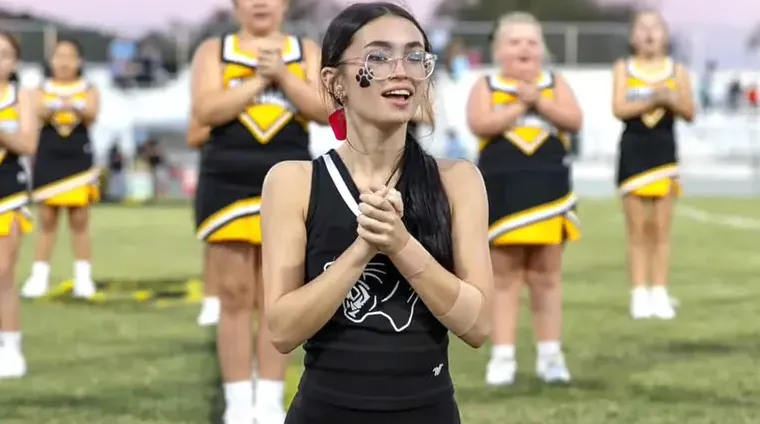
She ran track at school, cheered at football games, and carried herself with a gentle confidence that drew people in.
That night, Kimber’s plans were simple — to enjoy an evening with friends, to celebrate the closeness of youth, and to take a brief respite from the pressures of senior year.
No one expected that a night of laughter and camaraderie would become a nightmare etched into the hearts of everyone who knew her.
Steven Tyler Whitehead, 27, arrived at the gathering at around 12:24 a.m., according to the Jefferson County Sheriff’s Office.
What began as a verbal confrontation quickly escalated into physical violence, leaving lives hanging in the balance.
Witnesses reported that Kimber was not involved in the initial conflict, yet fate placed her in the crossfire.
Silas McCay, 21, recounted the moments before the tragedy, explaining how he and a friend tried to intervene after seeing Whitehead behave aggressively toward Kimber.
“My ex-girlfriend came up to me at the party and said he was trying to do stuff to this girl named Kimber,” McCay said.
Determined to protect her, he engaged Whitehead in a struggle, lifting him to the ground.
But the chaos did not end there.

In the heat of the fight, Whitehead pulled out a firearm and began shooting.
Kimber was caught in the line of fire.
She was struck in her head and leg, collapsing as panic and fear rippled through the crowd.
Friends and bystanders acted quickly, rushing her to a private car that sped toward UAB hospital in Birmingham.
Despite the desperate efforts to save her, the injuries were too severe.
At 7:08 p.m. that night, Kimber Mills passed away, leaving her family, friends, and community in a state of profound grief.
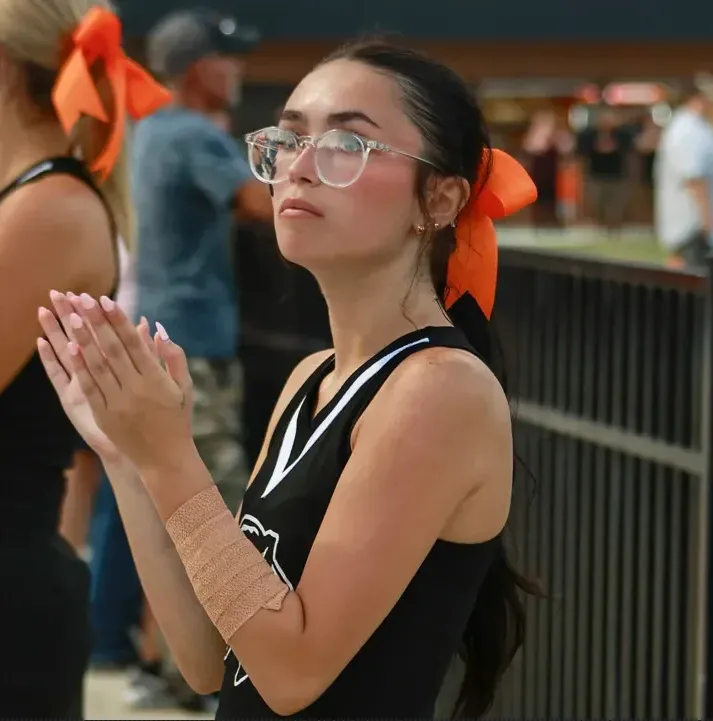
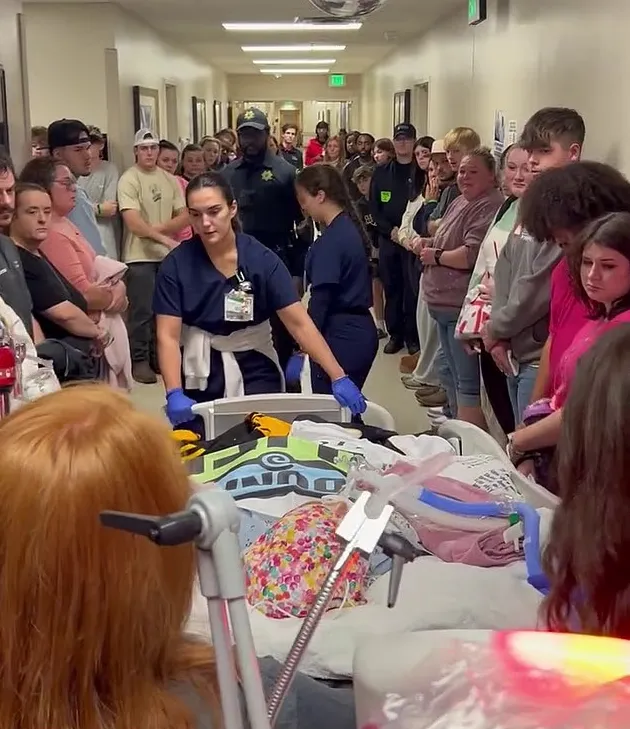
Her sister, Ashley Mills, shared the heartbreaking news on Facebook, writing about the honor walk held for Kimber — the largest the hospital had ever seen.
“Our sweet baby sister went to be with the Lord last night! She was and is so loved by so many,” Ashley wrote.
The outpouring of support from friends, classmates, and the wider community was overwhelming.
Candles were lit, flowers laid, and heartfelt messages shared, all paying tribute to a life that, though brief, had touched so many.
Kimber had dreams that were larger than life.
She hoped to attend the University of Alabama in 2026 and aspired to become a nurse, dedicating her future to helping others.
Her friends spoke not just of her accomplishments but of the way she made everyone feel special, noticed, and loved.
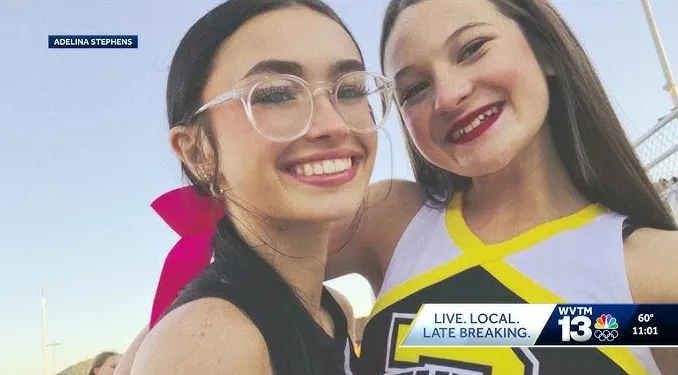
Rylie Cirbo, a close friend, expressed a sentiment shared by many:
“I’d much rather her be known for her sunshine personality and big smile rather than the tragedy. She seemed like a very bright light in so many lives.”
Even in the face of unspeakable loss, Kimber’s family sought to find meaning and hope.
Doctors determined that her heart could save another life, and it was donated to a 7-year-old, offering a glimmer of life amid the sorrow.
The community grappled with the shocking reality that a night meant for joy had ended in heartbreak.
Questions arose about violence, responsibility, and the fragility of life.
Authorities charged Whitehead initially with three counts of attempted murder, but after Kimber’s death, prosecutors upgraded the charges to murder.
The legal process began, yet no court proceedings could ever bring back the laughter, the plans, or the warmth Kimber brought into the world.
Family and friends found themselves navigating a landscape of grief that felt both personal and collective.
Every memory became a treasure, every photograph a painful reminder, and every shared story a way to keep her spirit alive.
School corridors felt emptier, sports events quieter, and social gatherings carried a shadow of what had been lost.

Yet, even amid sorrow, Kimber’s influence persisted.
Her kindness, generosity, and joy continued to inspire those who had known her.
Teachers remembered her diligence and warmth, friends recalled her laughter and support, and strangers, touched by the story, were reminded of the preciousness of life.
In the weeks following, the honor walk became a symbol not just of loss, but of community resilience.
People gathered to honor Kimber’s memory, to support her family, and to acknowledge the light that had been extinguished too soon.
Her story rippled through the town, teaching lessons about courage, love, and the importance of protecting those we hold dear.
Every candle lit for Kimber was a beacon, every whispered prayer a testament to her lasting impact.
Though her life was tragically cut short, the legacy of Kimber Mills endures in the hearts of all who knew her.
Her dreams, her smile, and her unwavering kindness remain immortal in the memory of her family and friends.
And while the legal system seeks justice, the human story — of a bright young girl whose life was taken too soon — continues to resonate far beyond Pinson, Alabama.
It is a reminder that life is fragile, that choices have consequences, and that even in tragedy, love and hope can prevail.
Kimber Mills will never be forgotten.
Her story, her laughter, her dreams, and the lives she touched continue to shine as a beacon of what it means to live fully, to love deeply, and to leave an indelible mark on the world.
Even in her absence, she remains a guiding light — a reminder to cherish each moment, to protect one another, and to honor the lives of those who leave us too soon.
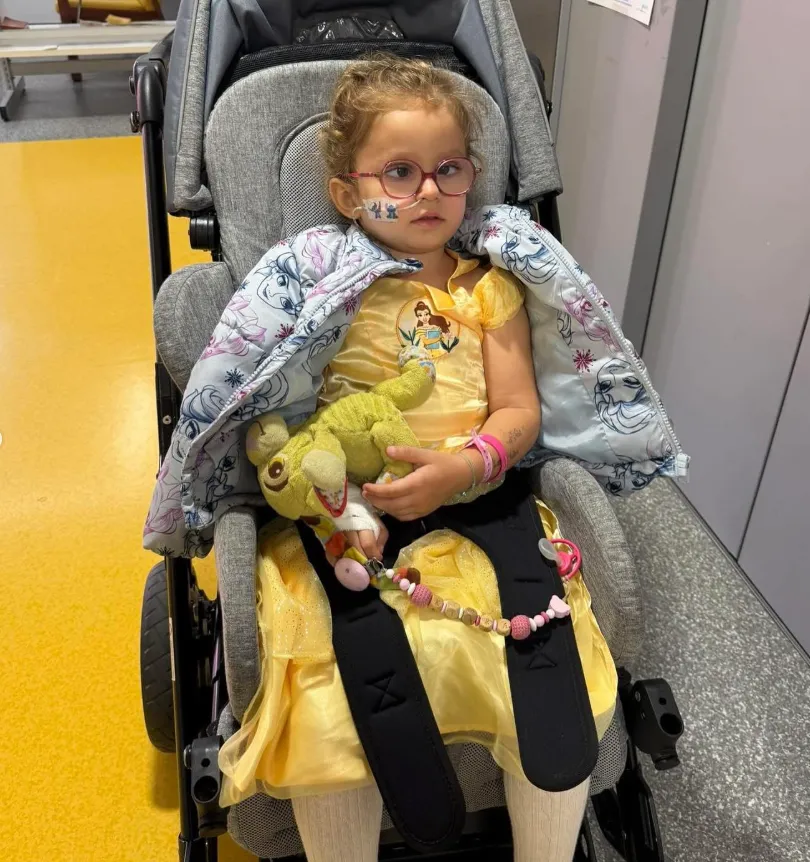
Yesterday, We Remembered Kiara — The Little Girl Whose Light Outshone Her Pain.2502
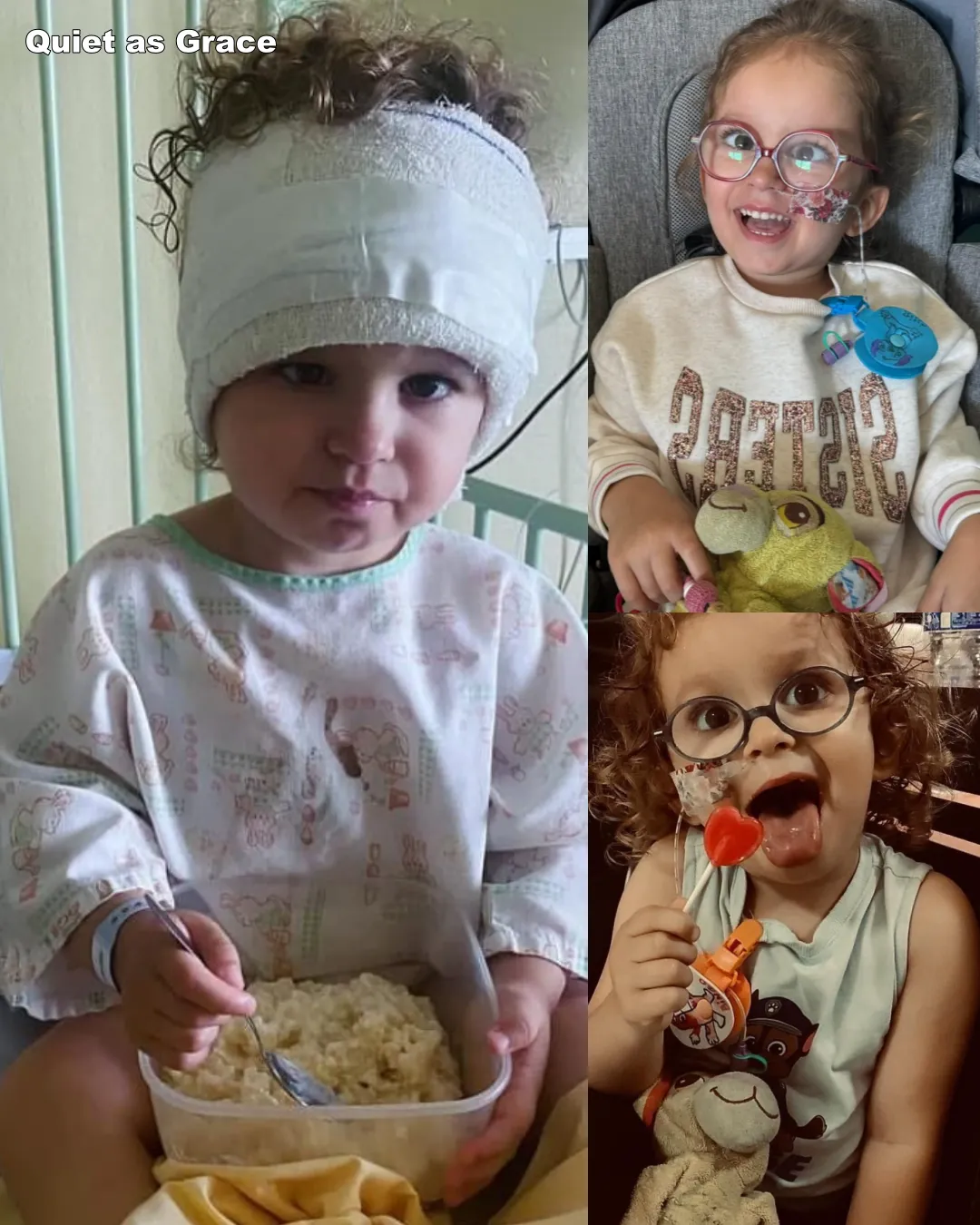
Born on August 8, 2021, Kiara Moroglu came into the world with a light that seemed to outshine the morning sun.
From the very first moment she opened her eyes, there was something in her gaze — a spark of wonder, as if she already understood that life was a beautiful gift meant to be cherished.
Her parents would often say that when Kiara smiled, the whole world seemed to stop for a second — just to admire her joy.
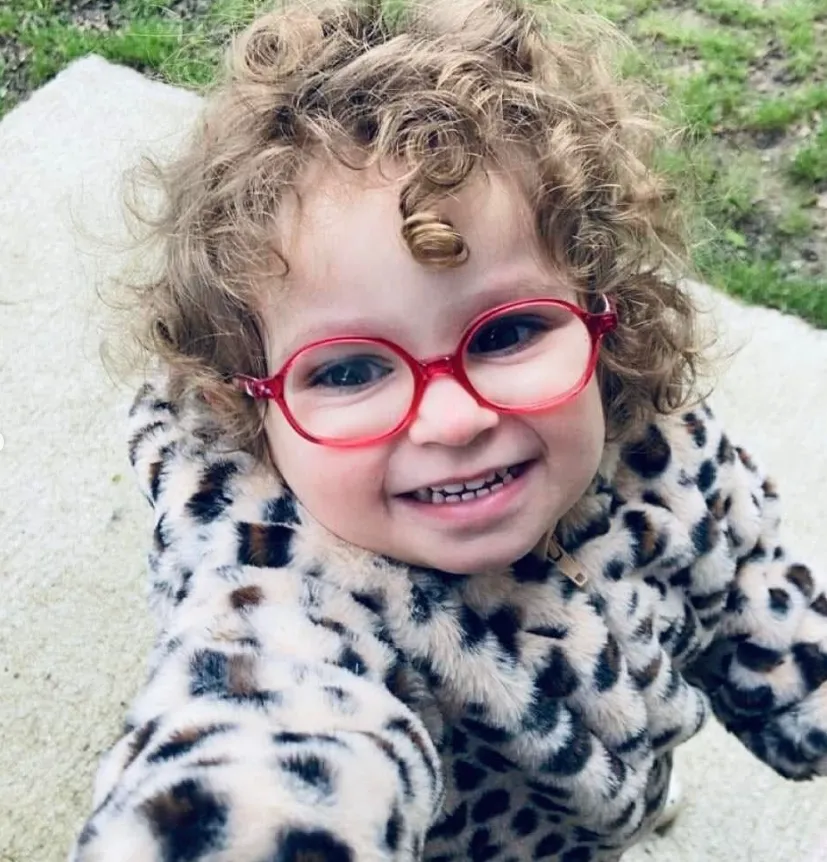
Kiara was not an ordinary child.
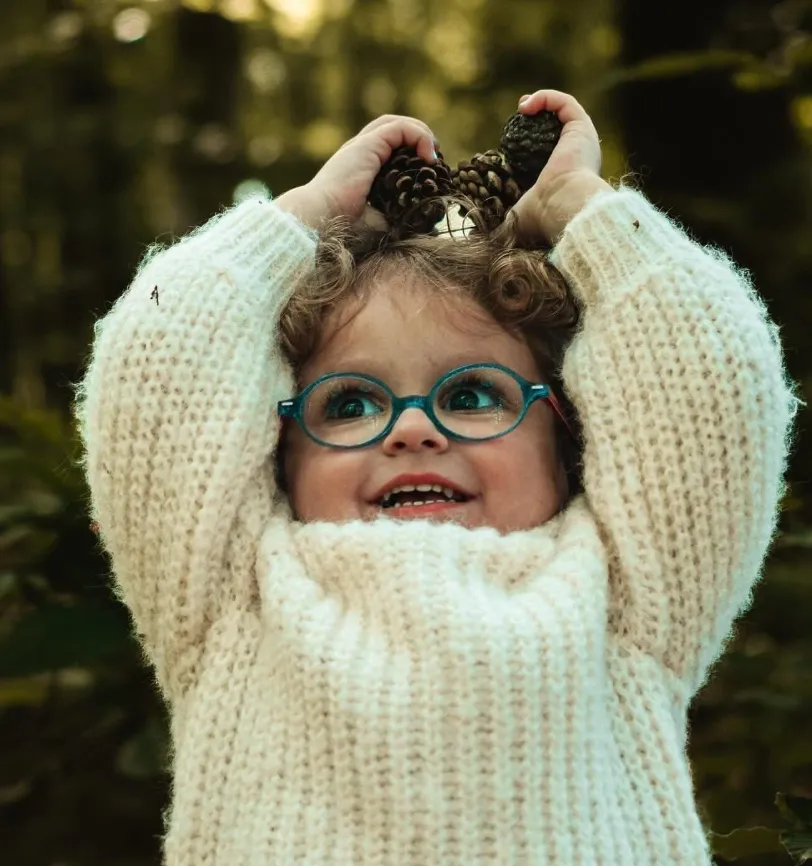
There was a magic in the way she looked at things — as though everything, from a falling leaf to a songbird outside the window, was a miracle waiting to be discovered.
Her laughter was like wind chimes in summer — light, pure, and capable of sweeping away sadness.
Her favorite toy was a little yellow duck, worn out from countless hugs, yet still glowing with the love of her tiny hands.
Every morning, she would toddle into the kitchen, her curls bouncing with every step, and greet her parents with a cheerful, “Hi, Mommy! Hi, Daddy!”
She loved to sing — sometimes real songs, sometimes just the melodies her heart made up.
And when she danced, it was as though joy itself had taken shape.
Every twirl, every giggle, was a reminder of how simple happiness could be.
But then came the day that changed everything.
It started with fatigue — small moments when Kiara seemed more tired than usual, when her laughter faded a little too quickly.
Doctors’ visits followed.
Tests.
Whispers in hospital corridors.
And then — the words no parent ever wants to hear.
Kiara had a rare illness.
Her parents clung to each other as the world around them blurred into uncertainty.
But even then, Kiara — barely more than a toddler — faced it all with a strength that defied her age.
She didn’t understand the word “disease,” but she understood love, and she held onto it fiercely.
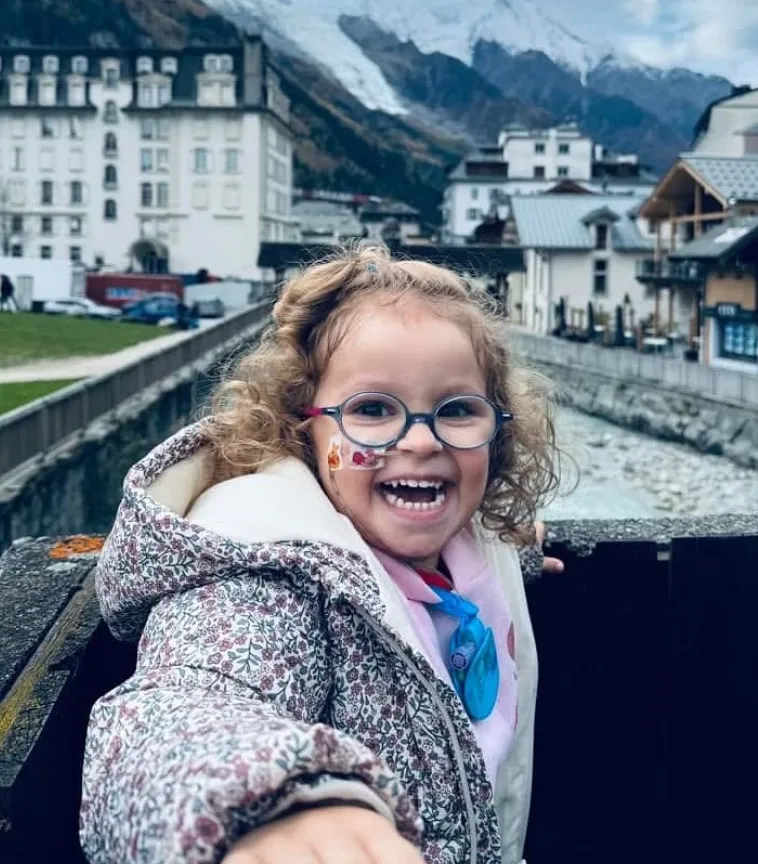
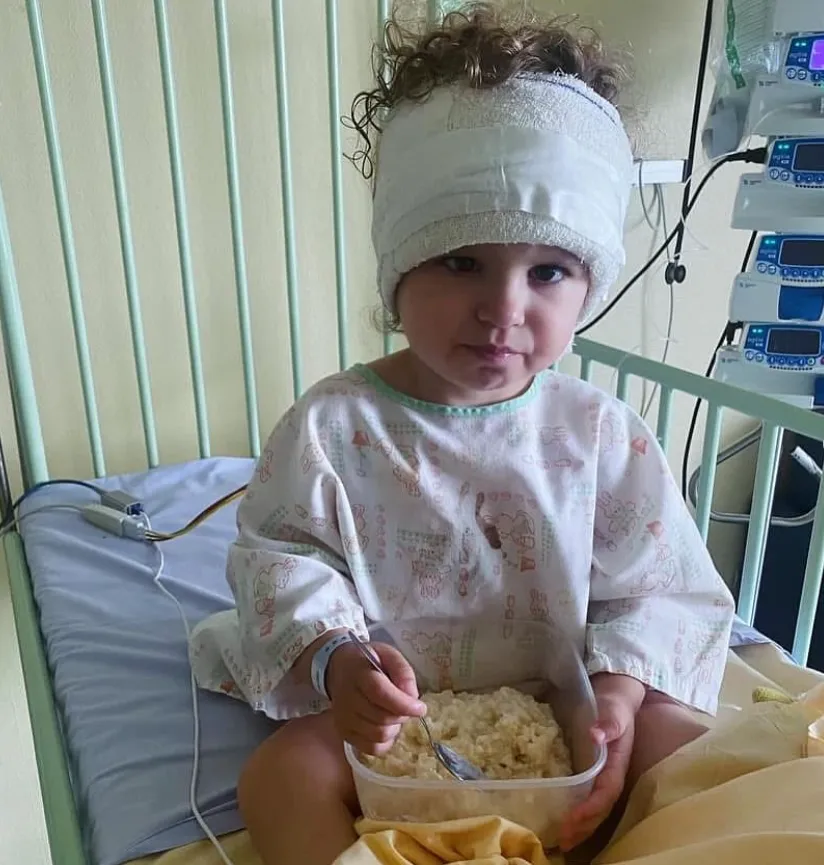
For sixteen months, the hospital became her second home.
Machines beeped softly beside her bed; the walls were lined with drawings of rainbows, hearts, and smiling suns that she had colored herself.
The nurses adored her — she called them her “friends in white.”
Whenever they entered the room, Kiara would greet them with a grin and ask if they’d like to hear her sing.
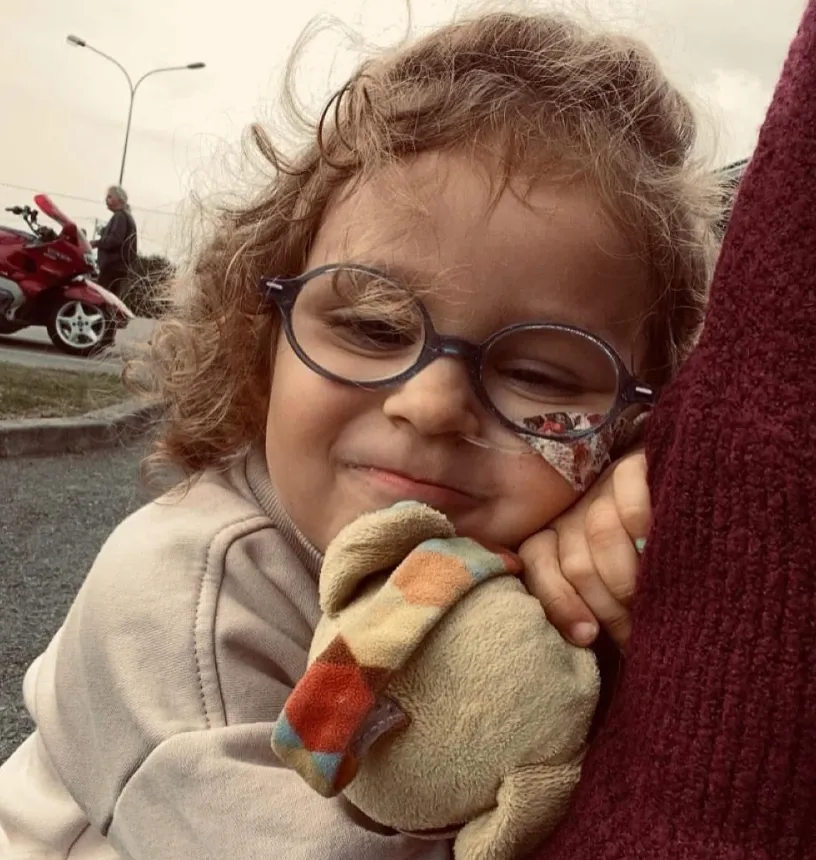
Sometimes she’d hum through her oxygen mask, her voice muffled but her spirit unbroken.
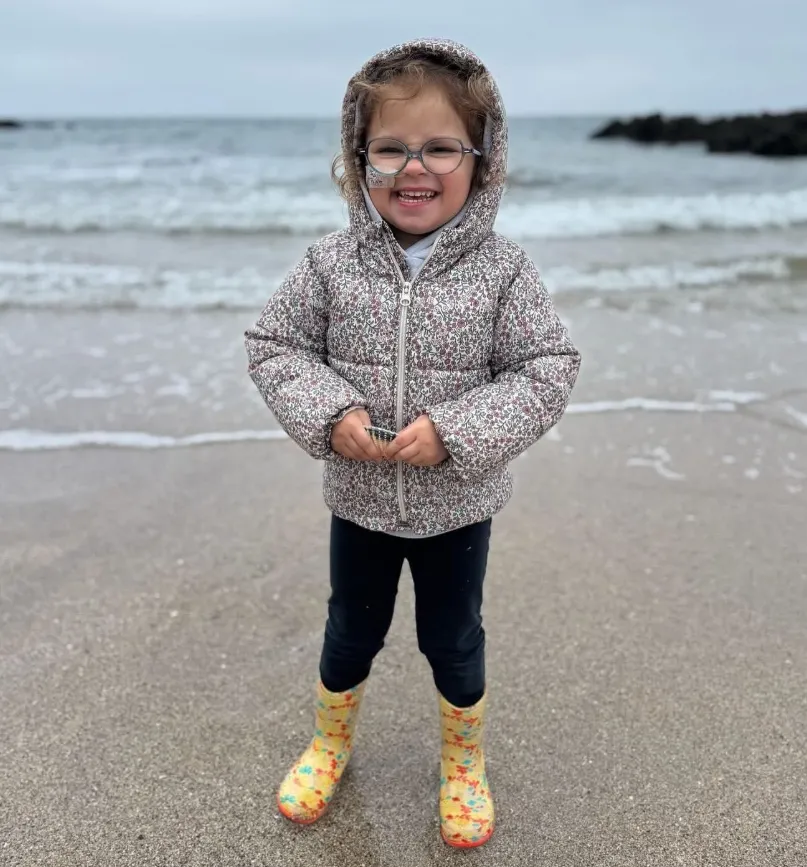
Her mother kept a diary — pages filled with little miracles.
“Kiara laughed today,” she wrote once. “Her laugh sounded like spring after a long winter.”
Her father read to her every night, even when her eyes grew heavy.
Fairy tales, songs, soft words of comfort.
And when she fell asleep, they would watch her chest rise and fall, whispering silent prayers into the stillness.
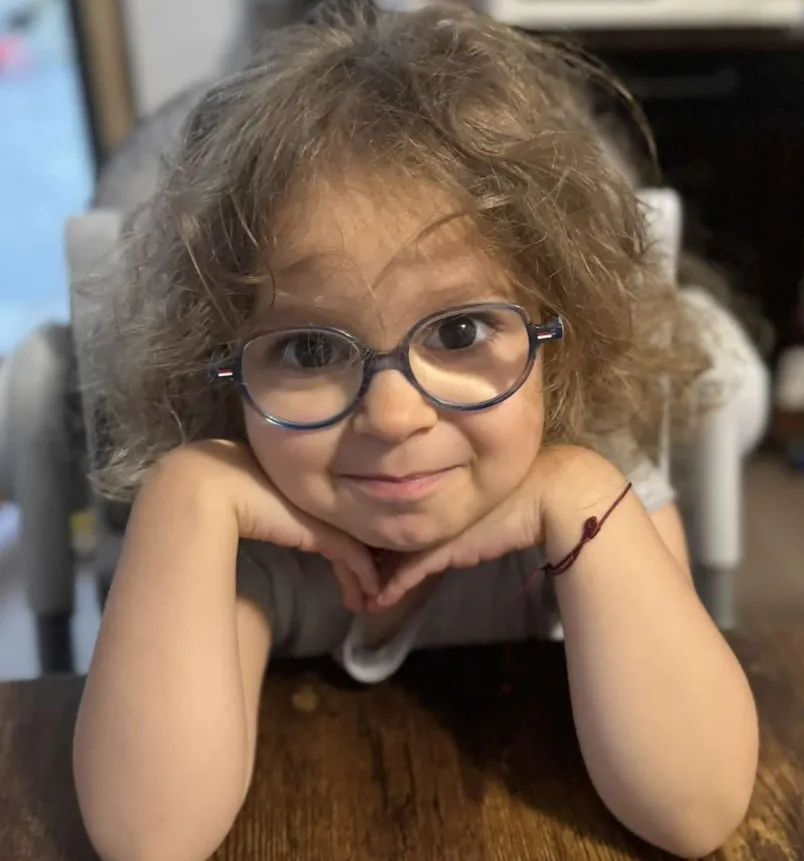
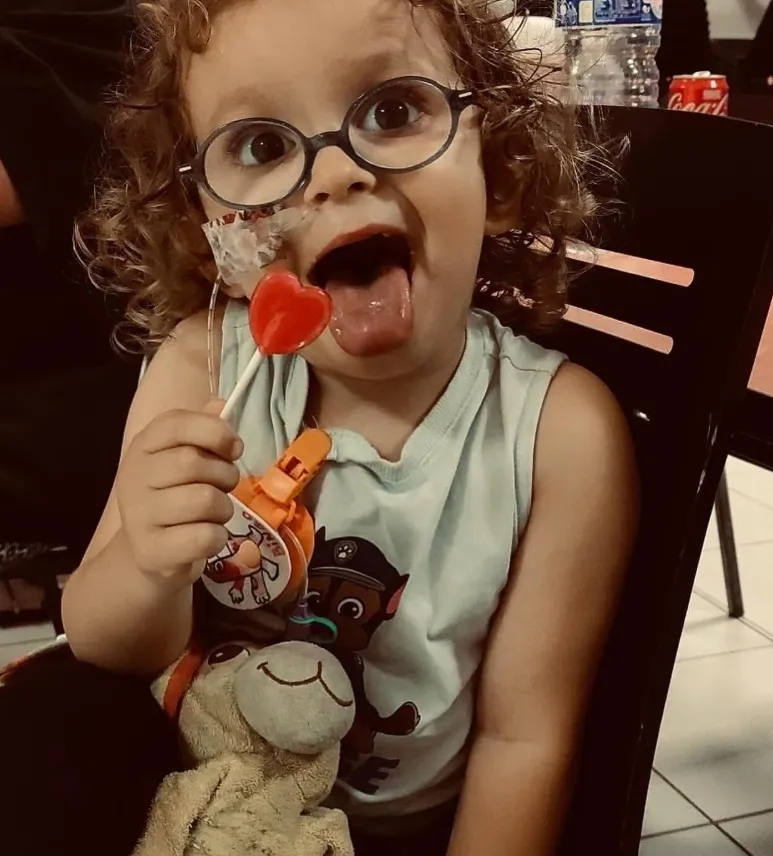
There were good days — days when Kiara’s laughter echoed down the hospital hallway, when she painted with bright colors that seemed to chase the gray away.
She loved pinks and purples, and once she told a nurse, “Pink makes me feel like a princess!”
Her joy, even in pain, was a lesson to everyone around her.
Doctors, nurses, volunteers — all found themselves changed by her courage.
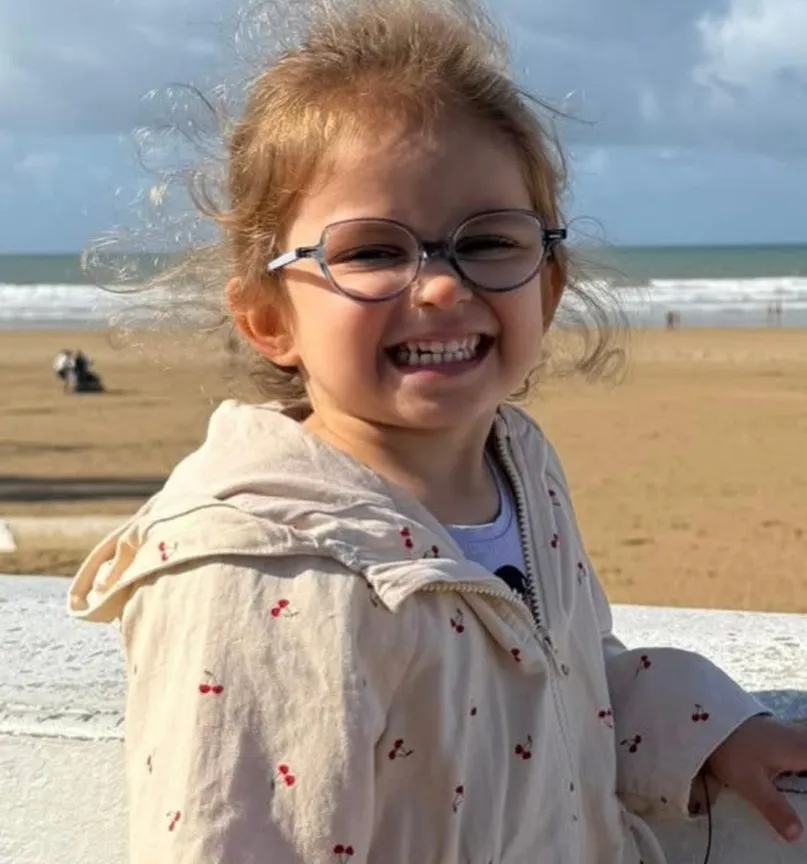
As time passed, her body grew weaker, but her spirit remained radiant.
She had a way of comforting others, even when she was the one in pain.
Once, seeing her mother cry quietly beside the bed, Kiara reached out and touched her cheek.
“Don’t cry, Mommy,” she whispered. “I’m not scared.”
Her tiny hand — so fragile, yet so strong — carried more wisdom than most adults could ever hold.
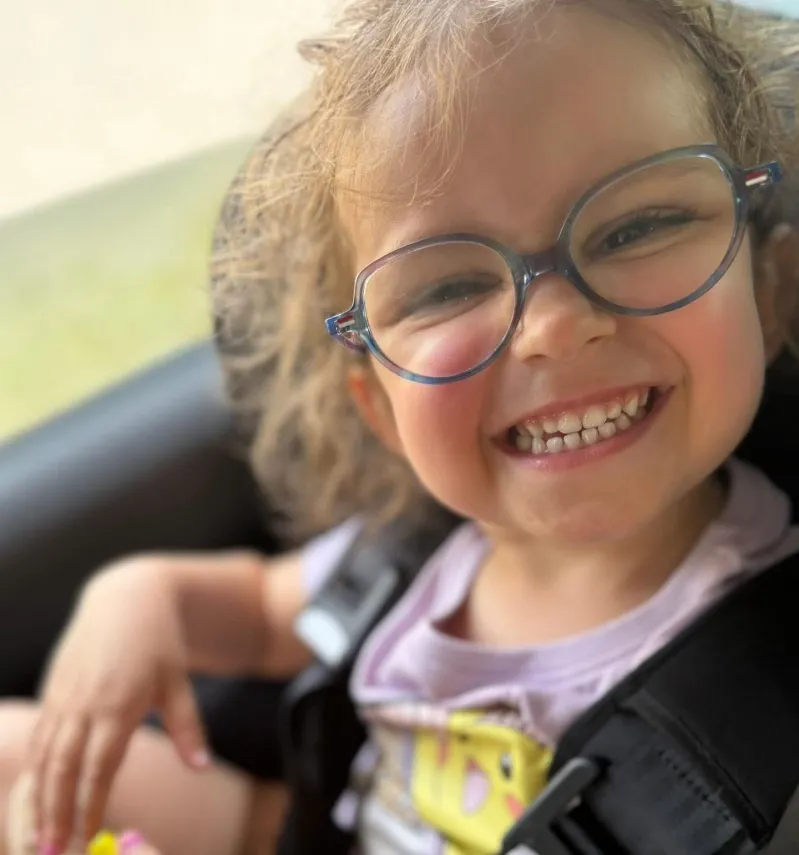
In her final week, the hospital room was filled with love.
Family members took turns holding her, singing to her, surrounding her with stories and warmth.
Sunlight filtered through the window, casting a golden glow on her blanket — a soft pink one with stars stitched across it.
Every breath she took was gentle, deliberate, as though she was savoring every last heartbeat of this world she loved so deeply.
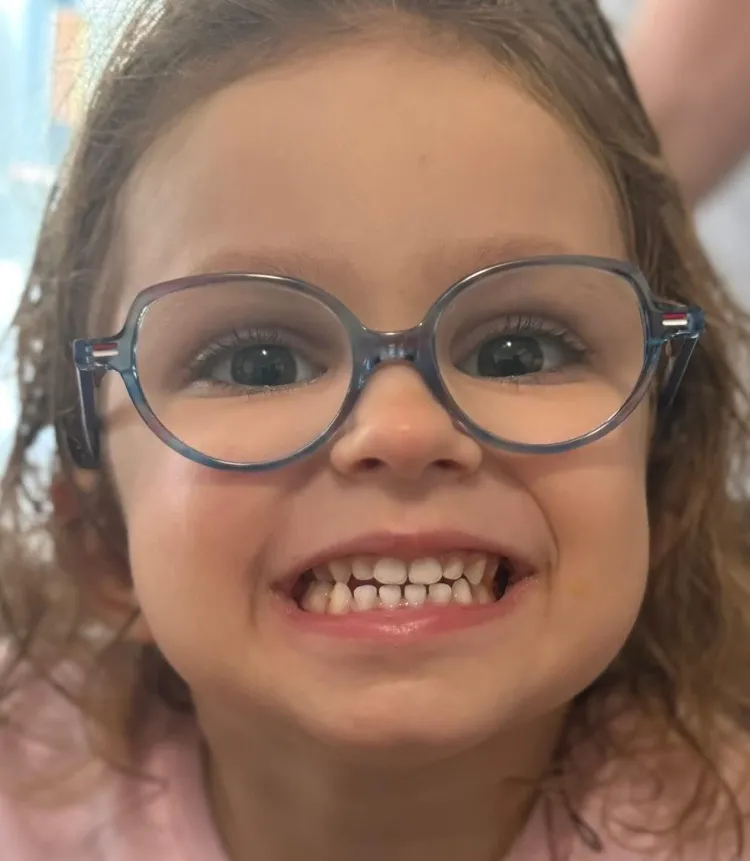
On October 28, 2025, Kiara took her final breath.
The room fell silent, but it wasn’t a silence of despair — it was one of peace.
Her parents held her close, whispering how much they loved her, how proud they were, how her light would never fade.
Outside, a single butterfly landed on the windowpane — delicate, still, and somehow timeless.
It felt like a sign — that Kiara’s spirit had taken flight, free and unbound.
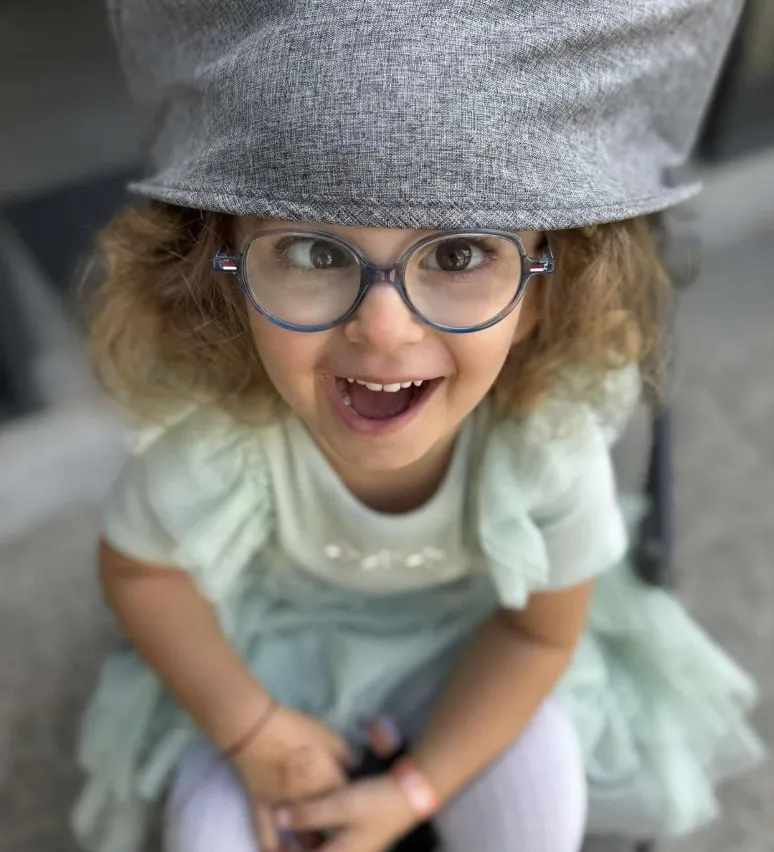
In the days that followed, grief and love intertwined.
Friends, neighbors, even strangers came forward to share how Kiara’s story had touched them.
Her family decided to plant a garden in her memory — filled with sunflowers and daisies, her favorites.
Every bloom seemed to carry a piece of her laughter, her warmth, her essence.
When the wind passed through the petals, it sounded almost like her giggle.
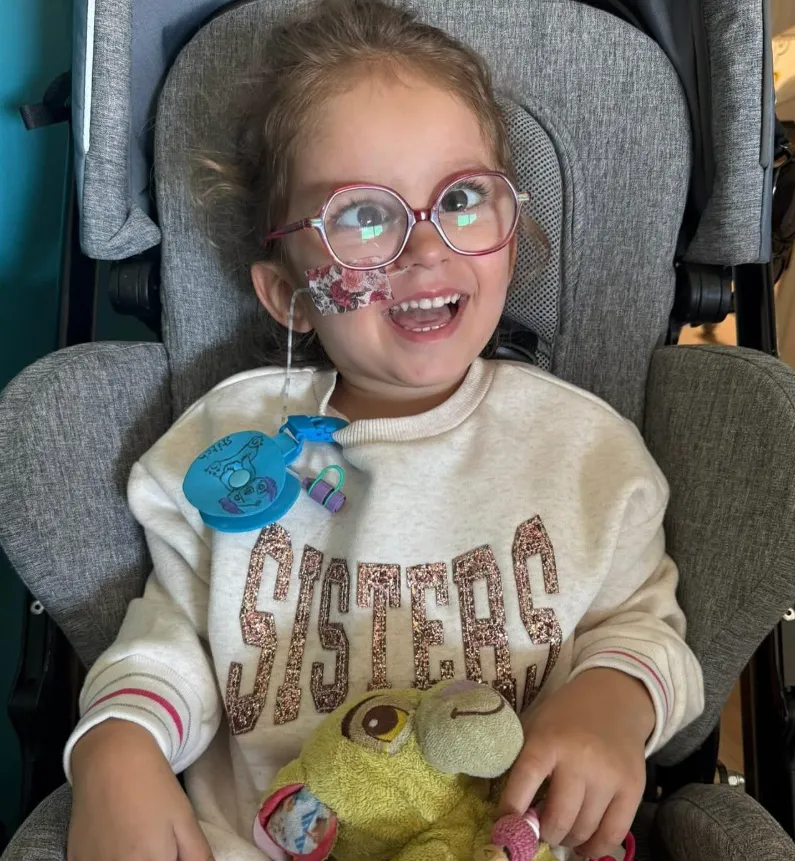
Though her time on Earth was short, Kiara’s light did not fade.
It multiplied — reflected in every person who met her, in every heart she softened, in every act of kindness done in her name.
Her life was a reminder that time is not measured in years but in love — and Kiara had loved deeply, freely, endlessly.
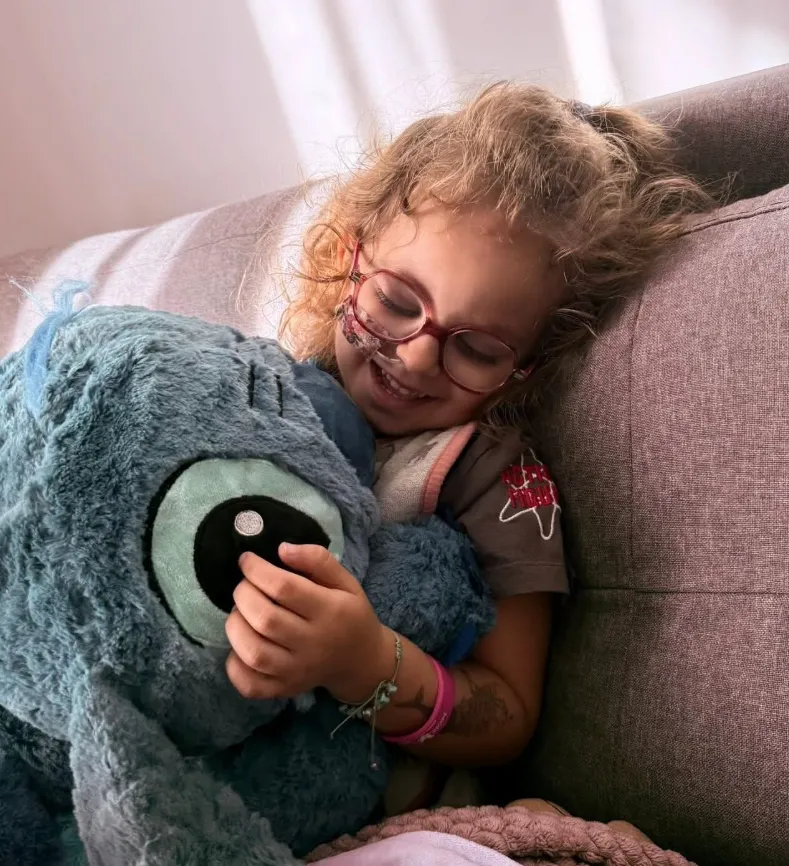
Even now, when the night is quiet, her parents say they sometimes feel her presence — a whisper, a warmth, a small reminder that love never really leaves.
Because Kiara’s story is not about loss — it’s about light.
A light that continues to shine, even when the world grows dark.
A light that reminds us all to live with open hearts, to laugh even through tears, and to love as if every moment matters.
And in that love, Kiara lives on — forever.