“A Child of Light Lost at the Festival of Light: Remembering 10-Year-Old Matilda”.5686

The news broke with a cruelty that words struggle to contain, spreading across Sydney and far beyond, leaving hearts heavy and minds reeling as people tried to understand how a child’s laughter could be silenced so suddenly.
According to reports, this is Matilda, a 10-year-old girl whose life was taken in a shooting at Bondi Beach, a place usually defined by sunlight, waves, and family memories, not by fear and loss.
Yesterday was meant to be a day of celebration, a moment for families to gather and mark the first day of Hanukkah together, honoring a tradition rooted in light, resilience, and hope.
Matilda had gone to the beach with her family for that very reason, drawn by the promise of togetherness, music, and the simple joy of standing beside loved ones as candles were lit against the darkening sky.
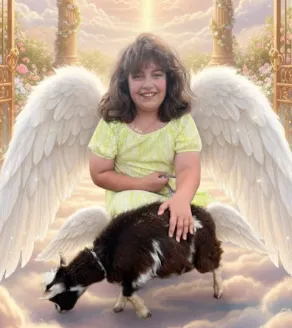
For her parents, it was meant to be one of those ordinary, precious family moments that quietly become memories, the kind you look back on years later with a smile.
But according to authorities, the celebration was shattered when gunfire erupted, turning a peaceful gathering into a scene of chaos and terror in a matter of seconds.
Witnesses describe panic spreading through the crowd as people tried to protect their children, shield loved ones, and escape a danger no one had expected.
In the midst of that confusion, Matilda was struck.
She was rushed to the hospital with horrific injuries, doctors fighting desperately to save a young life that should have had decades ahead of it.
Despite their efforts, she did not survive.
Fourteen other people were also killed in the attack, according to reports, a staggering number that has left an entire city grappling with grief and disbelief.

Authorities have said the attackers were targeting Jewish celebrations on the beach, a fact that has deepened the sense of shock and outrage felt by many.
For Matilda’s family, the scale of the tragedy means nothing compared to the single, unbearable truth that their child is gone.
Friends and relatives have described her as a bright, joyful, and spirited child, someone whose presence seemed to light up a room without effort.
They say she laughed easily, asked curious questions, and carried a warmth that made people feel at ease.
At ten years old, Matilda was still discovering the world, still forming dreams she would never get the chance to follow.
Her life was not defined by fear or hatred, but by innocence, curiosity, and the simple happiness of being a child.
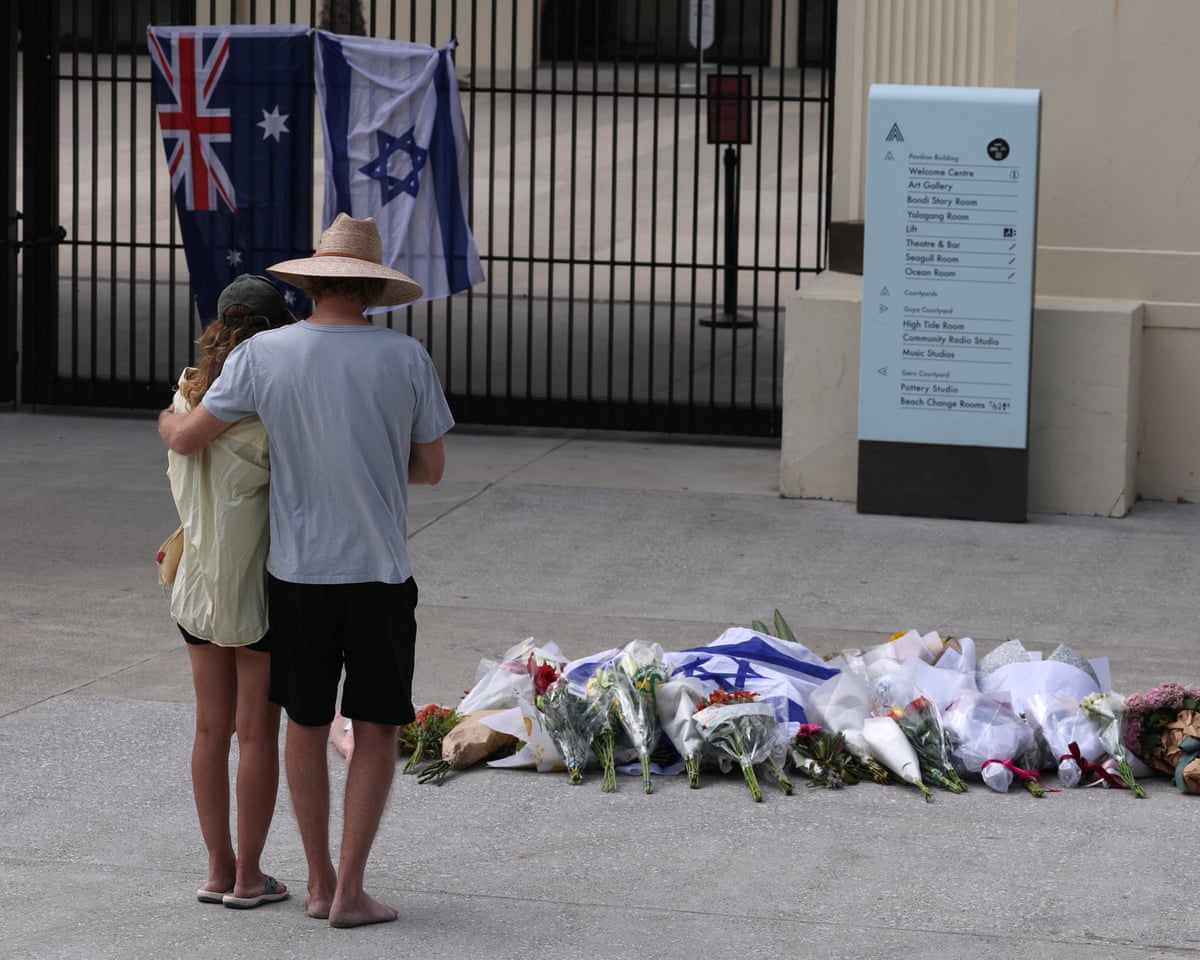
The image of her attending a celebration of light, only to be taken by violence, has become almost too painful for many to comprehend.
Across Sydney, people have begun leaving flowers, candles, and handwritten notes, small gestures meant to express grief that feels far too large for words.
Parents have held their children a little tighter, struck by the terrifying realization that even moments meant for joy can be stolen without warning.
For the Jewish community, the pain is layered, combining the grief of lives lost with the shock of an attack on a sacred celebration.
Leaders and community members have spoken of fear, anger, and sorrow, but also of a determination not to let hatred define their identity or extinguish their traditions.
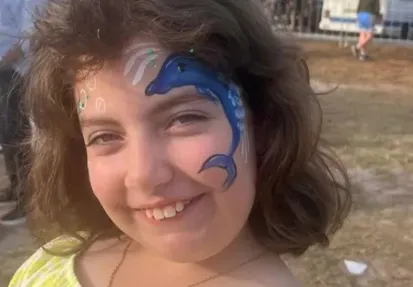
Hanukkah is a festival that remembers survival against overwhelming odds, the miracle of light enduring in darkness.
In the wake of this tragedy, that symbolism feels both painfully relevant and heartbreakingly tested.
Matilda’s death has become a symbol of everything that was lost in those moments, not just a single life, but the promise of what that life could have been.
She will never grow older, never reach milestones her parents once imagined, never look back on childhood memories of Bondi Beach.
Her family is now left with memories instead of futures, photographs instead of plans, and a grief that will reshape their lives forever.
Strangers, too, have mourned her, moved by the simple unfairness of a child dying in an act of violence she could never have understood.
Social media has filled with messages of sorrow, anger, and solidarity, many ending with the same words, repeated again and again as if saying them might help make sense of the loss.
Rest in peace, Matilda.
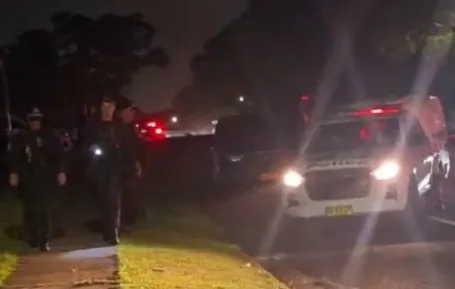
It is a phrase that feels painfully small compared to the weight of what has been taken.
Yet it carries a quiet promise, that her name will not be forgotten, that her story will be told, and that her life, however brief, mattered.
As investigations continue and questions remain unanswered, the focus for many has turned to remembrance.
To remembering Matilda not for the way she died, but for the joy she brought while she lived.
To remembering that behind every headline and statistic is a child who was loved beyond measure.
And to remembering that the cost of violence is not abstract, but heartbreakingly personal.
In the days ahead, Sydney will continue to grieve, to search for meaning, and to try to heal.
But for one family, healing will never mean forgetting.
Matilda’s light, described by those who knew her as bright and joyful, now lives on only in memory.
May she rest in peace, and may the world never stop mourning the loss of a child who should still be here.
“48 Hours After Surgery: The Little Girl Who Refused to Give Up”.3457
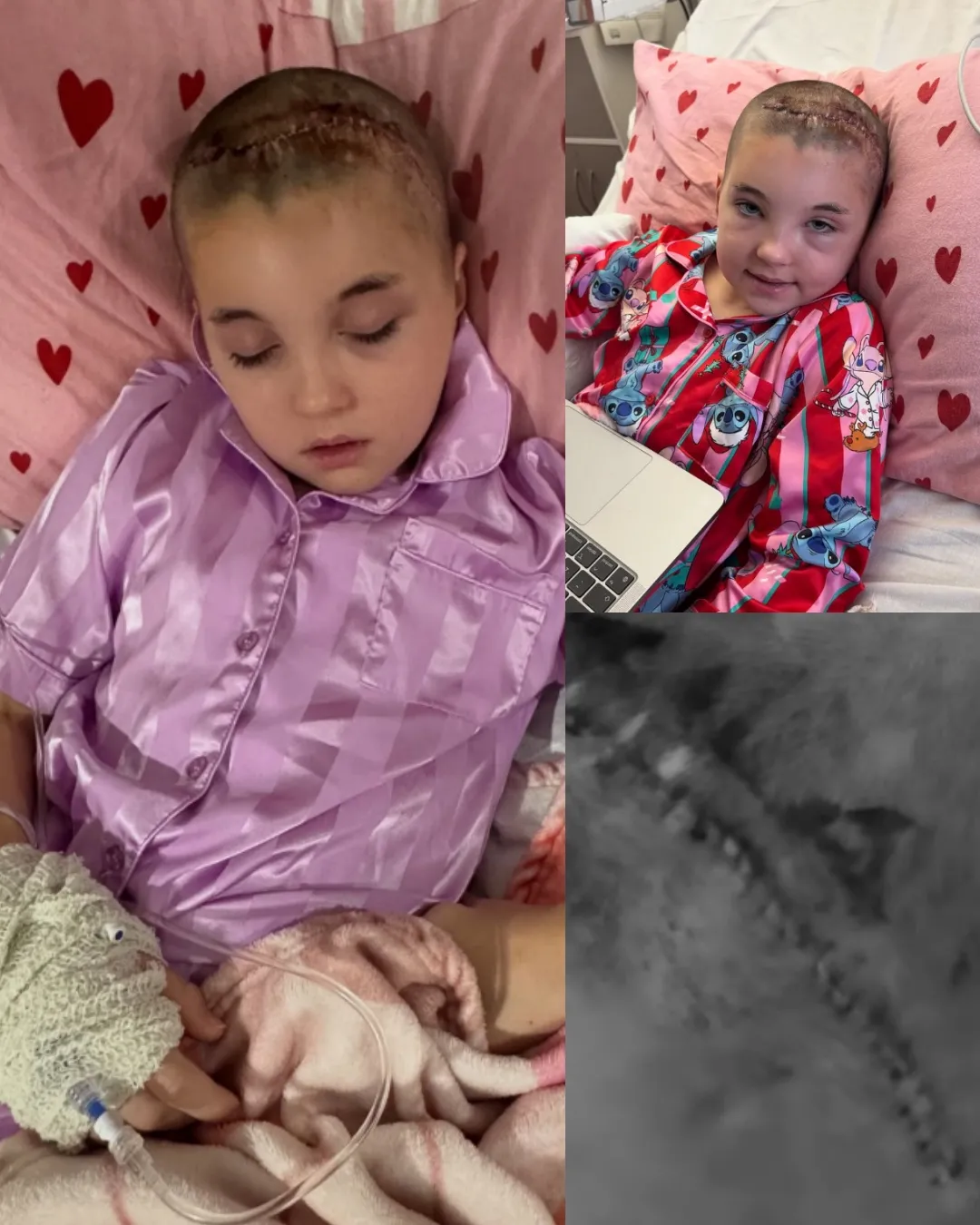
It’s been just forty-eight hours since little Myla was wheeled out of surgery — forty-eight hours that have felt like both a heartbeat and a lifetime to the people who love her most.
The hospital corridors are quiet now, except for the rhythmic beeping of machines and the soft shuffle of nurses’ shoes. Somewhere behind one of those closed doors lies a girl whose strength has already outshone her tiny frame — a girl who, even in her sleep, reminds everyone watching that courage has no size.
This is what recovery looks like — messy, uncertain, fragile, and yet somehow filled with light.

The Aftermath of a Battle
When the operation ended, relief came first. But in the days that followed, reality began to settle in. Myla’s body, brave as it is, has been through a war — and every hour since has been about finding her way back from it.
It’s now been seventy-two hours since she last ate. Before surgery, she had to fast. Since then, every attempt to eat or drink has ended in nausea and exhaustion. Her small stomach simply isn’t ready yet, her system too shaken by what it’s endured.
Her medical team has reconnected her to IV fluids to keep her hydrated — clear tubes snaking down from the tall metal pole beside her bed, dripping life drop by drop. Each drop a silent promise: We’re not done yet.
And though she hasn’t managed a meal, the doctors say that’s okay for now. What her body needs most is rest — and she’s been doing plenty of that.

A Body Learning to Adjust
Early this morning, the physio team noticed something unexpected. When Myla walked — carefully, hand in hand with her therapist — she seemed unaware of what was happening on her right side. A missed touch. A slight lean. Subtle, but enough to make the team pause.
Neurological recovery is rarely straightforward. After any major brain surgery, there can be moments like this — tiny, terrifying reminders that healing isn’t a straight line.
They ran a quick test — the “follow the finger” test, where a child tracks movement with her eyes. Myla passed it, and that brought a sigh of relief. Still, her team is watching closely, making sure every signal her brain sends finds its way to where it’s meant to go.
For now, it’s a waiting game — one step at a time, literally and figuratively.

The Hardest Day
Yesterday was brutal.
The pain came in waves — sharp, relentless, and exhausting. She cried, not out of fear, but out of pure, overwhelming discomfort. Her mother, Natalie, could do little more than hold her hand and whisper words of comfort she hoped could drown out the pain.
Every parent who’s ever sat by a hospital bed knows that feeling — the helplessness of wanting to take the hurt and realizing you can’t.
Myla was sick most of the day. The room smelled faintly of antiseptic and salt water, the air thick with the sound of machines. Nurses moved quickly but gently, cleaning, checking, adjusting the IV lines.
The doctors assured Natalie this was all part of recovery — unpleasant, yes, but expected. The body needs time to reorient after surgery. To purge the anesthesia. To remember what normal feels like.
By nightfall, Myla had finally drifted off to sleep. And when she did, the whole room seemed to exhale.

A Small Step Forward
Today, she’s been resting more peacefully. Her body, finally exhausted from the fight, has surrendered to the healing that comes only through sleep.
The fentanyl patch, which was used to control her pain, has been removed. It’s powerful stuff — the kind of medication that lingers long after it’s taken off, sometimes causing nausea and dizziness as it leaves the system.
The doctors think that may be the reason she’s been so sick. With the patch gone, her body can begin to reset, to find its balance again.
It’s slow progress — the kind that doesn’t show up in big victories, but in tiny moments that mean everything.
Like the first sip of water she manages to keep down.
Or the first time she opens her eyes and recognizes her mom’s face without confusion.
Or the faint smile that flickers when a nurse tells her she’s being brave.
Each of these moments matters. Each one is a milestone.

A Mother’s Watch
Natalie hasn’t left her daughter’s side.
She sleeps in a chair beside the bed, her back aching, her heart stretched thin between exhaustion and hope. When Myla stirs, she’s there — stroking her hair, whispering softly, her eyes glassy from too many sleepless nights.
She’s been sharing small updates online, not for attention, but for connection — for the hundreds of people who have followed Myla’s journey and pray for her daily.
“Thank you for your messages, your love, your prayers,” she wrote earlier. “It means the world.”
And it does. Because when you’re living inside the walls of a hospital, love from the outside feels like oxygen.

The Team Around Her
Every child in recovery is carried by an invisible team — doctors, nurses, specialists, family, and strangers who care. Myla’s team has been relentless in their dedication.
The neurosurgeons check her reflexes, the physiotherapists test her balance, the nurses monitor every IV drip with practiced precision. They celebrate her tiny wins, like when her color returns after a long nap or when her oxygen levels stabilize.
To them, she’s not just another patient. She’s Myla — a fighter, a familiar face in the ward, a little girl whose courage has left even seasoned professionals humbled.
The Quiet Between the Beeps
At night, when the hospital slows down, Natalie sometimes catches herself listening to the sounds that never stop — the beeping, the soft hiss of the oxygen, the hum of fluorescent lights.
In those quiet hours, when everything feels fragile, she reaches for hope — the kind that doesn’t promise miracles, but promises tomorrow.
Because tomorrow means another chance for progress. Another chance for strength. Another chance for Myla to take one more step toward recovery.
She knows this won’t be easy. But then again, nothing about Myla’s journey ever has been.

The Human Heart, Rewired
There’s something extraordinary about watching a child heal. It’s not just the physical recovery — it’s the emotional resilience that radiates from them even in the hardest moments.
Children like Myla don’t just endure pain. They redefine it. They take it, absorb it, and somehow turn it into something that gives the rest of us perspective.
Her story isn’t just about surgery or IVs or medical charts. It’s about what it means to fight when your body is small but your spirit is infinite.
A Mother’s Words
Natalie summed it up best when she wrote:
“We’re taking things one step at a time.”
It’s simple, but it’s everything. Because that’s all you can do when you’re standing on the edge of fear and faith — move forward, one step at a time.
She doesn’t know when her daughter will eat again, or when she’ll be strong enough to walk unaided, or when the next challenge will arrive.
But she does know this: Myla has made it through forty-eight hours she wasn’t guaranteed. And that alone is a victory worth celebrating.

Hope in the Details
Sometimes, hope hides in the smallest gestures — the way a nurse smooths a blanket, the way a friend texts “thinking of you”, the way a little girl squeezes her mother’s finger even in sleep.
That’s where recovery begins. Not in sudden miracles, but in quiet, ordinary faith.
And so, as night falls again and the machines continue their steady rhythm, Myla sleeps. Her chest rises and falls beneath the hospital sheets, her world held together by love, science, and something unexplainable — that unyielding force that keeps us fighting even when we’re tired.

The Road Ahead
No one knows what tomorrow will bring. Maybe Myla will eat a few bites. Maybe she’ll walk without leaning. Maybe she’ll simply smile a little longer before the pain returns.
Whatever happens, her journey will continue — one measured not in days, but in courage.
Because forty-eight hours after surgery, she’s still here. Still fighting. Still teaching everyone around her what resilience truly looks like.
And as her mother watches her sleep, she whispers words only a parent can understand:
“You did it, sweetheart. You made it through today.”
Sometimes, that’s all that matters — making it through today.
Because tomorrow, hope will wake up with her.
And that’s how healing begins.