California Agribusiness Tycoon Charged With Murder of Estranged Wife.5946

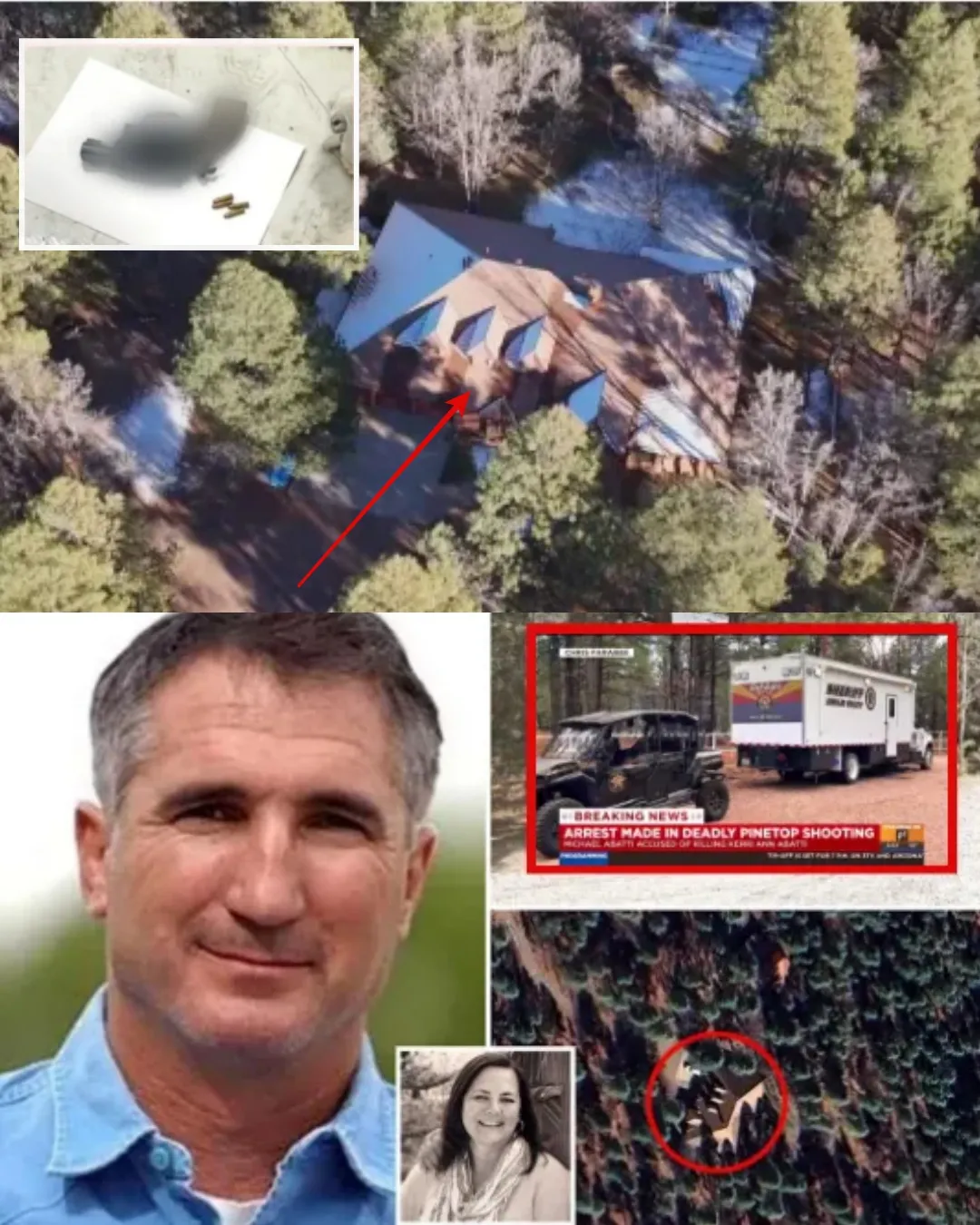

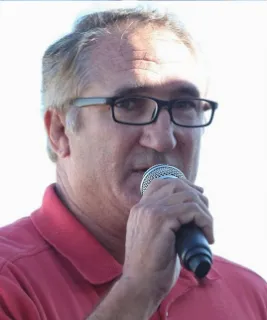
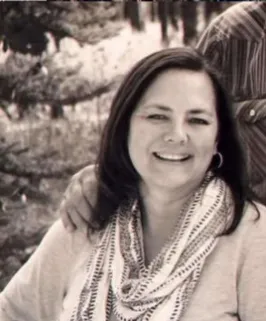
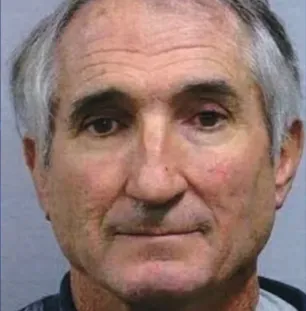
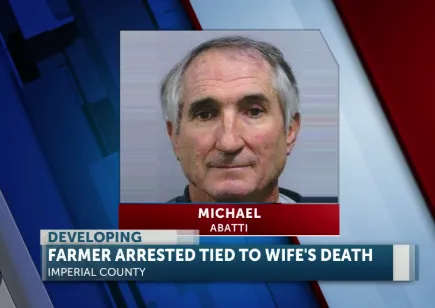
Michael Abatti, 63, an agricultural mogul from California, has been accused of murdering his estranged wife, Kerri Ann Abatti, 59, at their vacation home in a secluded area across the state line in Arizona.
The Navajo County Sheriff’s Office in Arizona confirmed on Tuesday that Abatti was charged with first-degree murder.
Abatti was arrested in El Centro, California, and is being held in Imperial County Jail as he awaits extradition to Arizona.
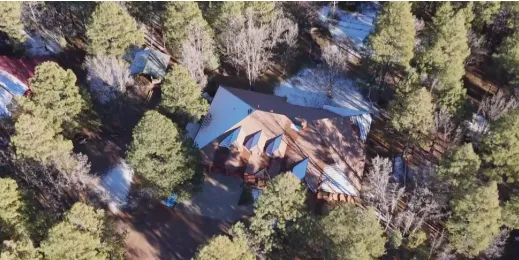
On the night of November 20, 2024, police responded to an emergency call at the couple’s vacation home in Pinetop, Arizona, a small town located in the eastern part of the state.
A 911 caller reported a medical emergency at the residence.
Upon arrival, law enforcement found Kerri Ann Abatti dead from gunshot wounds.
Investigators spent the following days combing the crime scene and collecting evidence.
On December 2, they executed multiple search warrants at properties, vehicles, and mobile homes connected to the Abatti family in El Centro, California.
Some of the evidence is still being analyzed, according to the Sheriff’s Office on Tuesday.
The investigation led authorities to Michael Abatti, who is believed to have driven the seven-hour route from the agricultural fields of Southern California to Eastern Arizona.
Once there, he shot and killed his estranged wife and immediately returned to California.
Detectives secured an indictment and arrest warrant for Abatti, who was taken into custody shortly thereafter.
According to reports from the Associated Press, the Pinetop home was a vacation retreat for the couple.
After separating in 2023, Kerri Ann moved to the home, and the couple’s divorce proceedings were still ongoing at the time of her death.
It is believed that they had disagreements over the amount of money she was entitled to from the divorce.
Court filings earlier this year revealed that Kerri Ann Abatti described her struggle to make ends meet.
“I barely make it day to day, doing all the manual labor on our large property in Arizona and maintaining it myself,” she wrote.
Michael Abatti, on the other hand, claimed he could not afford to increase his monthly support payments from $5,000 to $30,000, as requested by his wife, due to two challenging years in farming.
The couple married in 1992 and had three children together.
In addition to their homes in California and Arizona, they also owned a ranch in Wyoming and traveled extensively to places such as Hawaii, Italy, and Switzerland.
Their children attended private schools, and the family was well-known in the region.
Michael Abatti operates Mike Abatti Farms, based in El Centro, California, which has been a prominent agricultural business for over a century.
In 2021, Abatti sought the U.S. Supreme Court’s intervention to review a decision by the Fourth District Court of Appeal in California.
The ruling declared that the Imperial Irrigation District, not the farmers, held exclusive rights to water use in the Imperial Valley, which had long been a point of contention.
Kerri Ann Abatti’s tragic death marks a brutal chapter in a marriage that had, on the surface, appeared prosperous.
But beneath the outward wealth and success, there were personal struggles, financial tensions, and a marriage that was slowly crumbling.
The divorce, which had been filed but was not yet finalized, seemed to have been a turning point, revealing the deep emotional rift between the two.
In the days following the shooting, the community was left in shock.
The quiet town of Pinetop, typically untouched by the horrors of violent crime, was now the scene of a senseless tragedy.
For those who knew the couple, it was difficult to fathom how an argument over financial support and divorce settlements could escalate to such violence.
The psychological toll on those involved in the case has been profound.
Investigators have noted the unsettling calm with which Michael Abatti reportedly returned to California after the murder.
His decision to travel back immediately after the act, seemingly without remorse or any attempt to hide his tracks, suggests a chilling sense of entitlement and detachment.
The emotional aftermath for Kerri Ann’s family has been equally devastating.
Her loved ones have struggled with the grief of losing someone so unexpectedly and violently.
Kerri Ann was remembered as a woman who, despite her struggles, held onto her strength and perseverance through difficult times.
At the sentencing, Kerri Ann’s family is expected to deliver statements about the profound impact her death has had on their lives.
Her siblings, children, and close friends will no doubt share memories of her kindness, resilience, and the tragic loss of her life.
This case, like so many others, underscores the far-reaching consequences of domestic violence and the destructive power of unresolved anger and bitterness.
For Michael Abatti, the path to justice seems to be moving swiftly, but the pain and consequences of his actions will endure far longer than any prison sentence.
The life of a 59-year-old woman, full of unfulfilled dreams and unspoken hopes for the future, was taken in a senseless act of violence.
Her death leaves behind a family that will never be the same, and a community that is forever scarred by the loss of someone they once knew as a neighbor, a mother, and a friend.
In the coming weeks, the legal proceedings will continue, with Michael Abatti facing a long road to trial.
As the investigation unfolds and more details are revealed, the public is left to grapple with the tragic reality of a life cut short, the destruction of a family, and the unsettling question of how deeply personal grievances can turn into irreparable actions.
The case serves as a reminder of the need for intervention, understanding, and resources to help prevent domestic violence and to ensure that no other family must endure a similar heartbreak.
“Blanka’s Fight: A Little Girl’s Journey to Healing”.1917
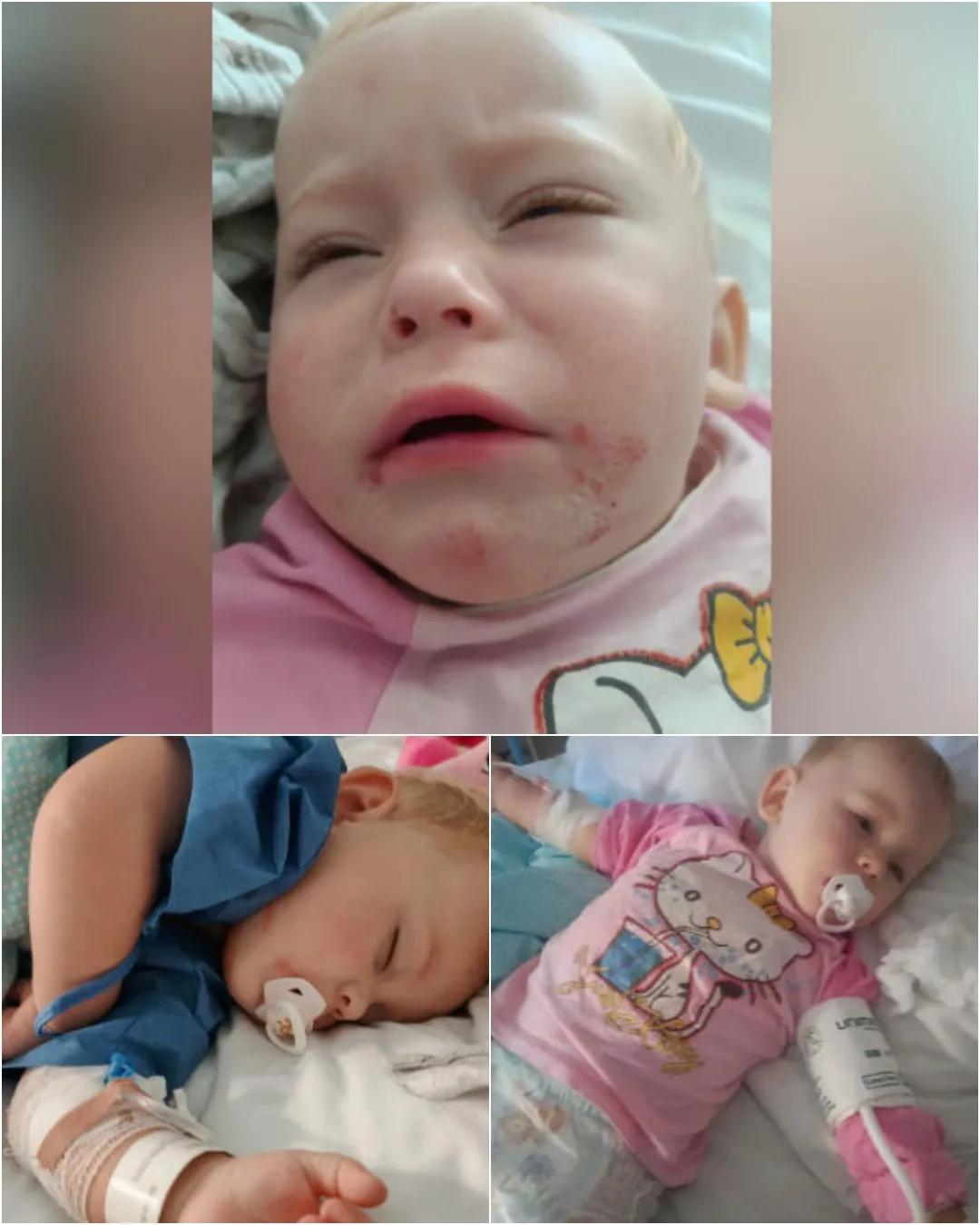
It was an ordinary day, one that gave no hint of the tragedy that would soon change our lives forever. I was at home with my little daughter, Blanka, who was happily playing with her toys in the next room. I had decided to do some cleaning, taking care of the usual chores, when I approached the oven to scrub it clean. The house was quiet, filled with the soft sounds of her laughter echoing from the other room. I remember thinking how peaceful it all was—little did I know how quickly that peace would shatter.
Suddenly, Blanka came running into the kitchen. In her tiny hands, she was holding an open bottle of a chemical cleaner—a bottle that should never have been within her reach. Before I could react, the liquid spilled over her clothes, seeping into the fabric and onto her delicate skin. I froze for a moment, horrified, as I realized the severity of what had just happened. Her screams pierced the air, and I could see the tears streaming down her face—large, helpless tears of fear and pain. My heart broke into pieces.
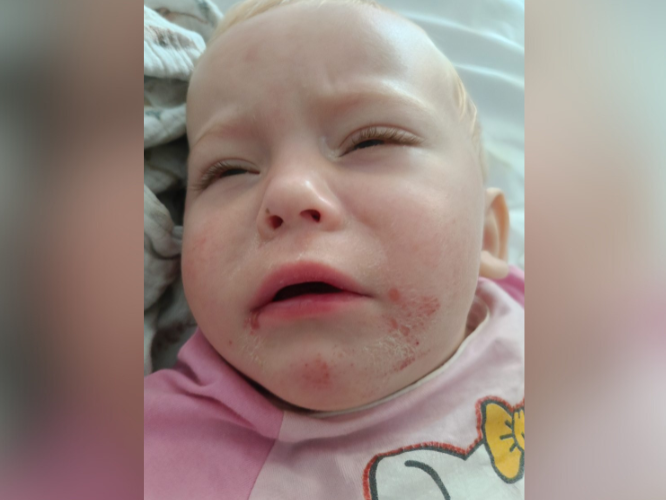
The chemical had burned her onesie almost immediately, and the liquid had also reached the area around her mouth. I felt a cold, helpless panic washing over me. My first instinct was to call for help. I dialed 112, my hands trembling as I explained the situation. Every second felt like an eternity. It seemed as though the ambulance would never arrive. In my desperation, I called again, hoping to speed things up. It was only later that I realized that just three minutes had passed between my first and second calls, but to me, those minutes felt endless.
While on the phone with the emergency operator, I was instructed to pour cold water over the burned areas to cool them and prevent further damage until help arrived. I followed these instructions as quickly and carefully as I could, my hands shaking, tears falling, and heart racing. Eventually, the paramedics arrived. They assessed the situation quickly and carefully, offering words of reassurance even as they worked with urgency. First, they took us to the emergency room, and then to the specialized burn surgery ward, where Blanka could receive the attention she desperately needed.
The days that followed were some of the most terrifying in our lives. The medical team worked tirelessly to stabilize her, treating the burns and monitoring her condition. After careful evaluation, they made the difficult decision that Blanka would need a skin graft. On August 28, 2025, the accident had occurred, but it was only on September 12 that we were finally able to return home. The skin graft was a success—thankfully, it took completely, a small miracle in the midst of our fear. Yet the donor site, the area from which the graft had been taken, was healing more slowly. Every glance at her little leg reminded us of the ordeal she had endured.
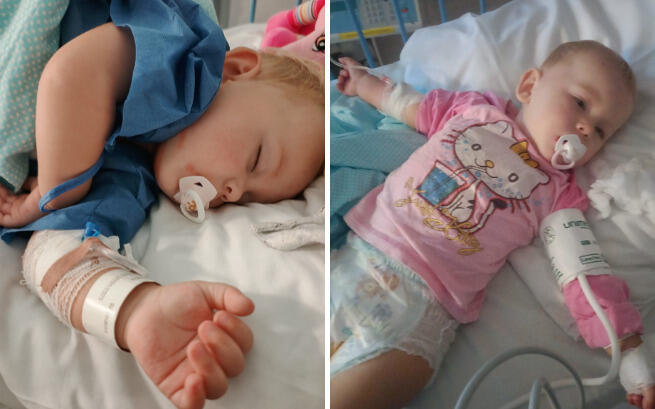
Even now, the road to full recovery is long. The doctors informed us that to aid proper healing and to minimize scarring, Blanka would need to wear special pressure garments. These garments help support the skin during its regeneration, reduce the risk of severe scar formation, and promote overall recovery. The process is lengthy, and we are unsure exactly how long she will need to wear them. Complicating matters, Blanka is growing quickly, which means we will need to purchase new garments to accommodate her every few months.
In addition to the garments, her recovery will require ongoing medical creams, topical treatments, and potentially rehabilitative therapy to ensure she regains full mobility and that her scars heal properly. Each visit to the doctor, each new prescription, each garment comes with a cost—costs that are quickly becoming overwhelming for us as her parents. We want nothing more than to give Blanka the chance to heal fully, to play freely again, and to return to the carefree life she had before the accident, but the financial burden is immense.
Every day, I watch her with a mixture of awe and sorrow. She is so young, so small, yet she has already endured a trauma that would terrify even an adult. She smiles at me through the pain, her laughter a reminder of the incredible resilience that children possess, a resilience that keeps us going even when our own hearts feel heavy. Each time she takes a step in her pressure garment, each time she allows us to care for her wounds without protest, I see her courage shining through. It is humbling, it is heart-wrenching, and it is inspiring all at once.
As parents, we feel a constant mixture of fear and hope. We are haunted by the memory of those first few minutes after the spill, yet we are lifted by each sign of progress, each small improvement, each day that she wakes up pain-free or less uncomfortable than the day before. Life before the accident seems like a distant memory. There is no going back, only forward, only the fight to ensure that Blanka can grow, play, and live without the shadow of this incident following her.
We are reaching out because we cannot manage this alone. The cost of specialized garments, creams, treatments, and rehabilitative care is simply beyond our means. Every contribution, no matter how small, is a lifeline, a piece of hope that allows our little girl to continue her journey toward healing. Every share of this story, every donation, is a step toward giving Blanka the life she deserves—a life where she can run, play, laugh, and grow without limitations.
We dream of the day when we no longer need to think about bandages or creams, when her skin is fully healed, and when Blanka can wear her favorite dresses without restriction or discomfort. We long to hear her laughter fill our home uninterrupted, to see her run freely across the yard or play with her toys without the constant reminder of her trauma. That day is the goal, and it is what drives us forward, every moment of every day.
Blanka’s bravery is beyond her years. Her tiny hands, her innocent laughter, and her unwavering spirit remind us that children are capable of surviving the unthinkable. Her life is precious, and every effort to support her healing is an investment in her future. We are asking for your help not just to cover the financial costs, but to give our daughter the chance to heal fully, to reclaim her childhood, and to thrive.
We are humbled, grateful, and hopeful. Humbled by the sheer scale of the challenge, grateful for every person who has already offered their prayers, support, or words of encouragement, and hopeful that together, as a community, we can help our daughter recover completely. Each small act of kindness, each donation, each message of support brings us closer to the day when Blanka can put this tragedy behind her and embrace life as a child should.
Our daughter’s journey is far from over. There are many steps ahead—follow-up appointments, ongoing care, and constant monitoring. But every day that she progresses, every day that she smiles, and every small victory counts. We remain determined to walk this road alongside her, to fight for her health, and to give her every possible opportunity to live fully.
We appeal to your generosity, to your compassion, and to your sense of humanity. Every donation, every share of this story, every act of support is a chance to provide hope and healing to a child who deserves nothing less than a full, healthy life. Blanka is a warrior, and she needs your help to continue her fight.
Please, stand with us in giving Blanka the opportunity to heal. Help us cover the cost of specialized pressure garments, medical creams, and rehabilitation. Help us give her the chance to regain her childhood and to smile freely once again. Every gesture counts. Every contribution is hope. Every act of kindness is a step toward a brighter, healthier future for our little girl.
From the bottom of our hearts, thank you.
—Blanka’s Parents



Michael Abatti, 63, an agricultural mogul from California, has been accused of murdering his estranged wife, Kerri Ann Abatti, 59, at their vacation home in a secluded area across the state line in Arizona.
The Navajo County Sheriff’s Office in Arizona confirmed on Tuesday that Abatti was charged with first-degree murder.
Abatti was arrested in El Centro, California, and is being held in Imperial County Jail as he awaits extradition to Arizona.
On the night of November 20, 2024, police responded to an emergency call at the couple’s vacation home in Pinetop, Arizona, a small town located in the eastern part of the state.
A 911 caller reported a medical emergency at the residence.
Upon arrival, law enforcement found Kerri Ann Abatti dead from gunshot wounds.
Investigators spent the following days combing the crime scene and collecting evidence.
On December 2, they executed multiple search warrants at properties, vehicles, and mobile homes connected to the Abatti family in El Centro, California.
Some of the evidence is still being analyzed, according to the Sheriff’s Office on Tuesday.
The investigation led authorities to Michael Abatti, who is believed to have driven the seven-hour route from the agricultural fields of Southern California to Eastern Arizona.
Once there, he shot and killed his estranged wife and immediately returned to California.
Detectives secured an indictment and arrest warrant for Abatti, who was taken into custody shortly thereafter.
According to reports from the Associated Press, the Pinetop home was a vacation retreat for the couple.
After separating in 2023, Kerri Ann moved to the home, and the couple’s divorce proceedings were still ongoing at the time of her death.
It is believed that they had disagreements over the amount of money she was entitled to from the divorce.
Court filings earlier this year revealed that Kerri Ann Abatti described her struggle to make ends meet.
“I barely make it day to day, doing all the manual labor on our large property in Arizona and maintaining it myself,” she wrote.
Michael Abatti, on the other hand, claimed he could not afford to increase his monthly support payments from $5,000 to $30,000, as requested by his wife, due to two challenging years in farming.
The couple married in 1992 and had three children together.
In addition to their homes in California and Arizona, they also owned a ranch in Wyoming and traveled extensively to places such as Hawaii, Italy, and Switzerland.
Their children attended private schools, and the family was well-known in the region.
Michael Abatti operates Mike Abatti Farms, based in El Centro, California, which has been a prominent agricultural business for over a century.
In 2021, Abatti sought the U.S. Supreme Court’s intervention to review a decision by the Fourth District Court of Appeal in California.
The ruling declared that the Imperial Irrigation District, not the farmers, held exclusive rights to water use in the Imperial Valley, which had long been a point of contention.
Kerri Ann Abatti’s tragic death marks a brutal chapter in a marriage that had, on the surface, appeared prosperous.
But beneath the outward wealth and success, there were personal struggles, financial tensions, and a marriage that was slowly crumbling.
The divorce, which had been filed but was not yet finalized, seemed to have been a turning point, revealing the deep emotional rift between the two.
In the days following the shooting, the community was left in shock.
The quiet town of Pinetop, typically untouched by the horrors of violent crime, was now the scene of a senseless tragedy.
For those who knew the couple, it was difficult to fathom how an argument over financial support and divorce settlements could escalate to such violence.
The psychological toll on those involved in the case has been profound.
Investigators have noted the unsettling calm with which Michael Abatti reportedly returned to California after the murder.
His decision to travel back immediately after the act, seemingly without remorse or any attempt to hide his tracks, suggests a chilling sense of entitlement and detachment.
The emotional aftermath for Kerri Ann’s family has been equally devastating.
Her loved ones have struggled with the grief of losing someone so unexpectedly and violently.
Kerri Ann was remembered as a woman who, despite her struggles, held onto her strength and perseverance through difficult times.
At the sentencing, Kerri Ann’s family is expected to deliver statements about the profound impact her death has had on their lives.
Her siblings, children, and close friends will no doubt share memories of her kindness, resilience, and the tragic loss of her life.
This case, like so many others, underscores the far-reaching consequences of domestic violence and the destructive power of unresolved anger and bitterness.
For Michael Abatti, the path to justice seems to be moving swiftly, but the pain and consequences of his actions will endure far longer than any prison sentence.
The life of a 59-year-old woman, full of unfulfilled dreams and unspoken hopes for the future, was taken in a senseless act of violence.
Her death leaves behind a family that will never be the same, and a community that is forever scarred by the loss of someone they once knew as a neighbor, a mother, and a friend.
In the coming weeks, the legal proceedings will continue, with Michael Abatti facing a long road to trial.
As the investigation unfolds and more details are revealed, the public is left to grapple with the tragic reality of a life cut short, the destruction of a family, and the unsettling question of how deeply personal grievances can turn into irreparable actions.
The case serves as a reminder of the need for intervention, understanding, and resources to help prevent domestic violence and to ensure that no other family must endure a similar heartbreak.
“Blanka’s Fight: A Little Girl’s Journey to Healing”.1917
It was an ordinary day, one that gave no hint of the tragedy that would soon change our lives forever. I was at home with my little daughter, Blanka, who was happily playing with her toys in the next room. I had decided to do some cleaning, taking care of the usual chores, when I approached the oven to scrub it clean. The house was quiet, filled with the soft sounds of her laughter echoing from the other room. I remember thinking how peaceful it all was—little did I know how quickly that peace would shatter.
Suddenly, Blanka came running into the kitchen. In her tiny hands, she was holding an open bottle of a chemical cleaner—a bottle that should never have been within her reach. Before I could react, the liquid spilled over her clothes, seeping into the fabric and onto her delicate skin. I froze for a moment, horrified, as I realized the severity of what had just happened. Her screams pierced the air, and I could see the tears streaming down her face—large, helpless tears of fear and pain. My heart broke into pieces.
The chemical had burned her onesie almost immediately, and the liquid had also reached the area around her mouth. I felt a cold, helpless panic washing over me. My first instinct was to call for help. I dialed 112, my hands trembling as I explained the situation. Every second felt like an eternity. It seemed as though the ambulance would never arrive. In my desperation, I called again, hoping to speed things up. It was only later that I realized that just three minutes had passed between my first and second calls, but to me, those minutes felt endless.
While on the phone with the emergency operator, I was instructed to pour cold water over the burned areas to cool them and prevent further damage until help arrived. I followed these instructions as quickly and carefully as I could, my hands shaking, tears falling, and heart racing. Eventually, the paramedics arrived. They assessed the situation quickly and carefully, offering words of reassurance even as they worked with urgency. First, they took us to the emergency room, and then to the specialized burn surgery ward, where Blanka could receive the attention she desperately needed.
The days that followed were some of the most terrifying in our lives. The medical team worked tirelessly to stabilize her, treating the burns and monitoring her condition. After careful evaluation, they made the difficult decision that Blanka would need a skin graft. On August 28, 2025, the accident had occurred, but it was only on September 12 that we were finally able to return home. The skin graft was a success—thankfully, it took completely, a small miracle in the midst of our fear. Yet the donor site, the area from which the graft had been taken, was healing more slowly. Every glance at her little leg reminded us of the ordeal she had endured.
Even now, the road to full recovery is long. The doctors informed us that to aid proper healing and to minimize scarring, Blanka would need to wear special pressure garments. These garments help support the skin during its regeneration, reduce the risk of severe scar formation, and promote overall recovery. The process is lengthy, and we are unsure exactly how long she will need to wear them. Complicating matters, Blanka is growing quickly, which means we will need to purchase new garments to accommodate her every few months.
In addition to the garments, her recovery will require ongoing medical creams, topical treatments, and potentially rehabilitative therapy to ensure she regains full mobility and that her scars heal properly. Each visit to the doctor, each new prescription, each garment comes with a cost—costs that are quickly becoming overwhelming for us as her parents. We want nothing more than to give Blanka the chance to heal fully, to play freely again, and to return to the carefree life she had before the accident, but the financial burden is immense.
Every day, I watch her with a mixture of awe and sorrow. She is so young, so small, yet she has already endured a trauma that would terrify even an adult. She smiles at me through the pain, her laughter a reminder of the incredible resilience that children possess, a resilience that keeps us going even when our own hearts feel heavy. Each time she takes a step in her pressure garment, each time she allows us to care for her wounds without protest, I see her courage shining through. It is humbling, it is heart-wrenching, and it is inspiring all at once.
As parents, we feel a constant mixture of fear and hope. We are haunted by the memory of those first few minutes after the spill, yet we are lifted by each sign of progress, each small improvement, each day that she wakes up pain-free or less uncomfortable than the day before. Life before the accident seems like a distant memory. There is no going back, only forward, only the fight to ensure that Blanka can grow, play, and live without the shadow of this incident following her.
We are reaching out because we cannot manage this alone. The cost of specialized garments, creams, treatments, and rehabilitative care is simply beyond our means. Every contribution, no matter how small, is a lifeline, a piece of hope that allows our little girl to continue her journey toward healing. Every share of this story, every donation, is a step toward giving Blanka the life she deserves—a life where she can run, play, laugh, and grow without limitations.
We dream of the day when we no longer need to think about bandages or creams, when her skin is fully healed, and when Blanka can wear her favorite dresses without restriction or discomfort. We long to hear her laughter fill our home uninterrupted, to see her run freely across the yard or play with her toys without the constant reminder of her trauma. That day is the goal, and it is what drives us forward, every moment of every day.
Blanka’s bravery is beyond her years. Her tiny hands, her innocent laughter, and her unwavering spirit remind us that children are capable of surviving the unthinkable. Her life is precious, and every effort to support her healing is an investment in her future. We are asking for your help not just to cover the financial costs, but to give our daughter the chance to heal fully, to reclaim her childhood, and to thrive.
We are humbled, grateful, and hopeful. Humbled by the sheer scale of the challenge, grateful for every person who has already offered their prayers, support, or words of encouragement, and hopeful that together, as a community, we can help our daughter recover completely. Each small act of kindness, each donation, each message of support brings us closer to the day when Blanka can put this tragedy behind her and embrace life as a child should.
Our daughter’s journey is far from over. There are many steps ahead—follow-up appointments, ongoing care, and constant monitoring. But every day that she progresses, every day that she smiles, and every small victory counts. We remain determined to walk this road alongside her, to fight for her health, and to give her every possible opportunity to live fully.
We appeal to your generosity, to your compassion, and to your sense of humanity. Every donation, every share of this story, every act of support is a chance to provide hope and healing to a child who deserves nothing less than a full, healthy life. Blanka is a warrior, and she needs your help to continue her fight.
Please, stand with us in giving Blanka the opportunity to heal. Help us cover the cost of specialized pressure garments, medical creams, and rehabilitation. Help us give her the chance to regain her childhood and to smile freely once again. Every gesture counts. Every contribution is hope. Every act of kindness is a step toward a brighter, healthier future for our little girl.
From the bottom of our hearts, thank you.
—Blanka’s Parents