Isaiah Shoels: A Life Cut Too Short.4102

The Columbine shooting of April 20, 1999, is etched into the memory of a generation. For many, it was a tragedy of incomprehensible scale, a day when innocence was shattered, and the world changed forever.
Among the thirteen lives lost was Isaiah Shoels, an 18-year-old with a laugh that could light up a room, a smile that drew people to him, and a dream of creating music that could heal hearts.
Isaiah’s story is one of hope, talent, and the cruel randomness of violence, a reminder of both the beauty and fragility of life.

Isaiah was more than a student; he was a musician, a friend, and a young man filled with quiet optimism. He had dreams beyond the hallways of Columbine High School.
Music was his sanctuary. From the rhythms of hip-hop to the melodies of R&B, Isaiah found ways to express the feelings too complex for words.
He believed in the power of sound, in the ability of a song to soothe pain and bring people together. His friends often described him as someone who could make anyone laugh, who had a kindness that transcended the cliques and divisions that often mark high school life.

On that spring morning, Isaiah arrived at school with plans like any other day: classes, homework, hanging out with friends, and dreaming about his music.
The air was crisp, sunlight spilling over the campus lawns, and yet, beneath the normalcy of the morning, a storm was quietly brewing. No one knew how violently life could change in an instant.

When the first shots rang out, chaos erupted. Students ran screaming, some hiding in closets, others ducking behind lockers. Isaiah, with two friends, made their way to the library, seeking shelter.
Huddled under a table, their hearts pounding, they whispered prayers to survive. Isaiah’s mind must have raced, trying to reconcile the normalcy of school life with the terror now unfolding.
He was known for his calmness under pressure, his ability to comfort those around him, and in that moment, he tried to be the anchor for his friends, even as fear gnawed at every nerve.

But the shooters found him. Their cruelty was immediate and targeted.
One of the gunmen’s voice pierced the panic, calling out, filled with racial hatred: “There’s a n***er over here!” Isaiah’s friends froze, holding their breath, praying that somehow, their hiding place would protect them.
The words themselves were a dagger, cutting deeper than any physical wound, exposing the darkness of hate that had been lurking unnoticed.
The shooters reached under the table, attempting to drag Isaiah out. “Come on, get up! You think you’re tough?” they sneered, their laughter a soundtrack to the unimaginable horror.
Isaiah’s friends whispered for him to stay still, hoping against hope that somehow, this nightmare could end without taking him. But the hatred was relentless.
Then came the shot — a single, fatal bullet that ended a life brimming with promise. Isaiah’s body fell silent, the dreams he had nurtured for years extinguished in a moment.

The aftermath was surreal. Smoke hung in the library, the echoes of gunfire replaced by sobs, screams, and stunned silence.
One of the killers, oblivious to the humanity before him, remarked with twisted fascination: “Look at this Black kid’s brain! Awesome, man.”
Isaiah hadn’t even been hit in the head, yet the statement underscored the grotesque dehumanization that fueled the attack. It was a moment that highlighted not only the senselessness of the violence but also the racial hatred intertwined with it.
Isaiah’s loss rippled far beyond the walls of Columbine High. His family, friends, and community were left to grapple with grief, anger, and incomprehension.
How could a boy so full of life, so talented, be taken so abruptly? His parents described him as a gentle soul, a child who loved unconditionally, who always sought to bring joy to those around him.
The weight of his absence was palpable in every corner of their lives, a constant reminder of the day when the world seemed to stop spinning.

Yet, in grief, there is also memory, and in memory, a form of resistance against the erasure that violence seeks to impose. Isaiah’s friends recalled his laughter, his infectious energy, and the way he would hum melodies while walking down the hall.
They spoke of his dedication to music, of how he would spend hours writing lyrics and experimenting with beats, imagining a future where his songs could connect people, comfort them, and heal wounds.
Even in the shadow of his death, Isaiah’s spirit lived on through the music he loved, the stories his friends told, and the lessons of courage and kindness he had imparted.

The Columbine tragedy, with all its horror, also became a catalyst for reflection and change. Isaiah’s story, and the recognition of the targeted nature of his murder, brought attention to the intersection of gun violence and racial hatred.
His life reminded a grieving nation that victims are not statistics; they are humans with dreams, passions, and families who continue to mourn them long after the headlines fade.

Isaiah’s friends often speak of him not as a victim, but as a force of joy and inspiration. He exemplified resilience in a world that can be cruel, showing that even in ordinary life, one can embody extraordinary light.
Every beat of music he created, every smile he shared, and every act of kindness he performed continues to echo, defying the attempt to erase him.
The legacy of Isaiah Shoels is complex, poignant, and enduring. He represents the countless young lives cut short by violence, the unfulfilled potential of a generation, and the resilience of the human spirit in the face of hate.
Schools, communities, and individuals continue to honor his memory, not just as a reminder of tragedy, but as a testament to what it means to live fully, love generously, and pursue dreams relentlessly, no matter how brief life may be.

Isaiah’s story challenges us to confront hatred, to acknowledge the fragility of life, and to recognize the enduring impact one person can have, even in the face of unimaginable loss.
He was a boy with music in his soul, laughter in his heart, and a light that, though extinguished too soon, continues to illuminate the lives of all who remember him.
In remembering Isaiah Shoels, we are reminded that behind every statistic is a story, behind every name a human being with dreams, talents, and love to give.
His life, though tragically brief, teaches us about courage, empathy, and the profound power of remembering those lost to senseless violence.

Isaiah Shoels was more than a victim of Columbine. He was a musician, a friend, a brother, and a light that refused to be forgotten.
His story endures as a symbol of hope and humanity, urging us to cherish every moment, to stand against hatred, and to honor the lives of those taken far too soon.

The music Isaiah dreamed of making may never have reached the world in the way he intended, but through memory, storytelling, and the hearts of those who loved him, it lives on.
Every note he hummed, every smile he shared, and every act of kindness he performed continues to resonate, ensuring that Isaiah Shoels is remembered not just for the tragedy that took him, but for the life, laughter, and light he gave to all who knew him.
He Was 15. And He Was Killed in Broad Daylight.5939
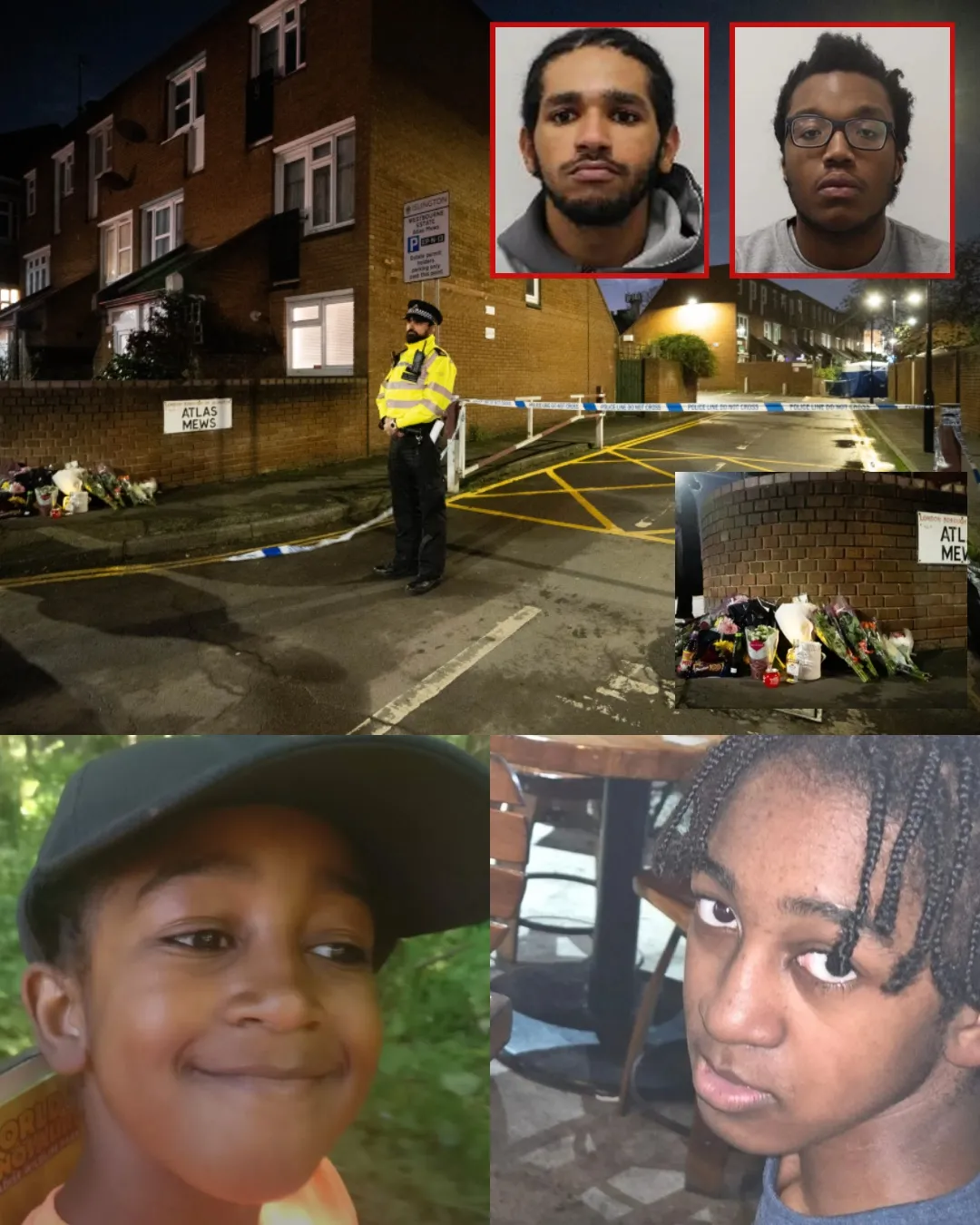
In the middle of an ordinary weekday afternoon, the city kept moving.
Buses passed, footsteps echoed, and conversations overlapped in familiar rhythms.
No one expects violence to arrive at 1:00 p.m.
On December 9, in Islington, a teenage boy’s life ended suddenly and brutally.
Adam Henry was just 15 years old.
By the time the sirens cut through the street, it was already too late.
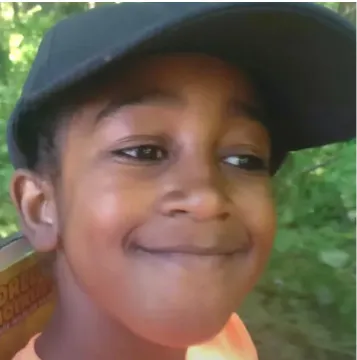
News of Adam’s death rippled through London with a familiar but no less devastating weight.
Another child lost.
Another family shattered.
Police say Adam was stabbed in what investigators later described as a “senseless” act of violence.
The word feels thin when placed against the reality of a child dying in daylight.
Some losses defy language.
London Ambulance Service rushed Adam to the hospital.
Doctors fought to save him.
But the injuries were fatal.
By evening, confirmation came.
A 15-year-old boy had died.
A family’s world had collapsed.
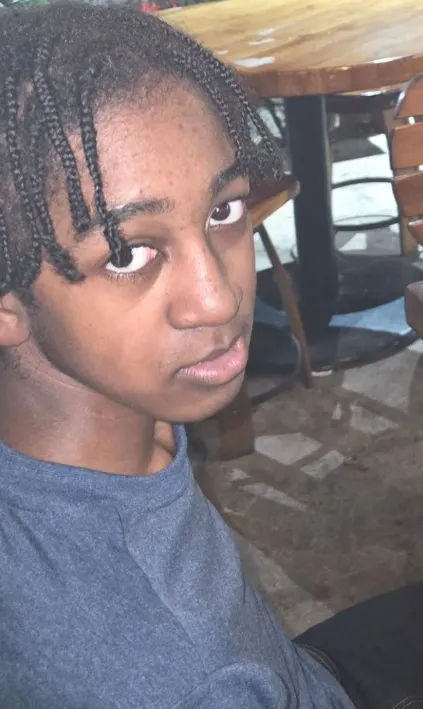
For those who loved Adam, time fractured that afternoon.
There was life before the phone call.
And life after, forever changed.
Details emerged slowly, carefully.
The Metropolitan Police began piecing together what happened.
Street by street, minute by minute.
On December 15, six days after Adam’s death, a development arrived.
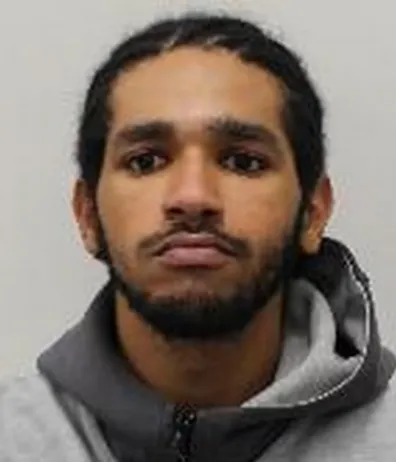
A 20-year-old man named Tsidi Winion was charged with murder.
He was also charged with possession of an offensive weapon.
Winion was remanded in custody.
The court date ahead carried the heavy promise of justice, but no relief.
Nothing could undo what had already happened.
Still, police knew the investigation was not over.
Another suspect remained at large.
And for Adam’s family, waiting became another form of pain.
Days passed.
Then weeks.
Each sunrise carried hope and dread in equal measure.

On December 26, after a two-week manhunt, police located a second suspect.
Twenty-two-year-old Abdel Derdour was arrested at a property in northwest London.
The search was over, but the grief was not.
Two days later, on December 28, Derdour was formally charged with murder.
He was scheduled to appear at Highbury Corner Magistrates’ Court on December 29.
Another step forward, heavy and somber.
As part of the same operation, officers arrested a 39-year-old man, Daniel Williams.
He was charged with fraud, theft, dangerous driving, and taking a vehicle without the owner’s consent.
His charges, though serious, were separate from Adam’s killing.

Three additional individuals — two men and one woman — were also arrested.
Police later confirmed they were released on bail.
The investigation continued to widen.
Behind every update was a family still in shock.
Adam’s loved ones were placed under the care of specialist officers.
Support, however skilled, cannot fill an empty chair.
Adam was not a headline to them.
He was a son, a relative, a friend.
A boy with routines, jokes, and a future.

At fifteen, life is still unfolding.
School days blur together, friendships feel permanent, and adulthood feels distant.
Adam never reached that distance.
In Islington, people paused at the site of the stabbing.
Flowers appeared.
Candles flickered against the cold.
Each flame represented something unfinished.
A birthday that would not come.
Dreams that would never be spoken aloud.

Knife crime has long haunted London’s streets.
Each case feels both familiar and uniquely unbearable.
Because the victims keep getting younger.
Detective Chief Inspector Allam Bhangoo addressed the public with measured resolve.
“Our thoughts remain with Adam’s loved ones throughout this unimaginably difficult time,” he said.
Words offered carefully, knowing they could never be enough.
“There is no place for senseless acts of violence on our streets,” he continued.
“And those responsible for such crimes should be brought to justice.”
A promise, spoken aloud, into a grieving city.

For Adam’s family, justice is not closure.
It is only a line drawn between right and wrong.
The absence remains unchanged.
In classrooms across the borough, students struggled to focus.
Some knew Adam.
Others simply knew he was one of them.
Teachers lowered their voices.
Parents hugged their children longer that night.
Fear and sorrow moved quietly through homes.
A teenager dying at midday strips away illusions.
It reminds a city how fragile safety can be.
How quickly ordinary moments turn fatal.
Community leaders renewed calls for intervention.
For prevention.
For change that goes beyond mourning.
But change moves slowly.
Grief arrives fast.
And Adam’s name joined a list no city wants to keep.
His story is now tied to court dates and charges.
But it should also be tied to remembrance.
To the life he lived before violence took it.
Fifteen years is not enough time.
It is barely the beginning.
And yet, it was all Adam was given.
As the legal process continues, the family waits.
Not for answers — those may never fully come.
But for accountability.
In the meantime, the city remembers.
Through candles, silence, and shared resolve.
Through the refusal to let Adam become just another statistic.
Violence may have taken his life.
But it does not get to take his name.
Adam Henry mattered.
And in the spaces between headlines and courtrooms, that truth endures.