A Normal Sunday, a Living Room Argument, and a Moment That Turned Deadly.5881

The Game Was Still On
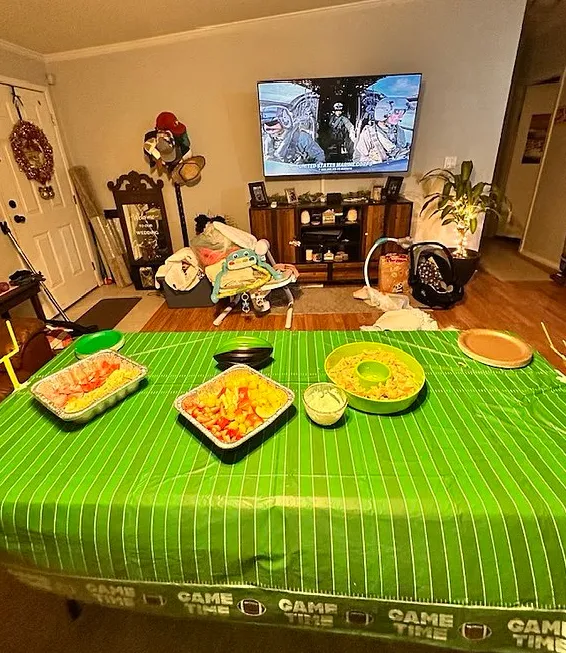
The television was on, filling the room with noise that should have meant nothing more than a Sunday routine.
Players ran across the screen, commentators raised their voices, the game unfolding like any other.
Inside the house, something far more dangerous was building.
It was an argument that began over a television channel.
A request to turn it off.
A moment that should have ended there.
Instead, it became fatal.
Not because of football.
But because of anger that had nowhere healthy to go.
Authorities say the incident happened in Polk County.
A family home became the site of a violent domestic tragedy.
One that left multiple lives shattered.
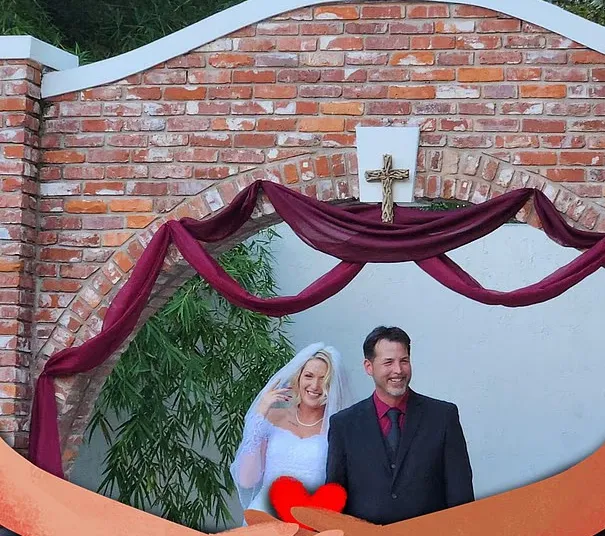
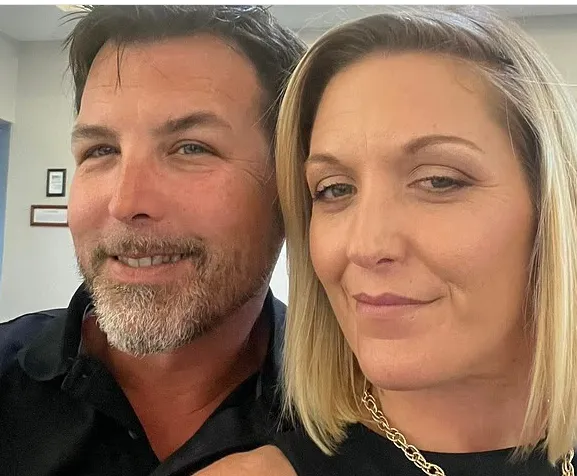
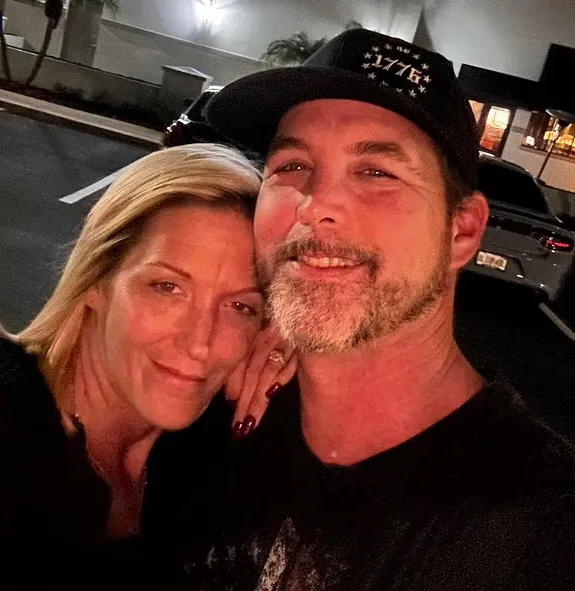
The man at the center of it was Jason Kenney, forty-seven years old.
Investigators say he had been drinking.
Alcohol did not create the violence, but it removed restraint.
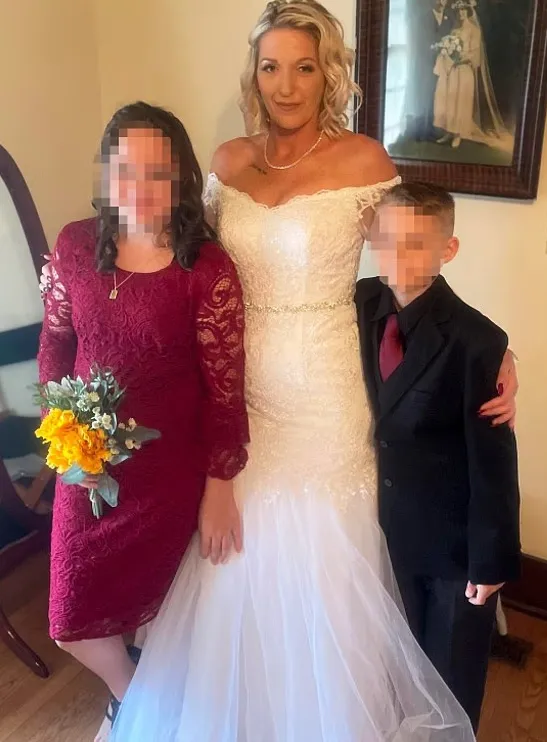
The woman who lost her life was Crystal Kenney.
She was his wife.
And she was a mother.
According to investigators, the argument escalated quickly.
Voices rose.
Tension sharpened.

At some point, Jason Kenney picked up a gun.
He shot and killed Crystal.
The moment was irreversible.
Nearby, Crystal’s thirteen-year-old daughter was also shot.
She was struck in the chaos that followed.
Her life hung in the balance.
The violence did not end there.
Inside the home was a twelve-year-old boy.
He witnessed enough to know he had to run.
He fled the house and went to a neighbor’s home.
From there, he called 911.
His voice carried urgency no child should have to find.
Inside the same house, a one-year-old child remained.
Miraculously, the baby was unharmed.
Unaware of how close danger had come.
By the time deputies arrived, the damage was done.
Crystal Kenney was dead.
Her teenage daughter was critically injured.
Emergency responders rushed the girl to the hospital.
Doctors worked quickly.
She was listed in critical but stable condition.
Jason Kenney did not stay at the scene.
After the shooting, he fled the home.
Running did not undo what had happened.
Investigators say he contacted a family member.
What was said has not been fully released.
But it was clear he knew the gravity of his actions.
Later, deputies tracked him to a relative’s property.
He was found inside a shed.
Alone.
As deputies attempted to make contact, they heard a gunshot.
Jason Kenney had taken his own life.
The violence ended where it began.
Three lives were permanently altered that day.
One woman lost.
One child fighting to survive.
And one man dead by suicide.
Leaving behind devastation instead of answers.
Silence instead of accountability.
Domestic violence often erupts over small things.
Not because the small thing matters.
But because control has already taken root.
An argument over a television channel is not about a television channel.
It is about power.
It is about anger looking for an outlet.
Investigators noted that alcohol was involved.
But alcohol does not explain brutality.
It only lowers the barrier to it.
What happened inside that home was not sudden.
It was the final explosion of something already unstable.
A moment where restraint disappeared.
Children were present.
That fact alone changes everything.
They were not protected.
The twelve-year-old who ran for help will carry that memory forever.
The sound of gunfire.
The knowledge that calling for help was his only option.
The thirteen-year-old girl will recover physically, doctors hope.
But recovery is more than wounds closing.
It is learning how to feel safe again.
The one-year-old will grow up with a story they did not witness.
But stories still shape lives.
Even when told later.
Crystal Kenney will not come home.
Her life ended in a moment that should have been ordinary.
An argument that should have passed.
Communities often ask how this could happen.
The answer is uncomfortable.
It happens more often than people want to admit.
Domestic violence does not always announce itself.
It hides in routine.
In familiar spaces.
In living rooms.
On couches.
In front of televisions.
Arguments escalate when fear and control are present.
Weapons turn words into fatalities.
And families are destroyed in seconds.
This case is a reminder.
That violence does not need a dramatic beginning.
Only access and anger.
It is also a reminder of the children left behind.
Those who survive the night.
But not the memory.
The game on television likely continued somewhere else.
Scores updated.
Fans moved on.
But inside that house, time stopped.
Forever divided into before and after.
Marked by a moment that should never have happened.
Crystal Kenney should be remembered for more than how she died.
She was a mother.
A woman whose life mattered.
Her daughter deserves a future not defined by that night.
One filled with healing.
And safety.
The tragedy in Polk County is not just a headline.
It is a warning.
About how quickly violence can erupt.
And how devastating the cost can be.
“Frozen in the Dark: The $9 Million Fight for Justice for Thomas Valva”.5437
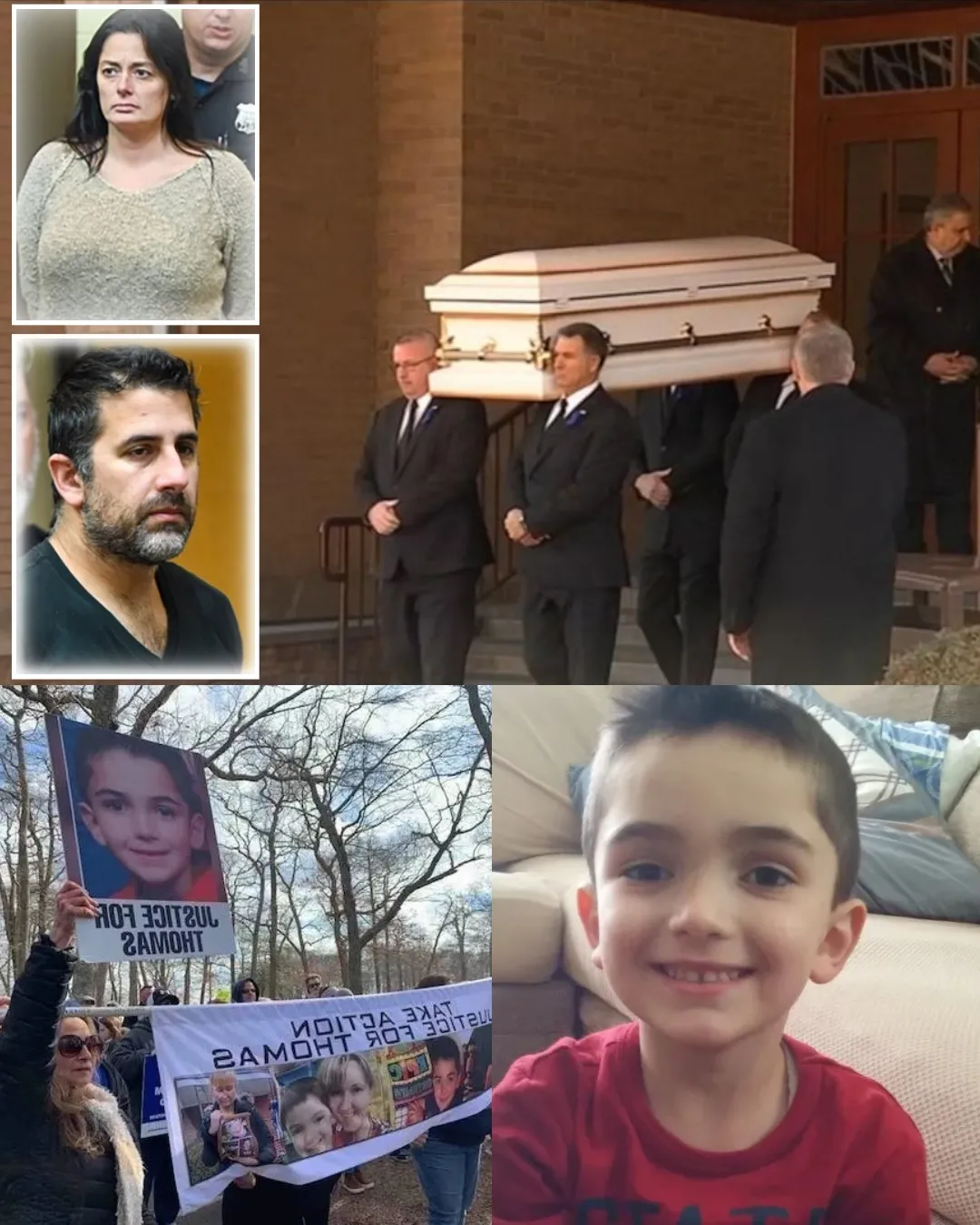
There are stories that haunt a nation not because they are complicated, but because they are unbearably simple — a child needed protection, and the system built to safeguard him looked away.
And then the cold stepped in.
Literally.
Fatally.
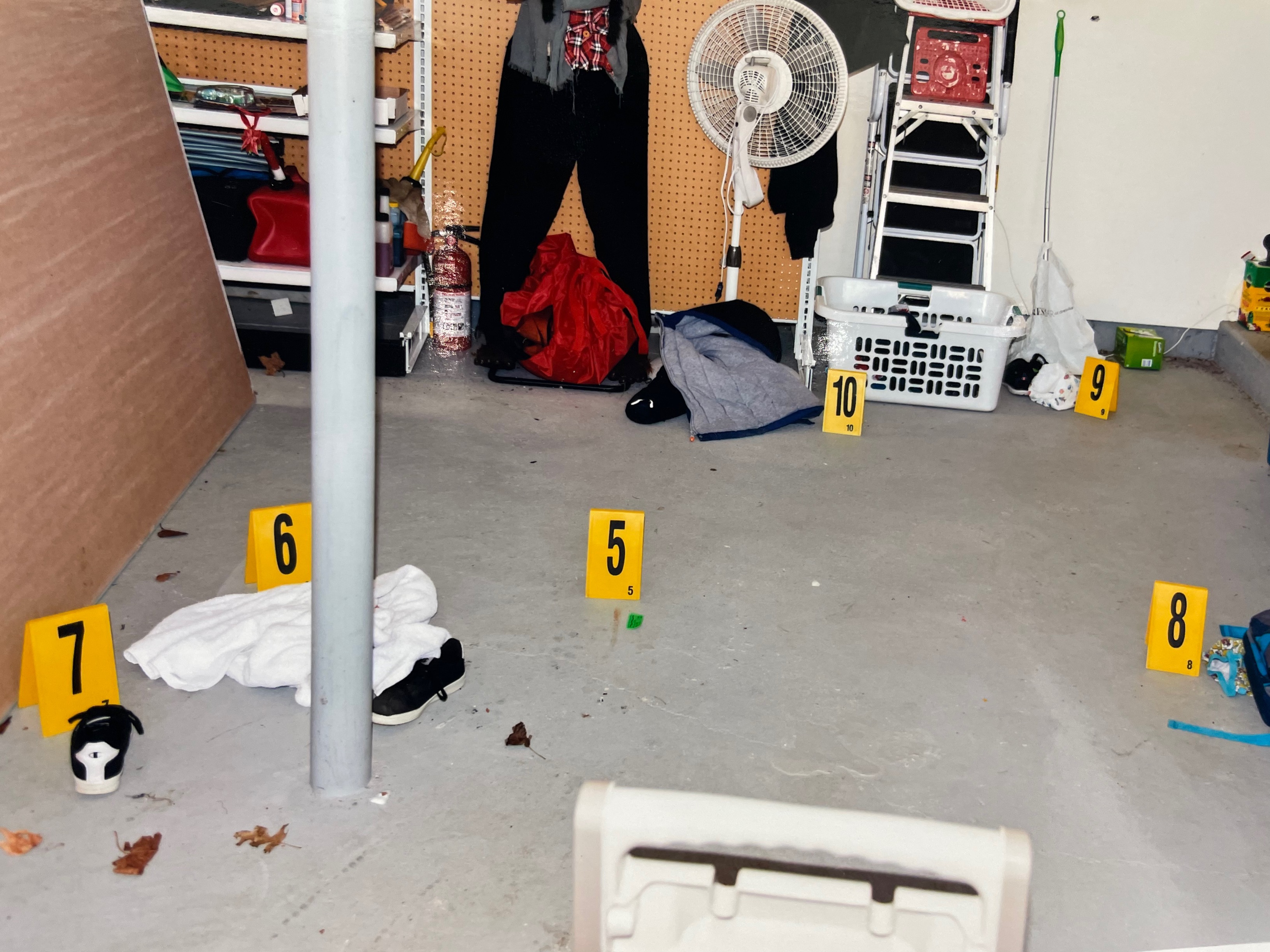
On January 17, 2020, 8-year-old Thomas Valva — a boy who loved school, loved drawing, loved smiling in that shy, bright way children do when they still believe the world is safe — was found lifeless on the concrete floor of his father’s garage.
An unheated garage.
A garage that had become his bedroom, his punishment cell, his final resting place.
The temperature outside was 19°F.
Inside, barely better.

When paramedics arrived, they measured his body temperature at 76.1°F, a number so low it instantly told them the truth no one wanted to believe — Thomas had died of severe hypothermia, freezing to death slowly, silently, in the darkness of a place where no child should ever sleep.
The horror, however, did not begin that night.
It began long before.
Long before the cold wrapped itself around his small body.
Long before his final breath clouded the frozen air.
Long before his school raised alarms again and again, calling child protective services, reporting bruises, hunger, fear, silence — all signs of a child living under the weight of something unspeakable.
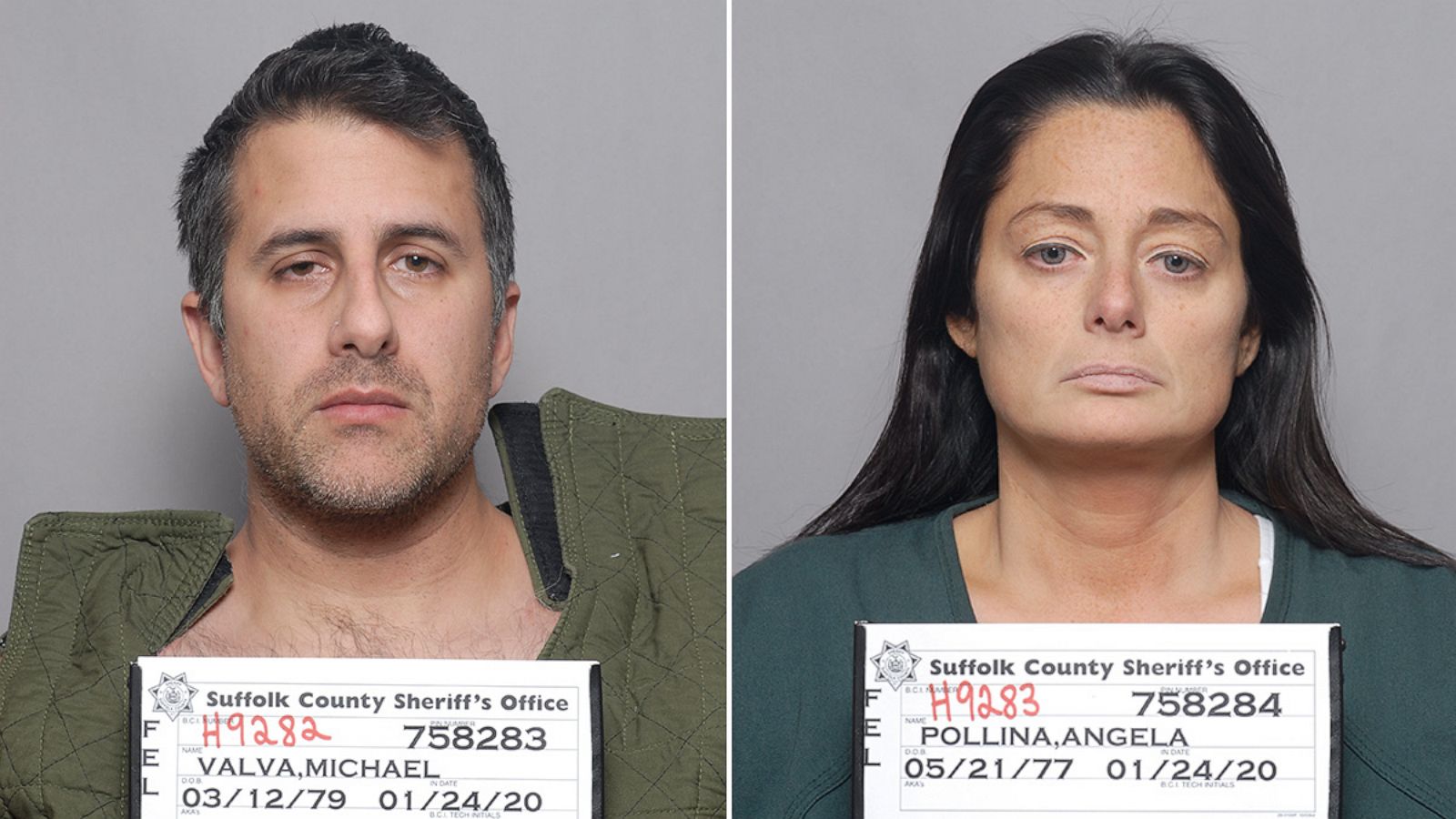
Thomas’s father, Michael Valva, was a former NYPD officer — a detail that stunned even seasoned investigators.

A man sworn to protect and serve.
A man entrusted with authority, respect, and responsibility.
Yet prosecutors would later reveal that behind the closed doors of his home, he subjected Thomas and his brothers to a regime of cruelty so extensive that even experienced detectives struggled to describe it without pausing for breath.
Starvation.
Forced cold exposure.
Physical punishment.
Food withheld as discipline.
Meals thrown away in front of the children as they begged for food.
Security cameras capturing hours of mistreatment.

And every moment, every act, every injury filed away in a system that repeatedly documented concerns — but failed to act with the urgency that might have saved Thomas’s life.
The trial of Michael Valva and his fiancée exposed details so harrowing that the courtroom sat in stunned, horrified silence.
Recordings.
Texts.
Videos.
Evidence of a home ruled by fear.
Evidence of a child whose suffering grew louder while the system’s response grew quieter.
Both were ultimately convicted of second-degree murder.
But justice, however necessary, felt impossibly small compared to what had been lost.
Because no prison sentence can warm a child who froze to death.
No verdict can restore the years stolen from a boy whose only crime was being born into the wrong home.

And no punishment can erase the guilt of a system that had known danger was present — yet still allowed a child to remain in it.
In 2025, after years of investigations, hearings, and legal battles, a federal judge approved a $9 million settlement between Suffolk County and Thomas’s mother, Justyna Zubko-Valva.
She had sued for what millions across the nation already suspected:
that child protective services had ample warning signs,
that schools had pleaded for intervention,
that mandated reporters had sounded alarms,
that bruises, hunger, and fear had been documented,
and still —
still —
Thomas was returned again and again to the home where he was dying piece by piece.
The settlement was described by experts as “historic.”
“Significant.”
“A necessary acknowledgment of catastrophic failure.”
But for a mother who lost her child in a way no parent should ever have to imagine, $9 million will never feel like victory.
Money cannot erase the image of a little boy trembling in the cold.
Money cannot wipe away the echo of unanswered pleas for help.
Money cannot rewrite the moment she learned her son had died in a garage while she was fighting desperately in court to get him back.
What the settlement does represent, however, is accountability — or at least the beginning of it.
A public admission that the systems entrusted with the protection of children failed catastrophically, lethally, unforgivably.
A recognition that warnings must be acted upon.
That neglect must be taken seriously.
That patterns of abuse cannot be dismissed as parental frustration or miscommunication.
That children cannot continue to pay with their lives for bureaucratic hesitation.
The case of Thomas Valva has become more than a headline.
It has become a symbol.

A rallying cry.
A haunting reminder of what happens when the system waits too long, doubts too much, trusts the wrong people, and underestimates the danger.
Child welfare advocates across the country have pointed to Thomas’s death as evidence that reforms cannot be optional — they must be urgent, structural, sweeping.
Better training.
Better oversight.
Better communication between schools, agencies, and courts.
Mandatory follow-ups.
Higher standards of accountability.
Policies that treat repeated reports not as background noise, but as blaring sirens demanding immediate intervention.
Because Thomas’s case is not an isolated tragedy.
It echoes.
It resonates.
It reflects a pattern of children who fall through the cracks of systems meant to catch them.
And every time it happens, the nation is forced to confront the same chilling reality:
The danger is not only inside abusive homes.
The danger is also in the hesitation of systems that fail to act.
Thomas should have celebrated birthdays.
Should have played in snow that did not kill him.
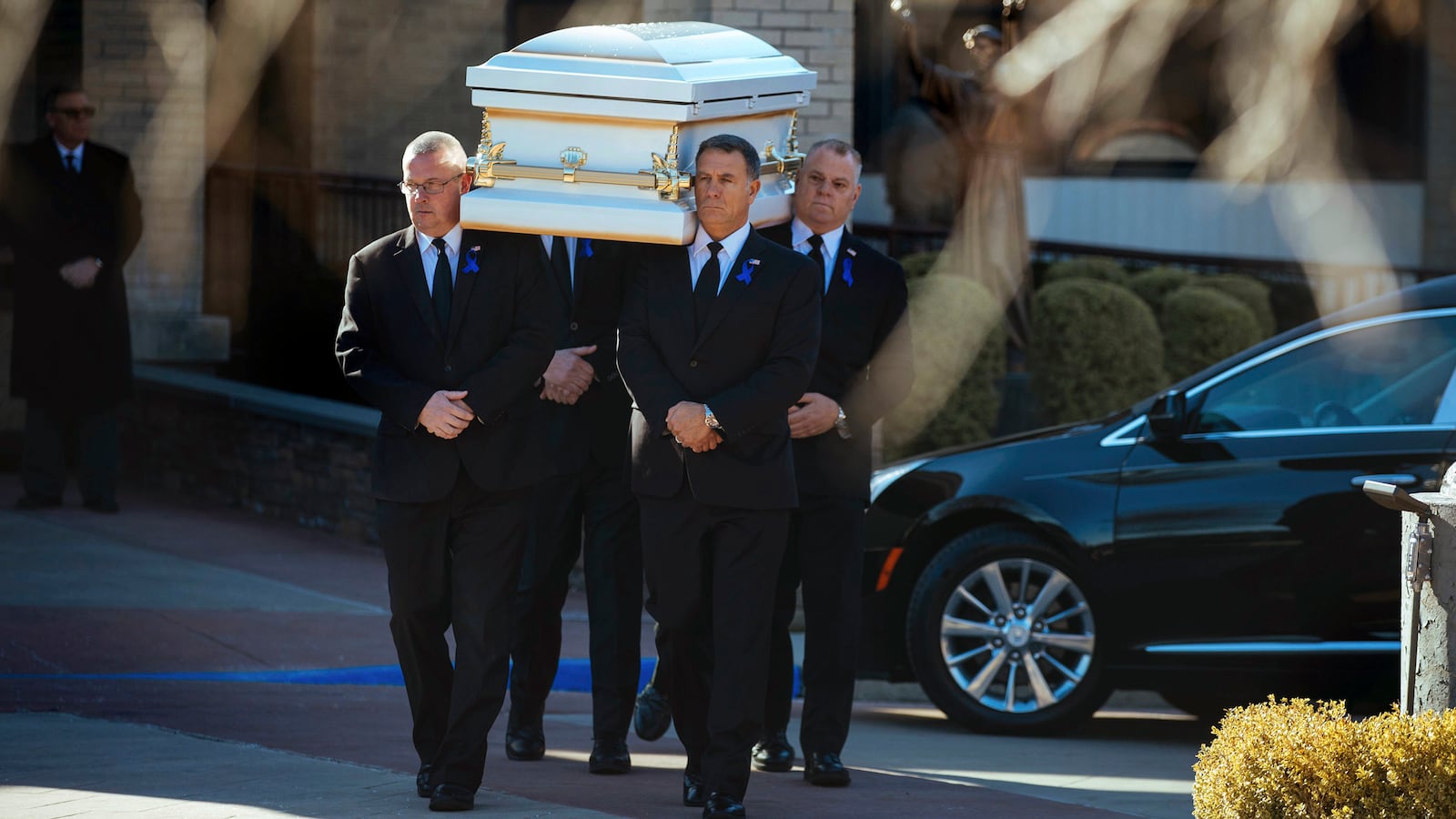
Should have run through warm summer grass, graduated from high school, grown into the kind of man who might have changed the world.
Instead, his life ended on a cold concrete floor, wrapped in silence and darkness.
The $9 million settlement will help his mother rebuild her life, but it will never rebuild the life of the child she lost.
Her grief is permanent.
Her fight, however, has become the fuel for change.
Because she is determined that her son will not have died for nothing.
And the nation — watching, grieving, demanding answers — must decide whether it will keep that promise with her.
Thomas Valva’s story is not only a story of tragedy.
It is a story of warning.
A story of accountability.
A story of a system that must change — not someday, not eventually, but now.
For Thomas.
For the children living in silence.
For every warning that should never again be ignored.