The Apartment That Went Quiet, While a Four-Year-Old Slowly Starved in the Middle of New York City.5880

The apartment sat in the middle of a city that never stops moving.
Sirens passed outside, trains rumbled underground, people hurried past on sidewalks just feet away.
Inside, a four-year-old boy was starving.

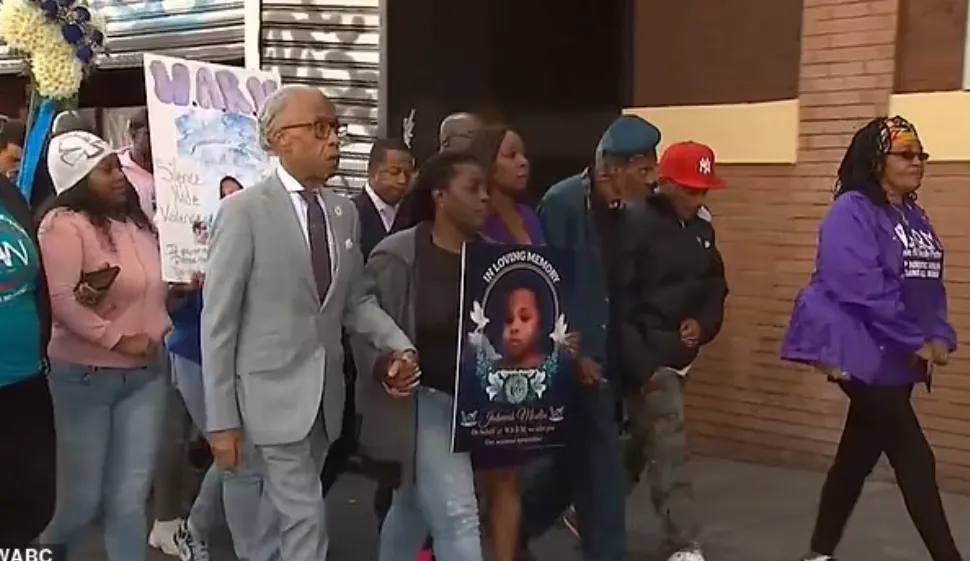
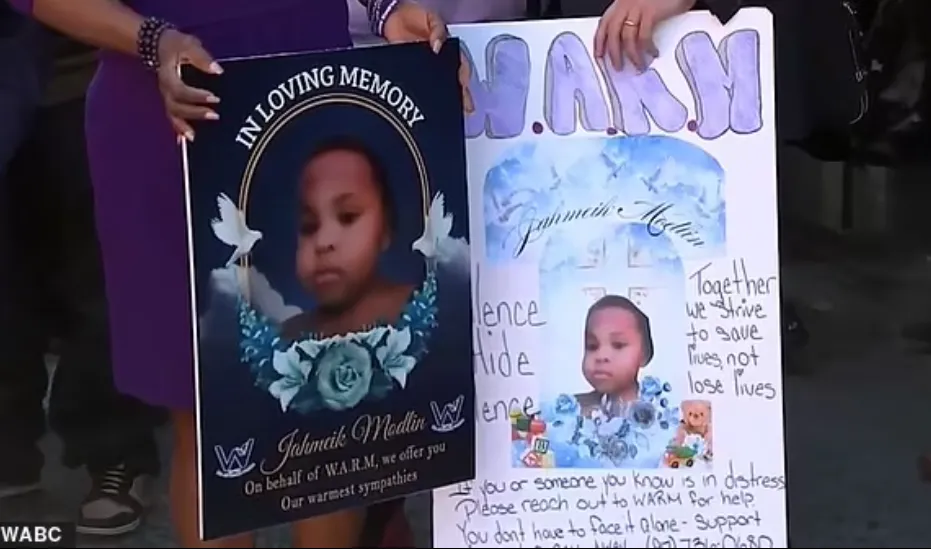
His name was Jah’Meik Modlin.
He lived in New York City, surrounded by millions of people, yet functionally invisible.
By the time anyone realized something was wrong, it was already too late.
On a night in mid-October, a call came in to 911.
At approximately 7:42 p.m., a father told the dispatcher his child was “non-responsive.”
The words were flat, stripped of urgency, as if describing a device instead of a life.
Emergency responders arrived at the apartment shortly afterward.
What they found inside was not just medical distress, but prolonged neglect made visible.
The conditions told a story long before anyone spoke.

Jah’Meik was rushed to the hospital.
Doctors quickly realized they were not dealing with sudden illness.
They were looking at the end result of starvation.
His body told the truth his life had been denied.
He had almost no body fat.
At four years old, he weighed approximately nineteen pounds.
Nineteen pounds is a number that belongs to infants.
Not to children who should be running, climbing, and asking endless questions.
Not to a boy who had already lived four years.
Doctors observed signs of severe malnutrition, dehydration, and prolonged starvation.
This was not a missed meal or a bad week.
This was systematic deprivation.

Jah’Meik died shortly after arriving at the hospital.
He did not die suddenly.
He died slowly.
The apartment he came from was later described as covered in feces.
Not messy, not cluttered, but contaminated.
An environment unfit for any human, let alone children.
Jah’Meik was not the only child living there.
Three siblings, ages five, six, and seven, were also inside the apartment.
They too showed signs of abuse and starvation.
Prosecutors would later say the children were isolated.
Not locked away by walls alone, but by neglect that cut them off from help.
They were starving together.
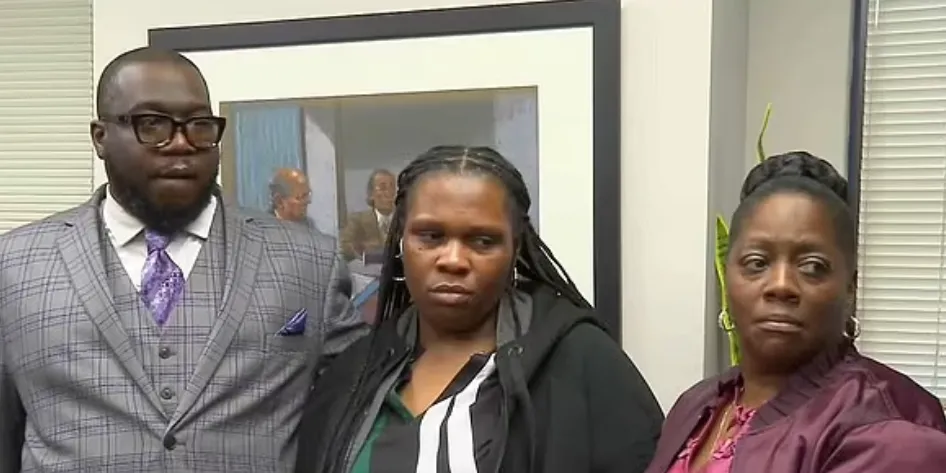
The parents were identified as Nytavia Ragsdale, twenty-six, and Laron Modlin, twenty-five.
Young adults by age, but legally and morally responsible for four children.
They were arrested days after Jah’Meik’s death.
On Wednesday, an indictment was announced.
Manhattan District Attorney Alvin Bragg stood before the city with measured words.
The charges were second-degree murder.
“The death of Jah’Meik Modlin, an innocent four-year-old child, is a tragedy that has scarred this city,” Bragg said.
He described a slow and painful death.
One that happened in isolation, in the heart of Harlem.
A child starving in one of the most densely populated neighborhoods in America.
That contradiction alone unsettled the city.
Proximity did not equal protection.
Prosecutors alleged extreme physical neglect.
Persistent abuse.
Depraved indifference to human life.
These are not words chosen lightly.
They reflect behavior that goes beyond failure.
They describe disregard.
Starvation does not happen overnight.
It happens meal by meal, decision by decision.
It requires time.
Time during which someone notices ribs protruding.
Time during which weakness becomes normal.
Time during which hunger cries fade into silence.

At four years old, Jah’Meik depended on adults for everything.
Food, water, safety, medical care.
He had no alternative.
Investigators believe his parents watched his condition worsen.
They did not seek help.
They did not intervene.
Meanwhile, the city outside continued its rhythm.
Buses ran on schedule.
Neighbors lived their lives feet away.
This case raised painful questions.
How does a child starve to death in New York City.
How does no one notice.

The truth is uncomfortable.
Neglect often hides behind closed doors.
And children do not know how to ask strangers for help.
The other children survived.
They were removed from the apartment and placed into care.
Their recovery will take time.
Starvation leaves marks that are not only physical.
It reshapes how the body understands food.
It reshapes how the mind understands trust.

Jah’Meik’s name is now part of court records.
Part of press releases.
Part of the city’s conscience.
The indictment does not bring him back.
It does not restore what was taken.
It only acknowledges what happened.
Second-degree murder carries heavy consequences.
But no sentence can measure a childhood lost.
No punishment balances four years of suffering.
The apartment has likely been cleaned by now.
The feces removed.
The doors opened again.
But the story remains.
A child starved in plain sight.
A city forced to look inward.
Jah’Meik Modlin should be remembered for more than how he died.
He was a child who deserved care.
And he did not receive it.
A Heart So Brave, A Smile So Bright — The Story of Maeve.2897
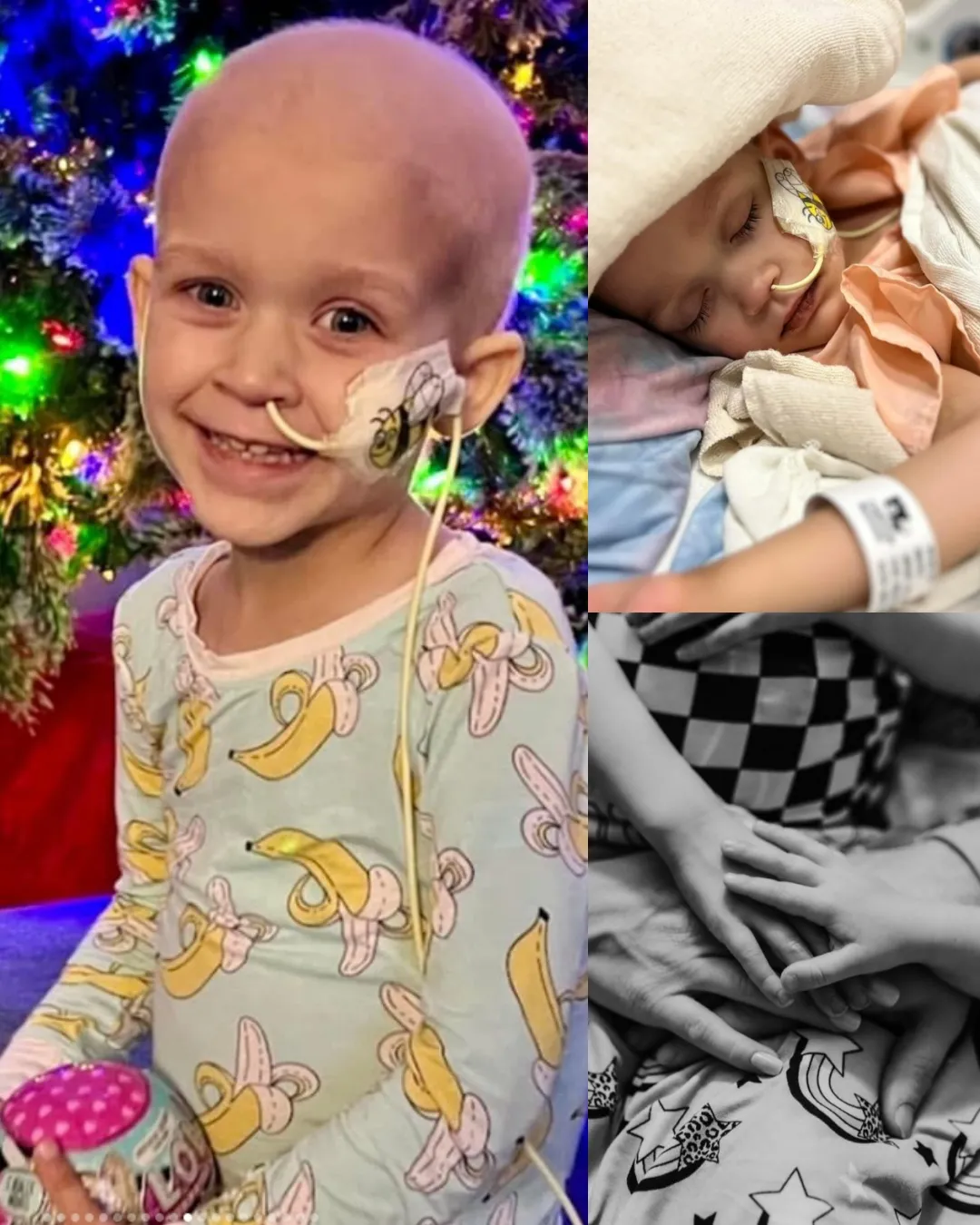
? Maeve’s Light — The Little Princess Who Showed the World What Courage Looks Like ?
There are children whose spirits seem to shine from the moment they arrive — who carry within them a light so warm, so steady, that even in their shortest years, they illuminate the lives of everyone around them.
Maeve Elisabeth Webster was one of those rare souls.
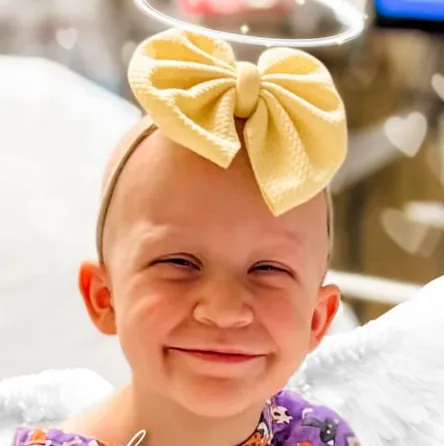
She was only four years old when she earned her angel wings on January 22, 2025, leaving behind a legacy of bravery, love, and light that will never fade.
To know Maeve was to know joy — real, unfiltered, golden joy.
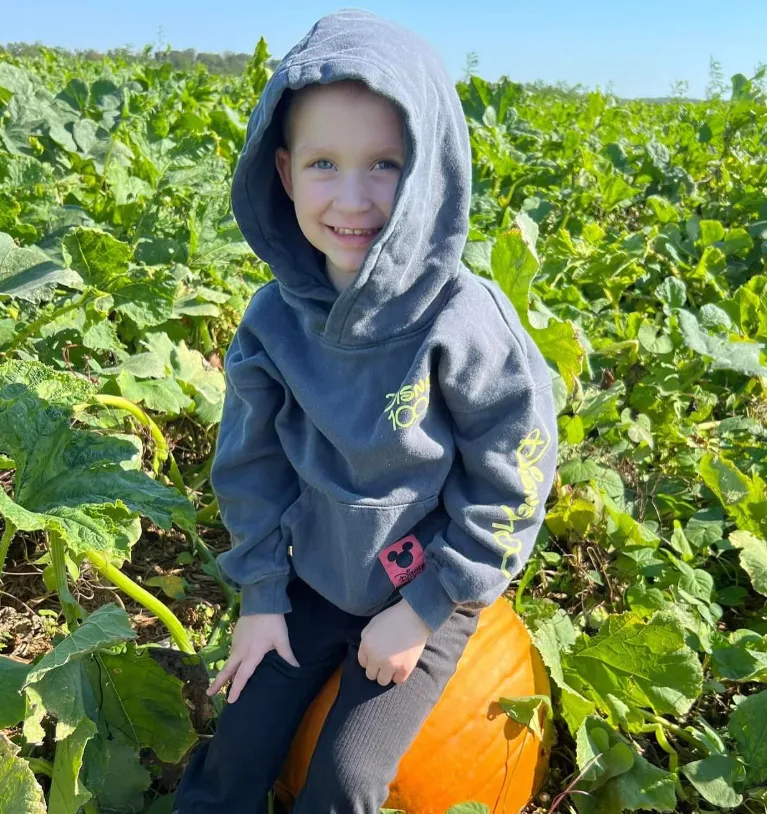
? A Ray of Sunshine Named “Lello”
Maeve’s favorite color wasn’t pink or blue, but “Lello” — her own adorable way of saying yellow.
It suited her perfectly.
Bright. Cheerful. Full of life.
Her laughter sounded like sunshine, and her presence filled every room with warmth.
She was the kind of child who made friends instantly — the kind who waved at strangers, hugged without hesitation, and saw the beauty in everything.
She loved Starbucks “pink drinks”, giggling as she sipped them like a tiny grown-up.
She adored princesses, especially Belle from Beauty and the Beast.
“Belle’s brave,” she’d say proudly. “She’s kind. And she reads a lot — just like me!”
Maeve had an imagination that could turn hospital rooms into castles and IV poles into magic wands.
No matter where she was, she found light — and she shared it.
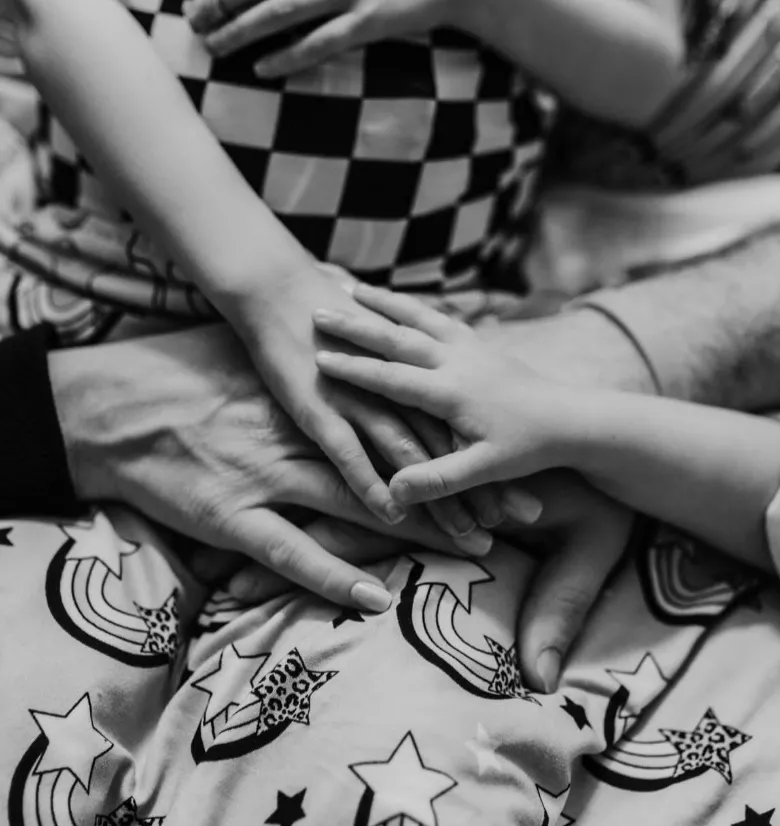
? The Battle She Never Chose, but Faced With Courage
When Maeve was diagnosed with Metastatic Neuroblastoma, her family’s world changed forever.
The word itself felt too heavy, too cruel, for someone so small.
But Maeve never saw herself as a victim — she called herself a fighter.
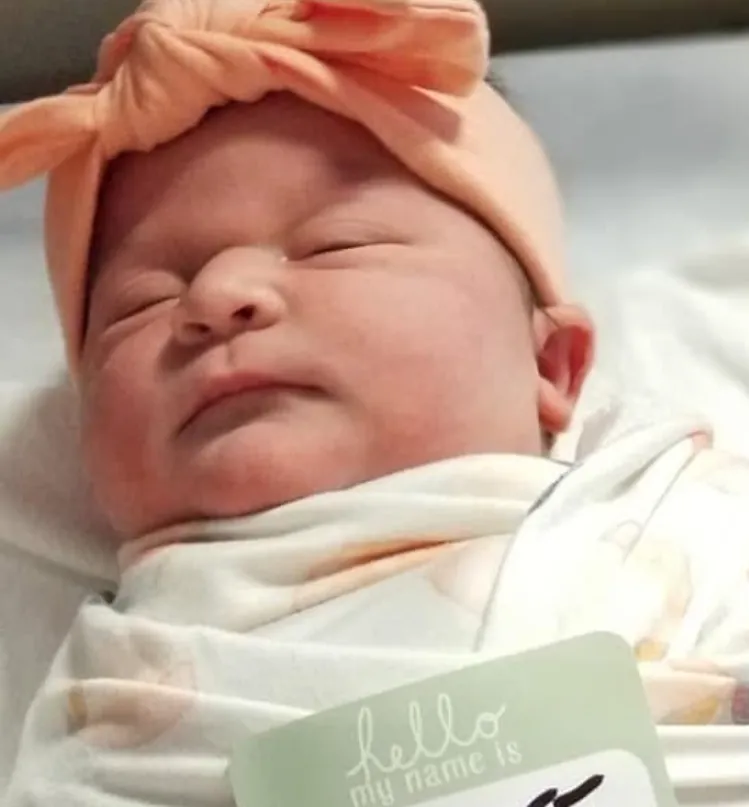
Her parents, standing beside her through every scan, surgery, and treatment, often said that she carried more strength in her little body than most adults ever would in a lifetime.
Even when her hair began to fall out, she’d look in the mirror, smile, and say, “It’s okay! I’m still beautiful.”
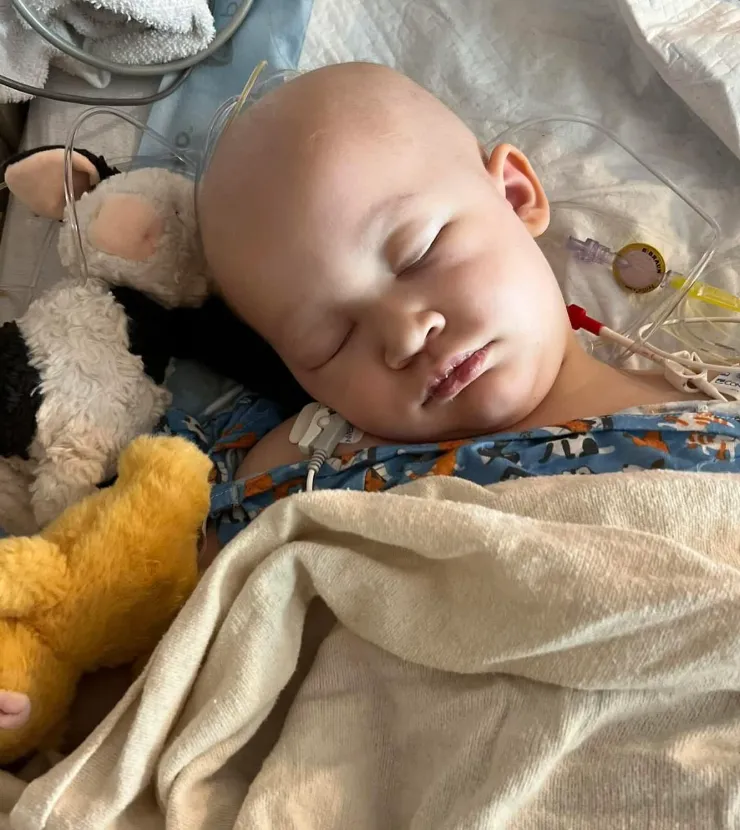
She turned her hospital gowns into princess dresses, her chemo days into tea parties, her scars into symbols of bravery.
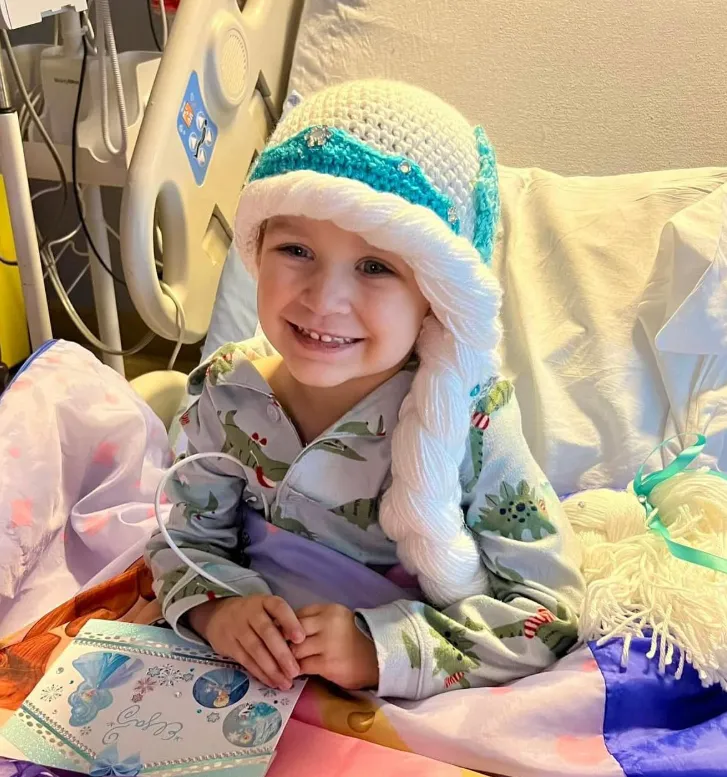
Every doctor, every nurse, every volunteer who met her spoke of her kindness — how she always said thank you, even after a painful procedure.
How she shared her stickers with other kids.
How she asked the nurses about their day.

Maeve’s life became more than just a fight against cancer — it became a movement of hope.
Through her story, her family and community began spreading awareness about childhood cancer, especially Neuroblastoma, reminding the world that even the tiniest warriors can make the biggest difference.
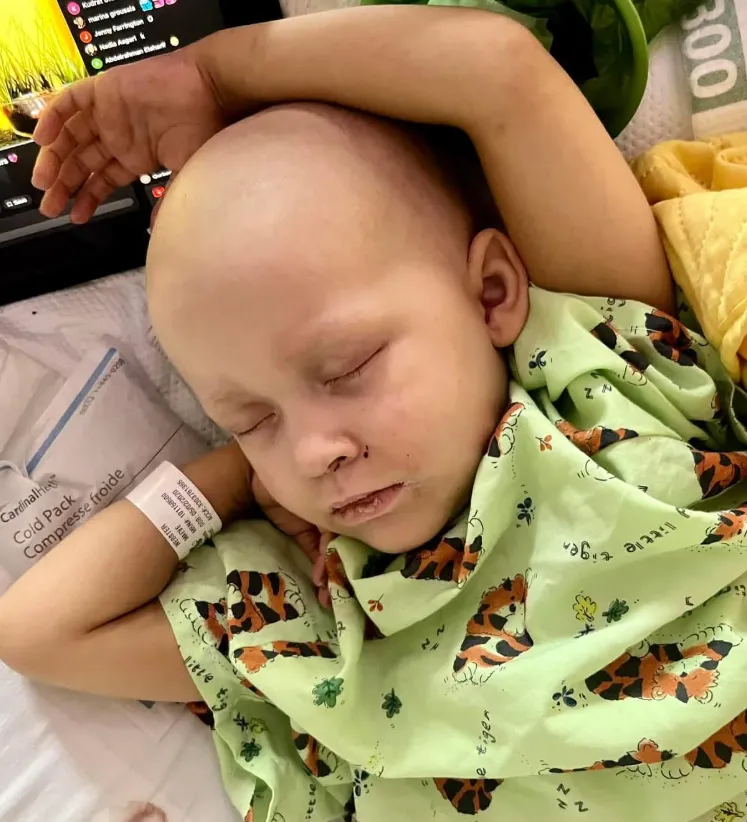
? “I Am Brave. I Am Strong. I Can Do Hard Things.”
Those were Maeve’s words — her daily mantra, her truth.
She repeated them during her hardest moments, when the treatments were painful, or when she missed playing outside with her friends.
Her parents would whisper them back to her at night:
“You are brave. You are strong. You can do hard things.”
And she did.
Over and over again.
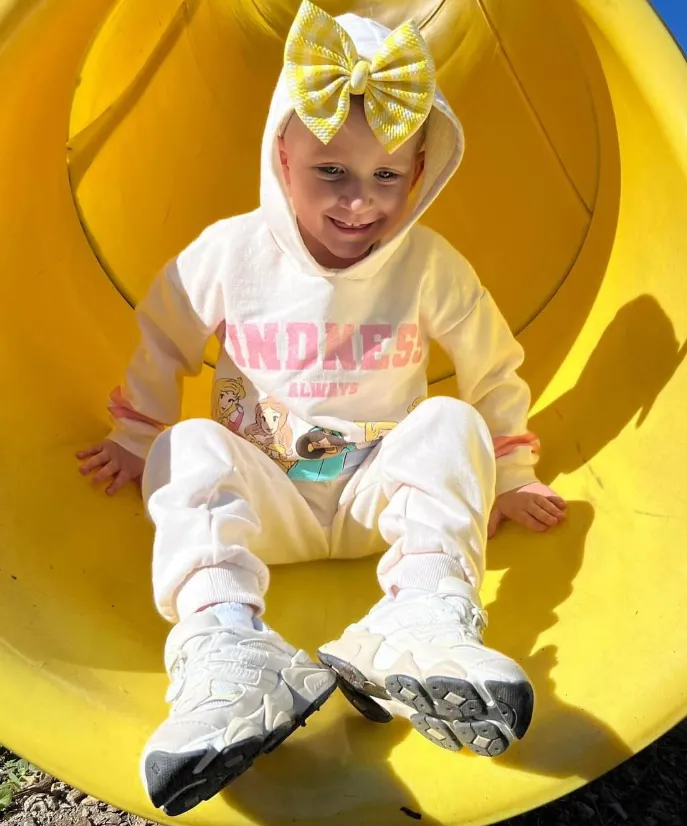
She faced every new challenge with the courage of a hero and the heart of a princess.
Even when her body grew tired, her spirit never did.
She painted, danced, laughed, and loved — fiercely, fully, without holding back.
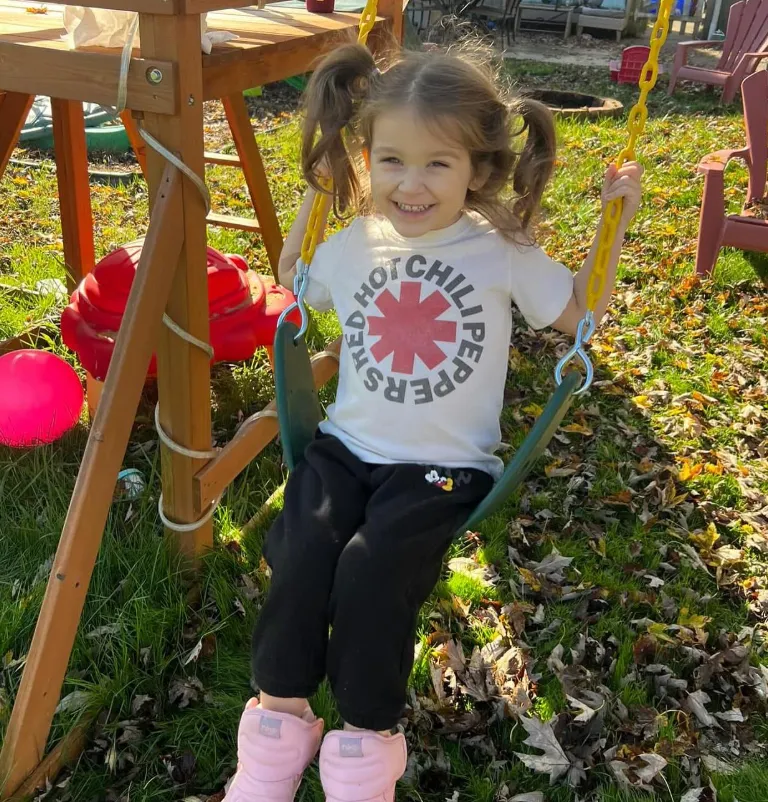
Maeve wasn’t defined by her illness; she was defined by the way she lived.
With faith.
With laughter.
With unshakable courage.
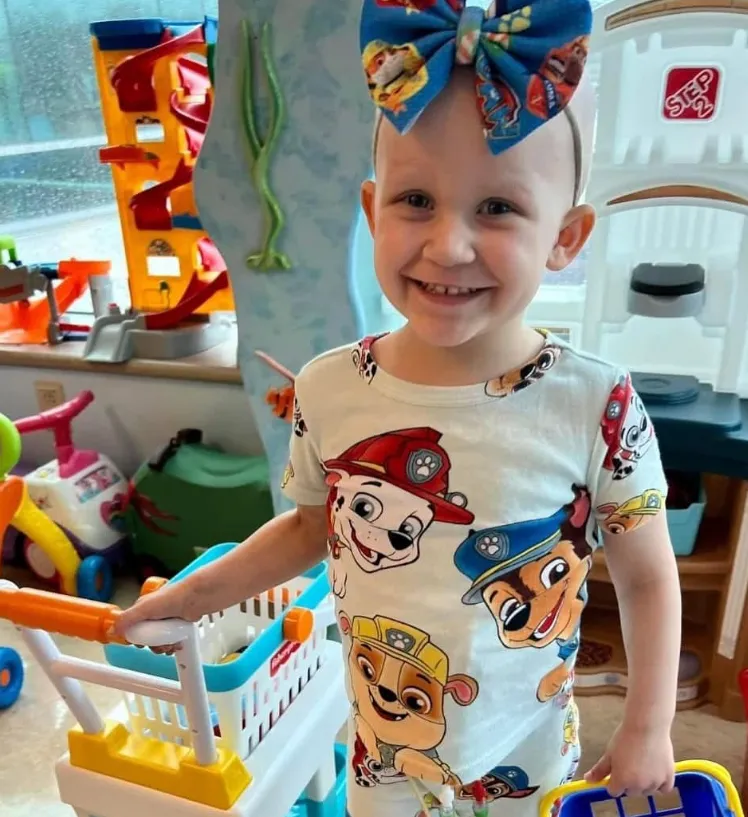
? A Family’s Love That Never Ends
For her parents, Maeve was their miracle — a tiny girl with a heart too big for this world.
They often said she didn’t just change their lives — she changed who they were.
She taught them patience.
She taught them gratitude.
She taught them that love is not measured in years, but in moments that take your breath away.
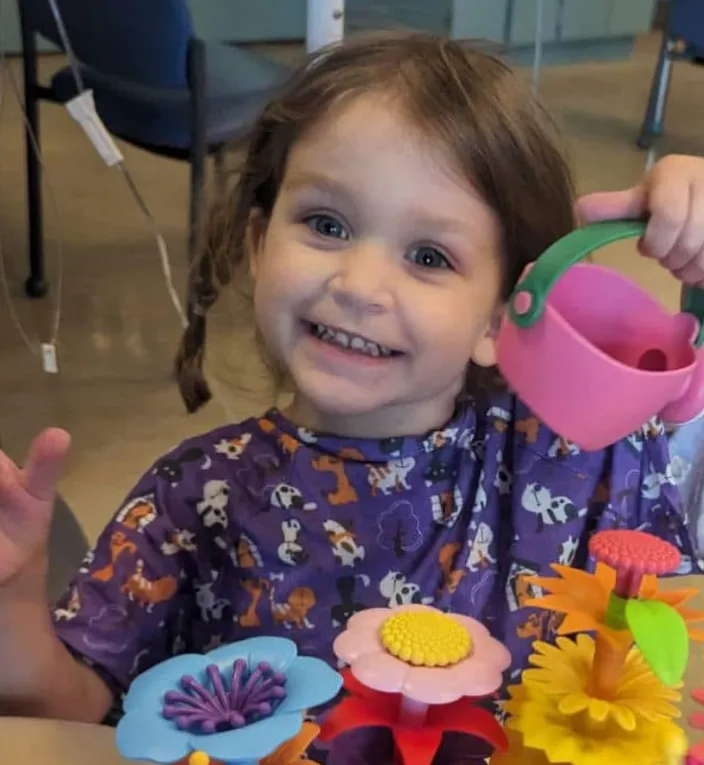
Her mother, Elizabeth, once said that when Maeve smiled, the whole world seemed to pause.
And it’s true.
There was something about her that made you believe in goodness again.
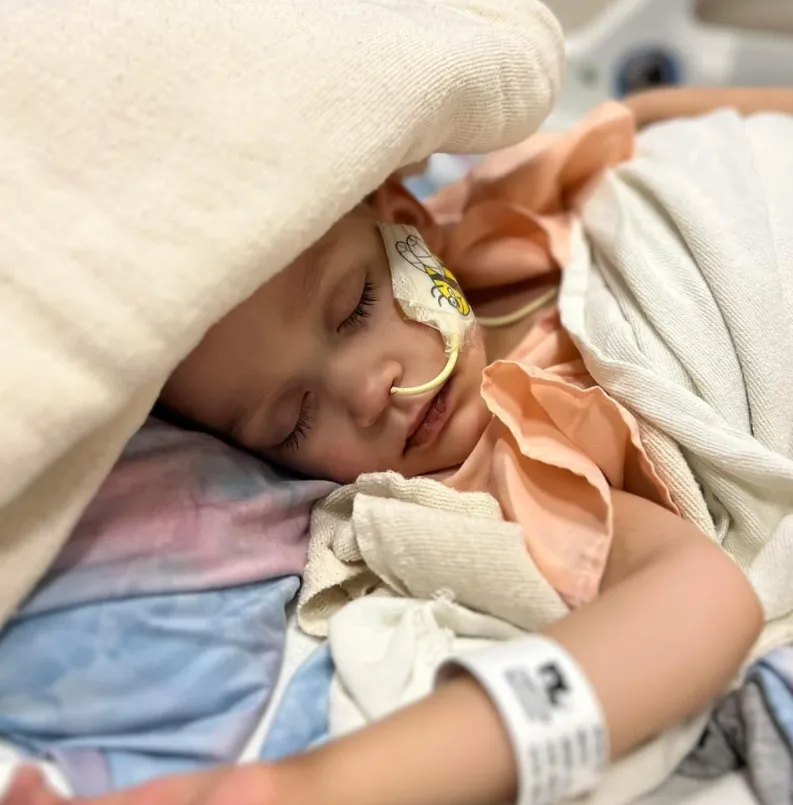
The Websters made sure every day counted.
They celebrated small victories — a day without pain, a giggle between treatments, a morning with pancakes and cartoons.
They captured photos, videos, and memories — each one a treasure, each one a reminder of the joy Maeve brought wherever she went.
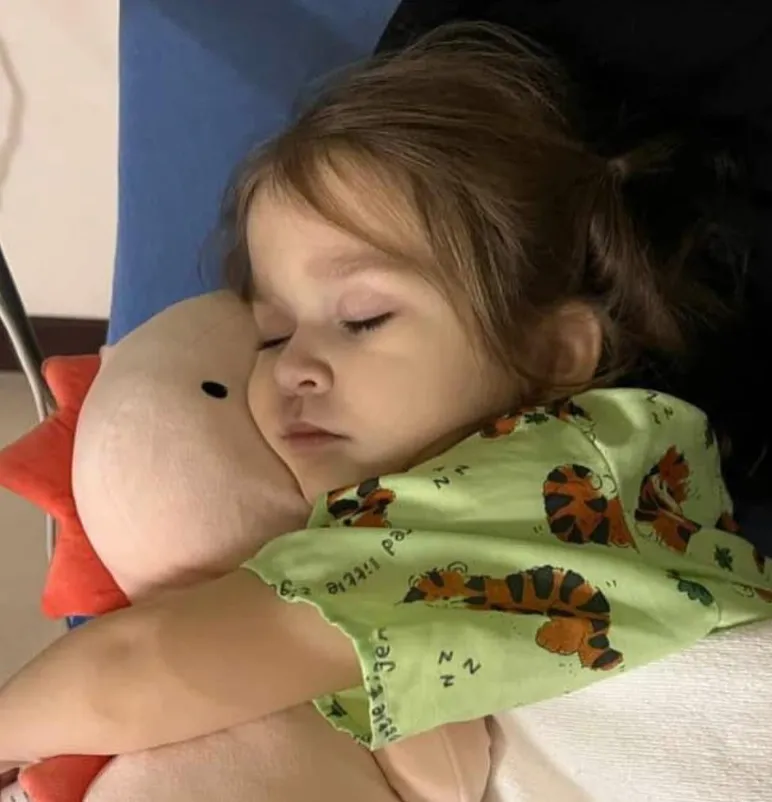
When her time on earth came to an end, Maeve was surrounded by love — her parents holding her close, her favorite stuffed animal beside her, sunlight streaming softly through the window.
It was peaceful, gentle, and heartbreakingly beautiful.
? Her Legacy Lives On
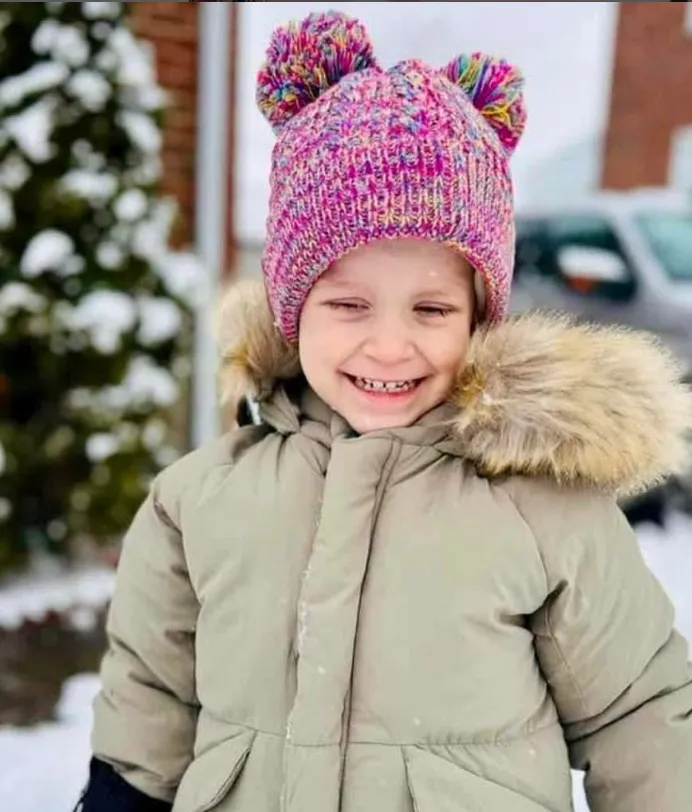
Maeve may no longer walk this earth, but her light still glows — in every person who was touched by her story, in every act of kindness done in her name, and in every child who now faces their own battle a little braver because of her.
Her family continues to honor her by sharing her message and raising awareness for childhood cancer research.
Every donation, every yellow ribbon, every mention of her name keeps her spirit alive — reminding the world of one extraordinary little girl who taught us all how to be brave.
Maeve’s favorite saying, now written on bracelets, shirts, and posters across her community, reads:
✨ “I am Brave. I am Strong. I can do hard things.” ✨
Those words are her legacy — her voice echoing through time, lifting others just as she once lifted everyone around her.
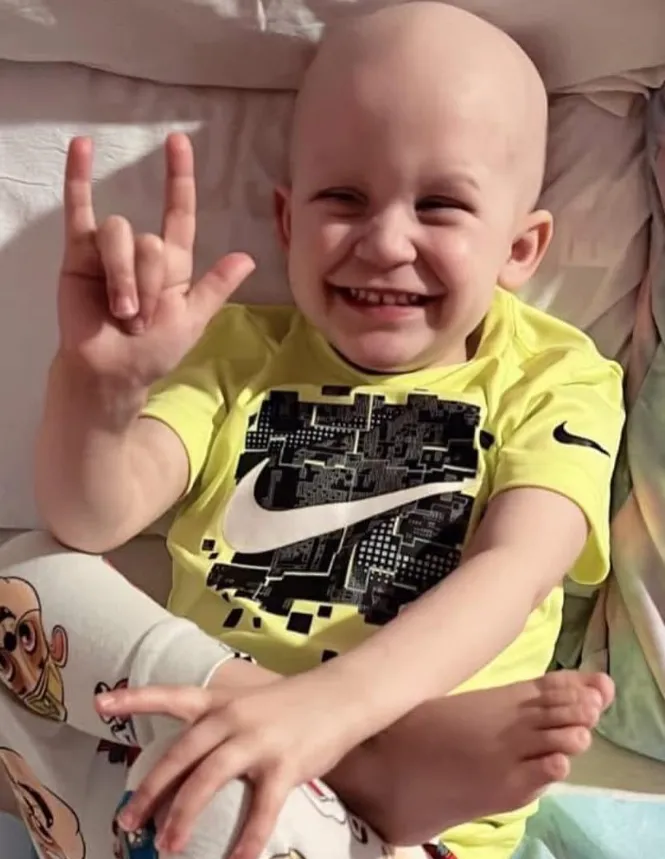
? Forever the Sunshine Princess
Maeve’s favorite color, “Lello,” wasn’t just a color.
It was a reflection of who she was — bright, bold, and impossible to forget.
And like that color, her memory shines on.
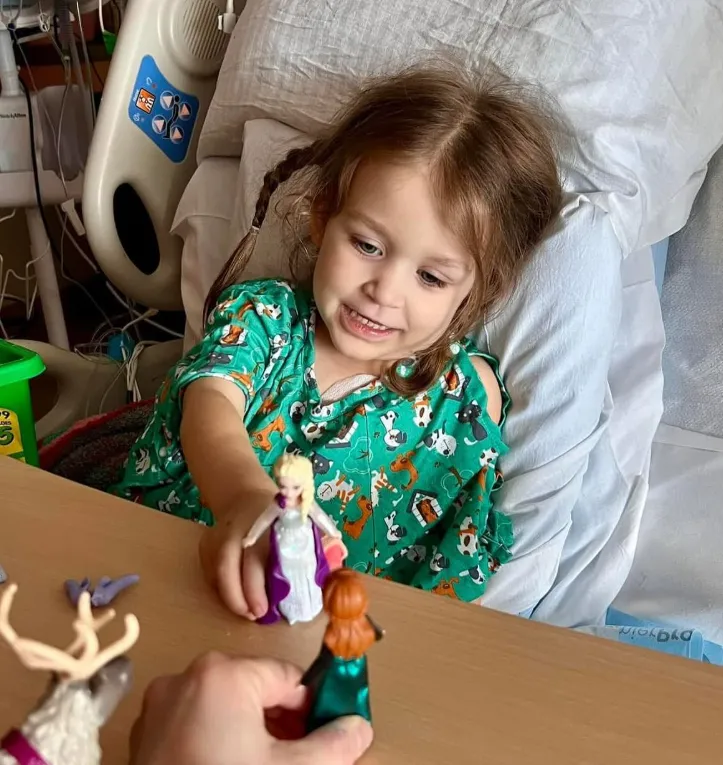
She may have worn a tiny crown, but her heart was that of a queen — gentle, fierce, and full of grace.
Her story reminds us that courage isn’t the absence of fear — it’s choosing to smile through it.
That love doesn’t end — it transforms, it lingers, it keeps shining.
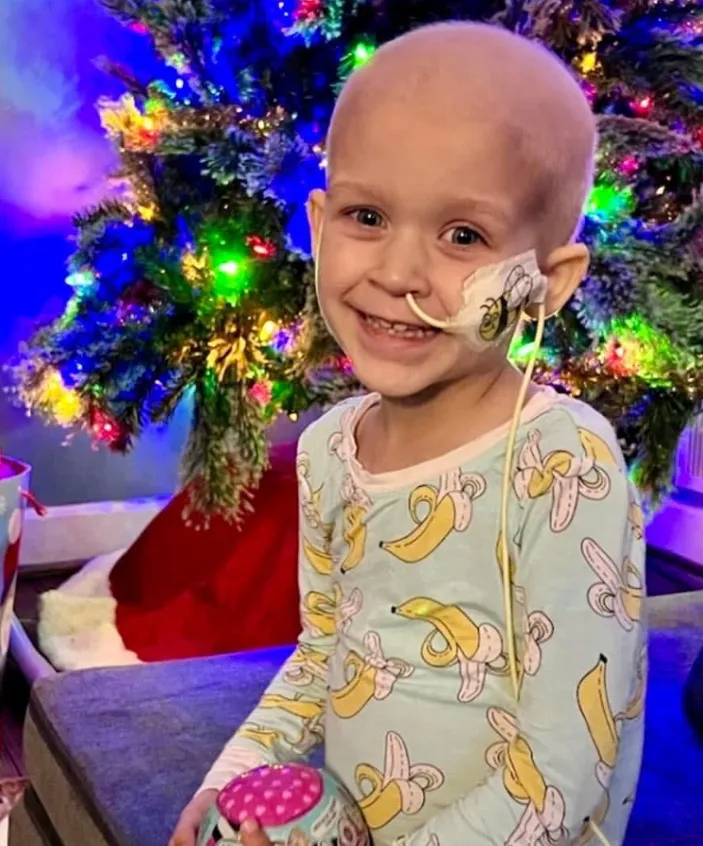
In loving memory of
Maeve Elisabeth Webster (2020–2025)
A princess.
A warrior.
A light that will never fade.
“I am brave. I am strong. I can do hard things.”
— Maeve ?