Bound in the Dark — The Tragic Secrets Behind Judah Morgan’s Final Days.3398

It is one of those stories that leaves you silent — the kind that forces you to sit with the weight of disbelief, asking again and again: How could anyone do this to a child?
Four-year-old Judah Morgan should have been playing with toy cars, learning his ABCs, running barefoot through the grass.
Instead, his short life was marked by fear, isolation, and cruelty so unfathomable it defies reason.
And the people responsible for his pain — the very people meant to protect him — were his parents.
A Childhood Stolen Before It Began
Judah was born into chaos.
From the very start, the system intervened.
The Indiana Department of Child Services removed him from his parents’ custody shortly after birth and placed him with his cousin, Jenna Hullett
— a woman who loved him as her own.
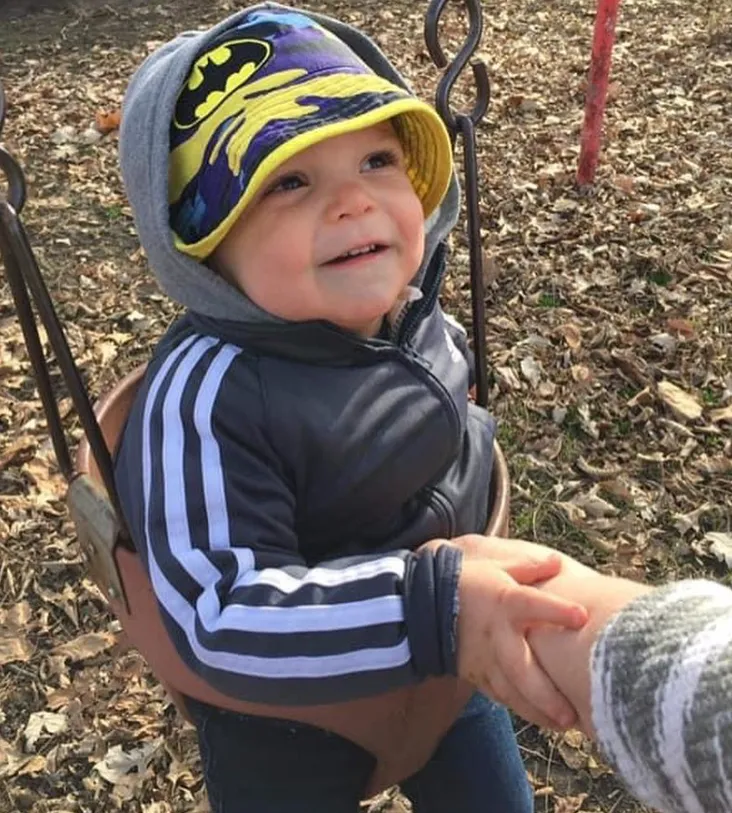
For nearly four years, Judah lived in Jenna’s care.
She watched him grow from a timid baby into a bright, laughing toddler.
He loved to dance to cartoons, snuggle on the couch, and feed the family dog.
Jenna recalls that his laughter could light up a room — that he called her “Mom.”

But in April 2021, everything changed.
Despite Jenna’s desperate pleas, a court ordered that Judah be returned to his biological parents, Alan D. Morgan and Mary E. Yoder.
She remembers watching him leave her home that day — his small hand clutching a stuffed bear — unaware that she was saying goodbye forever.
The House That Became a Prison
What awaited Judah inside his parents’ home was not family — it was horror.
According to court records, Judah’s father, Alan Morgan, used brutal methods to “discipline” the boy for not being fully potty trained.
He bound the child with duct tape.
He carried him by the neck.
He locked him in a dark, windowless basement — for hours, sometimes days.

Judah was only four years old.
He was still learning the alphabet, still afraid of the dark.
Yet, he was forced to endure unimaginable suffering alone in that cold space.
The basement, investigators later said, had no toys, no warmth, no sign of a child’s presence — just silence.
It became his world, a world without love or light.
The Mother Who Looked Away
Judah’s mother, Mary Yoder, claimed she was terrified of her partner.
She told police that she saw what was happening — that she heard her son cry and beg to be let out — but did nothing to stop it.
“I could’ve put a stop to this but didn’t,” she admitted.

She said Alan would “grab Judah by the neck” when the boy resisted going to the basement.
Sometimes, she tried to intervene, saying things like “that’s enough” or “leave him alone,” but the abuse continued.
When police asked when she last saw her son alive, her answer chilled investigators:
She had left him in the basement before going to the hospital to give birth to another child.
While she welcomed a new baby into the world, Judah was dying alone beneath the same roof.
The Other Children Knew
When detectives spoke with Judah’s siblings, their small voices revealed the horror they had witnessed.
They described hearing yelling, hitting, and crying from the basement.
They said their father would tape Judah’s arms behind his back.
They saw their mother watch and do nothing.
For them, abuse had become normal.
The sound of pain — just another part of home.
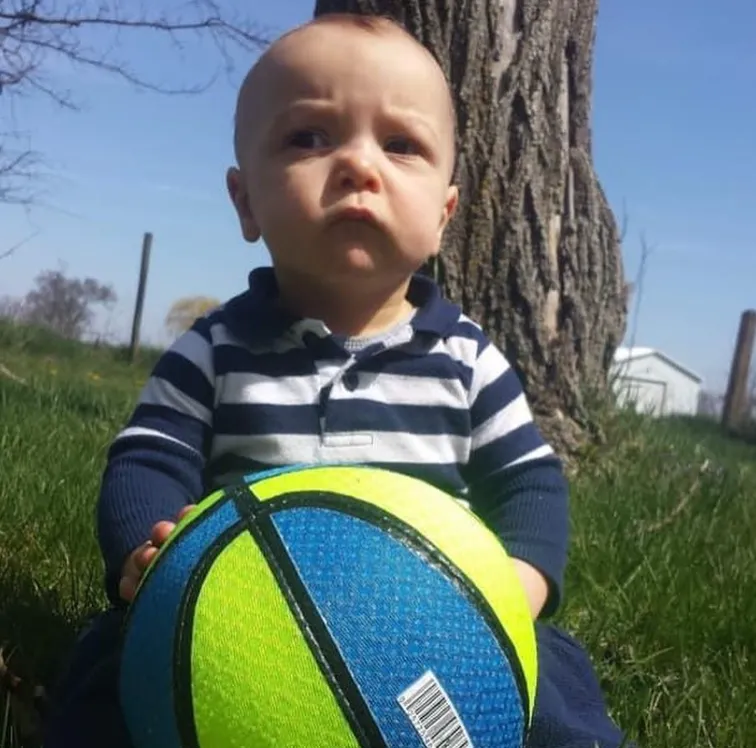
The Final Hours
On October 11, 2021, Judah’s suffering came to an end — not because someone saved him, but because his small body could endure no more.
Police were called to the home, where they found him unresponsive.
The autopsy later confirmed the unthinkable:
Judah had died from blunt force trauma to the head, resulting in a massive
subdural hematoma.

He had also been starved.
There were signs of prolonged neglect — evidence of repeated beatings.
Medical examiners said the pattern of injuries suggested months of torture.

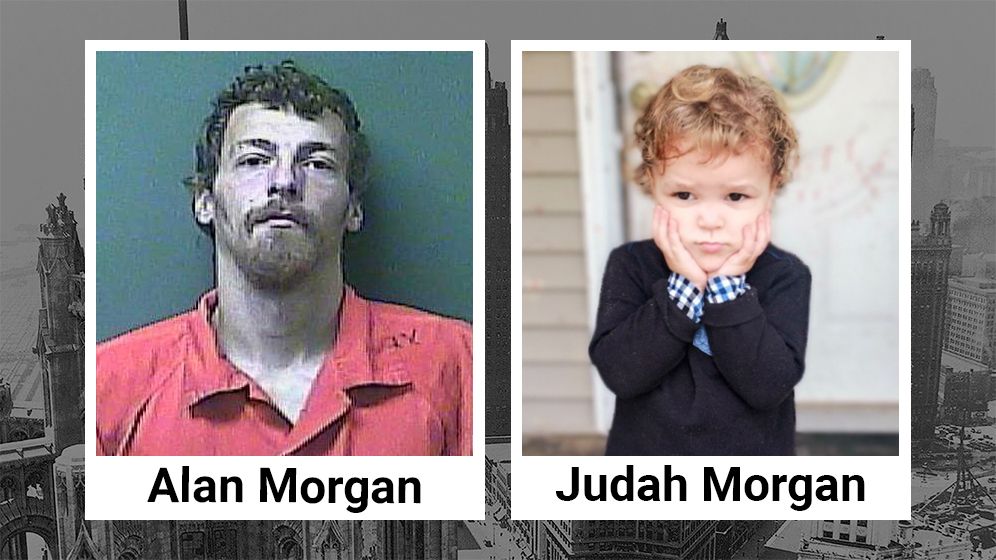
Alan Morgan was charged with murder, five felony counts of neglect, and misdemeanor cruelty to an animal.
Mary Yoder faced two felony counts of neglect of a dependent, misdemeanor cruelty to an animal, and failure to report abuse.
Both denied responsibility.
A Family’s Unanswered Questions
For Judah’s cousin Jenna, the grief was unbearable.
She had fought for him from the day he was born, but the system that was supposed to protect him failed — twice.
“I begged them not to send him back,” she said through tears.
“I told them it wasn’t safe. But nobody listened.”
After his death, Jenna turned his former bedroom into a memorial.
His favorite blanket still rests on the bed.
A framed photo of his smiling face sits beside a candle that burns each night.
In her home, Judah’s laughter still echoes — in memories, in dreams, in the quiet moments between heartbreak and fury.
The System That Failed
Judah’s story exposes haunting flaws in the system meant to protect children like him.
Why was he taken from a safe, loving home and returned to one where he would be killed?
Why were warnings ignored?
Why was no one checking on him after he was sent back?
Indiana’s Department of Child Services declined to comment on the case, citing confidentiality laws.
But for many, that silence is deafening.
Child advocates say Judah’s death is part of a disturbing pattern — where bureaucratic errors and a lack of follow-up lead to tragedy.
In the U.S. alone, more than 1,800 children die from abuse or neglect each year.
Many of them, like Judah, were already known to child protective services.
Each name, each file, each unheeded warning becomes another statistic — another candle at a vigil.

The Image That Haunts a Nation
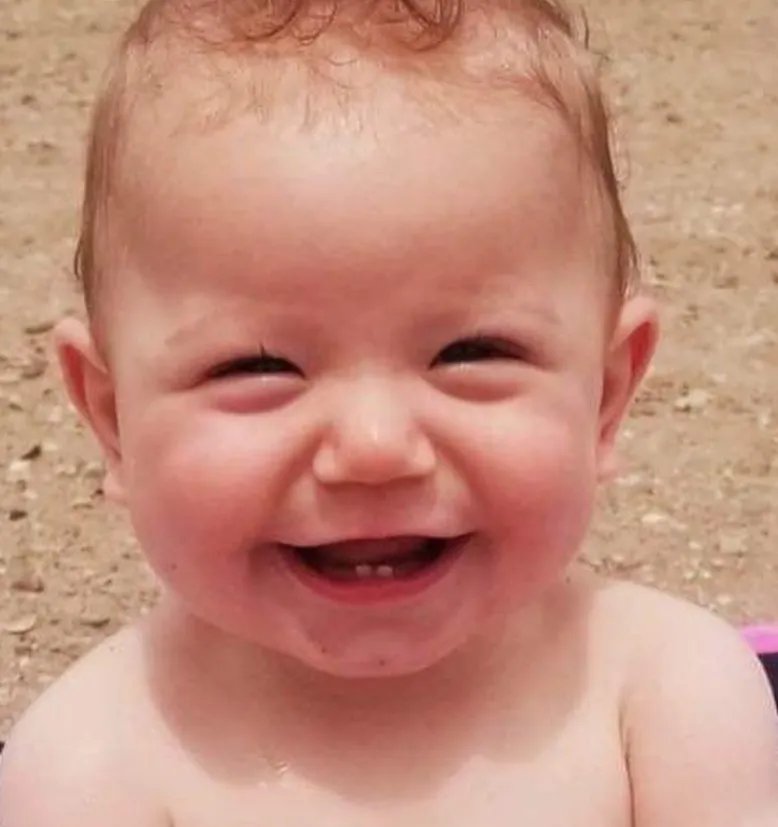
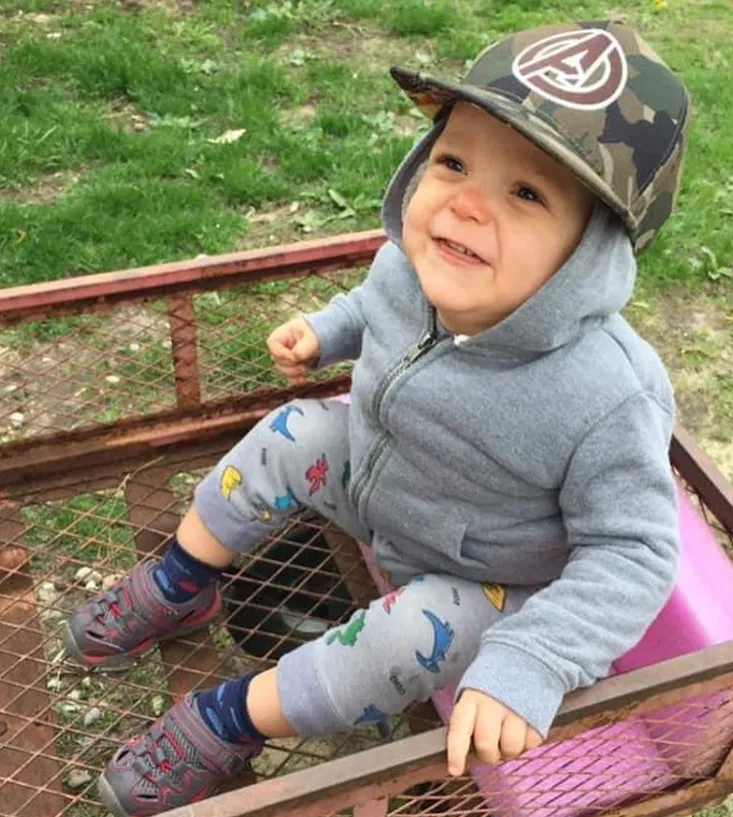
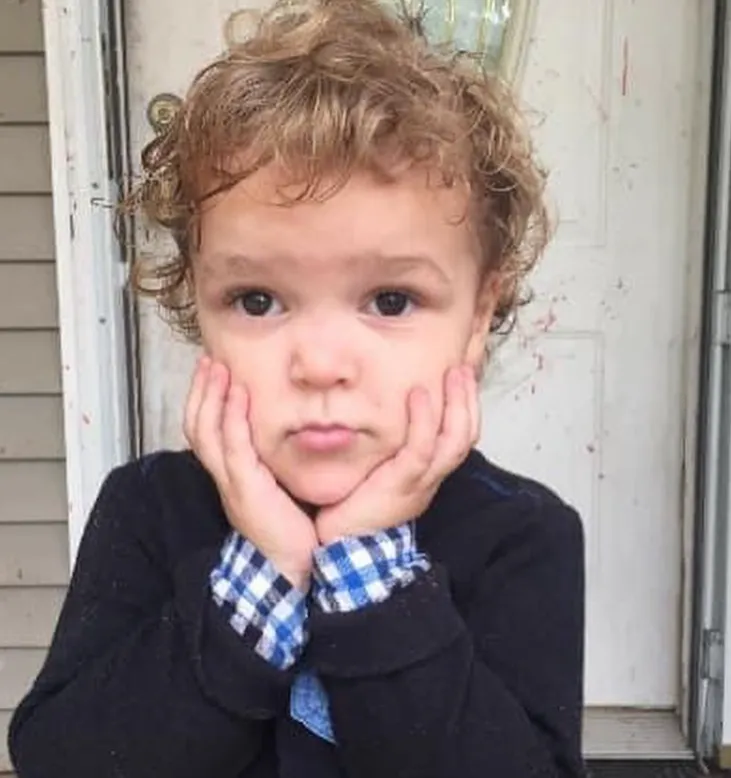
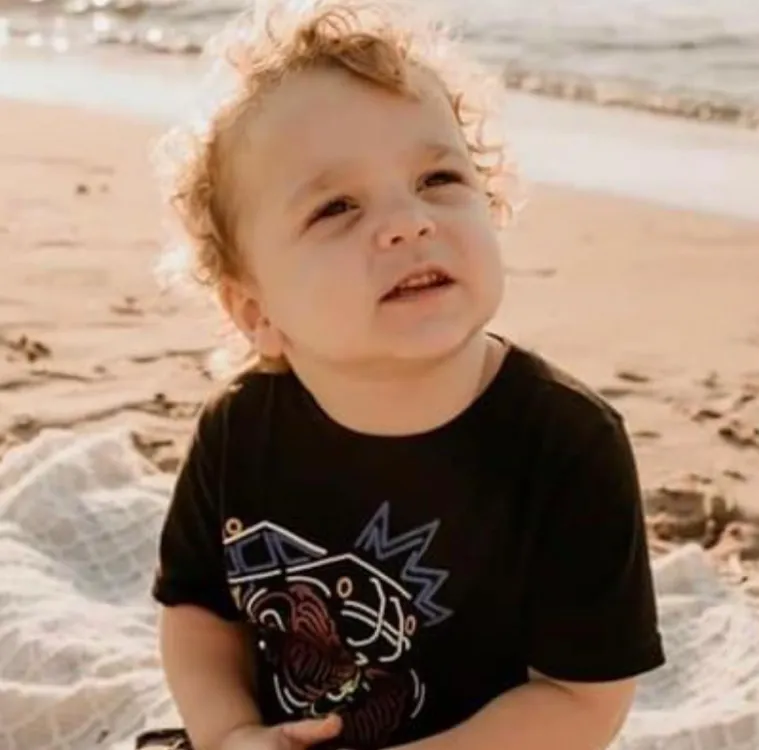
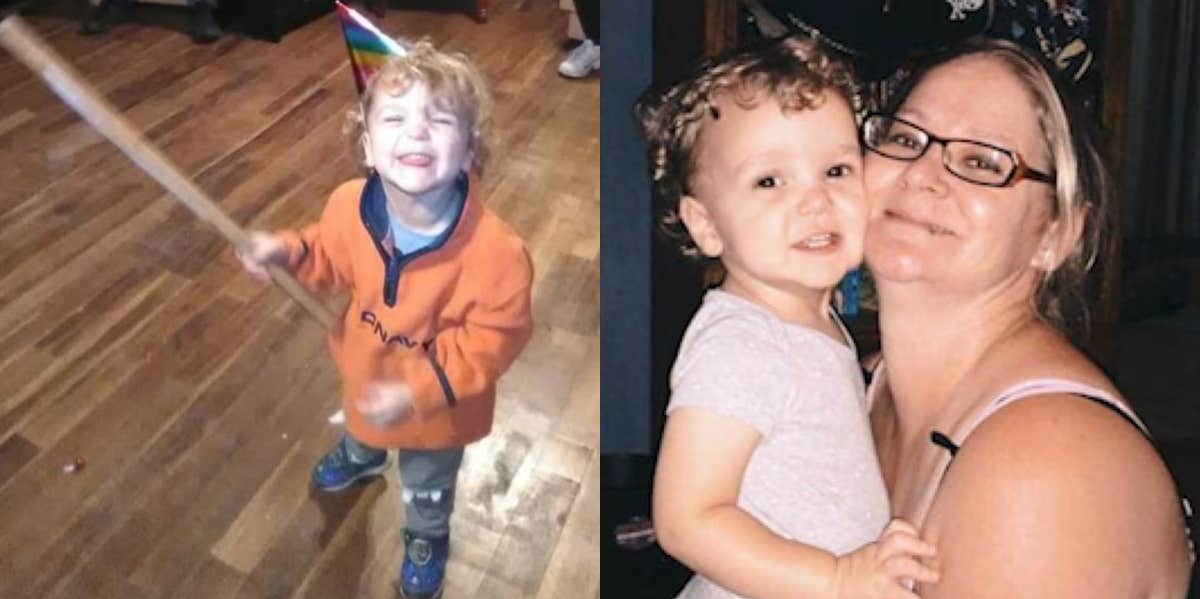
There’s a photo of Judah that has since spread across social media — his golden curls shining in the sunlight, his eyes full of life.
It’s the kind of picture that stops you mid-scroll.
Because you see not just a child — you see what was stolen.
Strangers across the country have shared his image, demanding justice, sharing hashtags like #JusticeForJudah and #HisLifeMattered.
For many, he has become a symbol — of innocence lost and a system that must do better.

Inside the Courtroom
As the case moves through the legal system, courtroom records detail a chilling level of premeditation and indifference.
Alan Morgan showed little emotion when confronted with the evidence — the duct tape, the bruises, the statements from his children.
He has yet to enter a formal plea to the murder charges.

Mary Yoder’s defense claims she was a victim of abuse herself, that fear kept her silent.
But prosecutors argue that silence was complicity — that she chose to protect her abuser instead of her child.
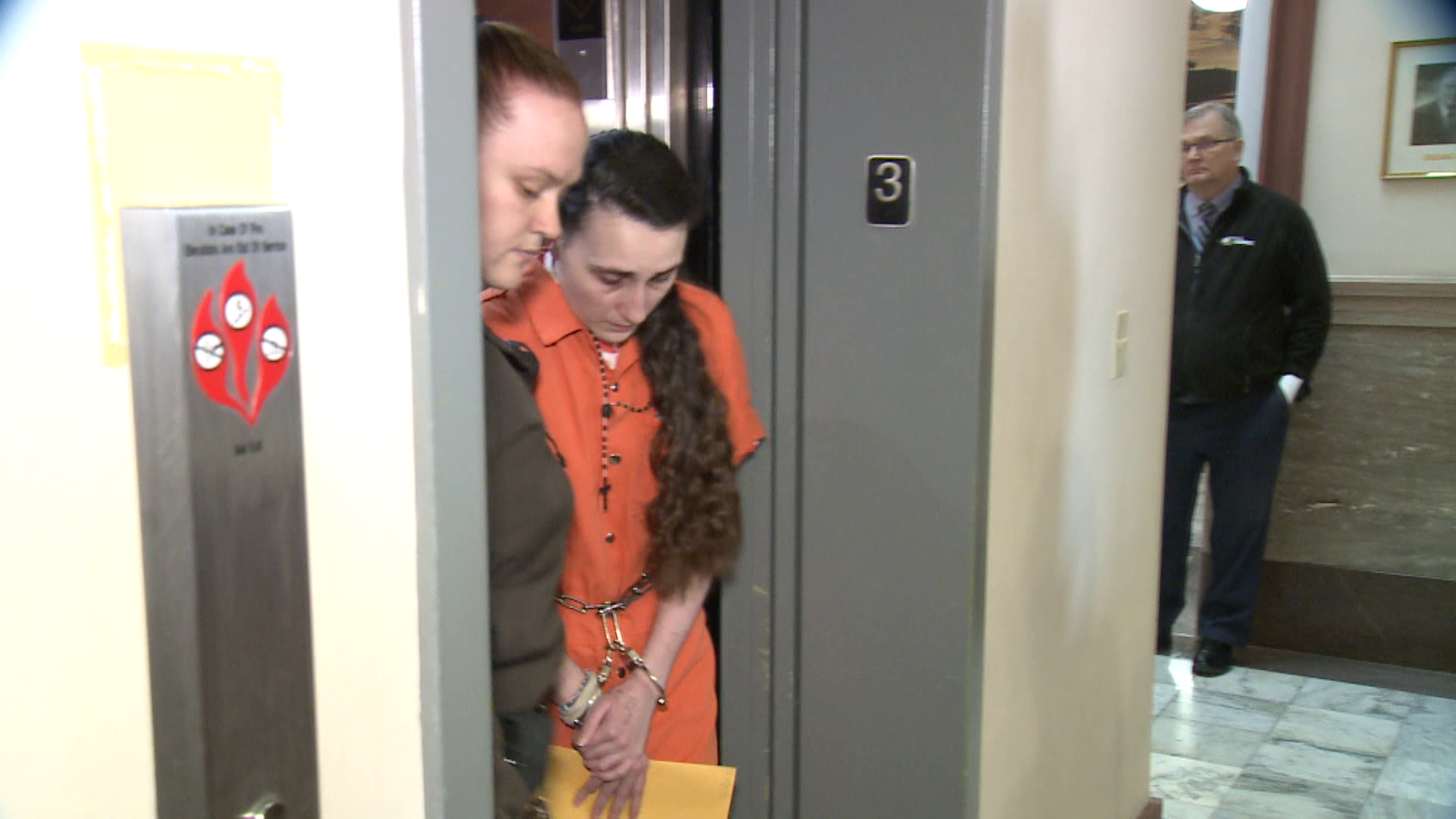
During hearings, members of the community filled the courtroom gallery, many wearing shirts with Judah’s face printed on them.
Some wept quietly. Others stared in disbelief.
One woman whispered, “He was just a baby.”
Beyond the Tragedy
Judah’s story is not just about what happened in that basement.
It’s about every moment that led him there — every decision, every failure, every warning ignored.
It’s about a broken chain of protection that allowed a defenseless child to slip through.
And it’s about the voices — the ones still fighting to make sure this never happens again.
Jenna has turned her grief into action.
She now works with advocacy groups, urging reform in child welfare laws and calling for transparency in reunification decisions.
“I can’t bring Judah back,” she says, “but I can make sure his story saves someone else.”

The Basement of Silence
In that small Indiana home, the basement has since been sealed — a silent, airless space where the echoes of a little boy’s suffering linger like a ghost.
No laughter. No cries. Just the memory of what was lost there.
But beyond those walls, Judah’s name lives on — in headlines, in vigils, in whispered prayers.
And maybe, one day, his story will become the catalyst for change — the reason another child is pulled from danger before it’s too late.
Because Judah Morgan’s voice was stolen.
But his story still speaks.
And it demands that we listen.
Saying Goodbye to Christina, Three Days Before Christmas.5819


