Mother Charged With Murder After 4-Year-Old Daughter Dies in House Fire .6094

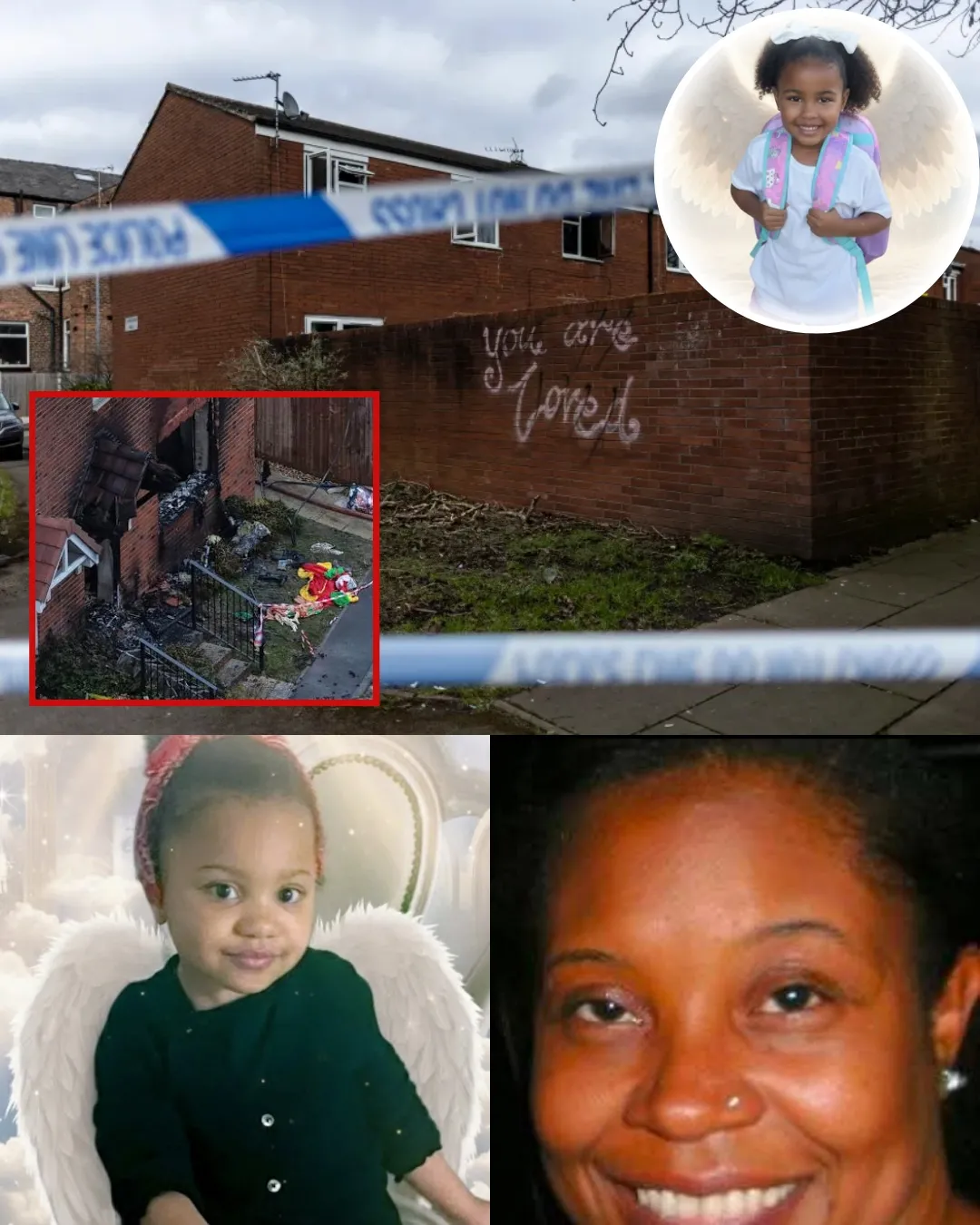
The fire did not begin with sirens or screams.
It began quietly, inside a family home, in the early hours of an ordinary night.
By the time the flames were visible, a life had already been placed in danger.
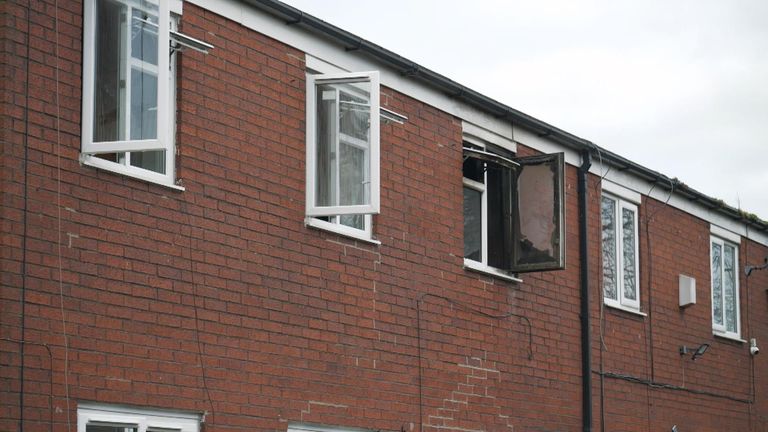
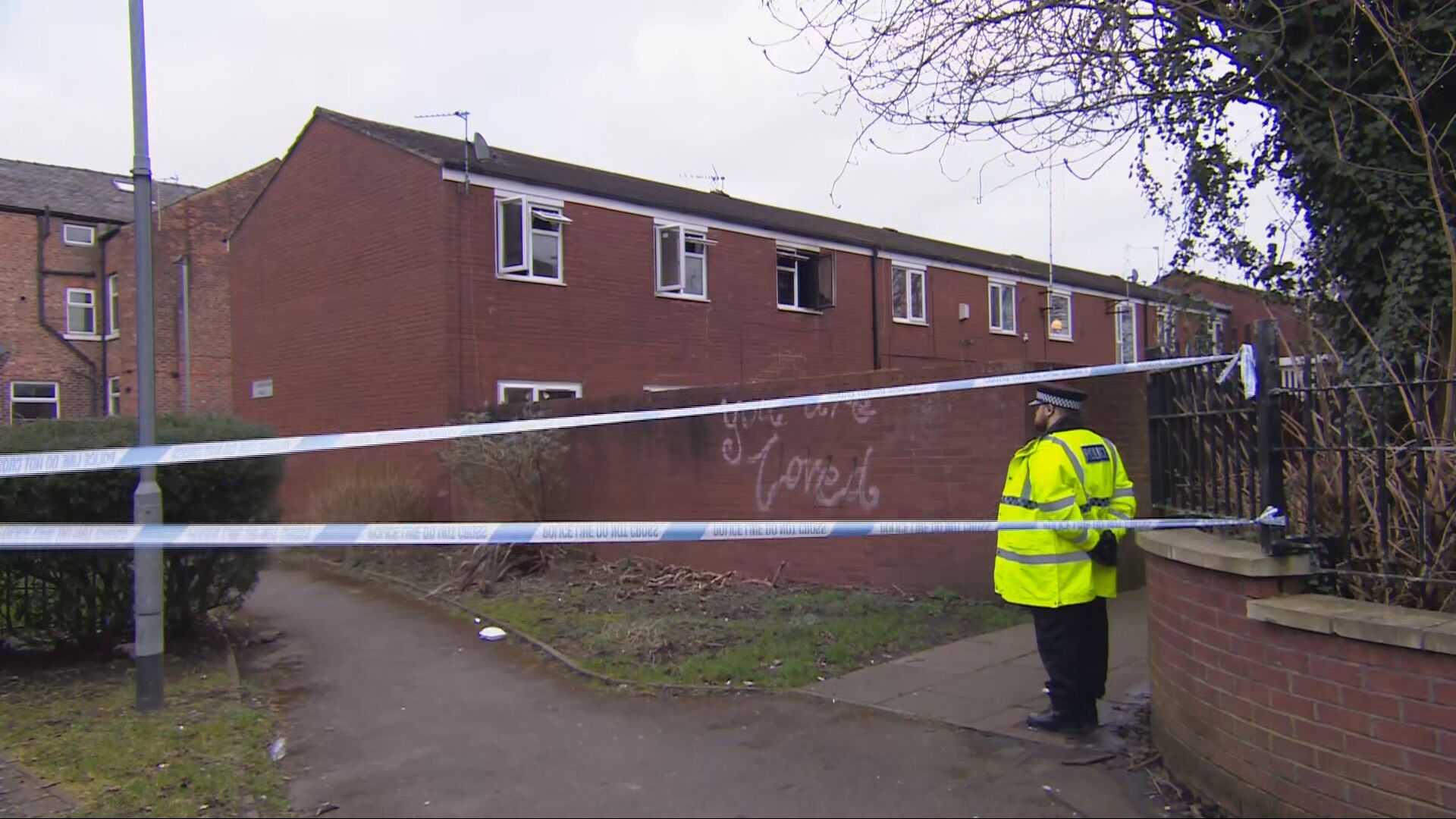
On March 2 of last year, a house in Rusholme, a neighborhood in Manchester, became the center of a tragedy that would take months to fully unfold.
Neighbors would later describe the smell of smoke drifting through the street, followed by the flash of emergency lights.
Few could have imagined what investigators would eventually allege.
Inside that home was Lesma-Rose Wibier.
She was four years old.
She would never turn five.

Lesma-Rose was rushed to the hospital after the blaze.
Doctors fought for her life as her family waited, suspended between hope and terror.
Days later, the hospital delivered the news no parent, no family, should ever have to hear.
Lesma-Rose died from her injuries.
Her small body could not overcome the damage caused by the fire.
A bright presence was gone.
In the days following her death, grief settled heavily over those who knew her.
Her family spoke publicly, trying to capture who she was in words that felt painfully insufficient.
They called her the star of the family.
“Anyone who knew her knew she was the most beautiful girl inside and out,” they said.
“She always had a smile on her face and could put the same on others.”
“She will be deeply missed by anyone who was blessed to meet her.”

They spoke of her intelligence.
Of how she learned in her own unique ways.
Of the joy she carried so effortlessly into every room.
At that time, the focus was on mourning.
On remembering a child taken far too soon.
On supporting a family shattered by loss.
But behind the scenes, questions were growing.
Fire investigators examined the remains of the house with painstaking care.
Detectives reviewed evidence, timelines, and witness statements.
For nearly a year, the case remained open.
There were no public accusations, no immediate charges.
Only silence, and the slow, methodical work of law enforcement.
Then, on January 6, 2026, everything changed.
Greater Manchester Police announced a development that sent shockwaves through the community.
A mother had been charged.
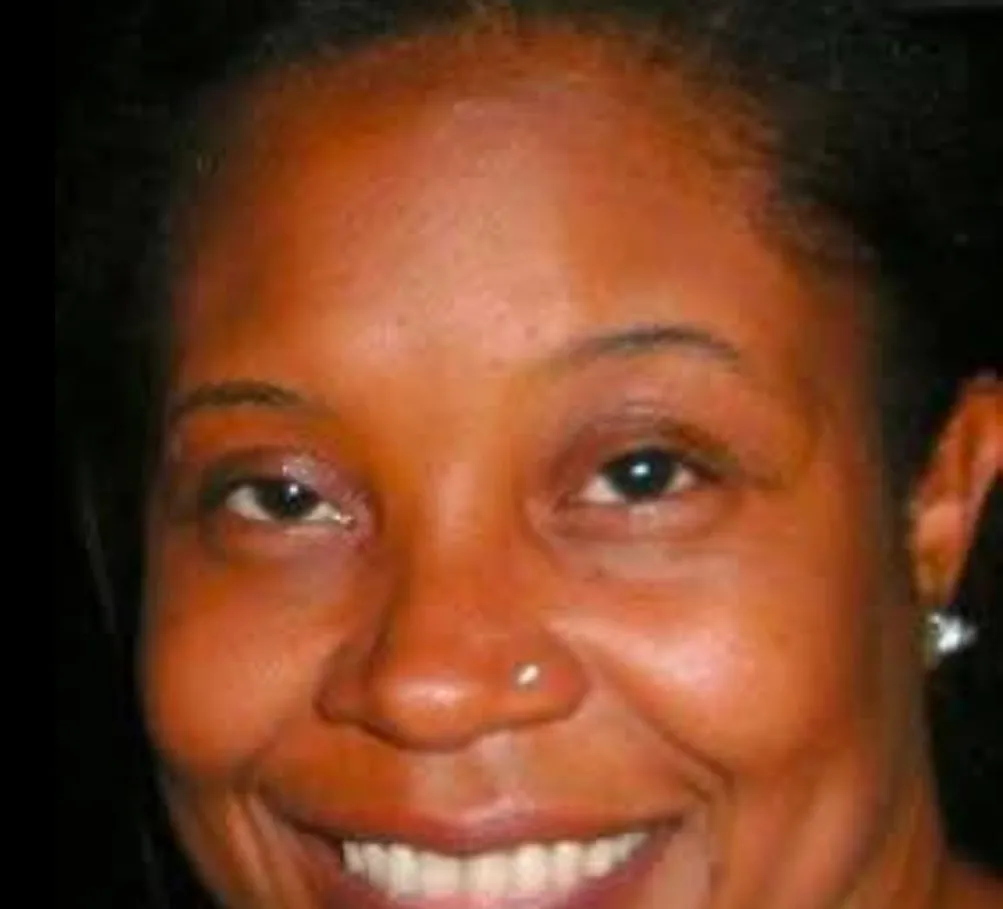
Carrin Wibier, 45, of Gateshead Close in Manchester, was formally charged with murder.
She was also charged with arson with intent to endanger life.
The victim named in both charges was her own daughter.
The announcement was brief.
The implications were devastating.
A year of quiet grief turned instantly into public disbelief.
According to police, Carrin Wibier was taken into custody.
She was scheduled to appear at Manchester Magistrates’ Court the following day.
The legal process would now begin.
For many, the hardest part was not the charge itself.
It was the relationship between the accused and the victim.
A mother.
A child.
The word “mother” carries expectations.
Protection.
Sacrifice.
Unconditional love.
The word “daughter” carries innocence.
Dependence.
Trust.
When those two words are placed on opposite sides of a courtroom, something breaks in the collective understanding of safety.
People begin to ask questions that have no comforting answers.
How could this happen.
Neighbors in Rusholme struggled to reconcile the charges with their memories.
Some remembered seeing Lesma-Rose playing outside.
Others recalled her laughter, her curiosity, her small hand gripping an adult’s finger.
There were no warnings written on the walls of the house.
No signs visible from the street.
Just a family living behind closed doors.

That is often how such tragedies exist.
Not announced.
Not obvious.
Hidden until it is too late.
The charge of arson with intent to endanger life added another layer of horror.
It suggested deliberation.
Planning.
A level of intent that feels impossible to process when the victim is a four-year-old child.
As details remain restricted due to ongoing legal proceedings, the public is left with fragments.
A fire.
A child in critical condition.
A mother now accused of murder.

What happened inside that house on March 2 is something a jury will one day examine.
Evidence will be presented.
Arguments will be made.
But no verdict can restore what was lost.
No sentence can rewind time to before the smoke filled the rooms.
No ruling can return a child to her family’s arms.
Lesma-Rose’s family continues to speak of her in the present tense.
They talk about her smile as if it could still appear at any moment.
They describe her personality with the tenderness reserved for memories that refuse to fade.

“She was such a smart and intelligent girl in her own unique ways,” they said.
Those words are not legal statements.
They are love, preserved in language.
For the wider community, the case has reopened conversations about child safety.
About mental health.
About the systems meant to identify families in crisis before tragedy strikes.
Social services, educators, neighbors, and healthcare professionals all sit within that conversation.
Each wondering if there was a moment when intervention could have changed the outcome.
Each asking what responsibility truly looks like.
In the UK, cases involving the death of a child carry profound weight.
They challenge trust in the most fundamental relationships.
They force society to confront uncomfortable truths.
The courtroom will focus on facts.
On evidence and procedure.
On guilt or innocence under the law.
Outside the courtroom, the focus is different.
It is on grief.
On a little girl whose life ended before it truly began.

Four years is not enough time.
Not enough birthdays.
Not enough laughter.
Not enough everything.
Lesma-Rose should have been learning new words.
Asking endless questions.
Growing into the person her family believed she would become.
Instead, her name is now spoken in headlines.
In court documents.
In conversations that end in silence.

As the case moves forward, one truth remains untouched by legal arguments.
Lesma-Rose Wibier mattered.
Her life mattered.
She was not just a victim.
She was a child who made people smile.
A little girl who left a mark far bigger than her years.
And no matter how this case concludes, that truth will stand.