“Toddler Beaten to Death in Basement, Mother’s Boyfriend Charged”.6102

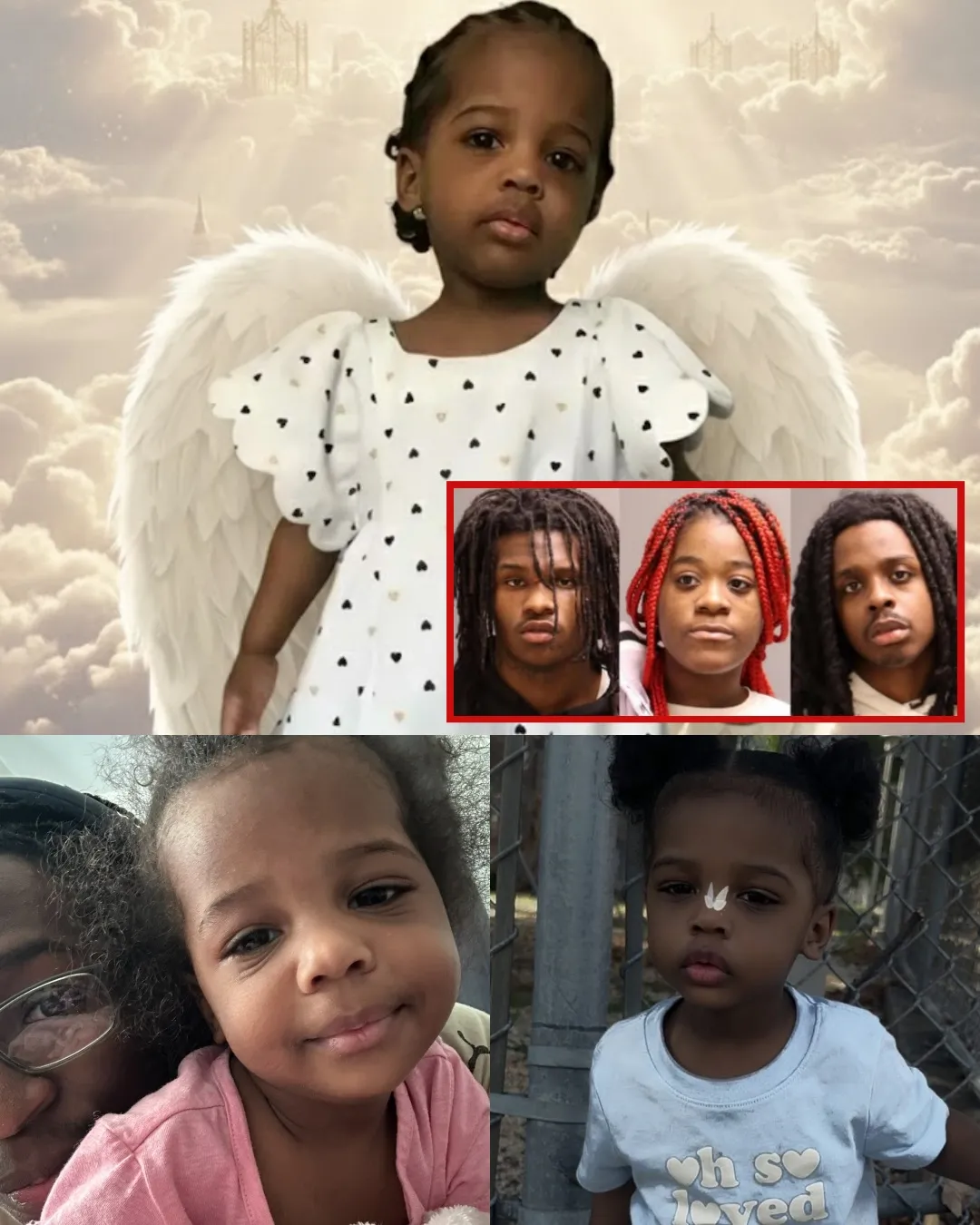
The basement was never meant to be the place where a life ended.
It was meant to be storage, shadows, unfinished walls, a space people rarely think about.
But on a cold December night in South Philadelphia, it became the final place a two-year-old girl ever knew.
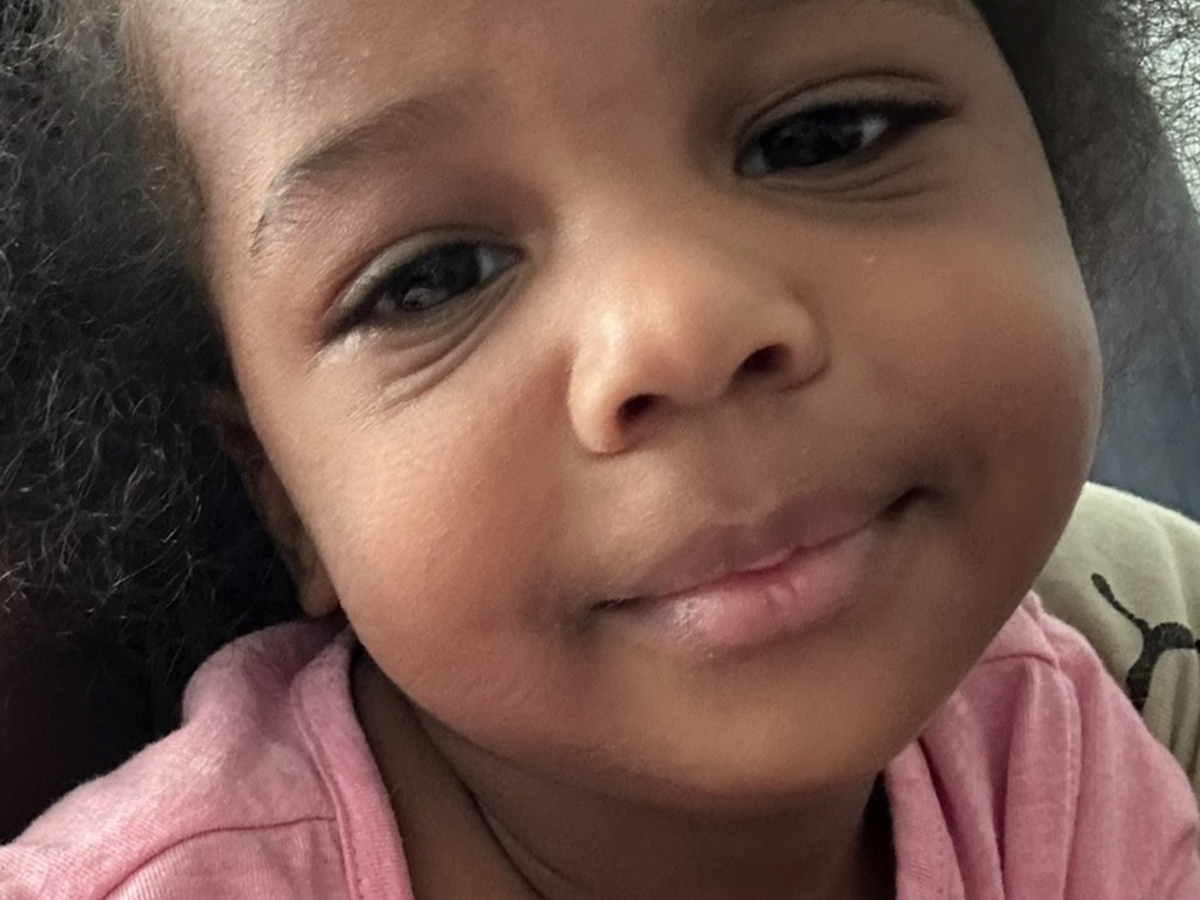
Key’Monnie Bean was only two years old.
She was still learning words, still discovering what laughter meant, still small enough to be carried when she was tired.
Her life ended before it had the chance to truly begin.

Just after 8:30 p.m. on December 8, police were called to a home on the 2100 block of South Beechwood Street.
The call was for an unresponsive child, a phrase that carries immediate weight for first responders.
Every second matters when a child is involved.
When officers arrived, they were led to the basement.
There, on the cold floor, they found Key’Monnie Bean.
Her body showed severe injuries, signs of violence that no child should ever endure.

The officers did what they could in that moment.
They carried her upstairs, placed her on a bed, and began CPR.
Hope, even when slim, demands action.
Key’Monnie was rushed to Children’s Hospital of Philadelphia.
Doctors and nurses worked to save her, fighting against injuries that were already devastating.
At 9:42 p.m., she was pronounced dead.
Her death was ruled a homicide.
Officials described it as the result of a brutal beating.
Those words would echo through the investigation and into the hearts of everyone who heard them.
Prosecutors say the person responsible was someone who should have protected her.
Twenty-one-year-old Sean Hernandez, also known as Raafi Gorham, was the boyfriend of Key’Monnie’s mother.
Authorities allege that he fatally assaulted the toddler inside that basement.
The accusation is almost impossible to comprehend.
A grown man.
A two-year-old child.
“What could a two-year-old possibly do to deserve this?”
Assistant District Attorney Ashley Toczylowski asked that question publicly.
She also answered it just as clearly: nothing.
According to prosecutors, the beating happened inside the home while others were present.
The violence was not hidden by distance or time.
It occurred within the walls of a place that should have been safe.
As investigators began piecing together what happened, they encountered stories that did not align.
Two individuals, both friends of Hernandez and the child’s mother, spoke to police.
Their initial accounts raised immediate red flags.
Twenty-one-year-old Anthony Lowrie and twenty-year-old Alycia McNeill were questioned as witnesses.
Investigators later said their original stories were completely fabricated.
Instead of helping uncover the truth, prosecutors say they tried to conceal it.
Both Lowrie and McNeill are now charged with obstruction of justice.
They are also charged with giving false information to police.
Prosecutors allege their lies delayed the investigation during its most critical moments.
The child’s mother was also in the home at the time of the incident.
She was questioned by police and later released.
At this time, she does not face criminal charges, according to the district attorney’s office.
That distinction has not quieted the public’s reaction.
The death of a toddler invites questions that reach far beyond legal filings.
People want to know how this could happen at all.
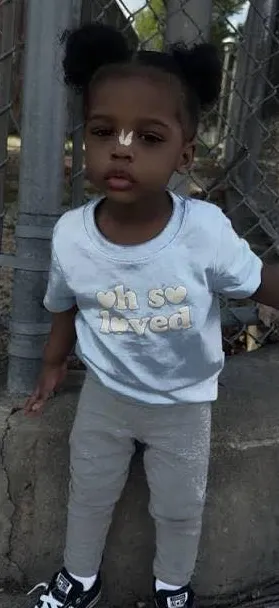
Sean Hernandez now faces multiple charges.
They include murder, endangering the welfare of a child, possession of an instrument of crime, reckless endangerment, and obstruction of justice.
Each charge reflects a layer of alleged responsibility.
Prosecutors say the injuries Key’Monnie suffered were severe and widespread.
Her small body bore the marks of sustained violence.
She did not die from an accident, nor from neglect alone, but from deliberate harm.
For first responders, scenes like this never fade.
The size of the victim makes the weight heavier.
A toddler’s shoes, a child’s clothing, silence where cries should be.
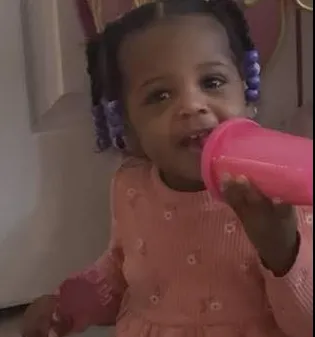
In South Philadelphia, word spread quickly.
Neighbors gathered, whispering in disbelief, anger, and sorrow.
Many had never met Key’Monnie, yet her death felt personal.
Memorials began to appear.
Candles flickered on sidewalks, stuffed animals were placed near the home.
Handwritten notes carried messages of grief and rage.
The basement, once overlooked, became central to the story.
People imagined the cold concrete, the isolation, the terror.
No child should ever know such fear.
Investigators worked to reconstruct the final hours of Key’Monnie’s life.
Who was present, who spoke, who stayed silent.
Every detail mattered.
Prosecutors allege that instead of calling for help immediately, the truth was hidden.
False narratives were offered.
Time was lost.
In cases involving children, time is unforgiving.
Minutes can mean survival.
Delay can mean death.

Key’Monnie’s life was measured in months, not years.
She had favorite toys, favorite sounds, favorite people.
Those details now live only in memory.
Her future was never written.
No first day of school.
No birthday candles beyond two.
The charges against Hernandez place him at the center of the violence.
Prosecutors say he used force that no child could withstand.
They argue that his actions were intentional and fatal.
In court, the case will be argued with evidence and testimony.
Medical findings, witness statements, timelines.
But no exhibit can fully convey the loss.
For the community, the case has become a symbol.
A reminder of how vulnerable children are.
And how catastrophic it is when those entrusted with care choose harm instead.
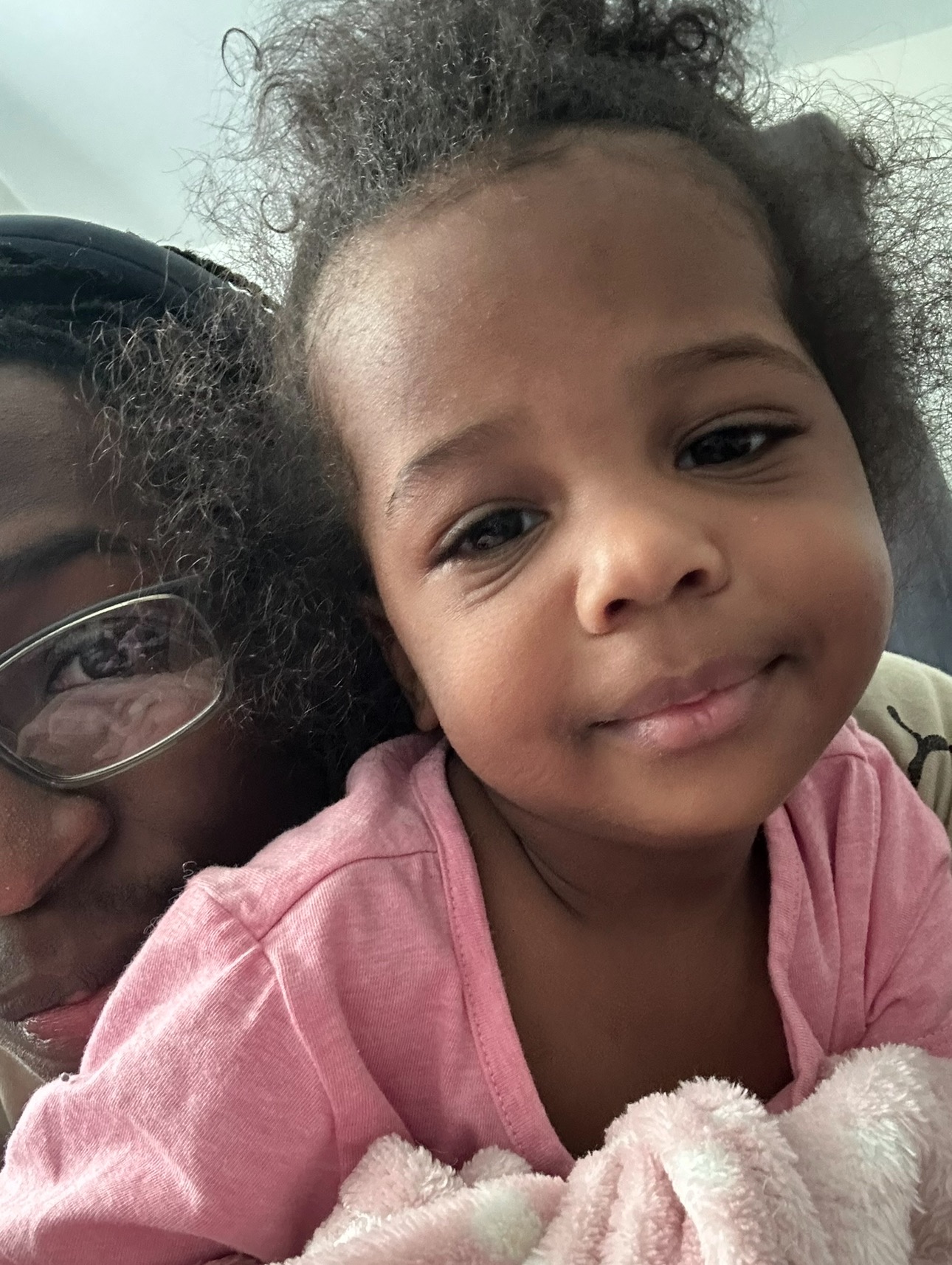
Questions continue to surface.
How were earlier warning signs missed.
Who could have intervened.
The law will determine guilt or innocence.
But the moral weight of a child’s death is already clear.
Someone failed Key’Monnie.
Assistant District Attorney Toczylowski’s words linger.
What could a two-year-old possibly do to deserve this.
The silence that follows that question is devastating.
As the case moves forward, the courtroom will fill with lawyers and arguments.
But outside, the focus remains on a child who never had a voice.
A child who depended entirely on adults.
Key’Monnie Bean’s name is now spoken in past tense.
Her story joins countless others that never should have existed.
Each one a warning written in tragedy.
Her death has ignited conversations about accountability.
About speaking up.
About refusing to look away.
For those who loved her, grief is not abstract.
It is waking up to an absence that cannot be explained to a toddler.
It is carrying memories that end too soon.
The basement door may close again.
The house may return to quiet.
But the impact of what happened there will not fade.

Justice, prosecutors say, is being pursued.
Charges have been filed.
The process has begun.
Yet justice cannot restore what was lost.
It cannot return a child to her family.
It can only acknowledge that a wrong was done.
Key’Monnie Bean mattered.
Her life mattered.
And her story demands to be remembered.
Not just as a crime.
But as a reminder.
That children rely on us, and when we fail them, the cost is irreversible.
“Through Infection and Fear, Madzia’s Spirit Still Shines”.2111

There are moments in life when the ground seems to fall away beneath your feet, when the plans you so carefully made are swept aside by circumstances you could never have imagined. For Madzia’s parents, the past weeks have been such a time—a season marked by fear, exhaustion, hospital walls, and yet, despite it all, an unyielding hope.
Their beloved daughter, Madzia, had already been through more than most children her age should ever endure. The family was preparing to continue her rehabilitation, slowly rebuilding strength and routines after difficult treatments. But then, without warning, everything changed.
It started with what seemed like a complication, and quickly escalated into a crisis. The PEG tube, an essential medical device that had been helping with her nutrition, became infected. Suddenly, there was no time to wait or weigh options. Doctors rushed her into the hospital. Within hours, the decision was made—her PEG had to be removed immediately.
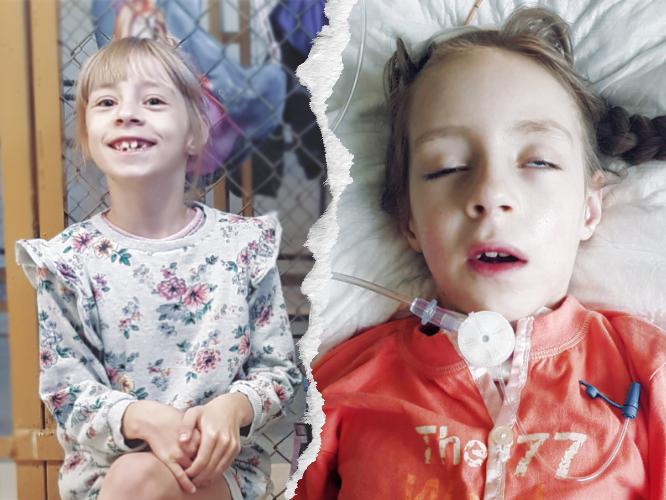
For any parent, hearing that your child needs an emergency procedure is a nightmare. For Madzia’s parents, it was a heart-stopping moment. They watched their daughter, small and fragile, wheeled into the care of surgeons who would do their best to protect her. Each minute of waiting was an eternity. Each hour spent by her bedside afterward was filled with a mixture of relief that she had survived the procedure and anguish at what lay ahead.
The days that followed were not easy. Infection had taken its toll on Madzia’s little body, and her system needed time and support to fight it off. She was placed on a course of strong antibiotics, and the family settled into what would become more than a month inside the hospital walls. A month of long nights, broken sleep, and the constant hum of machines.

Hospitals have their own rhythm, one that families slowly grow used to but never truly accept. The shuffle of nurses’ shoes in the corridor, the beeping of monitors, the constant interruptions for checks and tests—these sounds became the soundtrack of Madzia’s daily life. For her parents, it was a reminder that their daughter’s health was fragile, that every day was a fight to regain stability.
Through it all, Madzia showed remarkable resilience. Even when her body was weak, her spirit seemed determined not to give in. She endured endless blood draws, countless medications, and the disorienting shifts between day and night in the hospital. She clung to the presence of her parents, who never left her side, whispering encouragement, holding her hand, reminding her that she was not alone in this fight.

Slowly, the antibiotics began to do their work. The infection receded. The color began to return to her cheeks. Each day brought tiny signs of progress—a steadier breath, a stronger grip, a clearer gaze. For her parents, these were miracles in miniature, proof that their little girl was still fighting, still holding on, still pushing toward recovery.
At last, after weeks that felt like years, doctors gave the news that Madzia’s condition was stable enough for her to return home. Relief washed over the family, though it was tempered by exhaustion. The battle was not over—far from it—but to walk through their own front door again, to feel the air of home instead of the sterile chill of the hospital, was a gift beyond words.

Rehabilitation, which had been paused during the long hospital stay, could not yet be resumed. Madzia’s body needed more time to recover before therapies could safely begin again. She was still on antifungal medications, her immune system needing protection after the ordeal. Her parents carried the careful instructions of doctors with them like a map, guiding them step by step in the fragile days ahead.
Yet even in the shadow of difficulty, light began to break through. Madzia, resilient as ever, found joy in new routines. Her parents decided to introduce swimming into her schedule—a gentle form of exercise, one that could help rebuild strength without overwhelming her fragile body. They committed to going to the pool at least twice a week. To their surprise and delight, Madzia loved it.

In the water, she found freedom. The weight of illness seemed lighter there, her movements more fluid, her laughter brighter. The pool became a place not only of physical therapy but of emotional renewal. She splashed, floated, and played, reminding everyone that childhood joy could still exist alongside medical struggles. It was so contagious that even her grandparents joined in, persuaded by Madzia’s excitement to step into the water and share in her happiness.
Looking ahead, the family knows the journey is far from over. January looms with scheduled tests, examinations that will determine the next steps in Madzia’s care. These results will guide the doctors, shaping treatment plans and rehabilitation strategies. For the parents, it is another weight to carry—the uncertainty of waiting, the anxiety of not knowing what those tests may reveal.
And yet, they walk forward with faith and gratitude. Gratitude for the doctors and nurses who carried them through the darkest nights. Gratitude for the community that has surrounded them with love, encouragement, and support. Gratitude for every prayer whispered, every message sent, every act of kindness that reminded them they were not alone.
They write to their friends and supporters now with words that are both tender and strong: “Dear ones, thank you for everything you have done for us. Please continue to stand with us.”
These words are not mere politeness; they are an honest plea from parents who know that the road ahead will require not only medical care but emotional, spiritual, and practical support. They know that their daughter’s fight is not fought in isolation but held within a wider circle of love.
Madzia’s story is one of fragility and strength, pain and hope interwoven. It is about a little girl whose small body has endured more than most adults will in a lifetime, and yet whose spirit shines so brightly that it pulls her family forward through the storm. It is about parents who refuse to surrender, who find courage in their daughter’s eyes, who cling to hope even when fear threatens to overwhelm them.
Every day, they see reminders of how precious life is: in the way Madzia smiles after a difficult night, in the way she clings to her parents’ hands, in the way she laughs in the swimming pool. These are the moments that give them strength, that remind them why they keep fighting, why they keep believing in better days ahead.
The infection may have stolen a month from their lives, but it did not steal their resolve. The surgery may have been frightening, but it was also life-saving. The hospital stay may have been exhausting, but it was also a testament to resilience.
Now, as they step forward into uncertain days, they do so with a simple but powerful truth: love is stronger than fear, hope is stronger than despair, and even in the most fragile lives, courage can shine with a brilliance that inspires everyone who sees it.
This is Madzia’s story—a story not yet finished, but already rich with lessons of perseverance, gratitude, and the quiet, unstoppable power of a child’s will to live.