The Starvation of Josie Abney: A Crime Hidden in Plain Sight.4526

Josie Ann Abney should have grown up laughing, learning, and living a childhood wrapped in love. She should have been riding bikes, playing with friends, and asking endless questions about the world the way bright, curious 10-year-olds do. Instead, her story became one of the most haunting and heartbreaking cases of child abuse in recent memory—a tragedy that continues to disturb even the most seasoned investigators.

What happened to Josie wasn’t sudden. It wasn’t hidden by chance. It wasn’t a moment of uncontrolled anger.
It was deliberate. Long-term. Methodical.
And it unfolded inside the very home meant to protect her.

This is the story of a little girl who arrived full of life… and left the world weighing barely more than the medical equipment attached to her.


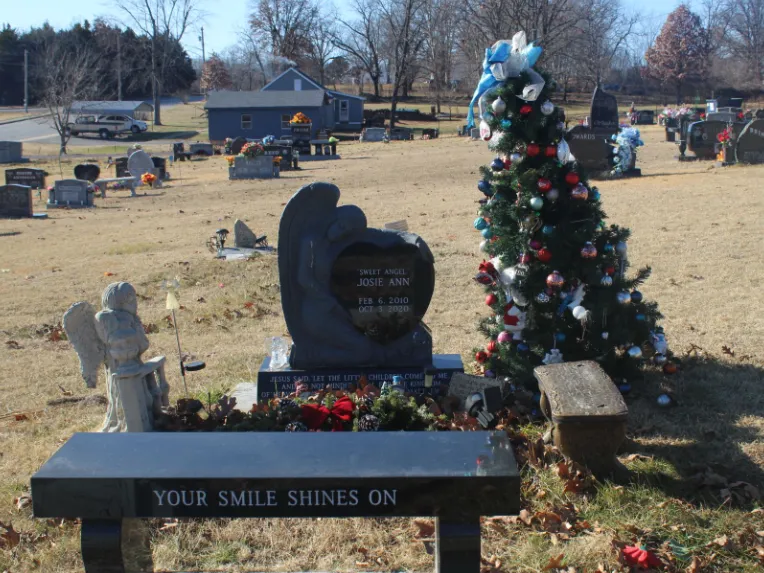
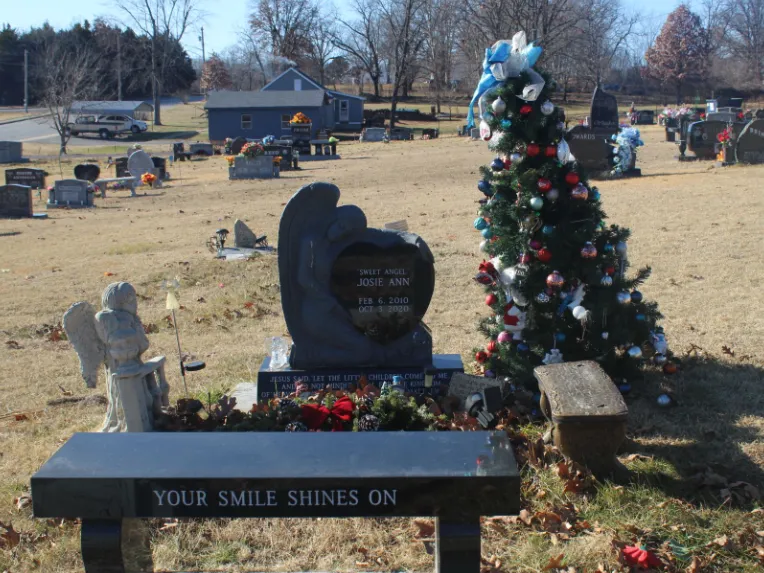
Josie Ann Abney was born in 2010 and adopted three years later by Randall and Susan Abney. They were foster parents who would go on to take in twelve or thirteen children—children who were supposed to find safety, stability, and care inside their household.

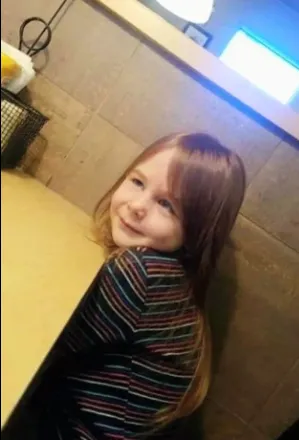
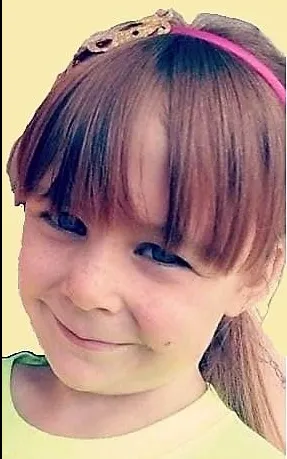
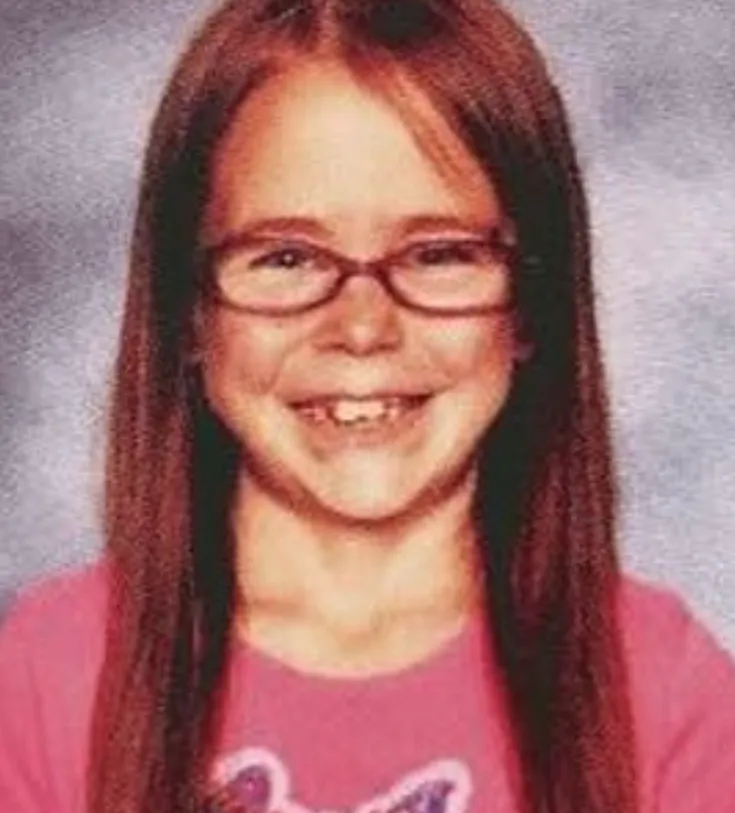
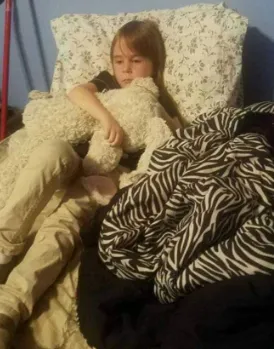
To many who met Josie, she was unforgettable. A cute redheaded girl with bright eyes and a personality that could warm even the coldest room. She was sunshine wrapped in freckles and laughter, a child described as beautiful inside and out. A child who loved sharing smiles. A child who should have had her whole life ahead of her.

For a time, she attended public school. Teachers saw her potential, noted her charm, and watched her light up classrooms. But not long after being adopted, her parents withdrew her from school, choosing to “homeschool” her. That decision would isolate Josie from every adult who might have intervened, every teacher who might have noticed the weight loss, the exhaustion, the fear.

From that moment on, the world stopped seeing Josie.
And inside her home, the suffering began.


On October 3, 2020, a deputy was dispatched to the Abney residence for an unresponsive child. The call seemed routine at first—tragic, but familiar. But the moment first responders reached Josie, the truth hit them harder than anything they had seen before.

She wasn’t breathing. She wasn’t responsive. She wasn’t simply ill.

She was dying.

Paramedics raced to stabilize her, but the signs were unmistakable: she was emaciated, dehydrated to the point that hospital staff couldn’t draw blood, her blood sugar dangerously low at just 10. Her body was skeletal, bruised, and visibly suffering from prolonged starvation.

A deputy later said Josie “looked like a Holocaust victim.”

Her weight—including the medical equipment, the blanket, and the body bag—was only 39.8 pounds.
A healthy 10-year-old should weigh around 70.

Josie didn’t just lose weight.
She was starved.

She didn’t just miss meals.
She was denied food.

She didn’t just endure neglect.
She suffered torture disguised as caregiving

.

The evidence inside the home made everything painfully clear.


Police found the refrigerator secured with a lock.
Cupboards stocked with food were placed out of reach.
Josie’s room had a lock on the

outside of the door.
An alarm was fixed above the doorway—an alert meant to detect if she tried to escape.

The child had only a single mattress to sleep on. No toys. No blankets filled with warmth or comfort. No sign of nurturing.

Meanwhile, in the Abneys’ own bedroom, investigators found drawers stuffed with cookies, brownies, candy, and snack bars—foods Josie never had a chance to see, let alone taste.

It was a contrast so stark, so cruel, that even officers seasoned in abuse cases struggled to comprehend the level of intentional deprivation inflicted upon her.

Her final autopsy confirmed the horror: Josie died from severe cachexia and protein-calorie malnutrition—terms that mean only one thing in a case like this.

Starvation.
Forced starvation.
Homicide.

The autopsy revealed 14 separate contusions to her head and at least 25 additional injuries across her body. Bruises, wounds, and marks that suggested physical abuse accompanied the starvation.

She wasn’t just deprived.
She was harmed.
Repeatedly.
Brutally.
In a place where she should have been protected.


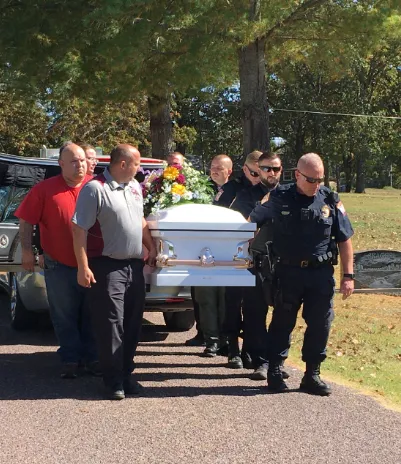
Authorities ruled Josie’s death a homicide.
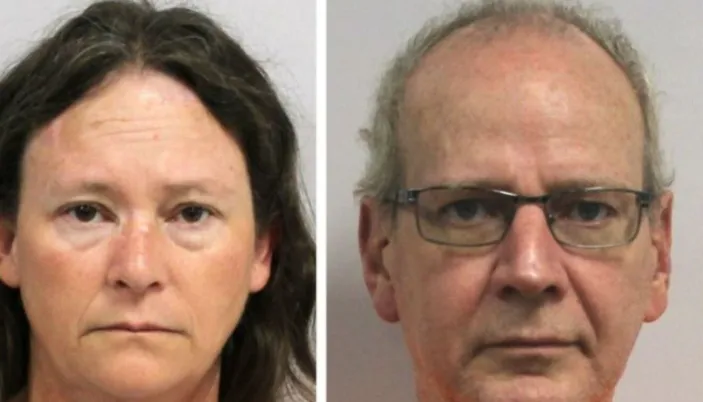
Her adoptive parents—Randall and Susan Abney—were arrested and charged with felony child abuse resulting in death. If convicted, they face 10 to 30 years in prison, or potentially life.

But for many who followed the case, one piercing question remains:

How did this happen under the watch of a system designed to safeguard children?

The Abneys weren’t first-time foster parents. They weren’t new to the system. They had fostered more than a dozen children. They had been trusted, vetted, approved.

And yet behind closed doors, Josie wasted away.
Her bright smile dimmed.
Her laughter faded.
Her small body grew thinner and weaker as the days passed.
And no teacher, no neighbor, no official intervened—because no one saw her.

Isolation became their weapon.
Starvation became their control.
Silence became her prison.

And when she could no longer cling to life, her body simply gave out.


It is impossible to read Josie’s story without imagining the moments she must have endured:

The locked bedroom.
The alarm that signaled her every movement.
The sound of food being eaten in the next room—food she wasn’t allowed to touch.
The fear.
The hunger.
The confusion of a child who never stopped deserving love.

And yet, even through the cruelty inflicted on her, one detail from her early life remains painfully important:

Josie was once described as a ray of sunshine.
A blessing.
A bright, joyful soul who made the world warmer just by being in it.

That light was extinguished by people who were supposed to protect it.


Today, her name stands as a reminder of every child hidden behind closed doors, every child removed from school without question, every child isolated in the name of “homeschooling” but used as prey by those entrusted with their care.

Josie’s story is heartbreaking.
It is infuriating.
It is unforgettable.

Because a child’s death is never just a statistic.
It is a warning.
A plea.
A demand for vigilance.

Every locked door, every unexplained bruise, every sudden disappearance from school is a red flag—and Josie’s story teaches us that ignoring these signs can cost a child their life.


In the end, Josie Ann Abney didn’t die because of an illness.
She didn’t pass away peacefully in her sleep.
She wasn’t taken by accident or unforeseen tragedy.

She died because two adults chose to starve her, isolate her, and break her body until it could no longer survive.

Her life—short, bright, and beautiful—deserved so much more.

And her story deserves to be told.
Again and again.
Until no more children suffer the way she did.


“From Rottweilers to Rescues: How One Tiny Chihuahua Saved a Big Man’s Life”.776

Leave a Reply

Your email address will not be published. Required fields are marked *

Check Also
Close
Back to top button

Adblock Detected

Please consider supporting us by disabling your ad blocker