Locked Away: The Final Days of Izabella Loving.3967

It was just after sunrise on April 3, 2025, when deputies from the Washoe County Sheriff’s Office arrived at a quiet home in Cold Springs, Nevada.
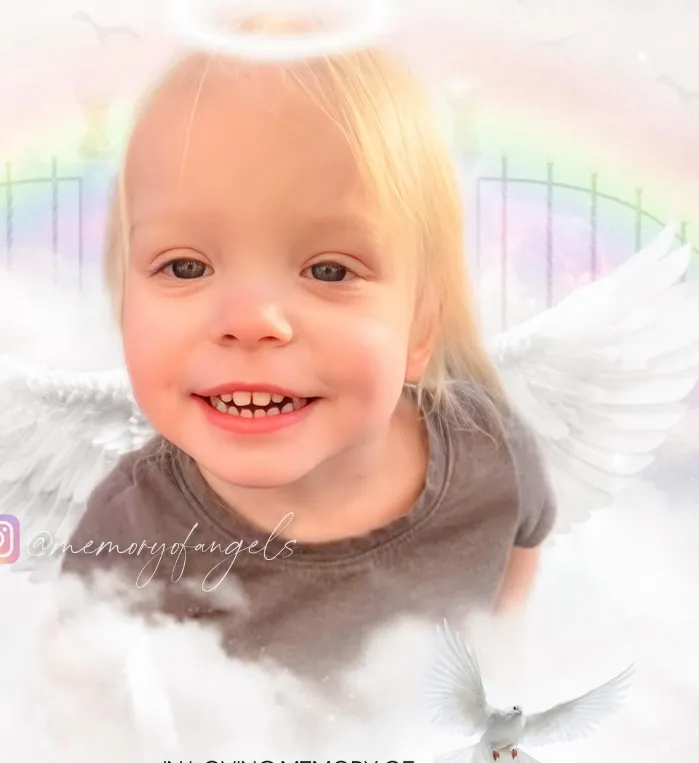
Inside, they found what no officer, no human being, is ever prepared to see — the lifeless body of a 5-year-old girl named
Izabella Loving.
The call had come in as “an unresponsive child.”
But what investigators discovered inside that house would soon unravel into one of the most disturbing and heartbreaking cases of child abuse in recent memory.
Izabella’s small frame showed visible signs of trauma — bruises on her arms, scrapes along her legs, swelling around her face. But those were only the surface wounds. The forensic report later revealed the truth: Izabella had been beaten, confined, and silenced long before her final breath.
The Day Everything Stopped
When emergency responders arrived, Izabella had already been gone for hours.
Paramedics worked desperately to revive her, but it was too late.
She was pronounced dead at the scene — in the very home where she should have been safest.
Detectives began documenting what they saw: blood-stained bedding, a child-sized enclosure, signs of neglect. It wasn’t just a tragedy — it was a crime scene.
And within hours, the focus of their investigation turned toward the one person every child is supposed to trust most — her father,
Nicholas Loving.
A Forensic Nightmare
According to the medical examiner’s report, Izabella’s injuries told a horrifying story.
There were at least ten distinct facial wounds — bruises, scrapes, and a deep laceration across her cheek. One of her eyes was swollen shut.
Her pelvis and hips bore marks of blunt force trauma.
Her arms and torso showed multiple layers of bruising — some fresh, others older, suggesting that the abuse had not been a single incident, but a pattern.
The forensic team documented every injury carefully.
They found signs consistent with being struck repeatedly, as well as injuries to her genital area — a detail that made even seasoned investigators pause.
What emerged from the evidence was not the picture of an accident, but of a prolonged, systematic campaign of cruelty against a defenseless child.
The Box
Perhaps the most haunting revelation came from witness statements and the father’s own admissions.
Investigators learned that Nicholas had confined Izabella to a 5×5-foot makeshift enclosure inside the home — a crude box that served as both a “punishment space” and a prison.
Sometimes, it was locked.
Sometimes, she was left there for hours.
And during the last week of her life, as she grew weaker and sicker, she remained trapped inside that space — unseen, unheard, and untreated.
According to reports, Izabella had been seriously ill for ten days before her death, vomiting blood and mucus.
No doctor was called.
No help was sought.
Instead, as her body began to shut down, she was left inside that box.
The Hours After
When Izabella finally stopped breathing, it wasn’t panic or grief that came first — it was calculation.
According to the affidavit filed by investigators, Nicholas and the child’s mother spent nearly
five hours deciding what to do.
Five hours.
During that time, they allegedly discussed burying her in the backyard or staging the scene to make it look like an accident.
Only when the situation could no longer be ignored did they call 911.
By then, it was far too late.
The Arrest
As news of the case spread through the community, disbelief quickly turned to outrage.
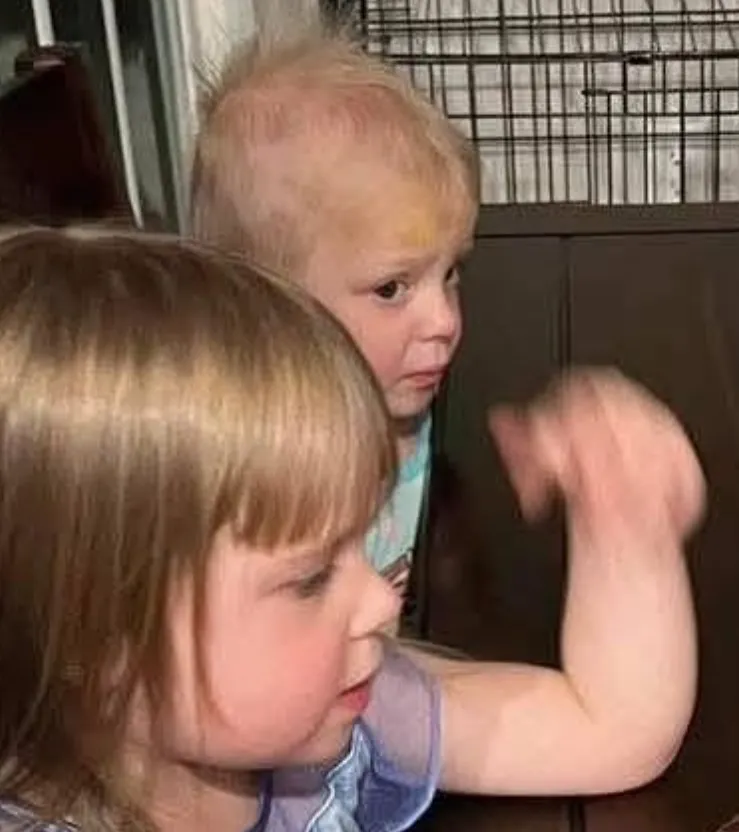
Neighbors described Izabella as a quiet, shy girl who rarely played outside.
Some admitted they had heard crying before — faint, muffled — but never imagined what was happening behind those walls.
Within 48 hours of the initial investigation, deputies arrested Nicholas Loving.
He was charged with child abuse resulting in substantial bodily harm, though prosecutors indicated that additional charges — possibly including homicide — could follow as the case developed.
He was booked into jail with bail set at $10 million in cash, one of the highest bonds in county history.
The mother’s involvement remains under investigation, but early evidence suggests she knew more than she admitted — and did far too little to stop it.
The Community Reacts
In the days following the arrest, Cold Springs — a town known for its quiet streets and mountain views — found itself at the center of national headlines.
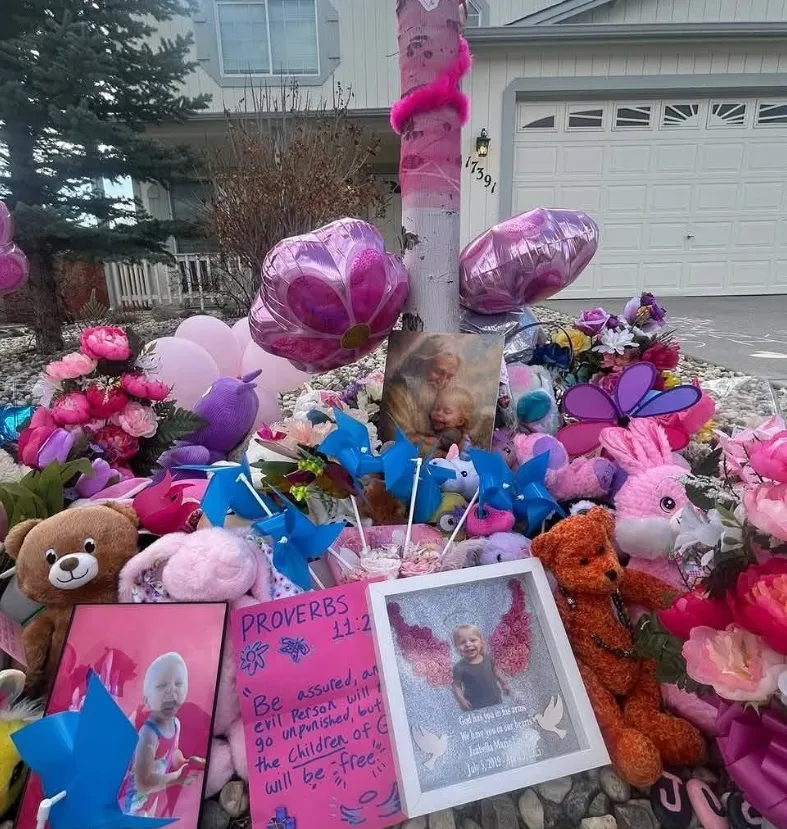
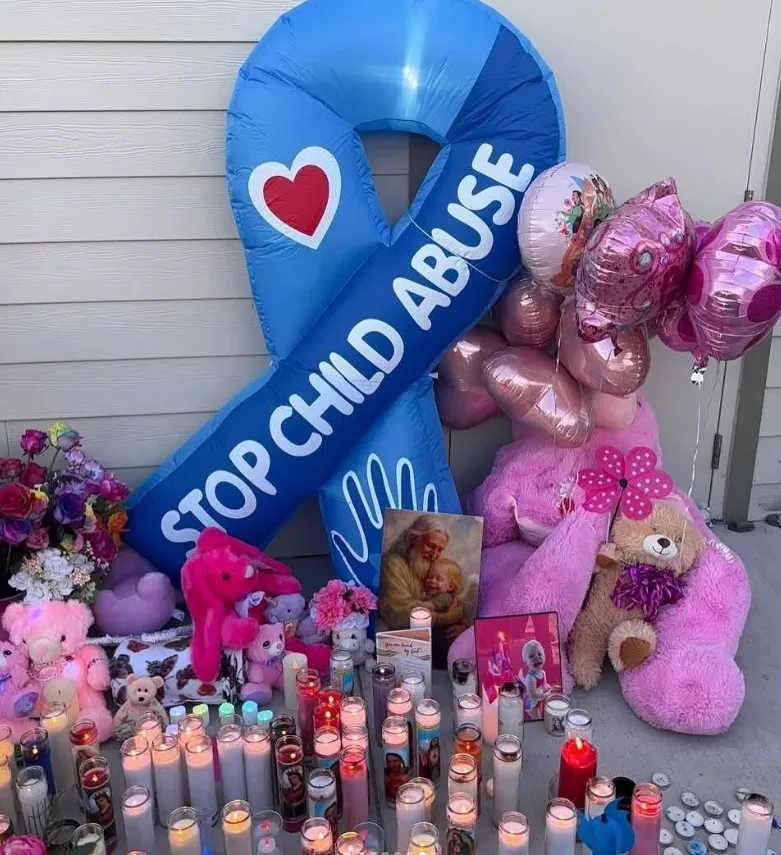
Candlelight vigils began forming outside the sheriff’s office.
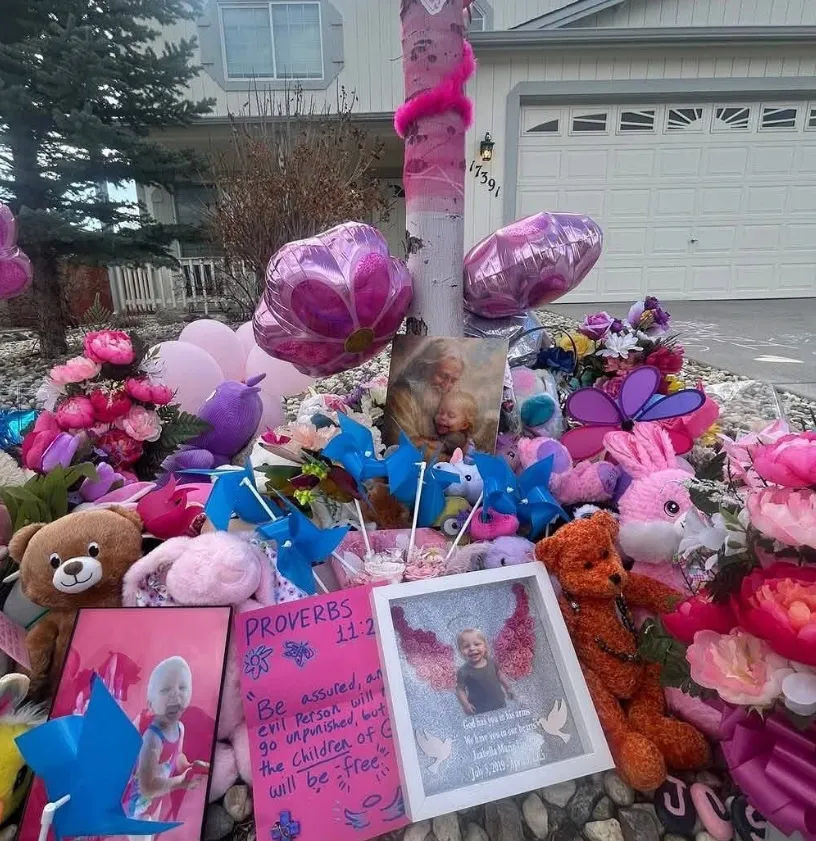
People left stuffed animals, flowers, and hand-drawn notes bearing Izabella’s name.
“She was just five,” one woman whispered through tears. “Five. What kind of world lets this happen?”
Social media flooded with messages demanding justice.
#JusticeForIzabella trended across platforms, with thousands sharing their anger, heartbreak, and disbelief.
Some called for stricter oversight of child welfare agencies.
Others simply wrote: “Rest now, little one.”
The Legal Battle Ahead
In court filings, prosecutors described the case as “one of unimaginable cruelty.”
The affidavit painted a timeline that left little room for doubt — Izabella’s suffering had been prolonged, deliberate, and preventable.
Investigators also revealed that Nicholas Loving had a history of violent behavior, though previous incidents had not resulted in convictions.
Defense attorneys have yet to release a full statement, but early reports suggest they may argue mental health factors or claim that the child’s death was the result of illness, not abuse.
However, medical evidence — particularly the internal injuries and untreated trauma — tells a different story.
As of this writing, the District Attorney’s Office is considering upgrading the charges to second-degree murder or felony homicide, pending the results of ongoing forensic testing.
The Child Who Never Got a Chance
Izabella’s story is not just a headline.
It’s a reminder of how easily a child can slip through the cracks — how pain can hide behind closed doors, masked by silence and fear.
Neighbors now wonder what signs they missed.
Teachers who never met her ask why no one called for help.
And strangers across the country grieve for a little girl they never knew but somehow can’t stop thinking about.
In the end, the question that echoes loudest is the one that began it all:
How could this happen?
How does a five-year-old end up locked in a box, suffering alone, while the world outside carries on unaware?

The System Under Fire
Cases like Izabella’s have reignited conversations about the flaws in America’s child protection systems.
Was there prior contact with social services?
Were there warning signs that went uninvestigated?
Officials have not disclosed whether the Loving family was ever on the radar of child welfare authorities.
But advocates point out that by the time a child dies from abuse, it’s rarely the first time harm has occurred.
Child advocates are now calling for reforms — including more frequent welfare checks, stronger penalties for child neglect, and mandatory training for law enforcement and educators on recognizing signs of hidden abuse.
Because for every Izabella whose story makes headlines, there are countless others still unseen.
Remembering Izabella
In the aftermath of her death, local residents have organized memorials to honor her short life.
At one vigil, hundreds gathered holding candles and pink balloons — her favorite color, according to a family friend.
They sang softly, whispered prayers, and released the balloons into the night sky.
As they drifted upward, one woman said, “Maybe now she’s finally free. No more walls. No more pain.”
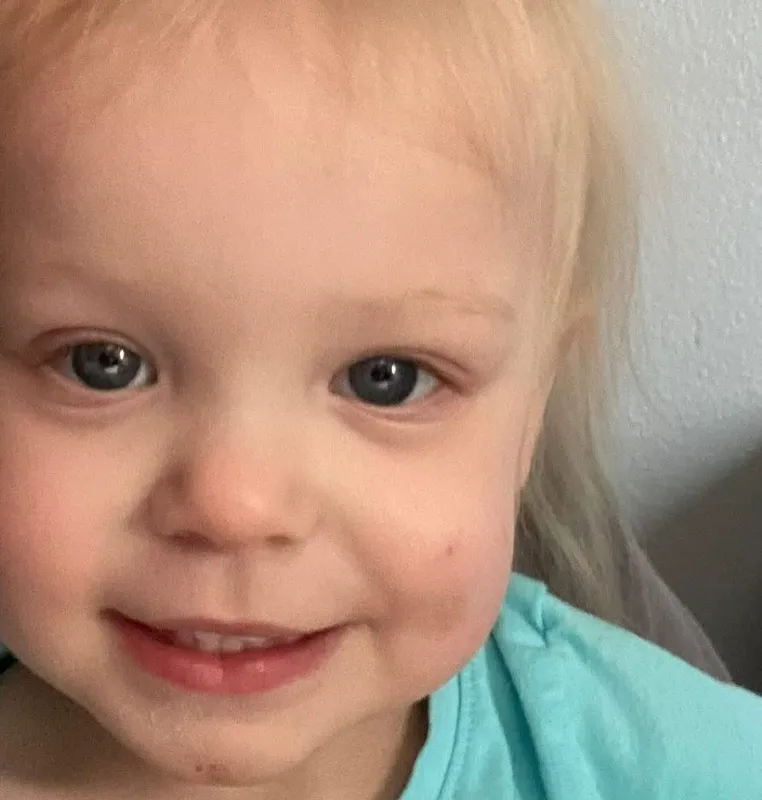
Izabella’s name is now spoken in courtrooms, classrooms, and church pews — a name that once belonged to a smiling five-year-old who loved music, who wanted to be a dancer, who never got the chance to grow up.
Justice and Memory
As the trial approaches, one thing is certain: no sentence will ever undo what was done.
The court may deliver justice, but justice cannot bring back a heartbeat.
What remains is a lesson carved into the hearts of everyone who has heard her story — that vigilance, compassion, and intervention are not optional when it comes to protecting a child.
Izabella’s death is a tragedy.
But her story — painful as it is — might one day save another child from the same fate.
Because behind every case file, every affidavit, every cold legal term like “bodily harm” or “neglect,” there is a human life — fragile, beautiful, and deserving of love.
And for Izabella Loving, that love came too late.
In a world where cruelty often hides behind closed doors, her story stands as both a warning and a call to action.
A reminder that sometimes, the most ordinary homes can hold the darkest secrets — and that silence can be the deadliest accomplice of all.
Transplant Day: Prayers for Little Avery Jo’s Healing.1988

Today marks a day both terrifying and hopeful, because after months of relentless chemotherapy, countless nights in hospital rooms, and enduring her very first transplant, little three-year-old Avery Jo is once again stepping into the battlefield, receiving her second stem cell transplant in her courageous fight against stage 4 neuroblastoma.
It is hard to comprehend how someone so small, with cheeks that should only know the smudges of melted ice cream and hands that should be covered in finger paint, has instead carried the weight of IV lines, endless medications, and the heavy language of oncology, yet somehow she has done so with a spirit that still radiates sweetness, laughter, and a light that refuses to go dim.
For her parents, today is a collision of fear and faith, because even as they watch doctors move with precision and prepare their little girl for this procedure, their hearts beat with prayers louder than words, asking heaven to draw close and surround their child with the kind of peace that passes understanding.

They are asking us to join them, to pause in the rush of our own lives and lift Avery Jo into the light of prayer, because they believe in the power of community interceding together, in the strength that rises when many hearts bend low before God.
? They ask first that the transplant goes smoothly and without complication, that every detail unfolds exactly as planned in Austin, Texas, and that Avery’s little body receives the gift of new life through these cells as if they were always meant to be hers.
? They ask that Avery feels peace and calm through the process, that she is spared from fear, and that even in the sterile walls of the hospital, she is wrapped in a comfort so deep she feels held and safe in every moment.
? They pray that her new stem cells are strong and fierce, that they take root quickly and begin the sacred work of healing, cleansing her body of the cancer that has stolen too much, and restoring to her the chance at a childhood she so deserves.
? They lift up the doctors and nurses who will guide her through this transplant, asking for wisdom, steady hands, and divine guidance, that every decision is precise, every movement exact, and that the medical team carries not only skill but also compassion as they care for their youngest patient.
? They ask for strength, rest, and grace for Avery’s mom and dad, because walking through this fire has left them weary beyond words, yet still they show up every day with courage and faith, holding their daughter’s hand while holding back tears, and they need the sustaining love of God to carry them through.

? And finally, they ask for tender mercies for her big brother Trace, who feels the absence of his sister deeply, missing her laughter at home, missing the simple joys of childhood together, while learning too early what it means to carry worry in a heart that should only know play.
In the middle of these prayers, there is also gratitude — gratitude for the gift of science that makes transplants possible, gratitude for the community that surrounds them with love, and gratitude for the way Avery’s spirit continues to shine even when her little body is weary and frail.
Because even in the hardest moments, when nausea steals her appetite and pain brings tears, Avery has remained full of fight, flashing smiles that melt the hearts of her nurses, giggling in between treatments, and reminding everyone that cancer can touch her body but cannot crush her spirit.
Her parents cling to hope the way a drowning soul clings to a lifeline, hope that today is not just another medical procedure but a turning point, hope that these cells will spark a healing so deep it rewrites her future, hope that tomorrow holds more laughter than tears.
They know the road ahead will not be easy — transplants are marathons of waiting, watching numbers rise and fall, celebrating tiny victories while guarding against setbacks — but they also know they do not walk it alone, because every prayer whispered on Avery’s behalf becomes another stone in the foundation that holds them steady.
Today, as the hours stretch and the procedure unfolds, her family asks us not to look away, not to forget, but to pause and pray, because prayer is the oxygen that fills the lungs of hope, and hope is the light that guides them through the trenches.
And so we lift Avery Jo, this beautiful Texas girl with a warrior’s heart, asking for healing that goes beyond what medicine alone can do, believing that miracles still happen, and holding fast to the promise that love is stronger than cancer.
May her body receive this gift with grace.
May her spirit rest in peace even in the storm.
May her parents find strength when they are weak.
May her brother feel surrounded by love in her absence.
And may every one of us who hears her story be changed — moved to compassion, stirred to prayer, and reminded that even the smallest among us can show the greatest courage.
Today is transplant day.
But more than that, today is a day of faith, a day of fierce hope, and a day when love surrounds a three-year-old girl named Avery Jo, carrying her forward into the healing she deserves.