22-Year-Old Man Killed During Home Invasion in Tipton County; Four Charged With Murder.6009



The night was already heavy with winter silence when the call came in.
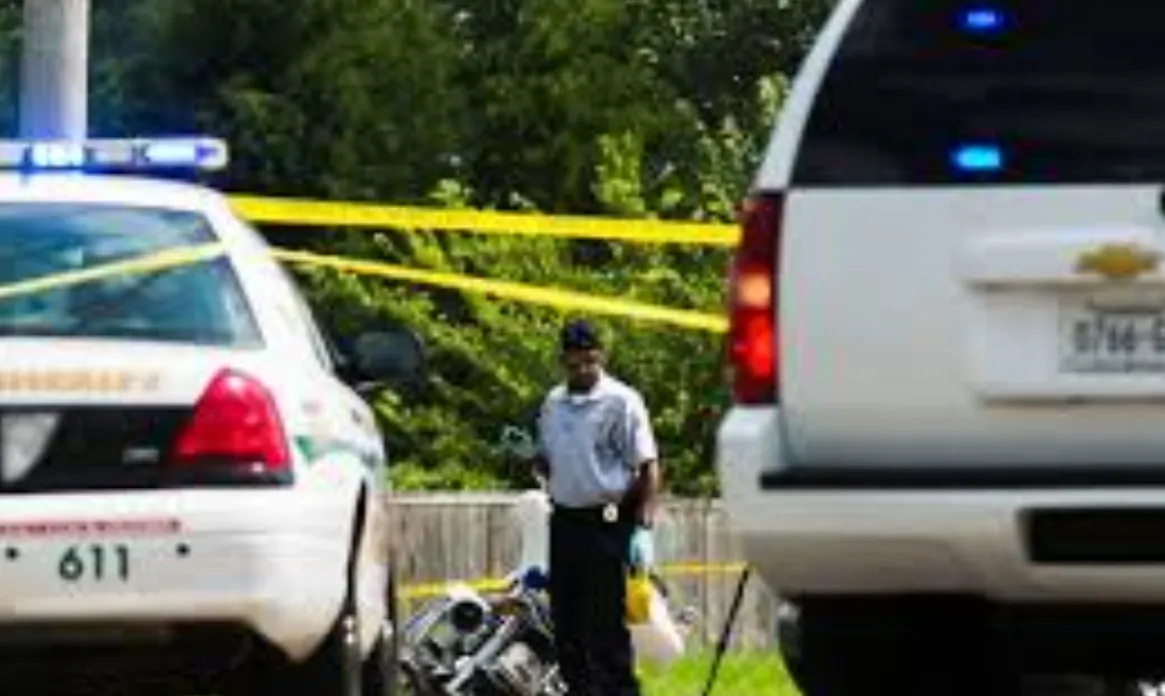
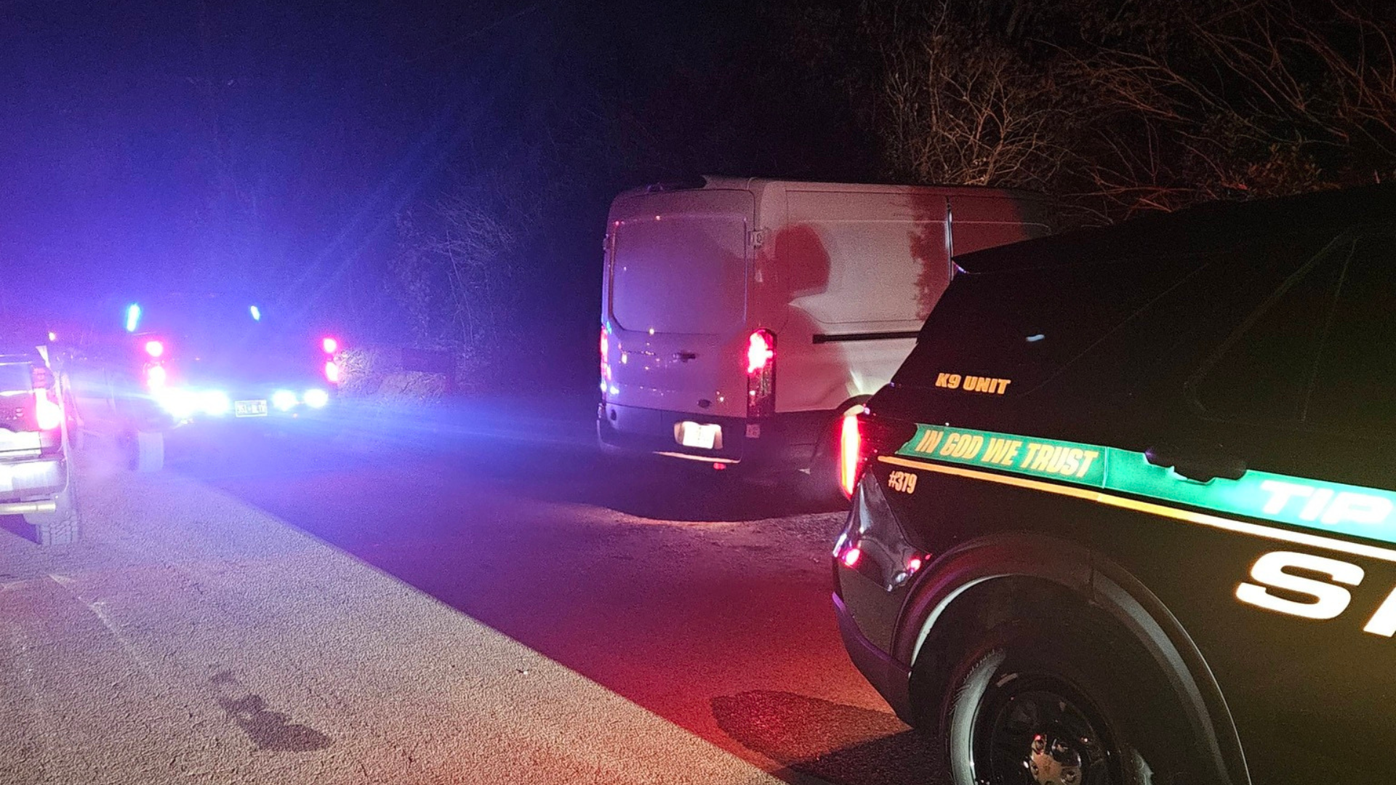
Just before 11:30 p.m. on December 29, 2025, deputies were dispatched to the 2500 block of John Hill Road in
Tipton for what was first described as a possible home invasion.
By the time patrol lights cut through the darkness, it was clear that the situation was far worse.
Deputies entered the home cautiously, weapons drawn, scanning for movement.
Inside, they found a young man lying wounded, suffering from multiple gunshot injuries.
The air smelled of gunpowder and panic, the kind of scene that tells its story before anyone speaks.

Emergency medical aid was rushed in.
The man was transported to a nearby hospital as deputies secured the home and surrounding area.
Despite efforts to save him, he succumbed to his injuries shortly after arrival.
His name was Corey Webb.
He was 22 years old.
An age that still holds more plans than memories, more future than past.
As news spread through the area, neighbors stepped onto porches, drawn by flashing lights and the sudden disruption of a quiet road.
Some whispered to one another.
Others stood in stunned silence, sensing that this night would not be forgotten.

According to Sheriff Shannon Beasley, initial evidence indicated that the suspects fled the scene immediately after the shooting.
Witnesses reported seeing multiple individuals run from the home and jump into a vehicle waiting down the road.
Within moments, the car disappeared into the darkness, leaving behind chaos and questions.
But the violence did not go one way.
Further investigation revealed that the homeowner had managed to defend themselves during the invasion.
Sheriff’s officials said evidence showed the homeowner was able to shoot and wound at least one of the suspects before they escaped.
That detail changed the direction of the investigation.
This was no longer just a homicide—it was a violent encounter where every person involved had made choices that collided in seconds.
The home had become a battlefield, not by accident, but by intent.
As deputies processed the scene, they collected physical evidence that painted a clearer picture of what had occurred.
Shell casings.
Signs of forced entry.
Indications of a robbery attempt gone violently wrong.
Search warrants were quickly issued.
According to Sheriff Beasley, those warrants led investigators to recover a quantity of marijuana, cash, and multiple firearms connected to the suspects.
Each item added another layer to the unfolding case.

By the morning of December 30, arrests were made.
Three individuals were taken into custody: a 16-year-old, a 17-year-old, and a 20-year-old identified as Ashton Wayne Wolsefer.
Their ages alone sent a shock through the community.
Two of the suspects were still teenagers.
Young enough to be in school.
Old enough, according to the law, to face the most serious charges available.
All three were charged with first-degree murder, especially aggravated robbery, and especially aggravated burglary.
Charges that carry the weight of life-altering consequences.
Charges that reflect the severity of what happened on John Hill Road.
Deputies confirmed that one of the juvenile suspects had received medical treatment for a gunshot wound.
That teen was later released from the hospital and taken into custody.
Both juveniles are now being held at a juvenile detention center as the case proceeds.
Wolsefer, the 20-year-old, was ordered held without bond.
He is scheduled to appear in court on January 6, 2026.
For him, the legal process will unfold in adult court, with stakes that could define the rest of his life.
As investigators continued piecing together the events of that night, another arrest followed.
On December 31, authorities announced that 19-year-old Haleah Denise Brooks had also been charged.
Her charges mirrored the others: first-degree murder, especially aggravated robbery, and especially aggravated burglary.
Brooks is being held without bond and is set to appear in court on January 8, 2026.
With her arrest, the list of suspects grew, and the picture of coordination became clearer.
This was not a random act, but an organized intrusion that ended in irreversible loss.
For Corey Webb’s family, the days after the shooting blurred together.
Phone calls.
Hospital confirmations.
The unbearable finality of hearing that someone they loved would not be coming home.
At 22, Corey occupied that fragile space between youth and adulthood.
Old enough to stand on his own.
Young enough that his life still felt like it was just beginning.

Friends remembered him as someone who showed up.
Someone who laughed easily.
Someone whose name now appeared in headlines instead of contact lists.
The home invasion sent a ripple of fear through Tipton County.
Residents double-checked locks.
Parents asked their teenagers where they were going and who they were with.
It was impossible to ignore the ages of the suspects.
Sixteen.
Seventeen.
Nineteen.
Twenty.
These were not hardened criminals with decades behind them.
They were young people whose decisions intersected with guns, drugs, and desperation.
The outcome was fatal.
Sheriff Beasley addressed the case with measured clarity.
He emphasized that the investigation remained active and that accountability would be pursued at every level.
He also acknowledged the role of evidence gathered quickly after the crime.
Home invasions are among the most volatile crimes law enforcement encounters.
They combine fear, unpredictability, and often weapons on both sides.
When they escalate, the margin for survival disappears almost instantly.
In this case, the homeowner survived.
But survival does not mean untouched.
The trauma of defending one’s home, of exchanging gunfire, leaves scars that are not always visible.
The presence of drugs and firearms in the investigation raised additional concerns.
They suggested motives tied to robbery and profit rather than chance.
They also underscored how easily firearms amplify the consequences of criminal intent.

As the suspects await court appearances, the legal system will begin sorting through evidence, testimony, and responsibility.
Prosecutors will argue intent and coordination.
Defense attorneys will examine circumstances and roles.
But no argument will change the fact that Corey Webb is dead.
No legal strategy will give his family back the life they expected him to live.
Justice, whatever form it takes, comes after loss—not before.
For the juveniles involved, the case represents a crossroads that cannot be undone.
Youth does not shield someone from consequence when violence reaches this level.
Their futures will now be shaped inside detention centers and courtrooms instead of classrooms.

Community members expressed a mixture of anger and sorrow.
Anger that such violence could erupt on a quiet road.
Sorrow that so many young lives were now bound together by one terrible night.
Law enforcement officials urged anyone with information to come forward.
They asked the public to contact the Criminal Investigations Division or submit tips by phone.
In cases like this, even small details can matter.
The sheriff also encouraged residents to use social media responsibly, reminding the public that speculation can complicate investigations.
Facts, not rumors, would guide accountability.
The goal was clarity, not chaos.
As December turned to January, the case remained fresh in the minds of those who lived nearby.
Every car slowing on John Hill Road drew a glance.
Every unfamiliar sound felt heavier than before.
Violence has a way of changing how people see familiar places.
A home that once blended into the landscape becomes a landmark of loss.
A road name becomes associated with a date no one wants to remember.
For Corey Webb, remembrance now lives in stories told by those who knew him.
In photographs shared quietly.
In the ache of absence that follows sudden death.

For the suspects, the coming months will bring hearings, motions, and decisions that determine the rest of their lives.
They will stand before judges, hearing charges read aloud.
They will face the consequences of a plan that ended in bloodshed.
This case is a reminder of how quickly violence escalates when crime intersects with firearms.
Of how young people can make decisions that carry permanent consequences.
And of how a single night can fracture multiple families at once.
Anyone with information related to the case is urged to contact investigators directly.
The Tipton County Sheriff’s Office has emphasized that community cooperation remains vital.
Justice, they say, depends not just on arrests, but on truth.
A home invasion turned deadly.
A young man lost his life.
And several young lives now stand on the edge of irrevocable consequence.
“Two Calves, One Miracle: The Birth Nature Never Promised”.5209
The savannah at dawn is a quiet kind of magic — a world washed in molten gold, where shadows stretch long and the air hums with a calm that feels as ancient as the earth itself. Most mornings, life awakens slowly. Birds call. Antelope stir. The light crawls over endless grass.
But on this morning, everything changed in an instant.
Because this was the morning two new lives arrived — two lives so rare, so unexpected, that even the wind seemed to pause to listen.
This was the morning the elephants gathered.
This was the morning the savannah held its breath.
And this is the story of a miracle that few will ever witness — the birth of twin elephants, an event so uncommon in the wild that many rangers go their entire careers without seeing it happen even once.
But fate had chosen this herd, on this quiet stretch of earth, on this unforgettable morning.
A Birth That Shouldn’t Have Been Possible
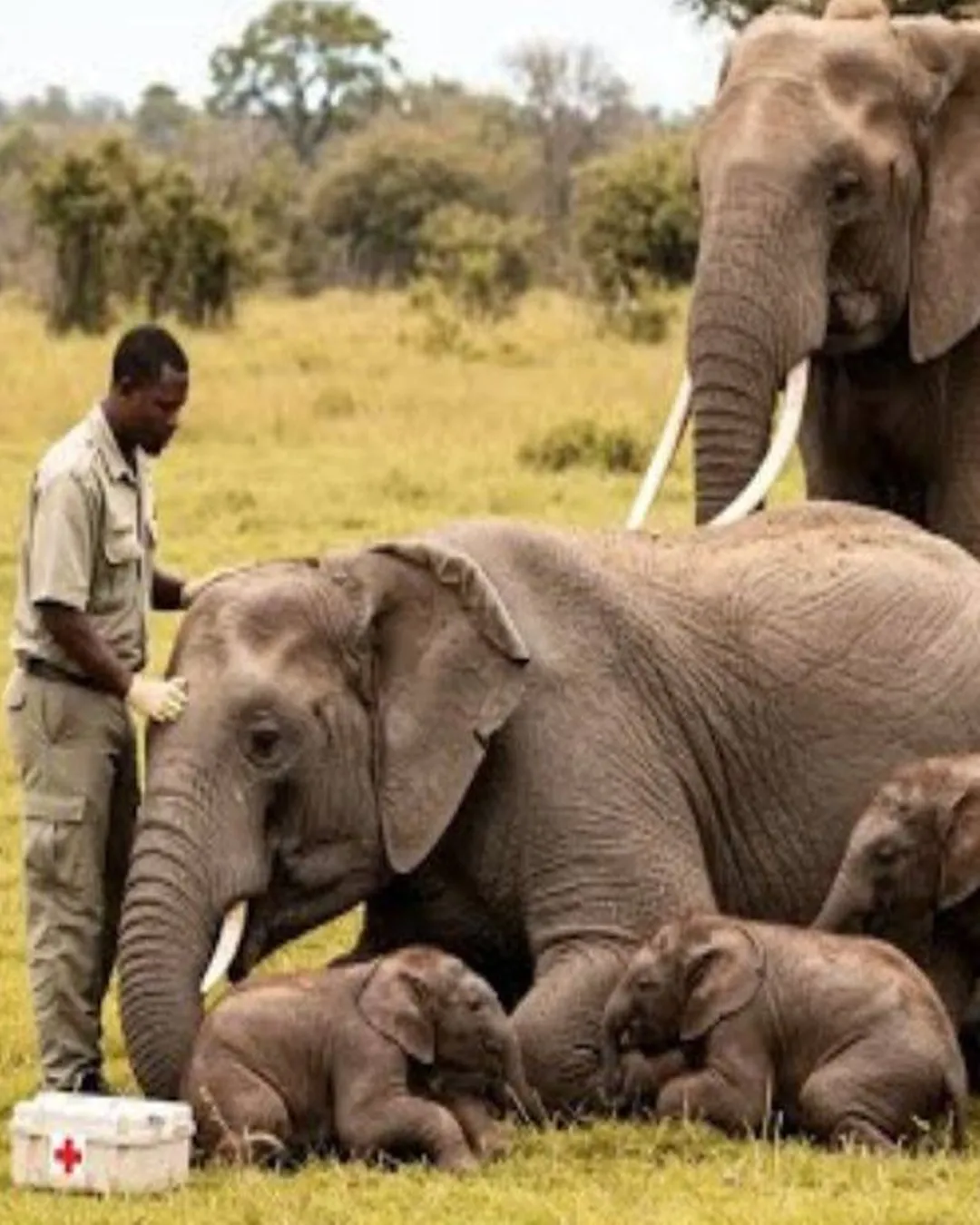
The first cries broke the silence like a crack running through glass. A mother elephant — huge, powerful, breathing hard from labor — had just brought new life into the world. Rangers watching from a distance could see the glistening form of a newborn calf struggling to rise on legs still unsure how to obey.
And then — it happened.
Another cry.
Another small, trembling shape.
A second calf.
Twin elephants.
In the wild, twins are so rare that survival is often uncertain. Elephant mothers already carry their babies for nearly two years — twenty-two long months — and raising one newborn is an exhausting feat. Two? It borders on impossible.
Which is why the rangers froze.
Which is why the herd surged.
Which is why the savannah, for a heartbeat, fell silent.
The Herd That Knew Before Anyone Else Did
Elephants are emotional creatures. They feel deeply, mourn loudly, celebrate fiercely. And on this morning, the herd seemed to know — instinctively, immediately — that something extraordinary had just happened.
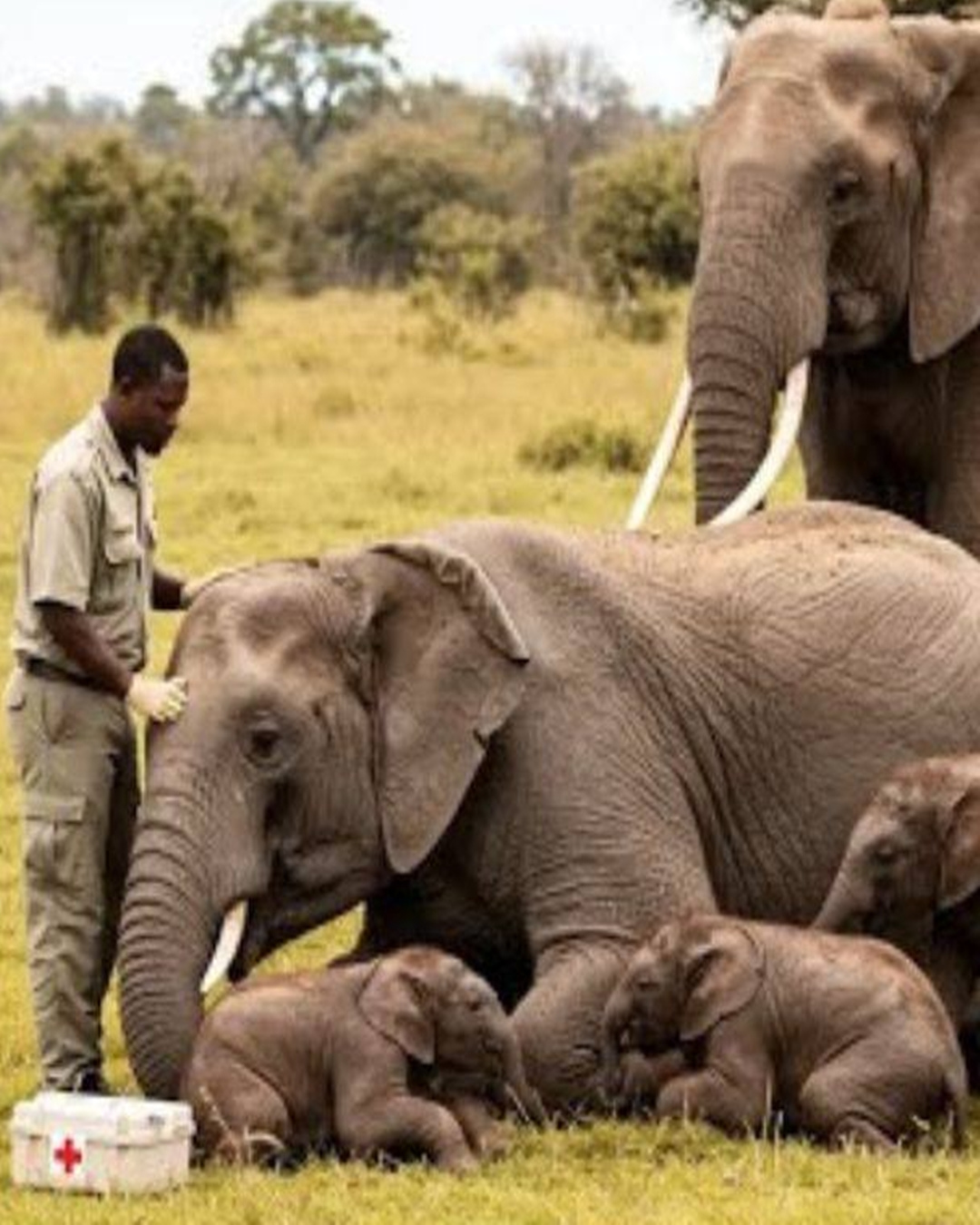
From every direction, massive shapes emerged through the tall grass: grandmothers, sisters, cousins, and young elephants just learning their place in the world. They came quickly but without panic, their steps heavy and sure. Their presence alone was a force — a circle of giants closing in to protect the most fragile members of their family.
A ranger later said:
“It was like watching a ceremony. They moved as if guided by one heartbeat.”
The matriarch — ancient, revered, wise — stepped forward first. She touched her trunk to the newborns, then to their mother, a gesture older than language. Approval. Blessing. Unity.
The rest of the herd followed, forming a living wall around the mother and her two tiny, shaking miracles. From above, the formation looked almost like petals unfurling around the center of a flower.
Inside that circle, the mother leaned her weary body against the matriarch — because even giants need support — while her twins pressed themselves against her belly, searching for warmth, comfort, and reassurance.
The First Steps of Two New Souls
Minutes passed. The sky brightened. The heat rose.
And then, despite exhaustion carving deep lines into her muscles, the mother elephant did something astonishing.
She nudged her babies forward.
One gentle push at a time.
She encouraged them to rise.
To stand.
To begin.
Their legs shook dangerously, bending in impossible angles. Newborn elephants often struggle to stand for the first hour. But twins? Their weakness was obvious. Their confusion even more so. They cried softly, uncertain and overwhelmed.
But the mother didn’t stop.
She lifted one calf with her trunk, then the other. She supported their backs. She steadied their shoulders. And slowly — painfully, courageously — both calves managed to plant their feet beneath them.
Their first steps were clumsy, swaying, awkward.
And yet — the herd erupted.
A chorus of trumpets rolled across the plains, echoing like thunder. Dust rose as the elephants stamped their joy into the ground.
It wasn’t just a greeting.
It was a celebration.
A welcome.
A promise.
Why This Birth Meant More Than Anyone Realized
To understand the weight of this moment, you must understand elephants.
They mourn their dead.
They bury their stillborn.
They return to the bones of loved ones years after loss.
They stand beside their dying, refusing to leave them even when danger approaches.
And when new life enters the world, they respond with overwhelming tenderness.
But twin life?
That is something sacred.
Something ancient.
Something legendary.
A ranger who witnessed the event described it with a trembling voice:
“I’ve seen elephants cry tears. I’ve seen them hold vigil over the dying.
But I have never seen joy like that. Never.”
Because these two calves represented not just life — but hope.
A future for the herd.
A story to pass on.
A reminder that nature still creates miracles, even when the world is dark and difficult.
The Days That Followed: A Herd Becomes a Village
For elephants, motherhood is not a solitary task. It is shared. It is communal. It is the work of an entire village.
And so, as the sun rose and set over the following days, the twin calves grew under the watchful eyes of many.
Allomothers — the “aunties” of elephant society — took shifts nursing, guarding, guiding. Young elephants trotted behind the twins, curious and clumsy escorts. Older elephants stood guard at night, forming a protective half-circle whenever the calves slept.
The mother, though tired and stretched thin, was never alone.
Her twins were never unprotected.
Her family — the herd — carried her as she carried them.
Because that is the way of elephants.
Because that is the way of survival.
Because that is the way of love.
The Photos That Stopped the World
It didn’t take long before a ranger lifted a camera — and captured the moment that would travel across continents.
The protective circle.
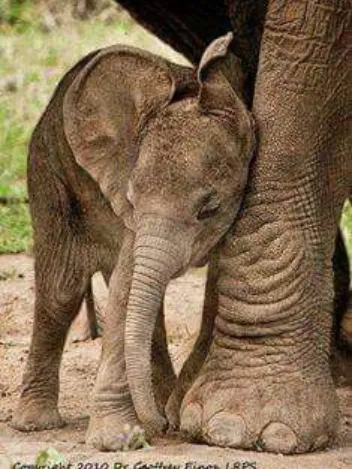
The twins leaning into their mother’s side.
The matriarch lowering her huge head to meet their tiny trunks.
The dust rising behind them like golden mist.
The photograph was shared online and exploded within hours. People from every corner of the world paused. Watched. Cried. Marveled.
For a moment — a rare, necessary moment — the world remembered wonder.
The image wasn’t just beautiful.
It was healing.
Because it reminded us of something we forget too easily:
That nature still creates miracles.
That family still matters.
That love still exists in forms beyond our understanding.
Why the World Needed This Story
In a time of loss, uncertainty, and exhaustion, the birth of elephant twins felt like a message from the natural world — a quiet whisper carried on the wind:
Life continues.
Beauty returns.
Hope survives.
And sometimes, the most powerful stories are the ones written by animals who do not speak — yet say everything we need to hear.
A Miracle Written in Dust and Light
As the days turned to weeks, the twins grew stronger. Their steps steadier. Their curiosity bolder. They learned to play, to chase birds, to trumpet tiny squeaks that made the entire herd gather around them like guardians.
And every time the mother nudged them forward, she taught them something deeper:
That the world is vast.
That the world is dangerous.
But that they are not alone.
Never alone.
A Final Thought
Some stories fade. Some stories are forgotten.
But this one — the morning an entire herd rose in unity to welcome two new lives — will live on.
Not because it was rare.
Not because it was photographed.
But because it reminded us what we often forget:
That miracles happen quietly.
That love is instinctive.
That family is chosen as much as born.
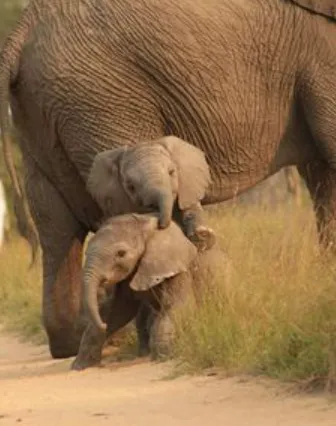
And that somewhere across the plains of Africa, two elephant calves walk side by side — living proof that even in the wild, wonder still thrives.



The night was already heavy with winter silence when the call came in.
Just before 11:30 p.m. on December 29, 2025, deputies were dispatched to the 2500 block of John Hill Road in
Tipton for what was first described as a possible home invasion.
By the time patrol lights cut through the darkness, it was clear that the situation was far worse.
Deputies entered the home cautiously, weapons drawn, scanning for movement.
Inside, they found a young man lying wounded, suffering from multiple gunshot injuries.
The air smelled of gunpowder and panic, the kind of scene that tells its story before anyone speaks.
Emergency medical aid was rushed in.
The man was transported to a nearby hospital as deputies secured the home and surrounding area.
Despite efforts to save him, he succumbed to his injuries shortly after arrival.
His name was Corey Webb.
He was 22 years old.
An age that still holds more plans than memories, more future than past.
As news spread through the area, neighbors stepped onto porches, drawn by flashing lights and the sudden disruption of a quiet road.
Some whispered to one another.
Others stood in stunned silence, sensing that this night would not be forgotten.
According to Sheriff Shannon Beasley, initial evidence indicated that the suspects fled the scene immediately after the shooting.
Witnesses reported seeing multiple individuals run from the home and jump into a vehicle waiting down the road.
Within moments, the car disappeared into the darkness, leaving behind chaos and questions.
But the violence did not go one way.
Further investigation revealed that the homeowner had managed to defend themselves during the invasion.
Sheriff’s officials said evidence showed the homeowner was able to shoot and wound at least one of the suspects before they escaped.
That detail changed the direction of the investigation.
This was no longer just a homicide—it was a violent encounter where every person involved had made choices that collided in seconds.
The home had become a battlefield, not by accident, but by intent.
As deputies processed the scene, they collected physical evidence that painted a clearer picture of what had occurred.
Shell casings.
Signs of forced entry.
Indications of a robbery attempt gone violently wrong.
Search warrants were quickly issued.
According to Sheriff Beasley, those warrants led investigators to recover a quantity of marijuana, cash, and multiple firearms connected to the suspects.
Each item added another layer to the unfolding case.
By the morning of December 30, arrests were made.
Three individuals were taken into custody: a 16-year-old, a 17-year-old, and a 20-year-old identified as Ashton Wayne Wolsefer.
Their ages alone sent a shock through the community.
Two of the suspects were still teenagers.
Young enough to be in school.
Old enough, according to the law, to face the most serious charges available.
All three were charged with first-degree murder, especially aggravated robbery, and especially aggravated burglary.
Charges that carry the weight of life-altering consequences.
Charges that reflect the severity of what happened on John Hill Road.
Deputies confirmed that one of the juvenile suspects had received medical treatment for a gunshot wound.
That teen was later released from the hospital and taken into custody.
Both juveniles are now being held at a juvenile detention center as the case proceeds.
Wolsefer, the 20-year-old, was ordered held without bond.
He is scheduled to appear in court on January 6, 2026.
For him, the legal process will unfold in adult court, with stakes that could define the rest of his life.
As investigators continued piecing together the events of that night, another arrest followed.
On December 31, authorities announced that 19-year-old Haleah Denise Brooks had also been charged.
Her charges mirrored the others: first-degree murder, especially aggravated robbery, and especially aggravated burglary.
Brooks is being held without bond and is set to appear in court on January 8, 2026.
With her arrest, the list of suspects grew, and the picture of coordination became clearer.
This was not a random act, but an organized intrusion that ended in irreversible loss.
For Corey Webb’s family, the days after the shooting blurred together.
Phone calls.
Hospital confirmations.
The unbearable finality of hearing that someone they loved would not be coming home.
At 22, Corey occupied that fragile space between youth and adulthood.
Old enough to stand on his own.
Young enough that his life still felt like it was just beginning.
Friends remembered him as someone who showed up.
Someone who laughed easily.
Someone whose name now appeared in headlines instead of contact lists.
The home invasion sent a ripple of fear through Tipton County.
Residents double-checked locks.
Parents asked their teenagers where they were going and who they were with.
It was impossible to ignore the ages of the suspects.
Sixteen.
Seventeen.
Nineteen.
Twenty.
These were not hardened criminals with decades behind them.
They were young people whose decisions intersected with guns, drugs, and desperation.
The outcome was fatal.
Sheriff Beasley addressed the case with measured clarity.
He emphasized that the investigation remained active and that accountability would be pursued at every level.
He also acknowledged the role of evidence gathered quickly after the crime.
Home invasions are among the most volatile crimes law enforcement encounters.
They combine fear, unpredictability, and often weapons on both sides.
When they escalate, the margin for survival disappears almost instantly.
In this case, the homeowner survived.
But survival does not mean untouched.
The trauma of defending one’s home, of exchanging gunfire, leaves scars that are not always visible.
The presence of drugs and firearms in the investigation raised additional concerns.
They suggested motives tied to robbery and profit rather than chance.
They also underscored how easily firearms amplify the consequences of criminal intent.
As the suspects await court appearances, the legal system will begin sorting through evidence, testimony, and responsibility.
Prosecutors will argue intent and coordination.
Defense attorneys will examine circumstances and roles.
But no argument will change the fact that Corey Webb is dead.
No legal strategy will give his family back the life they expected him to live.
Justice, whatever form it takes, comes after loss—not before.
For the juveniles involved, the case represents a crossroads that cannot be undone.
Youth does not shield someone from consequence when violence reaches this level.
Their futures will now be shaped inside detention centers and courtrooms instead of classrooms.
Community members expressed a mixture of anger and sorrow.
Anger that such violence could erupt on a quiet road.
Sorrow that so many young lives were now bound together by one terrible night.
Law enforcement officials urged anyone with information to come forward.
They asked the public to contact the Criminal Investigations Division or submit tips by phone.
In cases like this, even small details can matter.
The sheriff also encouraged residents to use social media responsibly, reminding the public that speculation can complicate investigations.
Facts, not rumors, would guide accountability.
The goal was clarity, not chaos.
As December turned to January, the case remained fresh in the minds of those who lived nearby.
Every car slowing on John Hill Road drew a glance.
Every unfamiliar sound felt heavier than before.
Violence has a way of changing how people see familiar places.
A home that once blended into the landscape becomes a landmark of loss.
A road name becomes associated with a date no one wants to remember.
For Corey Webb, remembrance now lives in stories told by those who knew him.
In photographs shared quietly.
In the ache of absence that follows sudden death.
For the suspects, the coming months will bring hearings, motions, and decisions that determine the rest of their lives.
They will stand before judges, hearing charges read aloud.
They will face the consequences of a plan that ended in bloodshed.
This case is a reminder of how quickly violence escalates when crime intersects with firearms.
Of how young people can make decisions that carry permanent consequences.
And of how a single night can fracture multiple families at once.
Anyone with information related to the case is urged to contact investigators directly.
The Tipton County Sheriff’s Office has emphasized that community cooperation remains vital.
Justice, they say, depends not just on arrests, but on truth.
A home invasion turned deadly.
A young man lost his life.
And several young lives now stand on the edge of irrevocable consequence.
“Two Calves, One Miracle: The Birth Nature Never Promised”.5209
The savannah at dawn is a quiet kind of magic — a world washed in molten gold, where shadows stretch long and the air hums with a calm that feels as ancient as the earth itself. Most mornings, life awakens slowly. Birds call. Antelope stir. The light crawls over endless grass.
But on this morning, everything changed in an instant.
Because this was the morning two new lives arrived — two lives so rare, so unexpected, that even the wind seemed to pause to listen.
This was the morning the elephants gathered.
This was the morning the savannah held its breath.
And this is the story of a miracle that few will ever witness — the birth of twin elephants, an event so uncommon in the wild that many rangers go their entire careers without seeing it happen even once.
But fate had chosen this herd, on this quiet stretch of earth, on this unforgettable morning.
A Birth That Shouldn’t Have Been Possible
The first cries broke the silence like a crack running through glass. A mother elephant — huge, powerful, breathing hard from labor — had just brought new life into the world. Rangers watching from a distance could see the glistening form of a newborn calf struggling to rise on legs still unsure how to obey.
And then — it happened.
Another cry.
Another small, trembling shape.
A second calf.
Twin elephants.
In the wild, twins are so rare that survival is often uncertain. Elephant mothers already carry their babies for nearly two years — twenty-two long months — and raising one newborn is an exhausting feat. Two? It borders on impossible.
Which is why the rangers froze.
Which is why the herd surged.
Which is why the savannah, for a heartbeat, fell silent.
The Herd That Knew Before Anyone Else Did
Elephants are emotional creatures. They feel deeply, mourn loudly, celebrate fiercely. And on this morning, the herd seemed to know — instinctively, immediately — that something extraordinary had just happened.
From every direction, massive shapes emerged through the tall grass: grandmothers, sisters, cousins, and young elephants just learning their place in the world. They came quickly but without panic, their steps heavy and sure. Their presence alone was a force — a circle of giants closing in to protect the most fragile members of their family.
A ranger later said:
“It was like watching a ceremony. They moved as if guided by one heartbeat.”
The matriarch — ancient, revered, wise — stepped forward first. She touched her trunk to the newborns, then to their mother, a gesture older than language. Approval. Blessing. Unity.
The rest of the herd followed, forming a living wall around the mother and her two tiny, shaking miracles. From above, the formation looked almost like petals unfurling around the center of a flower.
Inside that circle, the mother leaned her weary body against the matriarch — because even giants need support — while her twins pressed themselves against her belly, searching for warmth, comfort, and reassurance.
The First Steps of Two New Souls
Minutes passed. The sky brightened. The heat rose.
And then, despite exhaustion carving deep lines into her muscles, the mother elephant did something astonishing.
She nudged her babies forward.
One gentle push at a time.
She encouraged them to rise.
To stand.
To begin.
Their legs shook dangerously, bending in impossible angles. Newborn elephants often struggle to stand for the first hour. But twins? Their weakness was obvious. Their confusion even more so. They cried softly, uncertain and overwhelmed.
But the mother didn’t stop.
She lifted one calf with her trunk, then the other. She supported their backs. She steadied their shoulders. And slowly — painfully, courageously — both calves managed to plant their feet beneath them.
Their first steps were clumsy, swaying, awkward.
And yet — the herd erupted.
A chorus of trumpets rolled across the plains, echoing like thunder. Dust rose as the elephants stamped their joy into the ground.
It wasn’t just a greeting.
It was a celebration.
A welcome.
A promise.
Why This Birth Meant More Than Anyone Realized
To understand the weight of this moment, you must understand elephants.
They mourn their dead.
They bury their stillborn.
They return to the bones of loved ones years after loss.
They stand beside their dying, refusing to leave them even when danger approaches.
And when new life enters the world, they respond with overwhelming tenderness.
But twin life?
That is something sacred.
Something ancient.
Something legendary.
A ranger who witnessed the event described it with a trembling voice:
“I’ve seen elephants cry tears. I’ve seen them hold vigil over the dying.
But I have never seen joy like that. Never.”
Because these two calves represented not just life — but hope.
A future for the herd.
A story to pass on.
A reminder that nature still creates miracles, even when the world is dark and difficult.
The Days That Followed: A Herd Becomes a Village
For elephants, motherhood is not a solitary task. It is shared. It is communal. It is the work of an entire village.
And so, as the sun rose and set over the following days, the twin calves grew under the watchful eyes of many.
Allomothers — the “aunties” of elephant society — took shifts nursing, guarding, guiding. Young elephants trotted behind the twins, curious and clumsy escorts. Older elephants stood guard at night, forming a protective half-circle whenever the calves slept.
The mother, though tired and stretched thin, was never alone.
Her twins were never unprotected.
Her family — the herd — carried her as she carried them.
Because that is the way of elephants.
Because that is the way of survival.
Because that is the way of love.
The Photos That Stopped the World
It didn’t take long before a ranger lifted a camera — and captured the moment that would travel across continents.
The protective circle.
The twins leaning into their mother’s side.
The matriarch lowering her huge head to meet their tiny trunks.
The dust rising behind them like golden mist.
The photograph was shared online and exploded within hours. People from every corner of the world paused. Watched. Cried. Marveled.
For a moment — a rare, necessary moment — the world remembered wonder.
The image wasn’t just beautiful.
It was healing.
Because it reminded us of something we forget too easily:
That nature still creates miracles.
That family still matters.
That love still exists in forms beyond our understanding.
Why the World Needed This Story
In a time of loss, uncertainty, and exhaustion, the birth of elephant twins felt like a message from the natural world — a quiet whisper carried on the wind:
Life continues.
Beauty returns.
Hope survives.
And sometimes, the most powerful stories are the ones written by animals who do not speak — yet say everything we need to hear.
A Miracle Written in Dust and Light
As the days turned to weeks, the twins grew stronger. Their steps steadier. Their curiosity bolder. They learned to play, to chase birds, to trumpet tiny squeaks that made the entire herd gather around them like guardians.
And every time the mother nudged them forward, she taught them something deeper:
That the world is vast.
That the world is dangerous.
But that they are not alone.
Never alone.
A Final Thought
Some stories fade. Some stories are forgotten.
But this one — the morning an entire herd rose in unity to welcome two new lives — will live on.
Not because it was rare.
Not because it was photographed.
But because it reminded us what we often forget:
That miracles happen quietly.
That love is instinctive.
That family is chosen as much as born.
And that somewhere across the plains of Africa, two elephant calves walk side by side — living proof that even in the wild, wonder still thrives.