A Few Seconds at 100 MPH: The Night a Mother and Daughter Were Lost.6213

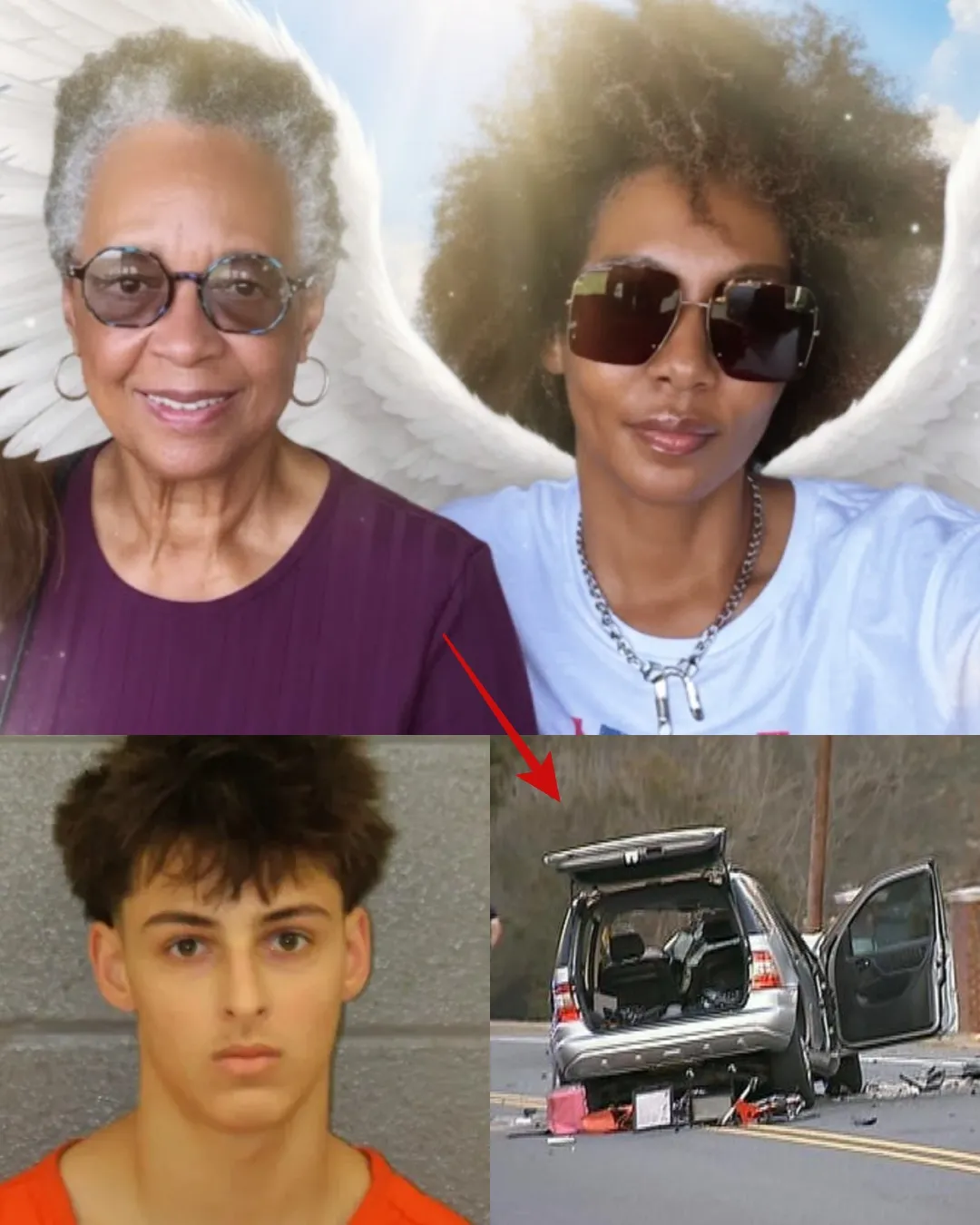
The night started the way so many teenage nights begin.
Sweat still clung to jerseys, laughter still bounced between friends, and the future still felt automatic.
Three boys got into a car with someone they trusted, and they believed they were heading toward celebration.
It was 7:20 p.m. on October 8, 2025, in Fayetteville, North Carolina.
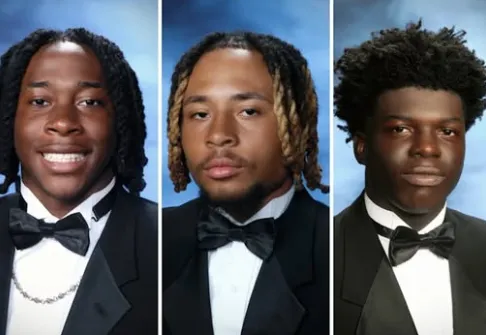
Nicholas Williams, Trevor Merritt, and Jai’Hyon Elliott climbed into a gray Honda Civic.
They had just finished football practice, and the night still felt young.
The plan was simple.
A birthday party, a quick ride, a few jokes on the way.
Nothing about it sounded like danger.
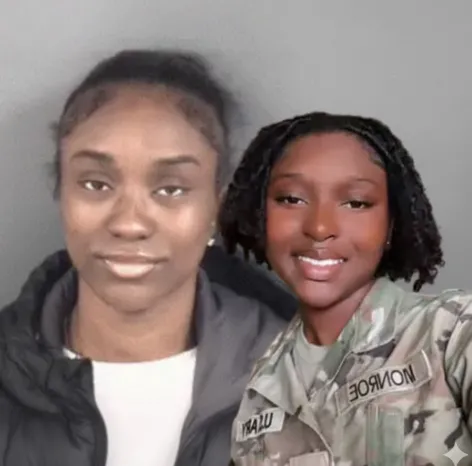
The driver was Dymond Monroe, twenty-one, their friend’s older sister.
She wasn’t a stranger, not someone they’d hesitate to ride with.
They knew her, and familiarity can feel like safety.
They didn’t know they were about to become passengers in a decision they didn’t get to make.
They didn’t know that behind them, another car was lining up like a shadow.
They didn’t know that the next ten minutes would erase decades of “what could have been.”
Destini Genwright, nineteen, was in a black Dodge Charger.
She was following behind them as they pulled away into the October evening.
Two sisters in two cars, both moving through the same streets toward the same night.
At first, it looked like nothing.
Two vehicles in a line, the kind of scene you see at traffic lights every day.
But according to prosecutors, it did not stay ordinary for long.
The sisters began to race.
Not a harmless “keeping up,” but a sharp, escalating push for speed.
The road became a proving ground instead of a public space.
The speedometer climbed, and the air inside the Civic changed.
Sixty felt quick, seventy felt thrilling, eighty began to feel reckless.
And still the cars kept pushing forward like the consequences couldn’t catch up.
In the back seat, Nicholas and Trevor did not fully understand what was happening.
They were teenagers who had just finished practice, bodies tired and minds on the night ahead.
The kind of tired that makes you trust the driver to handle everything else.
In the front, Jai’Hyon watched the road stretch and blur.
He was old enough to feel the shift from fun to fear.
He could see the streetlights becoming streaks.
Ninety-two miles per hour, prosecutors say.
That number does not sound real until you imagine it on a city road.
It is a speed that turns small mistakes into fatal ones.
Then the Civic ran off the road.
There was no graceful correction, no second chance, no time to bargain.
There was only motion and momentum and the sudden betrayal of control.
The car hit a utility pole.
It kept going, as if even impact couldn’t stop it fast enough.
Then it slammed into a tree with the kind of force that ends stories mid-sentence.
Metal shrieked and folded.
Glass shattered into bright, cruel pieces.
The world inside the car collapsed into noise, panic, and pain.
Neighbors would later describe hearing the crash like a thunderclap.
A sound that makes your body move before you think.
A sound that tells you something terrible has happened nearby.
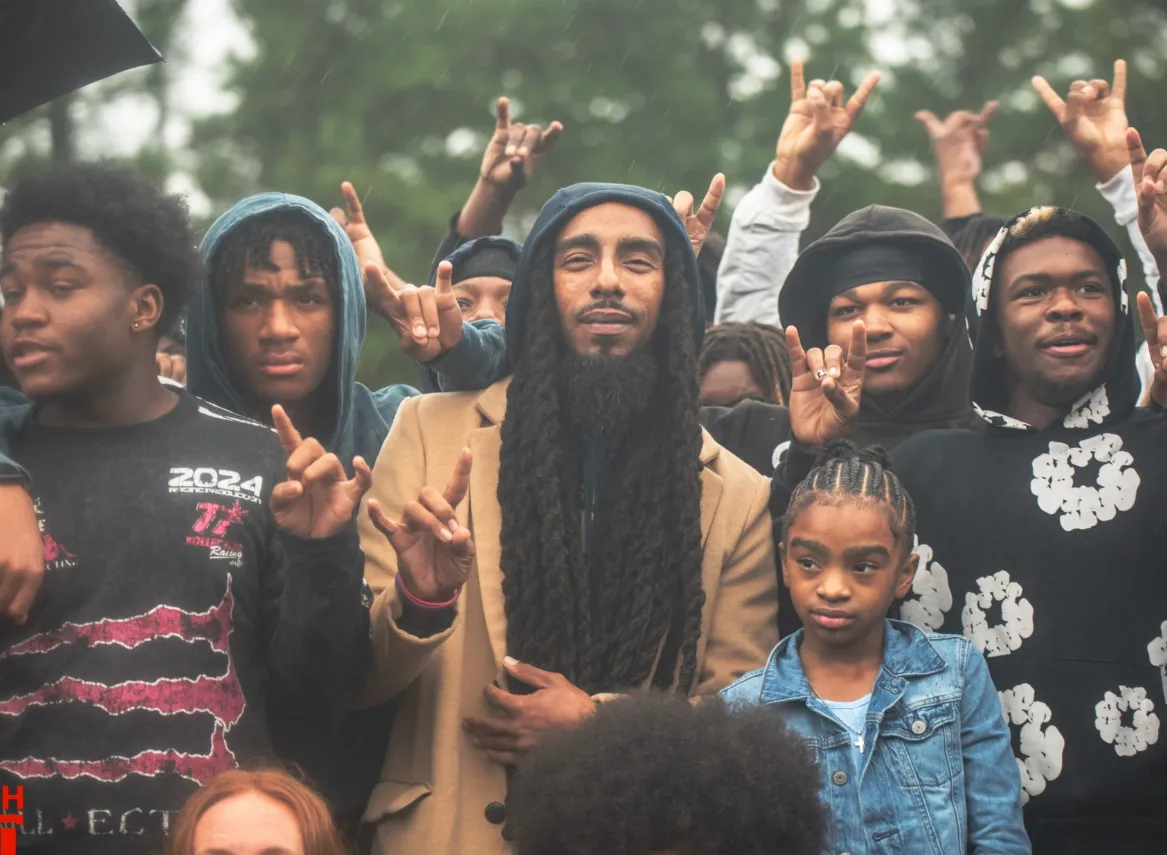
When first responders arrived, the scene had already made its decision.
Nicholas Williams was gone.
Trevor Merritt was gone.
Jai’Hyon Elliott was gone too.
Three boys, taken within minutes of leaving practice.
Three lives that did not get to reach the party, the next morning, the next season.
Dymond survived.
She was badly injured and airlifted to the hospital.
The driver lived, while the passengers did not.
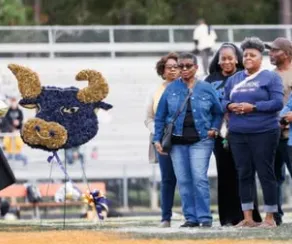
Behind them, Destini was driving at seventy-six miles per hour, prosecutors say.
She did not stop at the crash scene.
She kept going, leaving a wreck behind her like a door she chose not to open.
That detail would become one of the sharpest thorns in the story.
Not just the speed, not just the racing, but the leaving.
Because leaving is not only physical, it is moral.
Trevor’s mother, Bobbie, was planning his eighteenth birthday party.
In her mind, she was counting balloons and food trays and guest lists.
She was not preparing herself to hear a knock at the door that would end her son’s future.
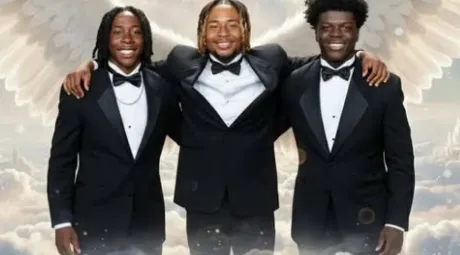
Police came with faces that looked too careful.
The kind of careful that tells you something is wrong before words arrive.
And the moment she understood, the world inside her cracked open.
A child dying is an impossible concept until it becomes your reality.
Parents are built to protect, not to bury.
And yet Bobbie was forced into a role no mother asks for.
In the days after the crash, Fayetteville felt like a town holding its breath.
Teammates stood in quiet clusters, staring at locker doors that wouldn’t open again.
Coaches tried to talk about grief to boys who were still learning how to be men.
It is hard to explain death to teenagers.
They understand it in theory, but not in their bones.
Then a friend dies, and suddenly theory becomes absence.
Nicholas, Trevor, and Jai’Hyon were not just names.
They were voices on the bus ride home.
They were inside jokes and shoulder bumps and “you got this” in the hallway.
They were the kind of boys who still had time to become who they were meant to be.
Time to graduate, to fall in love, to make mistakes that didn’t kill anyone.
Time to be remembered for their lives instead of their deaths.
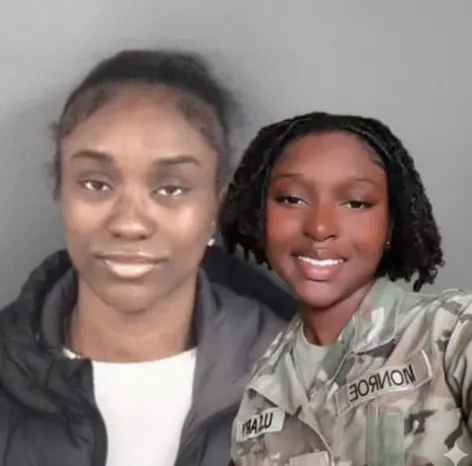
Six weeks later, Dymond was arrested.
She faced three counts of involuntary manslaughter, prosecutors said.
The legal words sounded cold against the warmth of three stolen futures.
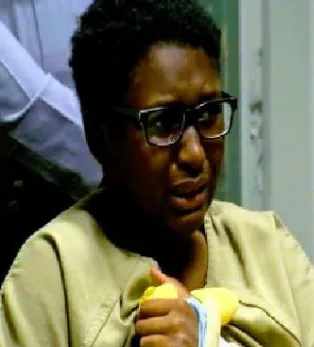
When she appeared in court, she was holding a stuffed animal.
She cried as cameras watched and strangers debated what her tears meant.
Remorse, fear, shock, or a performance, depending on what people already believed.
Her lawyer described her as “remorseful.”
Remorse is a human reaction, but it is not a rewind button.
It cannot unbreak a mother’s heart or uncrush a car door.
The prosecutor’s words cut straight through the noise.
“These were lives that didn’t have to be lost.”
A sentence so simple it feels unbearable.

Because that is the truth beneath every reckless driving death.
It did not have to happen.
It happened because choices were made.
Dymond posted a $300,000 bond.
She walked out of jail.
She went home and slept in her own bed.
She could hug her family.
She could be held when the nightmares came.
She could feel the relief of breathing in a familiar room.
Nicholas, Trevor, and Jai’Hyon never would.
They would not return to their bedrooms.
They would not laugh on the couch or complain about homework.
They would not get older.
They would not get to outgrow teenage arguments or grow into adult dreams.
Time stopped for them at 7:20 p.m. and never restarted.
The case did not end with grief.
It moved into investigation, where grief becomes evidence and evidence becomes argument.
And prosecutors said they found something that changed how the night looked.
According to the prosecution, evidence recovered from both vehicles did not match what the sisters told police.
Witness accounts pointed one direction, while initial statements pointed another.
The story, investigators suggested, had gaps.
In cases like this, gaps matter.
A gap can be panic, or it can be concealment.
A gap can be the difference between a tragedy and a cover story.

Investigators began piecing together the final minutes like a broken film reel.
Speed, distance, timing, and the relationship between the two cars.
They looked at what physics could prove when people’s memories became unreliable.
They reviewed statements and compared them to what witnesses reported seeing.
They traced the roadway like it held a confession in its scratches.
They treated every detail like it could speak for the dead.
Then there was the recording.
Not a rumor, not a social-media invention, but something investigators said they heard.
Something that helped explain why Destini didn’t stop.

The recording, prosecutors suggested, captured fear in real time.
A voice, urgency, and the instinct to flee rather than face what had happened.
Not the calm logic of accountability, but the raw animal panic of consequences.
It painted a picture that was hard to sit with.
Because it suggested that the choice to keep driving was not confusion.
It was decision.

And that is what makes the story heavier.
A crash can be called an accident, even when it is caused by reckless speed.
But leaving afterward feels like a second act.
The families of the boys were left carrying two kinds of pain.
The pain of death, which is permanent.
And the pain of knowing it happened in a way that feels preventable.
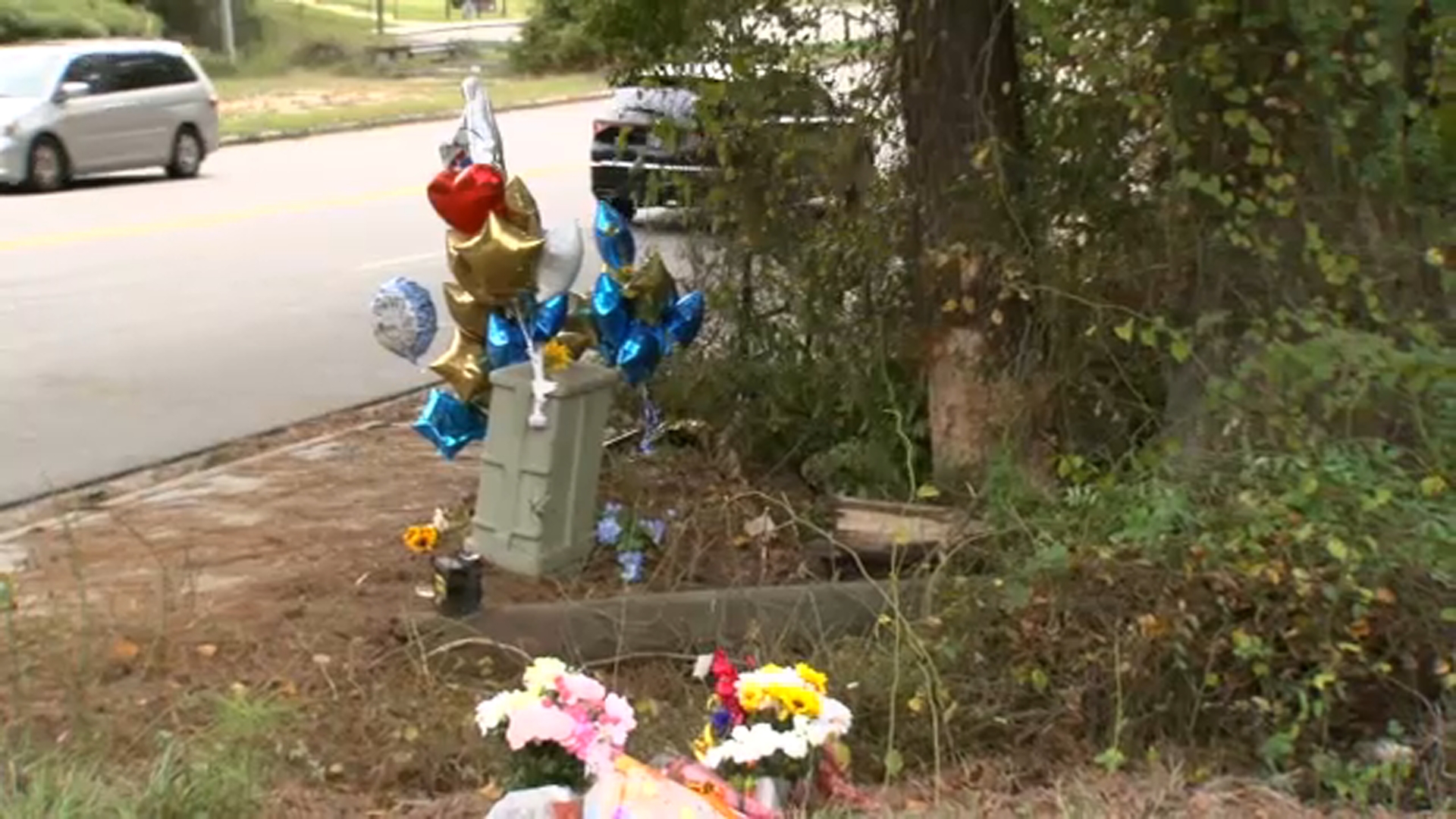
In their homes, photographs became sacred.
A smile in a frame became a thing you touched carefully.
A jersey became a relic.

Every holiday would now come with an empty chair.
Every birthday would arrive like a bruise.
Every “he would have been…” would stab like a quiet blade.
In the community, people argued the way they always do after tragedy.
Some demanded the harshest punishment.
Some asked how a young driver’s life should weigh against three lost lives.
But the boys’ families didn’t have the luxury of debate.
They lived inside aftermath.
They lived inside the fact that their sons did not come home.

The football field, once a place of noise, became a place of echoes.
A team can keep playing, but it never truly plays the same.
Because grief changes the rhythm of everything.
In court, the system will do what systems do.
It will present evidence, measure responsibility, and sort tragedy into charges and counts.
It will try to draw lines through chaos.
But outside the courtroom, the story stays human.
Three boys trusted the wrong ten minutes.
And ten minutes was all it took to turn “we’ll be back” into silence.

Nicholas Williams.
Trevor Merritt.
Jai’Hyon Elliott.
Say their names and you can feel the weight of what was stolen.
Not just their lives, but their tomorrows.
And the lives of everyone who loved them, permanently altered by a race that should never have happened.