A Routine Dental Visit That Turned Into Tragedy: The Story of Caleb Sears and the Fight for Safer Pediatric Anesthesia.2690

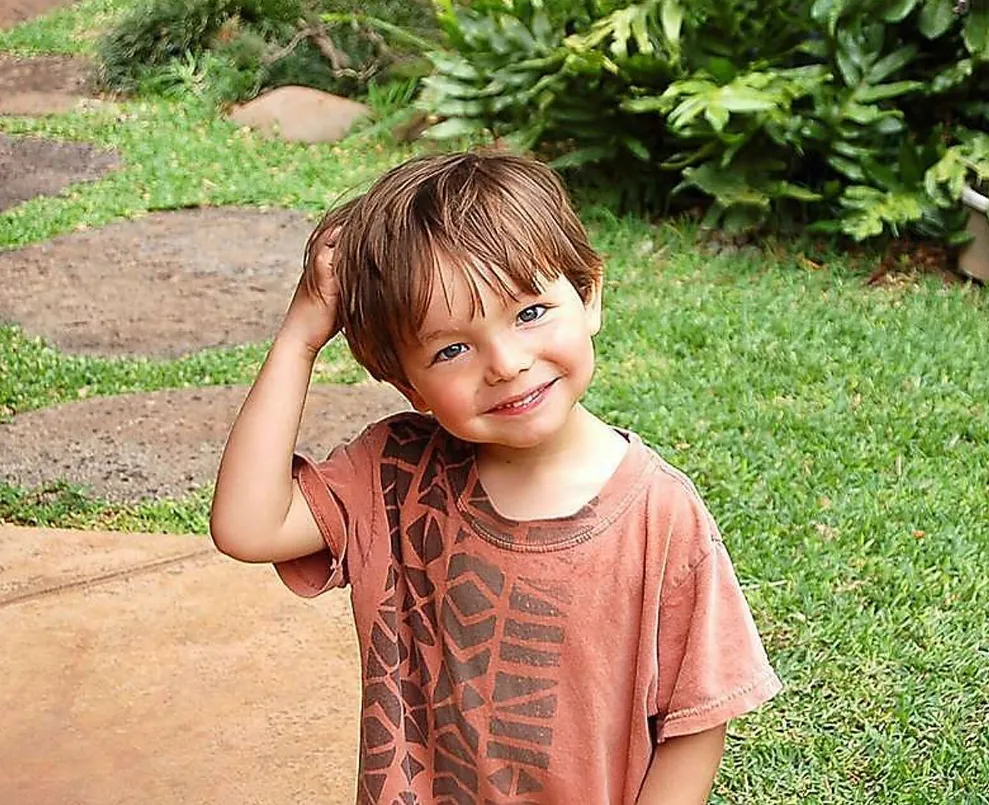
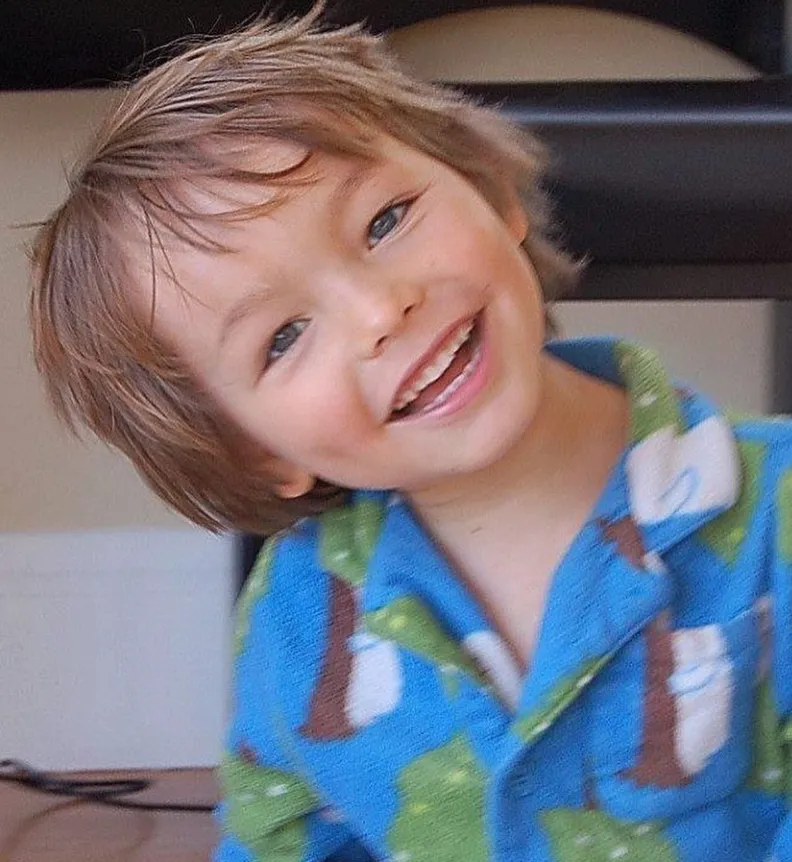
Caleb Sears was a bright and lively six-year-old boy living in the Bay Area.
He had just started his first year of elementary school, learning to read and write, and discovering the vast worlds hidden inside books.
Caleb loved playing with his little sister, their laughter echoing through the backyard on sunny afternoons.
He would climb trees as though he were a fearless explorer, his little feet finding balance on the rough bark.
He sang songs from Les Miserables, his voice sometimes off-key but filled with joy.
He made up funny stories about llamas and time machines, spinning tales that could make anyone smile.
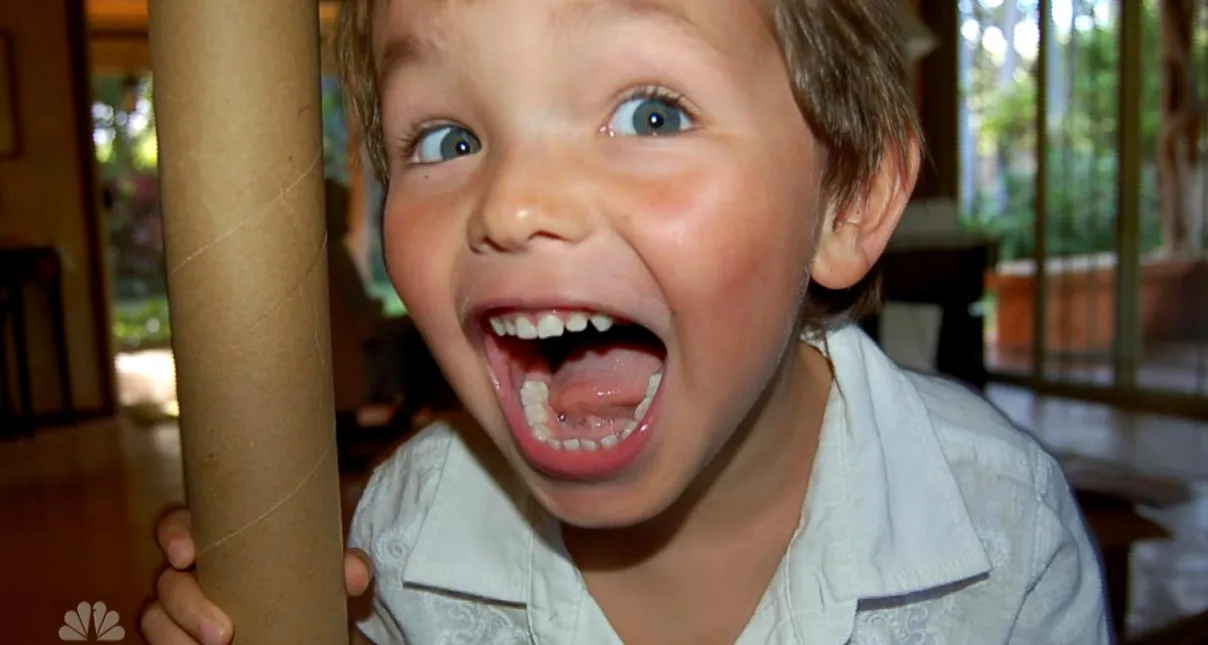
To his parents, Caleb was a perfect child, healthy, full of curiosity, and the kind of boy who could light up any room he entered.
They cherished every moment with him, knowing how quickly childhood could pass.
In March 2015, Caleb’s parents took him to a reputable oral surgeon’s office for a dental procedure—a mesiodens extraction.
It was a necessary but elective procedure, routine in nature, yet fraught with invisible risk.
Caleb was calm and trusting, holding his mother’s hand as he was guided into the office.
He did not know, and could not know, that what was supposed to be a simple visit would turn into a nightmare.
The oral surgeon began administering general anesthesia, including Propofol, Fentanyl, Ketamine, and Versed.
Caleb closed his eyes and drifted into unconsciousness, unaware of the danger that had quietly crept in.
Minutes passed.
Then, silence.
Caleb had stopped breathing.
No one noticed immediately.
The oral surgeon was performing the procedure alone in his office, assisted only by a dental assistant and a sedation assistant.
There were no personnel specifically trained to respond to pediatric emergencies.
There was insufficient monitoring equipment to detect early warning signs.
The room, once filled with the promise of a routine procedure, became a chamber of despair.

When the staff finally realized Caleb was not breathing, it was too late.
He suffered massive, irreversible injuries.
Caleb died in that office, his young life cut short by a chain of preventable errors.
His parents were left in a whirlwind of grief, shock, and questions with no answers.
Caleb’s death was not an isolated tragedy.
It echoed the loss of other children who had suffered avoidable injuries or death under similar circumstances.
It was a call to action, a plea for reform that could prevent future heartbreak for families across California and beyond.
Out of this unimaginable sorrow arose a movement: Caleb’s Law.
The law was signed into effect in California by Governor Jerry Brown on September 23, 2016, coming into force on January 1, 2017.
Its aim was clear: to prevent another family from facing the devastating loss that Caleb’s parents endured.
Caleb’s Law required the Dental Board of California to establish a committee dedicated to studying the safety of pediatric anesthesia in dental offices.
The committee’s task was to determine whether additional safety measures could reduce the potential for injury or death among minors.
Findings would be reported to the Board and made publicly available, ensuring transparency and accountability.
The law also mandated that licensed professionals administering general anesthesia inform parents or guardians about the different practice models and safety precautions in place.
It emphasized the importance of informed consent, giving families the knowledge to make decisions that could safeguard their children’s lives.
Furthermore, Caleb’s Law facilitated the epidemiological study of pediatric anesthesia and sedation by requiring the Dental Board to collect more information regarding adverse events.
This data would form the foundation for safer practices, preventing tragedies before they could occur.
However, change was not without resistance.
A follow-up bill aimed to further improve safety by changing the way anesthesia was administered in dental offices, particularly for children aged six and under.
The goal was to phase out the operator-anesthetist model, where the same practitioner performs both the procedure and administers anesthesia.
The dental lobby met this proposal with strong opposition, citing concerns over tradition, cost, and operational constraints.
Yet for Caleb’s parents and advocates, these obstacles were secondary to one undeniable truth: every child deserves the highest level of protection when under sedation.
Caleb’s story became a rallying cry for parents, advocates, and lawmakers alike.
It reminded the public that even routine medical procedures carried risks, and that systemic safeguards were essential to prevent avoidable harm.
Communities rallied around the Sears family, their grief transformed into a powerful voice demanding change.
Every parent could imagine the unthinkable: bringing their child in for a routine procedure, only to never see them walk out again.
The fear and anguish Caleb’s family endured were a stark warning that safety must never be compromised, especially for the most vulnerable.

Through Caleb’s Law, California took a vital step forward.
It created a framework to study, inform, and prevent tragedies, honoring Caleb’s memory by striving to protect other children.
It was not just legislation—it was hope, a commitment that a single moment of negligence would not repeat itself in another family’s life.
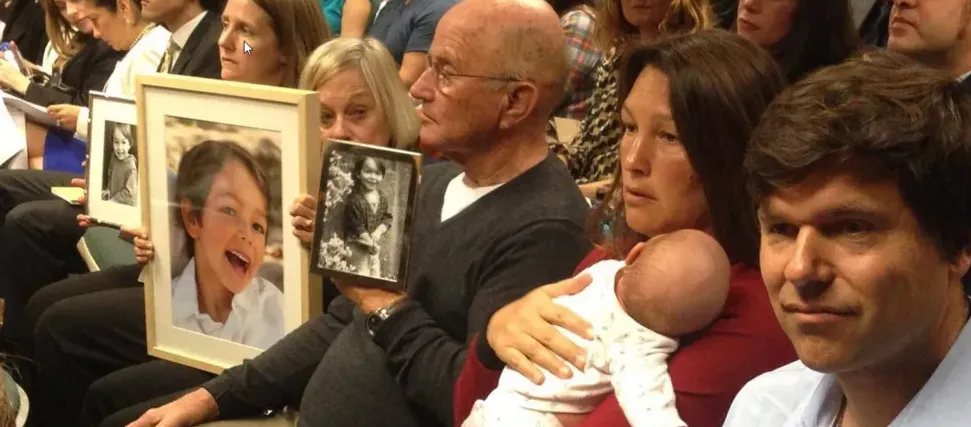
Caleb’s parents, though forever marked by loss, became advocates for change.
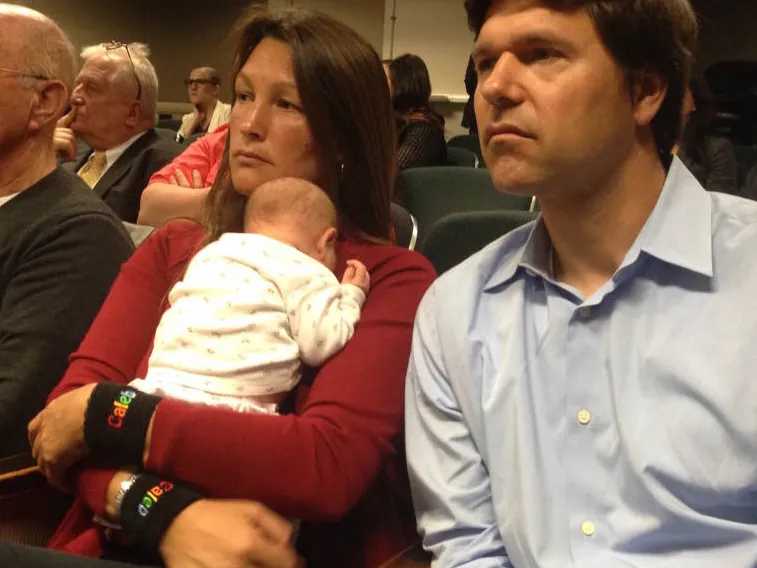
They spoke at hearings, shared their story, and tirelessly worked to ensure that no other child would face what Caleb had endured.
They channeled grief into purpose, transforming a tragedy into a beacon of awareness and reform.
The story of Caleb Sears is one of joy lost too soon, of innocence destroyed by preventable error, but also of courage born from heartbreak.
It teaches a profound lesson about vigilance, accountability, and the moral responsibility we hold toward children.
It reminds us that change is possible, even from the depths of despair.
And it calls every parent, every medical professional, and every policymaker to stand together for the safety of the most precious lives.
Caleb’s smile, his laughter, his stories of llamas and time machines live on in memory, in the law named after him, and in the hope that one day, no parent will have to endure what his family did.
In remembering Caleb, we honor his life and commit to protecting the lives of children everywhere.
Camilo’s Courage Shines Through Every Step.1158
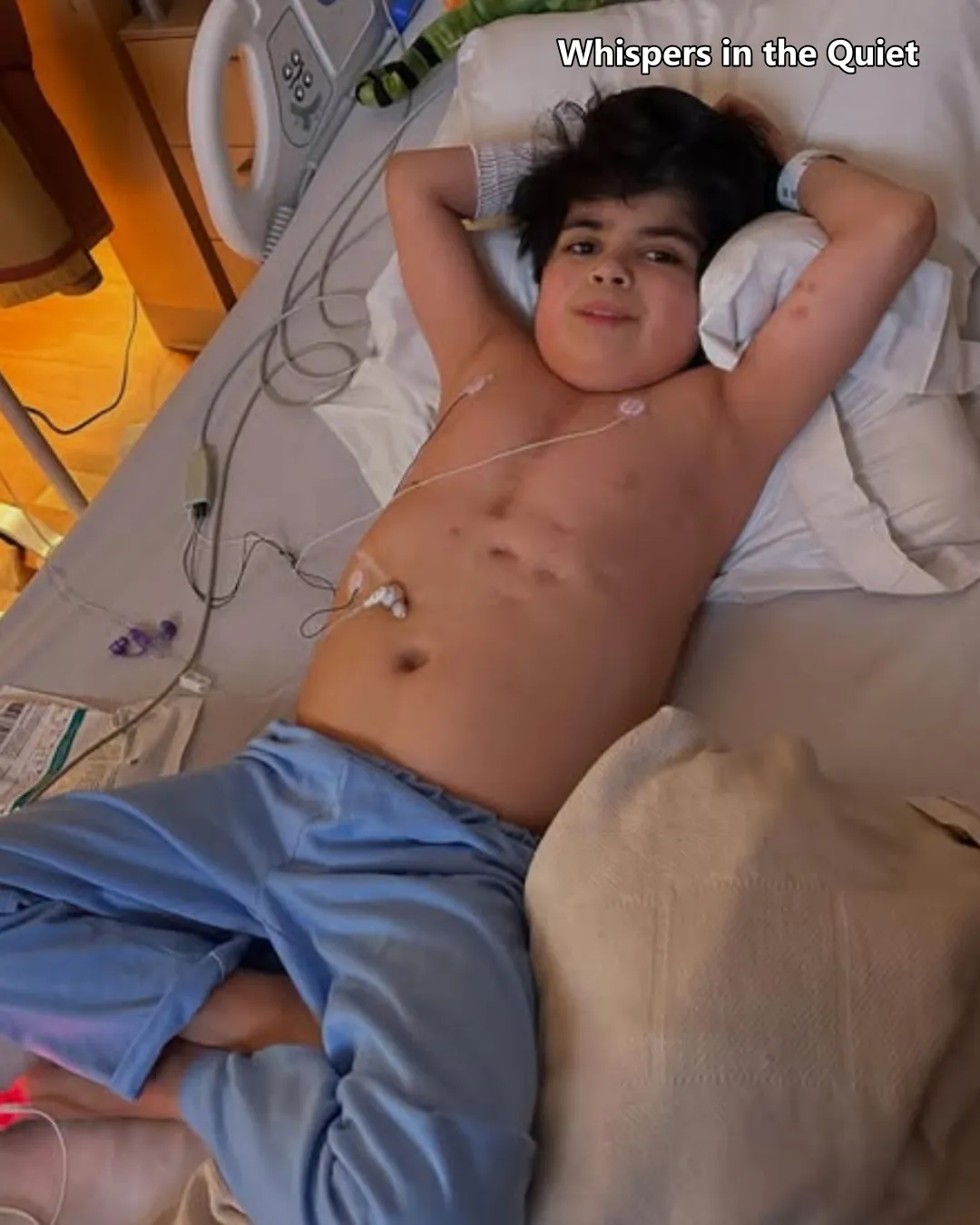
Today brought a wave of relief and cautious optimism. Camilo, our brave little fighter, is showing signs of improvement. After days of monitoring, countless tests, and endless hours of worry, the latest labs are mostly encouraging. His liver numbers are still slightly elevated, but the doctors believe it’s likely the virus he’s been battling that is responsible, rather than any underlying adrenal issue. For parents who have spent sleepless nights worrying over every beep of a monitor, every drop of fluid, this news feels like a small miracle.

The endocrinologist reassured us that Camilo’s cortisol levels are within a normal range. That means his body is producing enough on its own—no extra stress doses of steroids are needed, at least for now. It’s a detail that might seem technical, but to us, it’s enormous. It’s the difference between fearing complications and feeling cautiously hopeful. Every lab result that comes back stable is a lifeline in a sea of uncertainty.

The physical signs are just as encouraging. Camilo hasn’t thrown up since yesterday, except for a tiny bit this morning, and his diarrhea is easing. These may seem like small victories, but for a child fighting a virus on top of other challenges, every symptom that stabilizes is a reason to breathe a little easier. The medical team even stopped his IV fluids temporarily to see how much his body can handle on its own. And Camilo, true to his resilient nature, has managed to drink about four ounces of Gatorade by mouth. Tonight, he has been given the green light to try eating. His first meal? His favorite soup—a small comfort, but a huge step forward.

The plan moving forward is careful but hopeful. Pedialyte will be administered through his G-tube tonight to test his tolerance, and if all goes well, normal tube feeds will resume tomorrow evening. The team is monitoring every detail: hydration, lab stability, symptom management. If Camilo continues to improve, there is even talk of discharge, possibly by mid-week. For parents who have been tethered to hospital rooms, watching the slow, fragile progress of a child, the word “home” is more than a destination—it’s a dream.

Through it all, Camilo’s spirit shines. He’s a reminder that even in the face of illness, children can inspire strength and hope in ways adults often forget. His small victories, his stubborn sips of Gatorade, his eyes lighting up at the sight of his favorite soup—these are the moments that matter. They are proof that progress, however gradual, is still progress. And for us, his family, each small step brings both relief and a renewed sense of gratitude.

It hasn’t been easy. Watching Camilo endure IV lines, monitor wires, and repeated pokes for bloodwork has tested our patience and our hearts. Yet, in these moments, his courage teaches us more than any lesson we could have imagined. The gentle way he grips our fingers when he’s scared, the quiet hum of his favorite songs that calms him, the small smiles he offers when he feels a little better—these are the moments that stitch our hearts back together day by day.

As we wait, cautiously optimistic, we are reminded of the power of medical teams, of their expertise, patience, and care. But even more, we are reminded of the resilience of a child’s spirit. Camilo’s fight is far from over, but today, hope feels tangible. Today, we can imagine the doors of the hospital opening, leading us back to the familiarity of home, where the only monitors are the heartbeat and laughter that fill the rooms.

Camilo may be small, but his courage is monumental. Each sip, each stable lab, each laugh is a testament to his strength. And while we know there will be more challenges ahead, today we allow ourselves to celebrate these small victories, these steps toward recovery. Camilo reminds us every day that courage doesn’t always roar—it sometimes whispers in the quiet triumph of a tiny body fighting against the odds.

We remain grateful for every nurse, every doctor, every staff member who has touched his life. And we are thankful for the love and support from our family, friends, and community. In this journey, no one fights alone. Every encouraging word, every prayer, every text of support has lifted us when we felt we could not carry the weight.

So tonight, as Camilo sips his soup, safe and stronger than yesterday, we let ourselves hope. Hope that each day brings him closer to full health. Hope that the hospital walls soon fade into the familiar comfort of home. Hope that this small warrior, who has already shown so much bravery, continues to teach us the power of resilience, the importance of patience, and the unbreakable strength of love.

Camilo’s story is one of courage, hope, and the tiny, remarkable victories that remind us that even in illness, life can be beautiful.