“Accident or Assault? The Unanswered Mystery of August Borden”.5573

In the small town of Tuscumbia, Alabama, the mysterious incident involving August Borden, a freshman football player at Deshler High School, has left a trail of unanswered questions, lingering doubts, and a sense of injustice that continues to stir the community. What was initially thought to be a freak accident has since evolved into a heated debate over the thoroughness of the investigation, the school district’s actions, and whether August’s injuries were the result of a tragic accident or something far more sinister.
August Borden’s story began like any other football player’s, full of promise and excitement. A freshman at Deshler High School, August had aspirations of making a name for himself on the football field. On the afternoon of Tuesday, August 19, 2025, the team had just finished a workout, and as the players walked back to the entrance of the school, the unthinkable happened. August was found unconscious and bleeding on the steps outside the school.

The scene that unfolded in the aftermath of August’s collapse was both chaotic and terrifying. No one knew exactly what had happened. The football players had just finished their workout, and as they walked back towards the entrance, August was found in a state that would leave his life hanging in the balance. Emergency medical services were called, and August was immediately rushed to a nearby hospital. But despite their best efforts, he coded—his heart stopped, and for a terrifying moment, it seemed as though he might not make it.
Miraculously, medical staff were able to revive August, but the battle wasn’t over. He was airlifted to the University of Alabama at Birmingham (UAB) Hospital, where he was admitted into the intensive care unit (ICU) and placed on a ventilator. His injuries were severe and life-threatening: a fractured skull, two broken orbital sockets, and a concussion so severe that it threatened his ability to function properly.

The news of August’s injuries quickly spread throughout the community, and the question on everyone’s mind was: how did this happen? Was it truly an accident, or was something more sinister at play?
As the investigation into August’s condition began, two sides of the story emerged. Some claimed that the injuries were the result of a freak accident—perhaps a fall or an unfortunate mishap that occurred during the workout. Others, however, suspected foul play. There were rumors circulating that August had been assaulted—perhaps even attacked by one or more of his teammates. The most significant detail to emerge was the fact that a fellow student, during the investigation, had admitted to bear hugging August just prior to him collapsing. Yet, despite this admission, no one was sure whether the incident was connected to August’s injuries or whether it was simply a coincidental action that happened before the collapse.
The tension in the community grew as the investigation progressed. Was this just a tragic accident that spiraled out of control, or was something more disturbing behind it? As the investigation continued, it became clear that there were more questions than answers.

At first, the local authorities seemed to believe that the incident was simply an accident. The Madison County District Attorney’s office released a statement declaring that no charges would be filed in connection with August’s injuries, labeling it as a “freak accident.” But the statement did little to calm the growing concern in the community. How could something so serious, something that nearly took a young life, be dismissed so easily as an accident?
In response to the public’s questions and the lack of transparency from the local authorities, Tuscumbia City Schools hired an external counsel to conduct an independent investigation into the incident. The goal, they said, was to ensure that the investigation was thorough and unbiased—something the public demanded after the initial findings seemed to fall short.

On December 9, 2025, the results of that independent investigation were made public. The counsel, hired by the school district, agreed with the findings of the Madison County District Attorney’s Office. They, too, believed that August’s injuries were the result of a freak accident. The report concluded that there was no foul play involved, and the case was officially closed. According to Russ Tate, the Superintendent of Tuscumbia City Schools, the findings from the independent investigation were similar to those of the Madison County DA’s office, which led to the case being closed without any further investigation.

But for Jason Borden, August’s father, the case being closed felt anything but right. He had never believed that this was just a random accident, and the more he learned about the circumstances surrounding his son’s injuries, the more doubts began to creep into his mind. Jason questioned the thoroughness and accuracy of the investigation, especially given that the law firm hired to conduct the inquiry was being paid by the school district.
In an interview with 1819 News, Jason expressed his suspicions about the nature of the investigation: “The goal of any internal investigation is to protect that internal agency and clear it of any wrongdoing,” he said. “Was the law firm hired and paid by the school to investigate themselves objectively looking for a reason to condemn the person writing the check? Unlikely. But I look forward to reviewing their findings, should that ever be made available to the public.”

Jason’s words reflect a growing sentiment of distrust in the system and a belief that the investigation may have been compromised from the very beginning. The fact that the school district was responsible for hiring the investigative counsel raised questions about the fairness and transparency of the inquiry. Was the investigation truly independent, or was it designed to protect the school and avoid any potential backlash?
Despite his doubts, Jason remained hopeful that one day, the full truth would come out. His primary concern, however, was the health and recovery of his son. August’s road to recovery had been long and difficult, and while there had been some improvement, the physical and emotional scars from the incident would remain for the rest of his life.

As for August, he is slowly making progress, but the journey ahead is far from easy. His injuries, especially the traumatic brain injury, have left him with significant physical and cognitive challenges. The road to full recovery is uncertain, and while he has shown some improvement, it will take months, possibly years, for him to regain any semblance of the life he had before the incident. August’s story is one of resilience, but it is also one marked by the brutal reality of a young life nearly lost to violence or an accident—questions still remain as to which it truly was.
For the community of Tuscumbia, the case may be officially closed, but the lingering doubts and unanswered questions remain. Was this truly a freak accident, or was there something darker at play? The investigation may be over, but for August’s family, the pursuit of truth continues.
When the River Rose: The Night Camp Mystic Lost Its Brightest Lights.3947
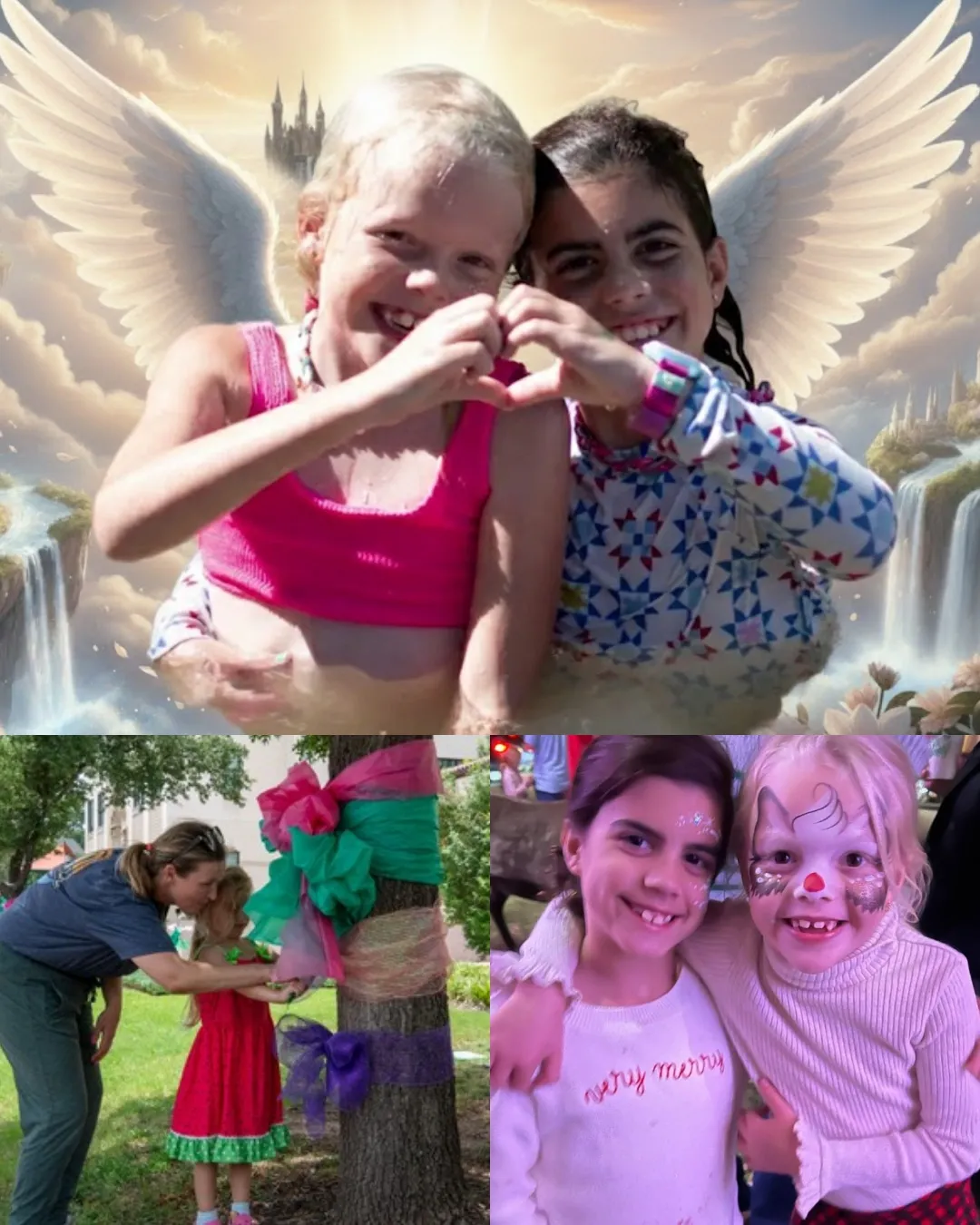
The rain began as a whisper.
A soft, steady rhythm against the roofs of cabins tucked deep within the Texas Hill Country — a sound that had always lulled campers at Camp Mystic to sleep. But on that particular night, the whisper became a roar. The clouds opened, the heavens wept, and within hours, what began as a summer storm transformed into one of the most devastating floods the Guadalupe River had seen in decades.
By dawn, the laughter that once filled the camp had been replaced by silence. The “Bubble Inn” cabin — home to a group of young girls who had spent their days braiding friendship bracelets and singing around the campfire — was gone. Among those lost were two best friends whose bond had seemed unbreakable: eight-year-old Eloise Peck and nine-year-old Lila Bonner.
They had come to Camp Mystic full of excitement, ready for another summer of adventure and faith, unaware that this would be their final sleepover, their last night beneath the stars.
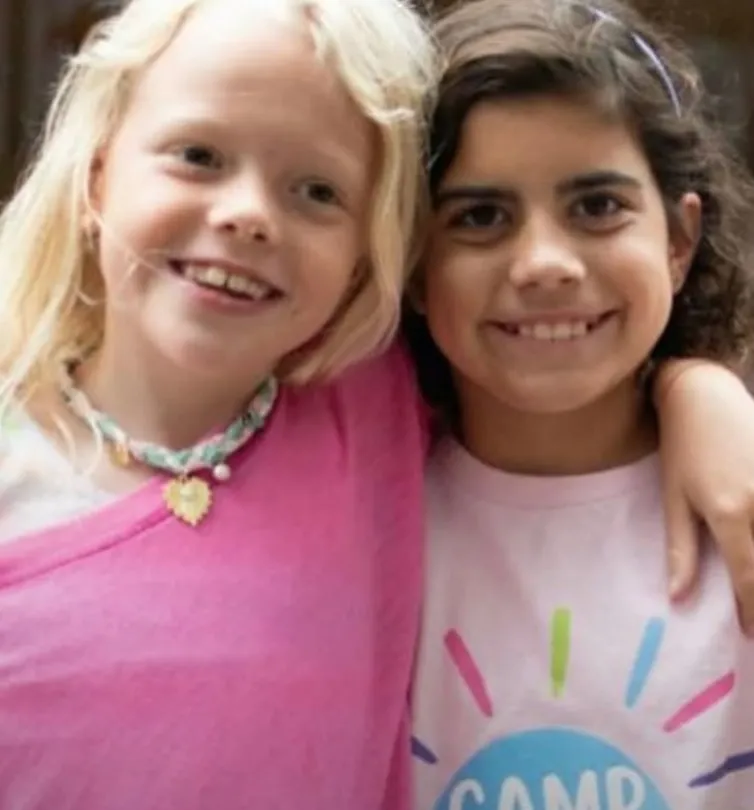
A Place of Light and Laughter
Camp Mystic wasn’t just a camp. For generations of girls, it was a world apart — a sanctuary where days were measured not by clocks but by laughter, songs, and the soft glow of campfires. Located along a quiet bend of the Guadalupe River, it was the kind of place parents trusted instinctively.
The staff called the girls “Mystic Sisters,” a bond that often lasted long beyond childhood. They prayed together in the mornings, paddled canoes in the afternoons, and shared secrets after lights out.
For Eloise and Lila, this camp wasn’t just a summer tradition — it was their favorite chapter of the year.
The two girls had met at church in the Dallas/Fort Worth area. From that first meeting, they had been inseparable. Eloise — with her sun-bleached hair and contagious giggle — was the dreamer, the one who always imagined grand adventures. Lila, slightly older, was the protector — the voice of reason who kept their mischief just shy of trouble. Together, they were unstoppable, their friendship a blend of laughter, loyalty, and unspoken understanding.
That summer, they begged to be placed in the same cabin again. The counselors smiled and said yes, assigning them to “Bubble Inn,” a cheerful name that perfectly fit their bubbly spirits.
No one could have imagined that name would soon carry such heartbreaking weight.
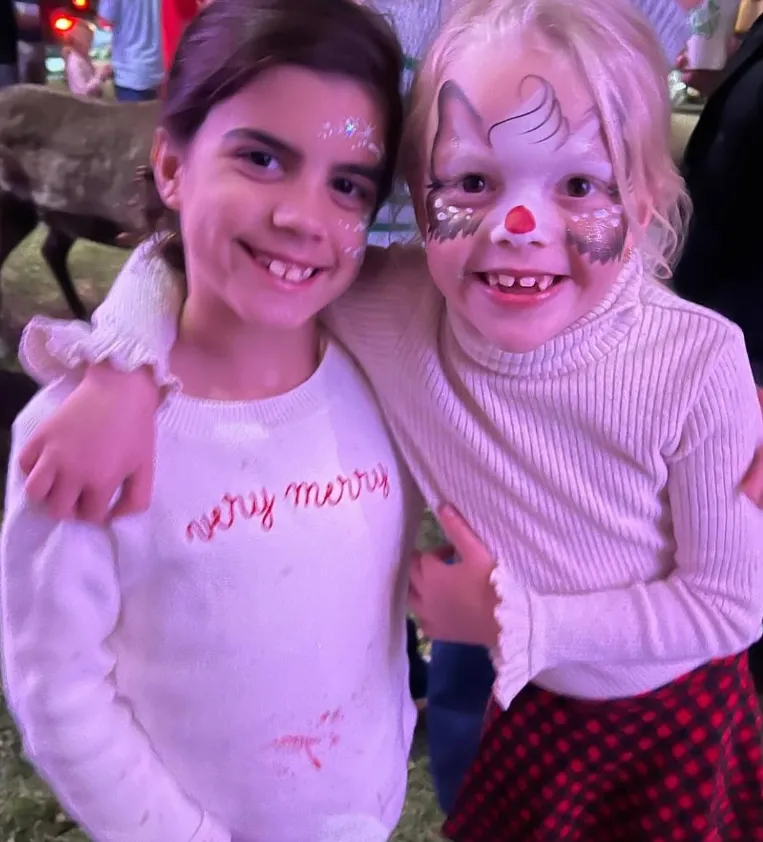
The Night Everything Changed
On that fateful evening, dark clouds rolled over the Hill Country. Weather alerts had warned of heavy rain, but in Texas, summer storms came and went often. Counselors reassured the girls that it was nothing to worry about. They sang camp songs as thunder rumbled in the distance, the way children often do when fear hides behind curiosity.
By midnight, the rain had intensified.
By 2 a.m., nearly 15 inches had fallen.
The Guadalupe River, once calm and glistening in the moonlight, had turned violent — a raging torrent that tore through the campgrounds with unimaginable force.
Witnesses later described the sound as something otherworldly — a deep, thunderous roar followed by cracking wood and screams. Cabins along the riverbank were lifted from their foundations and carried downstream as campers slept.
In the chaos, staff members fought to reach the girls. Flashlights cut through the darkness, counselors shouting names into the rain, trying to make sense of what was happening. But nature was relentless. The river had claimed its course, and nothing could stop it.
When daylight finally broke, the camp was unrecognizable.

The Search for Eloise and Lila
Helicopters hovered above the wreckage. Boats searched the swollen river, and parents arrived desperate for answers.
Among them were the Pecks and the Bonners — two families bound by friendship, now united in fear.
For hours, search teams combed through debris, calling out names that echoed into the still air. The flood had swept away more than twenty girls in the initial chaos, but as rescue efforts continued, most were found — soaked, shaken, but alive.
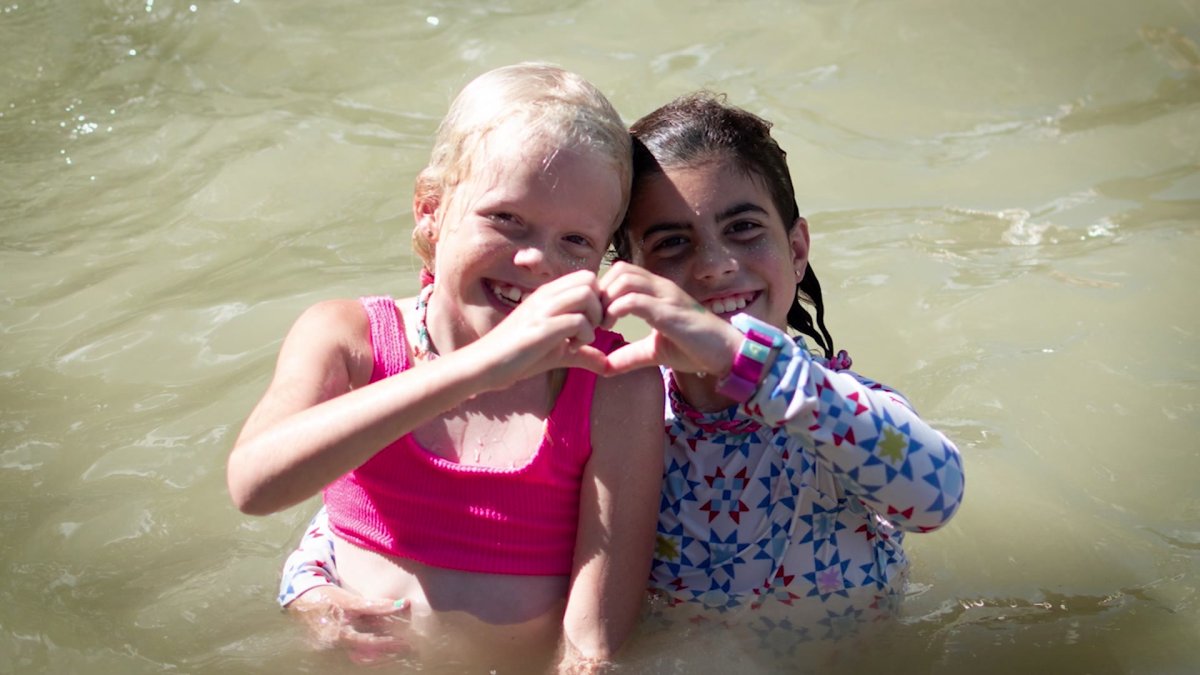
Then came the silence.
The names Eloise and Lila hung heavy in the air.
By the following day, the families received the news every parent dreads — both girls had been found. Neither had survived.
The announcement rippled through the camp, through the churches, through entire communities who had watched these two little girls grow up together. Their laughter, their stories, their shared dreams — all gone in an instant.

Remembering the Girls Who Never Left Each Other’s Side
Friends and counselors described Eloise and Lila as “pure sunshine.” They were always together — whether painting crafts, jumping into the river hand-in-hand, or whispering secrets after lights-out.
“Where one went, the other followed,” said one counselor through tears. “Even in heaven, I don’t think they’d want to be apart.”
In the days following the tragedy, the girls’ families released a joint statement, asking for prayers for all those affected. “Our hearts are shattered,” it read, “but we take comfort knowing Eloise and Lila are together, forever in God’s embrace.”

Vigils were held across Texas. At Camp Mystic, counselors lit candles along the riverbank — hundreds of tiny flames flickering in the wind, reflecting off the same waters that had taken so much. Parents wept. Children held hands. Songs once filled with joy now trembled with sorrow.
The girls’ bunks were left untouched, their names written in chalk above their beds. Two friendship bracelets — still intertwined — were found among the debris and returned to their families.

A Community United by Loss
The tragedy sparked a wave of grief and unity unlike anything the camp had ever seen.
Donations poured in from across the state to support rebuilding efforts and to establish memorial scholarships in the girls’ names. Churches organized prayer chains. Local artists painted murals of the two friends surrounded by angel wings, their smiles captured forever in color and light.
Parents who had once sent their daughters to Camp Mystic without hesitation now grappled with fear and guilt. How could something so unthinkable happen in a place built on safety and faith?
But amid the heartbreak, something extraordinary happened.
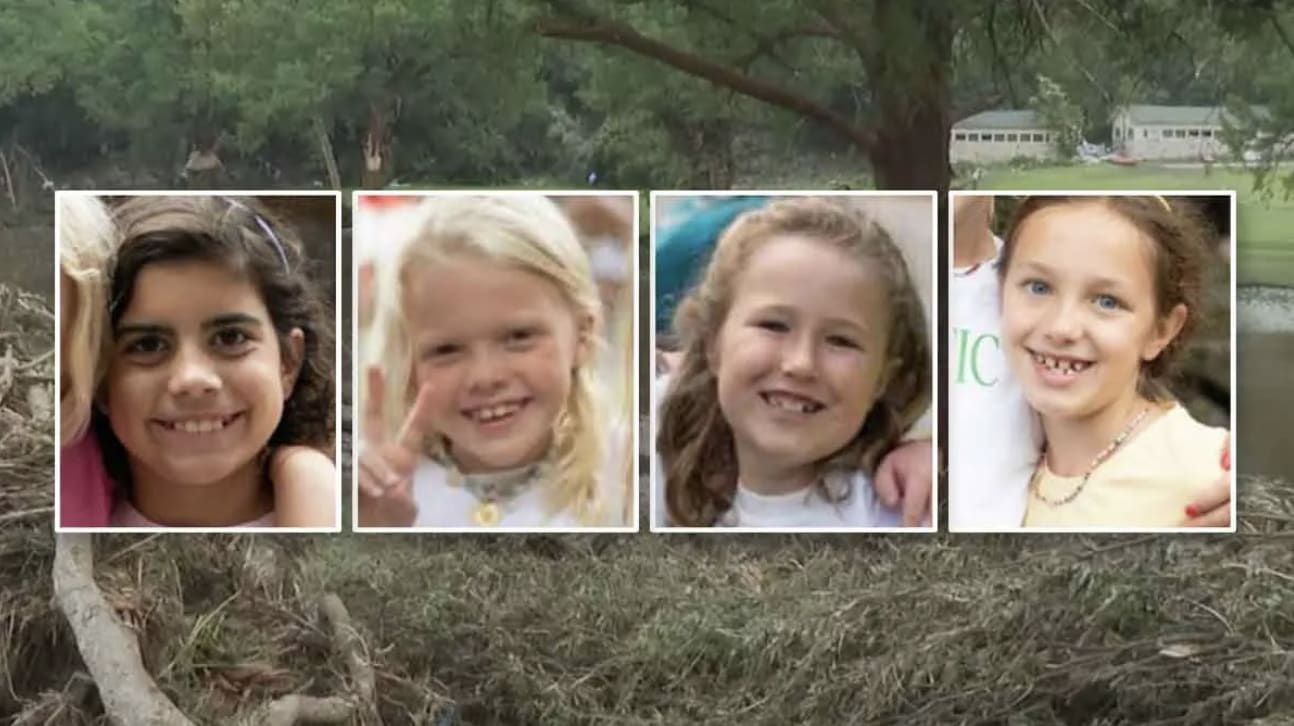
The families of Eloise and Lila — instead of succumbing to bitterness — chose grace.
They met with camp leaders, emergency officials, and meteorologists to better understand what went wrong, determined that no other family would endure what they had. They spoke not with anger but with purpose, turning their grief into a call for awareness about flash flood safety, particularly in areas where children gather.
“Faith,” said Lila’s father quietly during a local interview, “is not about understanding why something happened. It’s about believing that love is stronger than the storm.”

The River That Took — and the River That Gave
Months later, as the Hill Country slowly began to heal, something remarkable was discovered along the Guadalupe’s edge.
A small cross, carved crudely into driftwood, had lodged itself against a tree. No one knew who had made it, but written beneath the cross, in a child’s handwriting, were the words:
“Best Friends Forever — E + L.”
Locals took it as a sign — a gentle reminder that the girls’ friendship, like the river, would never truly end.
Each year since, campers at Mystic have gathered by the water for a moment of silence. They sing softly, “This Little Light of Mine,” a song Eloise and Lila loved. The counselors tell new campers their story — not to frighten, but to teach the power of connection, the beauty of friendship, and the fragile, sacred gift of life.
Because even in tragedy, their story shines.
The Echo That Remains
There are places in the world where time seems to stop. Camp Mystic is one of them.
Today, as the sun sets over the Guadalupe, the river looks calm again — a ribbon of silver winding through the hills. The laughter has returned, the songs rise once more, and the cabins stand rebuilt, stronger than before.
But for those who knew Eloise and Lila, there’s always a moment — perhaps in the quiet before sleep, or when rain begins to fall — when memories flood back.
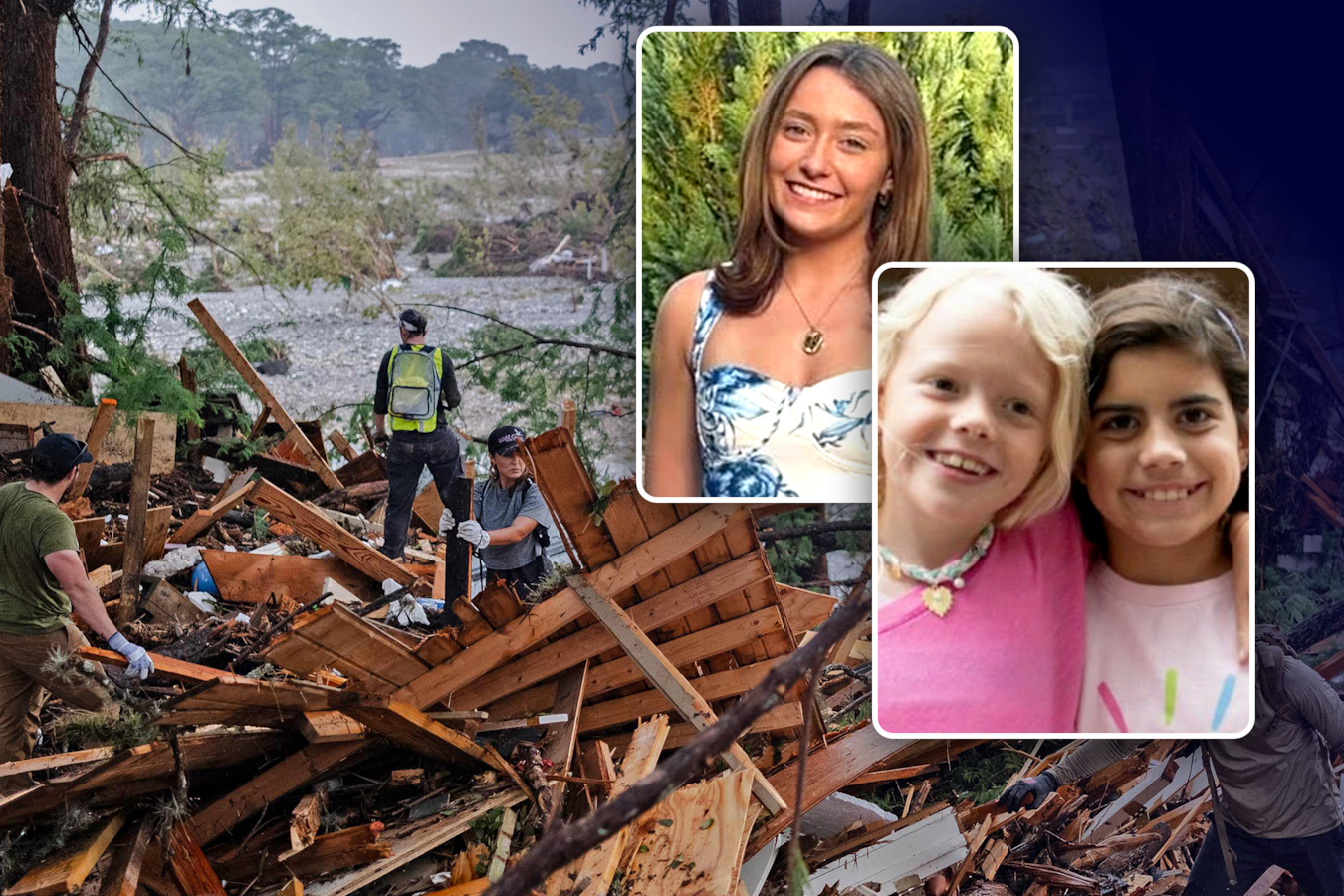
A giggle.
A flash of golden hair.
Two small hands clasped together, running toward the river’s edge.
They remind us that friendship, once formed, doesn’t end. It transforms — from presence to memory, from touch to faith.
And on that riverbank where two best friends were last seen, love remains — eternal, unbroken, flowing just like the Guadalupe itself.