He Went Out to See the Snow and Never Came Back: Remembering Danny “Dusse” Siplin 3922c

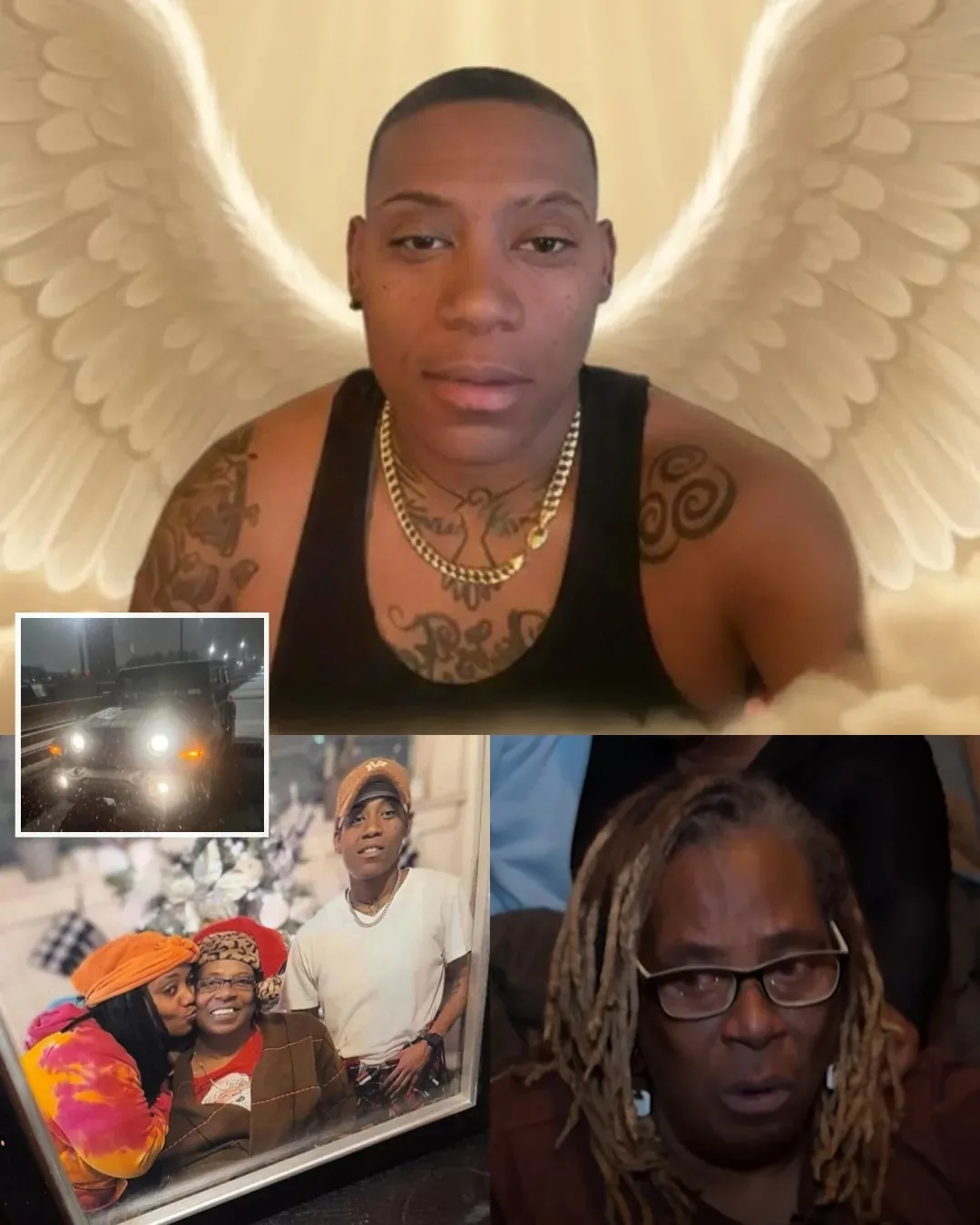

The snow had fallen quietly over Rochester, softening the edges of the city and muting the usual sounds of traffic and routine.
It was the kind of winter morning that invites reflection, where the world feels briefly hushed, as if holding something sacred.
No one waking up that Tuesday imagined the day would end with a family waiting for a phone call that would never come.
Danny “Dusse” Siplin was thirty-three years old, a Black transgender man who had learned to move through the world with both strength and sensitivity.
He was someone who showed up, someone who kept his promises, someone whose absence would be felt immediately and painfully.
On Tuesday morning, he did what he always did—he called his mother.
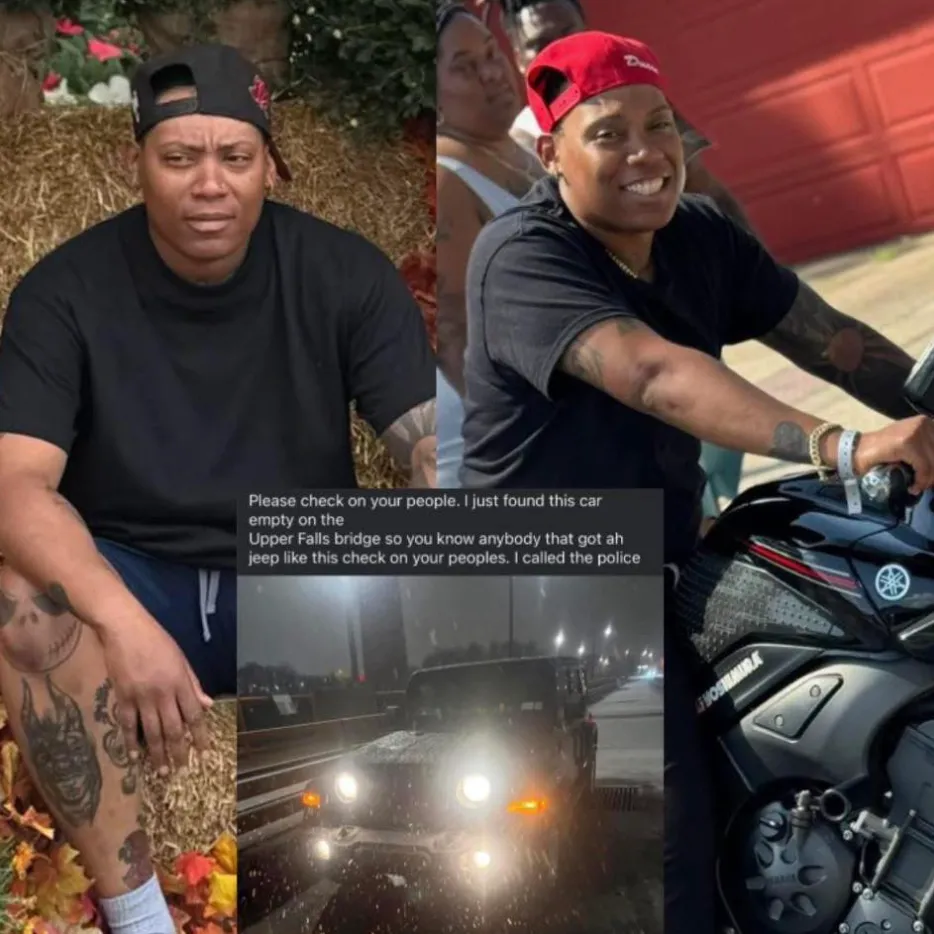
Tracey Riley heard his voice on the other end of the line, familiar and steady.
Danny told her he wanted to take a drive, to see the snow while it was still fresh and untouched.
He promised he would be back in time to drive her to work, just as he usually did.
There was nothing in his tone to suggest danger.
Nothing urgent, nothing heavy, nothing final.
Just a son sharing a small plan with his mother on a winter morning.
When Danny didn’t return, concern began to rise quietly, the way worry often does at first.
Minutes turned into hours, and hours into a realization that something was wrong.
By Tuesday evening, the waiting had become unbearable.
A missing person report was filed.
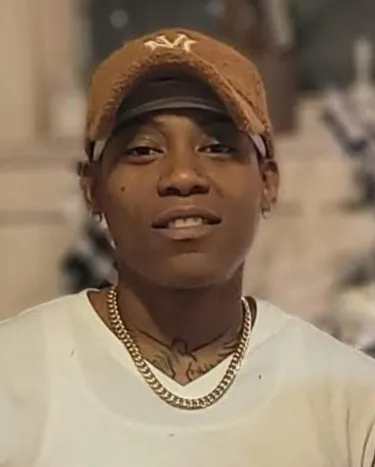
Friends shared his photo, his name, his smile across social media, hoping visibility might bring him home.
Each share carried the same unspoken plea: please, let him be safe.
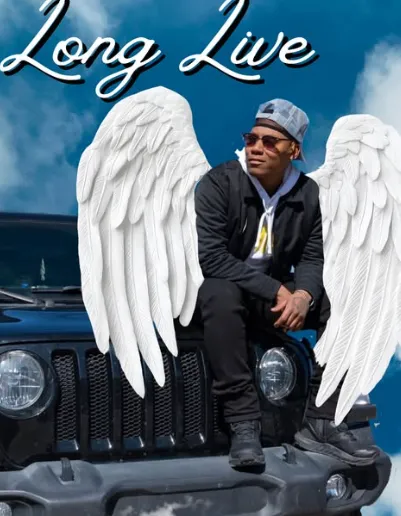
For days, Rochester watched and waited.
The snow that Danny wanted to see began to melt, turning to slush along the sidewalks and riverbanks.
Hope clung stubbornly to every update, even as fear crept closer.
Danny was known for being thoughtful and gentle.
He had a way of caring for others that didn’t demand attention or praise.
Driving his mother to work wasn’t an obligation to him—it was love, practiced quietly.
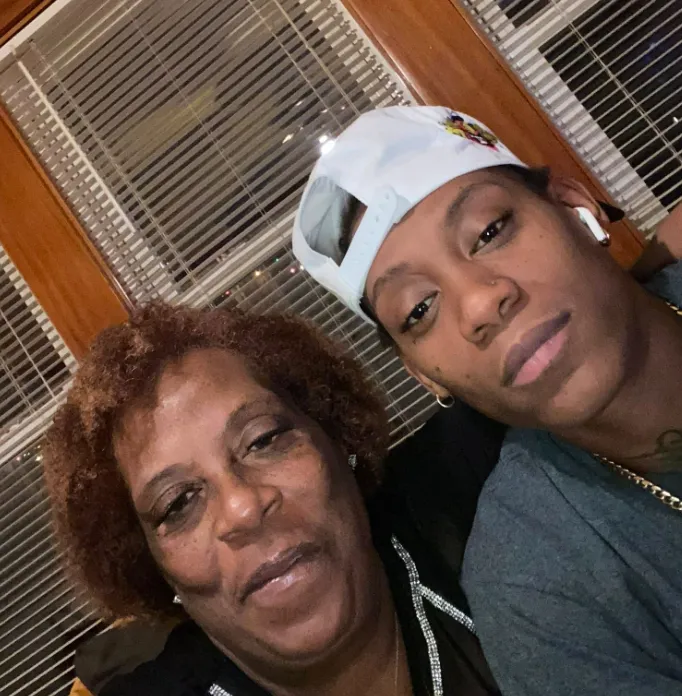
He was also someone who understood the weight of the world.
As a Black transgender man, Danny navigated a society that often asked him to be resilient without offering protection.
Still, he built a life rooted in care, connection, and presence.
When Friday came, the news arrived with a heaviness that words struggle to carry.
Danny “Dusse” Siplin was found dead near the Genesee River Gorge.
He had not come back.
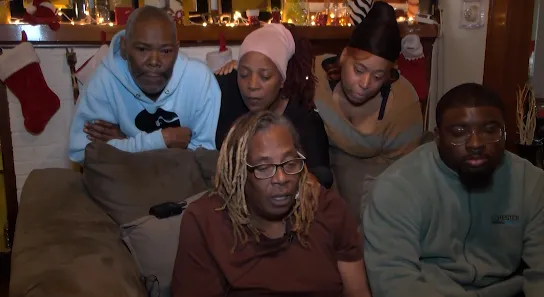
Police said they did not suspect foul play.
They stated there did not appear to be any criminal intent involved, though the investigation continued.
Facts were delivered carefully, clinically, as families and friends tried to absorb the reality behind them.
Danny’s vehicle was found on Upper Falls Bridge.
The motor was still running, the doors were closed, and his wallet was inside.
Details that felt ordinary on paper but haunting in context.
The Genesee River Gorge is a place of stark beauty.
Steep cliffs, rushing water, and winter air that cuts sharp against the skin.
It is not a place anyone expects to become a final chapter.
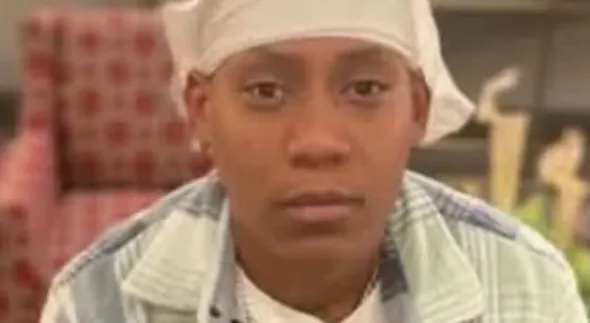
As the community processed the update, grief rippled outward.
Those who knew Danny personally felt a loss that was intimate and profound.
Those who followed his story from afar felt the ache of a life ending too soon.
For Tracey Riley, the pain was immeasurable.
She had spoken to her son just days earlier, heard his voice, trusted his promise.
Now she was left holding memory instead of time.
There is a particular cruelty in last conversations that feel ordinary.
No dramatic goodbye, no sense of warning, just routine and love.
Those moments replay endlessly in the minds of the people left behind.
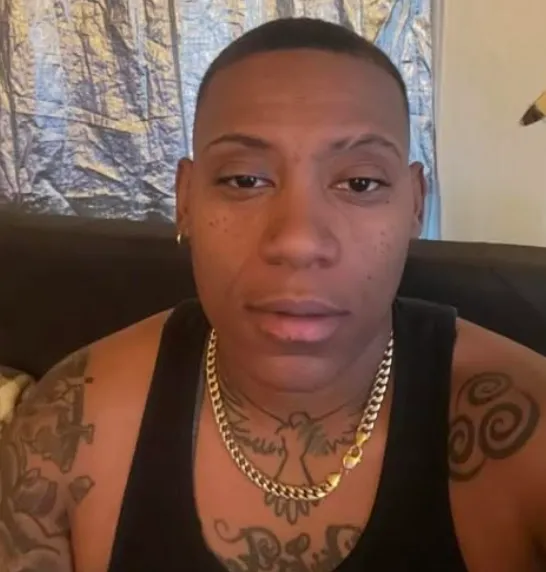
Friends remembered Danny’s laugh, his warmth, the way he made space for others.
They spoke of his kindness not as something extraordinary, but as something consistent.
He was steady in a world that often feels unsteady.
In the days after his death, messages poured in.
People wrote about how Danny made them feel seen, respected, and safe.
Each memory painted a fuller picture of who he was beyond headlines.
Police asked anyone with information to call 911.
The investigation remained open, even without suspicion of foul play.
Unanswered questions lingered in the spaces between official statements.
Why did he stop on the bridge.
What thoughts crossed his mind as he looked at the snow and water below.
What weight was he carrying that no one else could see.
These questions do not come from judgment.
They come from love, confusion, and the human need to understand loss.
Sometimes answers never arrive, and that becomes its own kind of grief.

Mental health conversations surfaced alongside the news.
People spoke about isolation, about how winter can deepen sadness, about how quietly people can struggle.
Danny’s story became a reminder that pain does not always announce itself.
It also became a reminder of the vulnerability of transgender lives.
Even in death, the community emphasized respect for Danny’s identity, his name, his truth.
To honor him fully meant seeing him as he was.
The phrase “no foul play suspected” brought little comfort.
It did not explain the emptiness left behind.
It did not lessen the ache of a son gone, a friend missing, a future erased.
RIP messages began to appear online.
Three letters that carry so much weight and so little closure.
Rest in peace, they wrote, hoping peace was something Danny had found.
Vigils were discussed, spaces where candles could flicker against the cold.
Places where names could be spoken aloud without fear.
Moments where grief could be shared instead of carried alone.
Snow continued to fall in Rochester, indifferent to human sorrow.
The river kept moving, relentless and unchanged.
Life, as it always does, continued forward, even as hearts lagged behind.
Danny’s absence became noticeable in small ways.
A missed text, an empty seat, a routine no longer fulfilled.
These are the quiet echoes that loss leaves behind.

For Tracey, mornings would never feel the same.
The drive to work, once shared, now carried alone.
Every familiar street held a memory.
There is no guidebook for surviving the loss of a child.
No words that can adequately frame the pain.
Only time, community, and love moving slowly through devastation.
Danny’s life mattered.
Not because of the circumstances of his death, but because of the way he lived.
Because of the care he gave, the love he showed, the presence he offered.
His story is not one of scandal or crime.
It is a story of a human being whose life ended quietly, leaving loud grief behind.
It is a story that deserves tenderness, not speculation.
In remembering Danny, people spoke his name with intention.
Danny “Dusse” Siplin.
A name that deserves to be remembered fully and correctly.
Grief does not resolve neatly.
It shifts, it changes shape, it returns unexpectedly.
For those who loved Danny, it will likely remain a companion.
But alongside grief lives remembrance.
And alongside remembrance lives a responsibility to care for one another better.
To check in, to listen, to take quiet pain seriously.
Danny wanted to see the snow.
He wanted a simple moment of beauty in a cold season.
That desire, gentle and human, is how many choose to remember him.
Not as a tragedy, but as a person.
Not as a headline, but as a son, a friend, a man.
Someone who deserved more time.
As Rochester continues on, Danny’s story remains.
In the river’s edge, in winter air, in shared memories.
In every promise we make to notice when someone doesn’t come home.
Rest in peace, Danny.
May you be remembered with love, dignity, and truth.
And may those who carry your memory never carry it alone.
“The Day Two Births, Fourteen Years Apart, Wove a Family’s Story Into a Circle” 363


Nearly 14 years ago, my life changed forever. I was in a hospital bed, exhausted but exhilarated, preparing to bring my first child into the world. My family gathered around me, each member playing a role in that unforgettable day. But the person who surprised me most was my 13-year-old brother.
Teenagers aren’t usually drawn to delivery rooms. They tend to shy away from hospitals, nervous around doctors and squeamish about procedures. But not him. He stood by my side throughout the entire process, quiet but steady. I knew he might have preferred being anywhere else—on a basketball court, with friends, or simply at home. Yet he stayed.
And then came the moment I will never forget: he held my newborn son, Nathan, in his arms. The look on his face was pure joy—an awe so deep that it carved itself permanently into my memory. Later, he told me something that made my heart swell: “When it’s my turn, I want you at the hospital with me.”
I smiled at the time, not realizing how prophetic those words would be.

Fourteen years later, life gave us a twist that felt almost magical. My brother and his wife were expecting their first baby. As fate would have it, their child’s due date was the very same as Nathan’s. The same date that had marked the beginning of my journey into motherhood now became the day my brother would begin his.
The symmetry of it all took my breath away. What are the odds? Two siblings, two generations, connected by the same calendar date. Almost as if life itself wanted to remind us of the threads that tie families together.
When the time came, I didn’t hesitate. Just as he had done for me all those years ago, I stood by his side at the hospital. Hours stretched into more than a full day—30 long, anxious, hope-filled hours. I watched him pace, encourage, and finally cradle his newborn child, just as he had once cradled mine.
The scene was achingly familiar. His face lit with the same happiness I had seen nearly 14 years earlier. Only now, the baby in his arms was his own. And I, no longer the young woman in labor, was the witness—fulfilling a promise we never spoke aloud but always carried in our hearts.
It struck me then: family stories don’t always unfold in straight lines. Sometimes they circle back on themselves, binding generations together in ways that defy logic but feel deeply right.

For me, that circle was completed in that hospital room. I remembered the 13-year-old boy who didn’t flinch at the messiness of birth, who stayed when he could have walked away, who whispered that one day he wanted me there for him. And I saw the man he had become—strong, vulnerable, and radiant with the joy of fatherhood.
Now, our children—born 14 years and a day apart—share a bond they don’t yet understand. One day, perhaps, they will. Maybe they’ll marvel at the strange coincidence of their birthdays. Maybe they’ll see the deeper story: how love, loyalty, and presence in life’s most vulnerable moments echo across generations.
For me, the lesson is simple. Life has a way of circling back, of gifting us chances to return the love we’ve received. Fourteen years ago, my brother gave me his presence. Fourteen years later, I gave him mine. And in that exchange, I realized just how extraordinary ordinary family moments can be.
Because sometimes the most remarkable gifts are not material things, but the willingness to simply show up—for each other, and for the moments that shape us forever.
The…
The snow had fallen quietly over Rochester, softening the edges of the city and muting the usual sounds of traffic and routine.
It was the kind of winter morning that invites reflection, where the world feels briefly hushed, as if holding something sacred.
No one waking up that Tuesday imagined the day would end with a family waiting for a phone call that would never come.
Danny “Dusse” Siplin was thirty-three years old, a Black transgender man who had learned to move through the world with both strength and sensitivity.
He was someone who showed up, someone who kept his promises, someone whose absence would be felt immediately and painfully.
On Tuesday morning, he did what he always did—he called his mother.
Tracey Riley heard his voice on the other end of the line, familiar and steady.
Danny told her he wanted to take a drive, to see the snow while it was still fresh and untouched.
He promised he would be back in time to drive her to work, just as he usually did.
There was nothing in his tone to suggest danger.
Nothing urgent, nothing heavy, nothing final.
Just a son sharing a small plan with his mother on a winter morning.
When Danny didn’t return, concern began to rise quietly, the way worry often does at first.
Minutes turned into hours, and hours into a realization that something was wrong.
By Tuesday evening, the waiting had become unbearable.
A missing person report was filed.
Friends shared his photo, his name, his smile across social media, hoping visibility might bring him home.
Each share carried the same unspoken plea: please, let him be safe.
For days, Rochester watched and waited.
The snow that Danny wanted to see began to melt, turning to slush along the sidewalks and riverbanks.
Hope clung stubbornly to every update, even as fear crept closer.
Danny was known for being thoughtful and gentle.
He had a way of caring for others that didn’t demand attention or praise.
Driving his mother to work wasn’t an obligation to him—it was love, practiced quietly.
He was also someone who understood the weight of the world.
As a Black transgender man, Danny navigated a society that often asked him to be resilient without offering protection.
Still, he built a life rooted in care, connection, and presence.
When Friday came, the news arrived with a heaviness that words struggle to carry.
Danny “Dusse” Siplin was found dead near the Genesee River Gorge.
He had not come back.
Police said they did not suspect foul play.
They stated there did not appear to be any criminal intent involved, though the investigation continued.
Facts were delivered carefully, clinically, as families and friends tried to absorb the reality behind them.
Danny’s vehicle was found on Upper Falls Bridge.
The motor was still running, the doors were closed, and his wallet was inside.
Details that felt ordinary on paper but haunting in context.
The Genesee River Gorge is a place of stark beauty.
Steep cliffs, rushing water, and winter air that cuts sharp against the skin.
It is not a place anyone expects to become a final chapter.
As the community processed the update, grief rippled outward.
Those who knew Danny personally felt a loss that was intimate and profound.
Those who followed his story from afar felt the ache of a life ending too soon.
For Tracey Riley, the pain was immeasurable.
She had spoken to her son just days earlier, heard his voice, trusted his promise.
Now she was left holding memory instead of time.
There is a particular cruelty in last conversations that feel ordinary.
No dramatic goodbye, no sense of warning, just routine and love.
Those moments replay endlessly in the minds of the people left behind.
Friends remembered Danny’s laugh, his warmth, the way he made space for others.
They spoke of his kindness not as something extraordinary, but as something consistent.
He was steady in a world that often feels unsteady.
In the days after his death, messages poured in.
People wrote about how Danny made them feel seen, respected, and safe.
Each memory painted a fuller picture of who he was beyond headlines.
Police asked anyone with information to call 911.
The investigation remained open, even without suspicion of foul play.
Unanswered questions lingered in the spaces between official statements.
Why did he stop on the bridge.
What thoughts crossed his mind as he looked at the snow and water below.
What weight was he carrying that no one else could see.
These questions do not come from judgment.
They come from love, confusion, and the human need to understand loss.
Sometimes answers never arrive, and that becomes its own kind of grief.
Mental health conversations surfaced alongside the news.
People spoke about isolation, about how winter can deepen sadness, about how quietly people can struggle.
Danny’s story became a reminder that pain does not always announce itself.
It also became a reminder of the vulnerability of transgender lives.
Even in death, the community emphasized respect for Danny’s identity, his name, his truth.
To honor him fully meant seeing him as he was.
The phrase “no foul play suspected” brought little comfort.
It did not explain the emptiness left behind.
It did not lessen the ache of a son gone, a friend missing, a future erased.
RIP messages began to appear online.
Three letters that carry so much weight and so little closure.
Rest in peace, they wrote, hoping peace was something Danny had found.
Vigils were discussed, spaces where candles could flicker against the cold.
Places where names could be spoken aloud without fear.
Moments where grief could be shared instead of carried alone.
Snow continued to fall in Rochester, indifferent to human sorrow.
The river kept moving, relentless and unchanged.
Life, as it always does, continued forward, even as hearts lagged behind.
Danny’s absence became noticeable in small ways.
A missed text, an empty seat, a routine no longer fulfilled.
These are the quiet echoes that loss leaves behind.
For Tracey, mornings would never feel the same.
The drive to work, once shared, now carried alone.
Every familiar street held a memory.
There is no guidebook for surviving the loss of a child.
No words that can adequately frame the pain.
Only time, community, and love moving slowly through devastation.
Danny’s life mattered.
Not because of the circumstances of his death, but because of the way he lived.
Because of the care he gave, the love he showed, the presence he offered.
His story is not one of scandal or crime.
It is a story of a human being whose life ended quietly, leaving loud grief behind.
It is a story that deserves tenderness, not speculation.
In remembering Danny, people spoke his name with intention.
Danny “Dusse” Siplin.
A name that deserves to be remembered fully and correctly.
Grief does not resolve neatly.
It shifts, it changes shape, it returns unexpectedly.
For those who loved Danny, it will likely remain a companion.
But alongside grief lives remembrance.
And alongside remembrance lives a responsibility to care for one another better.
To check in, to listen, to take quiet pain seriously.
Danny wanted to see the snow.
He wanted a simple moment of beauty in a cold season.
That desire, gentle and human, is how many choose to remember him.
Not as a tragedy, but as a person.
Not as a headline, but as a son, a friend, a man.
Someone who deserved more time.
As Rochester continues on, Danny’s story remains.
In the river’s edge, in winter air, in shared memories.
In every promise we make to notice when someone doesn’t come home.
Rest in peace, Danny.
May you be remembered with love, dignity, and truth.
And may those who carry your memory never carry it alone.
“The Day Two Births, Fourteen Years Apart, Wove a Family’s Story Into a Circle” 363
Nearly 14 years ago, my life changed forever. I was in a hospital bed, exhausted but exhilarated, preparing to bring my first child into the world. My family gathered around me, each member playing a role in that unforgettable day. But the person who surprised me most was my 13-year-old brother.
Teenagers aren’t usually drawn to delivery rooms. They tend to shy away from hospitals, nervous around doctors and squeamish about procedures. But not him. He stood by my side throughout the entire process, quiet but steady. I knew he might have preferred being anywhere else—on a basketball court, with friends, or simply at home. Yet he stayed.
And then came the moment I will never forget: he held my newborn son, Nathan, in his arms. The look on his face was pure joy—an awe so deep that it carved itself permanently into my memory. Later, he told me something that made my heart swell: “When it’s my turn, I want you at the hospital with me.”
I smiled at the time, not realizing how prophetic those words would be.
Fourteen years later, life gave us a twist that felt almost magical. My brother and his wife were expecting their first baby. As fate would have it, their child’s due date was the very same as Nathan’s. The same date that had marked the beginning of my journey into motherhood now became the day my brother would begin his.
The symmetry of it all took my breath away. What are the odds? Two siblings, two generations, connected by the same calendar date. Almost as if life itself wanted to remind us of the threads that tie families together.
When the time came, I didn’t hesitate. Just as he had done for me all those years ago, I stood by his side at the hospital. Hours stretched into more than a full day—30 long, anxious, hope-filled hours. I watched him pace, encourage, and finally cradle his newborn child, just as he had once cradled mine.
The scene was achingly familiar. His face lit with the same happiness I had seen nearly 14 years earlier. Only now, the baby in his arms was his own. And I, no longer the young woman in labor, was the witness—fulfilling a promise we never spoke aloud but always carried in our hearts.
It struck me then: family stories don’t always unfold in straight lines. Sometimes they circle back on themselves, binding generations together in ways that defy logic but feel deeply right.
For me, that circle was completed in that hospital room. I remembered the 13-year-old boy who didn’t flinch at the messiness of birth, who stayed when he could have walked away, who whispered that one day he wanted me there for him. And I saw the man he had become—strong, vulnerable, and radiant with the joy of fatherhood.
Now, our children—born 14 years and a day apart—share a bond they don’t yet understand. One day, perhaps, they will. Maybe they’ll marvel at the strange coincidence of their birthdays. Maybe they’ll see the deeper story: how love, loyalty, and presence in life’s most vulnerable moments echo across generations.
For me, the lesson is simple. Life has a way of circling back, of gifting us chances to return the love we’ve received. Fourteen years ago, my brother gave me his presence. Fourteen years later, I gave him mine. And in that exchange, I realized just how extraordinary ordinary family moments can be.
Because sometimes the most remarkable gifts are not material things, but the willingness to simply show up—for each other, and for the moments that shape us forever.