No Trial, Just a Plea: Father Sentenced to 15 Years to Life in Death of 15-Month-Old Gael.5798

The courtroom in downtown Los Angeles was quiet when the final words were spoken. There was no trial.
No jury. No long presentation of evidence stretched over weeks. Instead, it ended in a matter of minutes—with a plea, a sentence, and a lifetime of consequences.
On December 18, 2025, Jose Juan Herrera, 38, pleaded no contest to second-degree murder in the death of his 15-month-old son, Gael. Immediately afterward, he was sentenced to 15 years to life in California state prison.
For prosecutors, it marked the end of a long and painful case. For Gael’s family, it was the final legal chapter in a story that had already taken far too much from a child who never had the chance to grow up.

A Plea Entered Just Hours Before Trial
The plea came unexpectedly fast. Only hours earlier, a January 29 trial date had been set. The case was prepared. Witnesses were ready.
Doctors, detectives, and family members had already testified during earlier hearings. The prosecution was prepared to lay out, step by step, how a toddler had suffered fatal injuries while alone with his father.
Instead, the case resolved with a plea in open court.
Assistant Head Deputy District Attorney Jonathan Hatami confirmed that Herrera was immediately sentenced following the plea, avoiding a trial but not accountability.
The sentence—15 years to life—meant Herrera would spend decades behind bars, with parole eligibility far in the future.
But the absence of a trial did not erase the details already on record. What had happened to Gael had been examined carefully, medically, and legally long before that December morning.

Alone With His Father
According to testimony presented at a prior hearing, prosecutors believed that Herrera was alone with Gael in their apartment when the fatal injuries occurred. Hatami told the court that Herrera grabbed, strangled, and violently shook the child.
The injuries were catastrophic.
An autopsy later determined that Gael died from a traumatic head injury.
Deputy Medical Examiner Lawrence Nguyen concluded that the manner of death was homicide and that injuries throughout the toddler’s body were consistent with “inflicted trauma.”
These were not accidental bruises. They were not the result of a fall or a moment of clumsiness common to toddlers learning to walk. The medical findings told a darker story—one of force, violence, and repeated harm.

Warning Signs That Had Already Appeared
Gael’s death did not come without warning. In the weeks and months leading up to it, multiple adults had noticed troubling signs.
Nurse practitioner Melissa Valenzuela testified that during a scheduled appointment shortly before the child’s death, she observed a collection of bruises that deeply concerned her.
“It bothered me a lot,” she told the court.
She said Gael’s mother did not appear emotionally connected to her son during the visit. When the child sought comfort, Valenzuela testified, the mother’s response did not resemble that of a typical parent.
Gael’s longtime pediatrician, Dr. Maria Lopez-Patel, provided even more alarming testimony. Having treated the child since he was just two months old, she was familiar with his growth, his health, and his behavior. On Gael’s final visit, she noted weight loss and multiple bruises—enough to raise serious suspicions of abuse.
Medical professionals are trained to look for patterns, and what they saw did not align with normal childhood injuries.

A Mother Convicted Too
The case did not involve only Herrera.
Gael’s mother, Noemi Medina, pleaded no contest in November 2023 to a felony child abuse charge. She was sentenced to four years in state prison—not for directly causing Gael’s death, but for violating a court order that barred Herrera from having access to the child.
Prosecutors said Medina had regained custody of Gael and his two older half-sisters roughly a month before the toddler’s death. Despite the order, she admitted to police that she allowed Herrera to be around the children.
Los Angeles Police Department Detective Los Angeles Police Department Jesse Oropeza testified that Medina acknowledged the violation during a police interview. That admission became a critical piece of the case.
The court order existed for a reason—to protect Gael. But it was ignored.
“He Was the Happiest He’d Ever Been”

One of the most painful moments in the case came from Gael’s uncle, Gustavo Medina.
He testified that after Gael was initially placed in foster care, he and his parents took care of the toddler. During that time, he said, Gael was thriving.
“He was the happiest I had ever seen him,” Medina told the court.
But that happiness did not last.
“When she would bring him around,” he said of Noemi Medina, “we would see bruises on him.”
The contrast was stark—between the child’s joy while away from his parents and the injuries that appeared after reunification. It painted a picture of a child caught between systems meant to protect him and adults who failed to do so.

A Disturbing Digital Trail
Detective Oropeza also testified about evidence found on Herrera’s phone—evidence that raised troubling questions about his mindset.
A search of the device revealed internet searches on topics including how to get murder charges reduced in California, how to fight child endangerment charges, and when parents are liable in a child’s accidental death.
Prosecutors did not argue that these searches alone proved guilt. But combined with medical evidence, witness testimony, and Herrera’s own admissions, they added another layer to the case—suggesting awareness, fear of consequences, and possible attempts to prepare for legal fallout.
Admissions and Inconsistencies
During a May 2021 interview with police, Herrera admitted that he had been left alone with Gael in the apartment for a period of time. He also acknowledged that he had been living with Gael’s mother since February of that year.
The location—an apartment in the 4600 block of Valley Boulevard, about a mile east of Soto Street—would later become central to witness testimony.
One of Gael’s half-sisters told investigators that Herrera was “mean” and described incidents in which he threw objects at the toddler’s head. That testimony suggested a pattern of behavior, not a single moment of loss of control.
The Neighbor Who Heard Everything
The final moments of Gael’s life were partially reconstructed through the testimony of a neighbor, Jasmine Aguirre.
She told the court that she called 911 after hearing disturbing noises. Soon after, a man came to her door holding a toddler who was not breathing.
Aguirre testified that the man later returned and told her not to say anything.
That man was later identified as Herrera.
Gael’s uncle identified Herrera as the person seen on Ring video outside the neighbor’s apartment—a silent, digital witness that corroborated Aguirre’s account.
A Race to the Hospital
When Gael was rushed to the hospital, doctors immediately recognized the severity of his condition.
Dr. Kate Barklow, a supervising pediatrics physician at what is now known as Los Angeles General Medical Center, testified that the toddler was suffering from a traumatic brain injury and had multiple bruises across his body.
Despite efforts to save him, Gael was pronounced dead.
For medical staff, the case was heartbreaking. For prosecutors, it confirmed what the evidence had already suggested. And for Gael’s family, it marked the end of a life that had barely begun.
Arrest and Detention
Herrera was arrested in December 2022 by Los Angeles police. He remained behind bars from that point forward, awaiting trial and later sentencing.
When he entered his no-contest plea in December 2025, he did not formally admit guilt—but legally, the outcome was the same. The court accepted the plea, and the sentence followed immediately.
There would be no appeals over verdicts. No jury deliberations. The legal process, at least in criminal court, was complete.
A Child Lost, Questions That Remain
Gael’s story leaves behind more than a conviction. It raises difficult questions about child protection, court orders, and how warning signs can still be missed—even when multiple professionals raise concerns.
Doctors noticed bruises. Family members saw injuries. A court order existed to keep a dangerous adult away. And yet, Gael died.
For prosecutors like Jonathan Hatami, the case underscores why such orders matter—and what happens when they are ignored.
For Gael’s relatives, no sentence can restore what was lost. Fifteen months is all the time he was given. Fifteen years to life is what his father received in return.
And somewhere beyond courtrooms and prison walls, the memory of a toddler described as “the happiest he’d ever been” remains—frozen in time, forever young, and forever missed.
“Lily-May’s Courage: Growing Up with a Brain Tumour”.2069
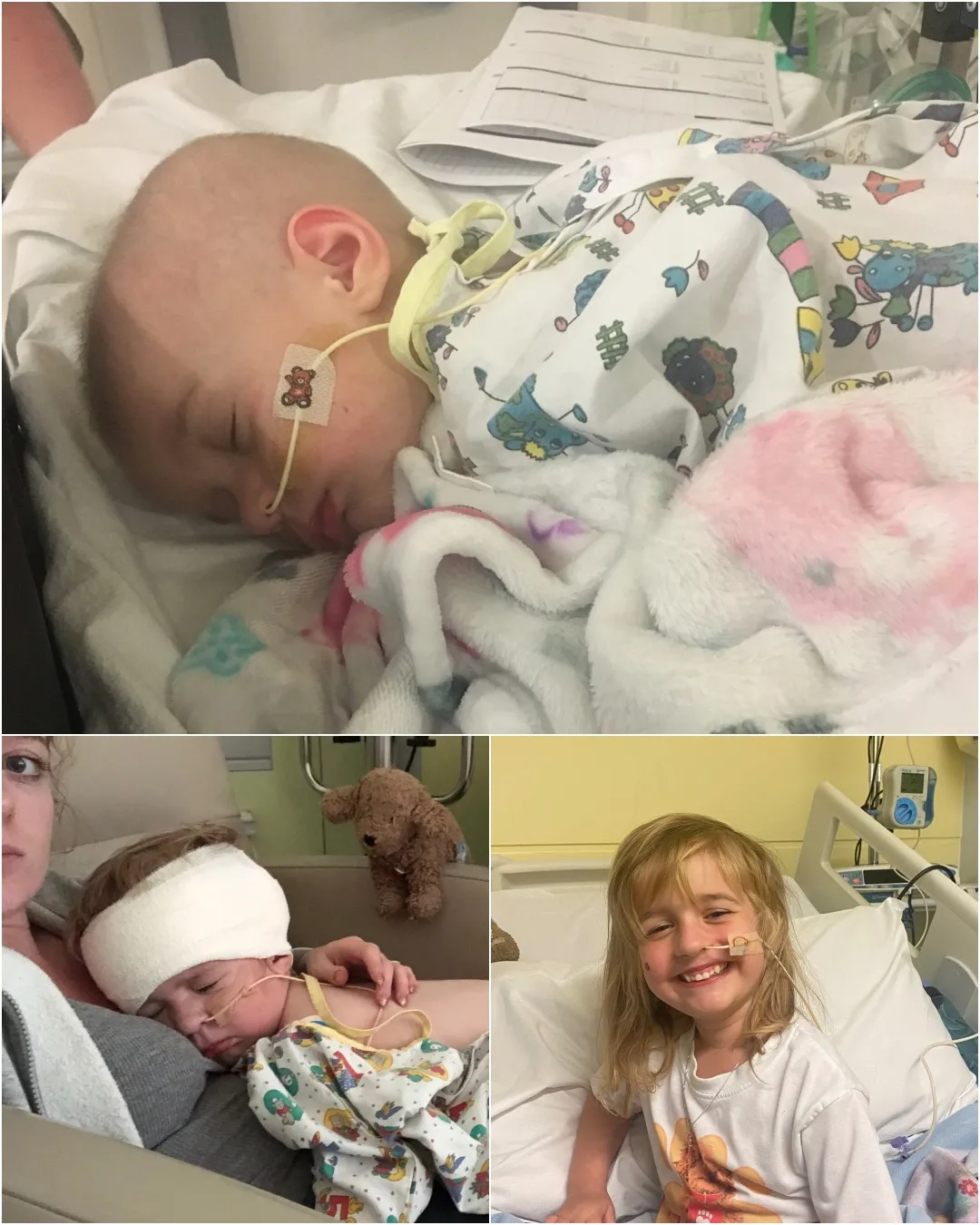
At just one year old, Lily-May’s life took an unexpected turn. What should have been a time of playful exploration and joyful milestones became the beginning of a journey none of her family could have imagined. She was diagnosed with an optic pathway glioma, a rare type of brain tumour that affects the nerves connecting the eyes to the brain. From that moment on, the family’s world revolved around hospitals, scans, and treatments, all while trying to maintain a sense of normal childhood for their little girl.
The first few years were particularly challenging. Over the next four years, Lily-May underwent multiple surgeries to remove or reduce the tumour. Each procedure brought its own risks and recovery periods, and each time, her parents held their breath, hoping for the best. Alongside the surgeries, she endured four years of chemotherapy. The medications weakened her body, causing fatigue, nausea, and frequent visits to the hospital. Despite these challenges, Lily-May’s spirit remained unbreakable.

Physical consequences were inevitable. The tumour caused blindness in her left eye and limited vision in her right. Simple tasks like reading, playing, or navigating spaces required adaptations and patience. Yet, Lily-May never allowed her condition to define who she was. Her determination and courage shone through even in the most difficult moments.
Her personality and interests flourished despite the illness. She discovered a love for golf, delighting in the focus and precision the game required. Gymnastics became another outlet, allowing her to move her body, build strength, and experience a sense of achievement. Beyond sports, Lily-May nurtured her imagination, dreaming of becoming a wildlife vet when she grows up—a dream that kept her eyes on the future, despite the uncertainties surrounding her health.

Hospital stays, tests, and treatments became a familiar rhythm for the family, a constant backdrop to the highs and lows of Lily-May’s early childhood. Each scan, each procedure, each hospital visit carried with it a mixture of fear and hope. Every small milestone—whether a successful test, a day without symptoms, or a smile amidst the pain—was celebrated as a victory. Through it all, Lily-May demonstrated resilience that inspired everyone around her.
Even when the tumour grew again in 2024, Lily-May’s courage remained unwavering. Her family faced the terrifying prospect of more treatments and the uncertainty of what the future held, but Lily-May continued to show them what true strength looked like. She adapted to new challenges with grace, met setbacks with determination, and approached life with an energy and optimism that belied her years. Her ability to find joy in everyday moments—laughing, playing, and dreaming—reminded her family that she was more than her diagnosis.

Throughout this difficult journey, the support from Lennox Children’s Cancer Fund has been invaluable. The organization provided emotional support, respite breaks, and even Christmas gifts, helping Lily-May’s family navigate some of the toughest times. “Lennox has been there when we needed them most,” Lily-May’s mum shares. “They’ve given us hope and moments of happiness in our toughest times.” Their support allowed the family to focus on Lily-May’s care and well-being while also creating memories and moments of normalcy amid the medical challenges.
Lily-May’s story is a testament to the resilience of children facing life-altering illnesses and the crucial role of support networks for families navigating these challenges. It illustrates that while medical treatments are essential, emotional support, encouragement, and moments of joy are equally vital. For Lily-May, every smile, every game of golf, every gymnastics session, and every day spent pursuing her dreams represents a triumph over adversity.

Looking to the future, Lily-May continues to inspire those around her. Her courage in facing repeated treatments, surgeries, and medical uncertainties has left an indelible mark on her family, her care team, and everyone who hears her story. While the journey remains ongoing, her determination, joy, and dreams for the future are constant reminders that hope and strength can prevail, even in the face of repeated challenges.
To continue supporting children like Lily-May and their families, donations and involvement with organizations like Lennox Children’s Cancer Fund make a real difference. Each contribution helps provide respite, emotional guidance, and moments of happiness that lighten the burden on families facing unimaginable challenges. Through collective support, children like Lily-May can continue to live, grow, and thrive, showing the world that even amidst adversity, the human spirit can shine brightly.
Lily-May’s journey reminds us that childhood is about more than health or illness—it is about curiosity, play, dreams, and resilience. It is about finding strength in the small joys of everyday life and refusing to be defined by obstacles. Despite her diagnosis, Lily-May embodies all of these qualities, proving that courage, determination, and hope can triumph even when the road is long and difficult. Her story continues to inspire, teaching everyone around her the meaning of true bravery and the power of unwavering love and support.