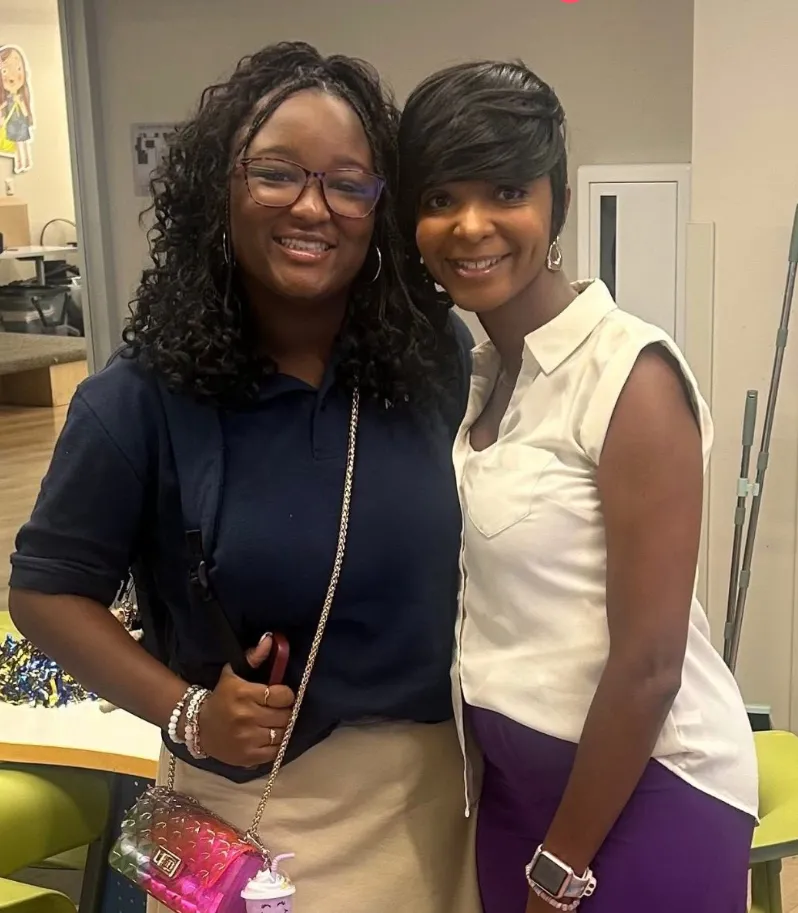
Remembering Two Young Souls Taken in a Cruel and Senseless Act 3621c

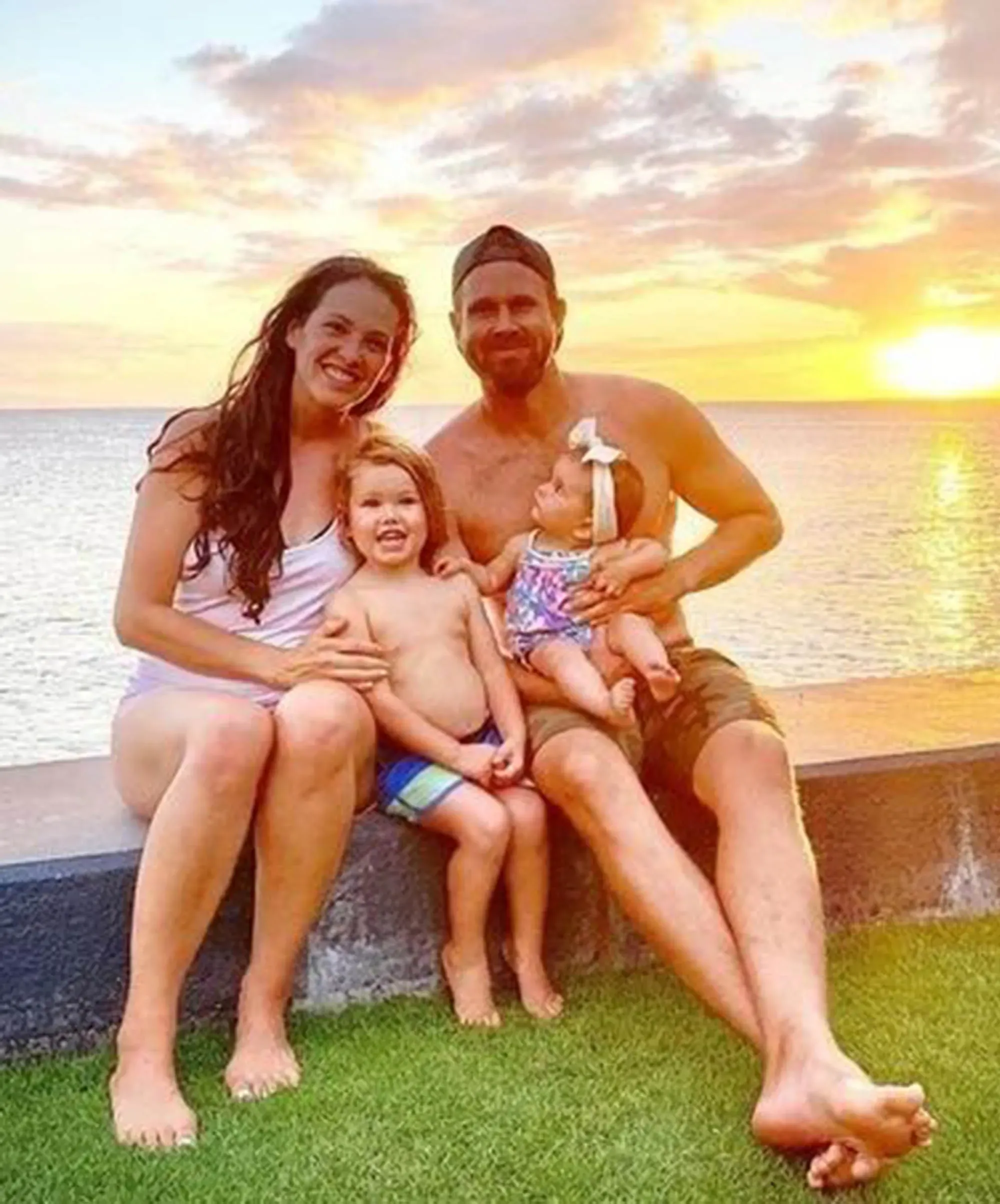
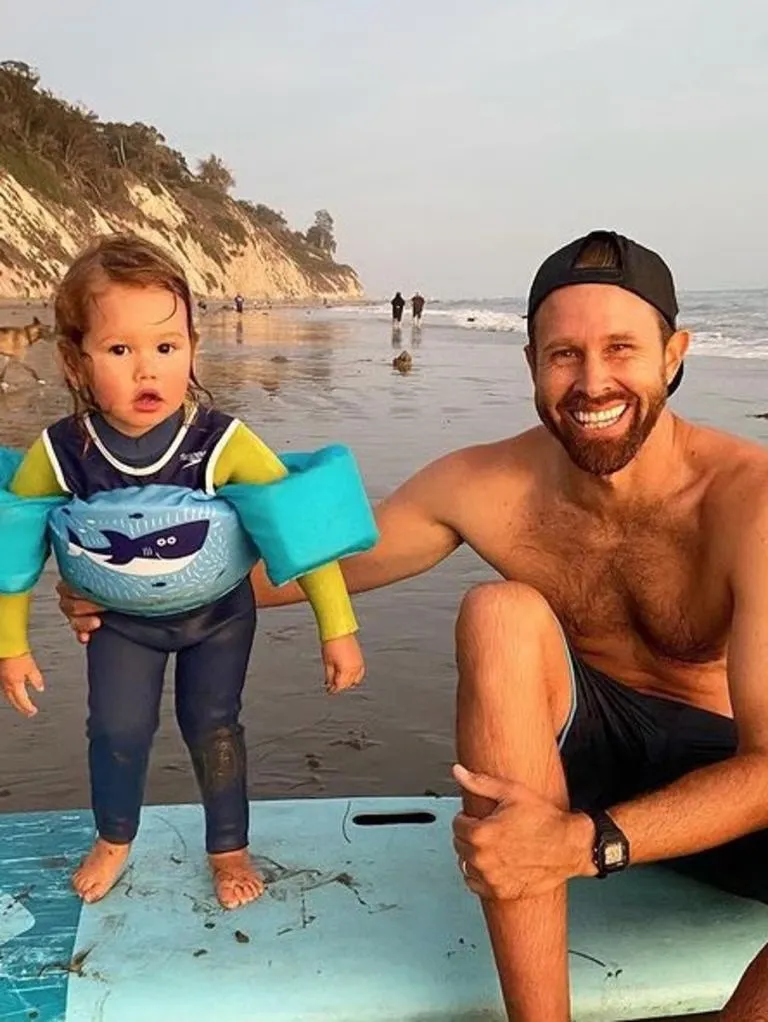
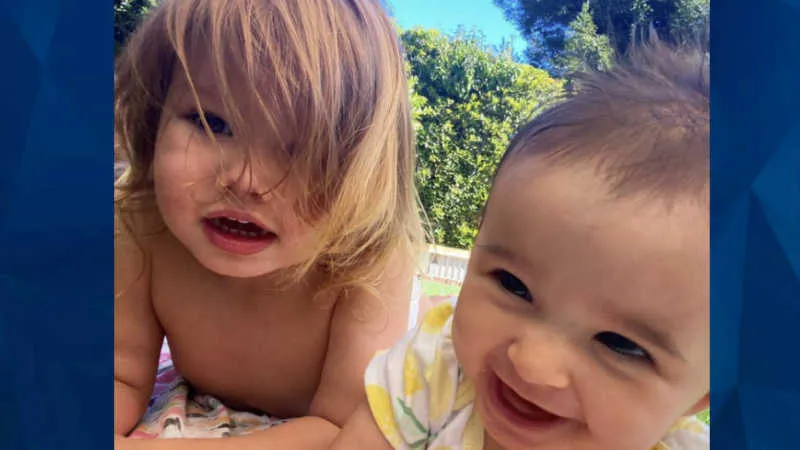
Kaleo Coleman was just three years old, and his baby sister, Roxy, only eleven months.
They were children full of life, curiosity, and laughter, entirely dependent on the love and care of their parents.
But in a horrifying twist, their lives were violently cut short by the very person entrusted to protect them.
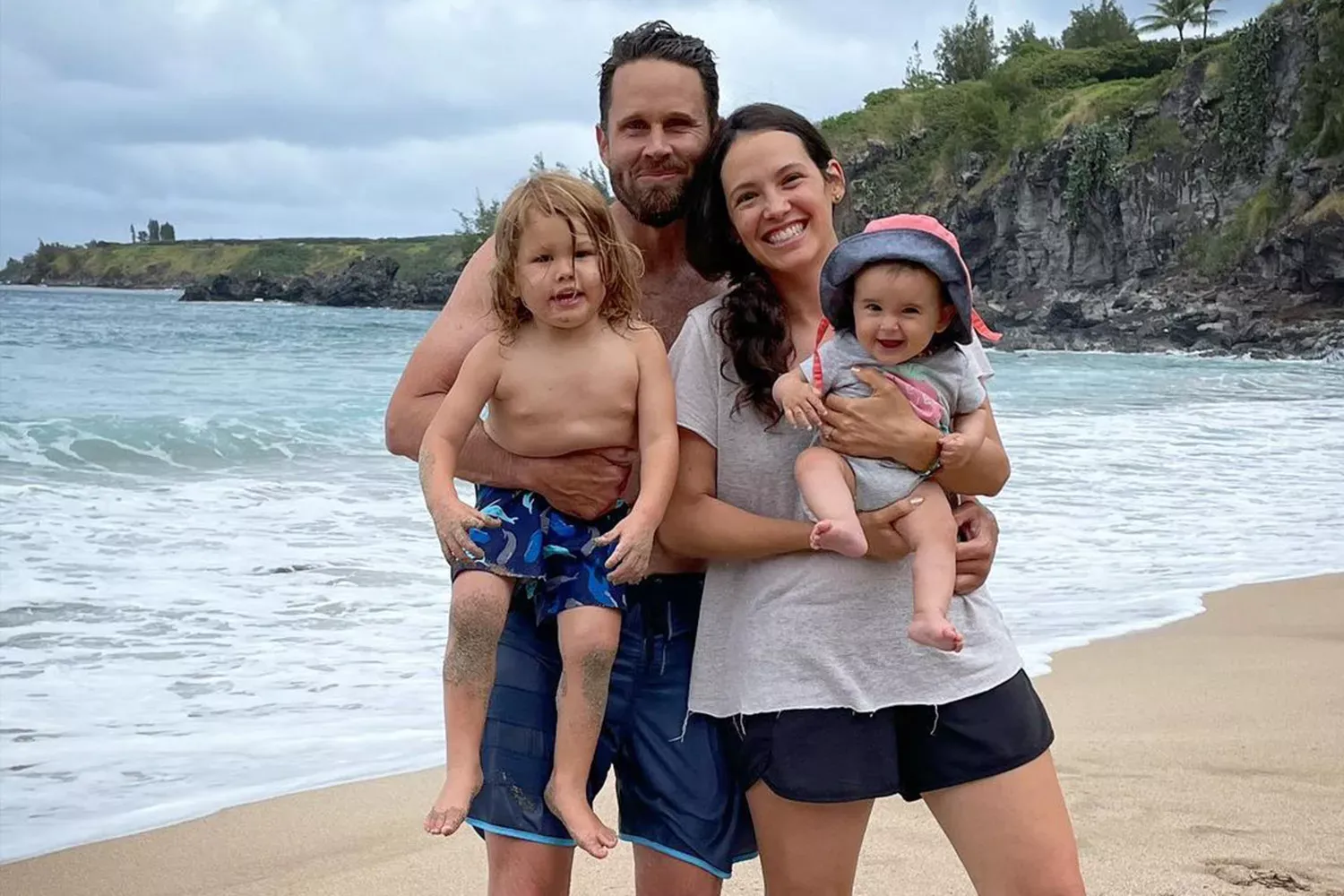
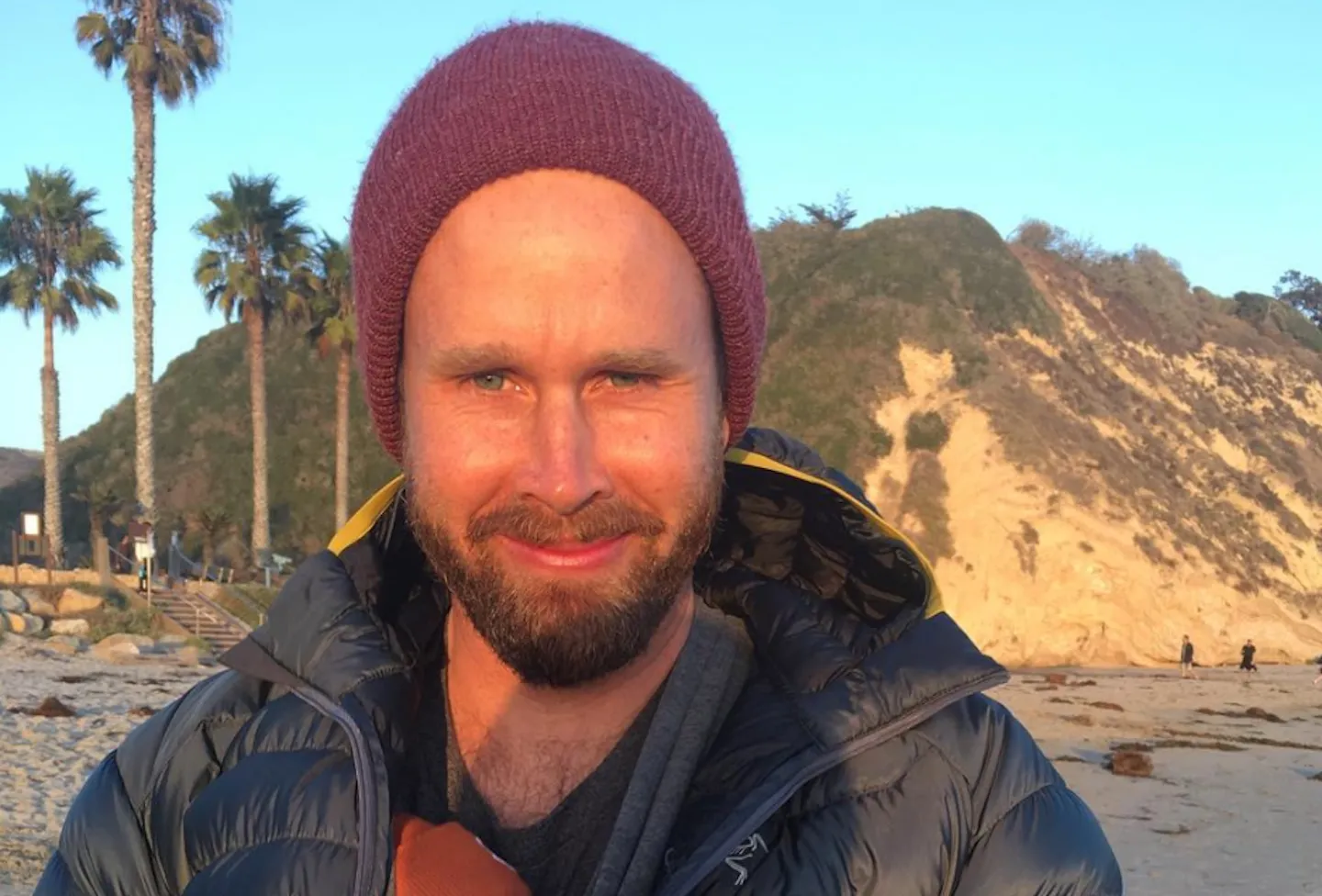
Their father, Matthew Taylor Coleman, a man who ran a surfing school and followed extreme conspiracy beliefs, believed his children were becoming monsters.
This belief led him down a path of unimaginable horror.
Authorities later revealed that Coleman had taken his young children to Mexico, crossing the border with them, and checked into a hotel.
The following day, concern turned into terror when the children’s mother, Abby, reported them missing, unaware of the grim fate that had befallen them.
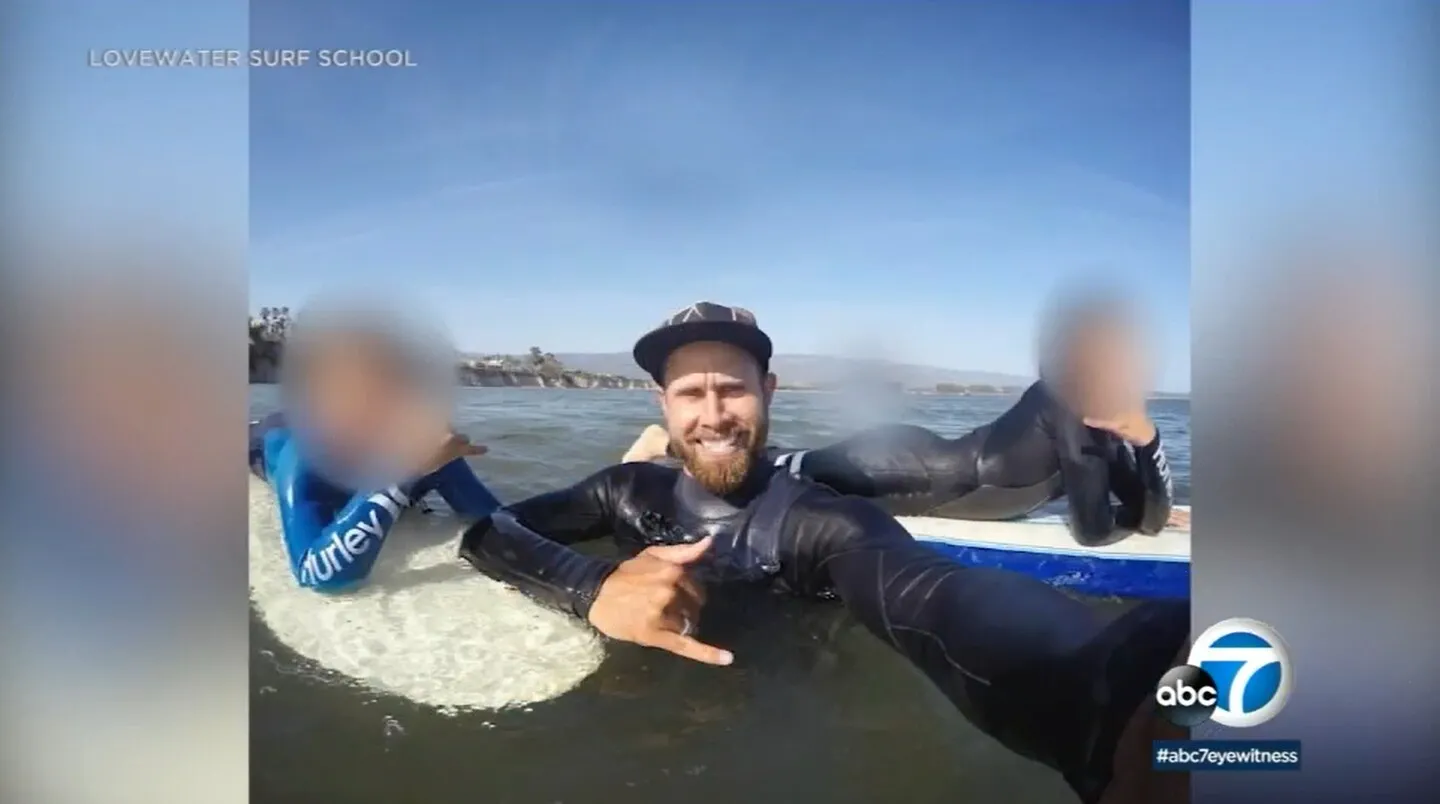
It was a farmworker who first discovered the bodies, hidden in the brush of a remote ranch in Baja California.
He noticed blood on the ground, and his dogs led him to the tragic sight of two young lives ended far too soon.
The violence inflicted was shocking.
Roxy, the baby girl, had been stabbed twelve times, and Kaleo, the three-year-old boy, seventeen times.
A blood-stained wooden stake lay near them, a silent witness to the brutality that had unfolded.
Investigators pieced together a timeline.
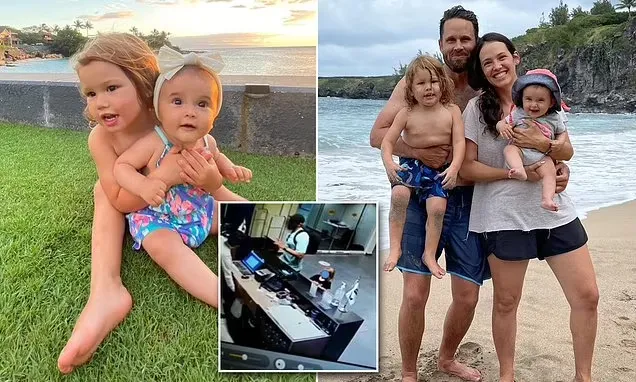
Coleman had traveled with his children on Saturday, checked into a hotel, and was last seen returning to the hotel hours after the murder.
Court documents revealed that he had carried out the killings on Monday morning, believing it was necessary to prevent his children from “becoming monsters.”
He later confessed to the FBI that he used a spearfishing gun on their chests, a detail that made the tragedy even more incomprehensible.
The children’s mother, Abby, struggled to understand how someone who shared a home and a life with her could commit such atrocities.
Coleman’s beliefs, rooted in conspiracy theories about “serpent DNA” and apocalyptic visions, had overridden all reason and humanity.
In the days following the murders, Coleman was arrested while attempting to cross back into the United States.
Authorities described him as incoherent in jail, unable to assist in his defense, and exhibiting repeated acts of self-harm.
The judge overseeing the case, Cathy Ann Bencivengo, was firm about proceeding without further delays despite the chaos surrounding Coleman’s mental state.
Behind bars, Coleman’s rambling words and erratic behavior underscored the depth of his disturbed mind, yet this did nothing to bring back the children whose laughter had been silenced forever.
Friends and family of Kaleo and Roxy were left with an unbearable emptiness.
They mourned not only the lives of the children but the innocence and potential stolen in a single, senseless act.
Every toy, every small piece of clothing, every memory of bedtime stories and laughter became a haunting reminder of what had been lost.
The community struggled to comprehend the horror, grappling with the reality that such violence could come from within a family.
Authorities emphasized that Coleman had meticulously planned the murders, driving to a remote ranch, executing his plan, and returning without hesitation.
Abby, the children’s mother, faced the incomprehensible reality that the person she had trusted completely had taken the lives of her children.
The case became emblematic of the dangers of extreme beliefs and how they can distort reality, even to the point of unthinkable violence.
Mental health experts later highlighted Coleman’s instability, noting that his incoherence and violent tendencies behind bars reflected a mind consumed by conspiracy and delusion.
But for those who loved Kaleo and Roxy, these explanations could not ease the grief or restore the lives lost.
The young boy and his baby sister will never grow up, never play under the sun, never experience the warmth of a mother’s embrace, or the simple joy of a family’s love.
Every moment they were denied became a weight on the hearts of their loved ones.
Neighbors, friends, and even strangers expressed sorrow and disbelief, struggling to reconcile the idea that such young lives could be snuffed out so cruelly.
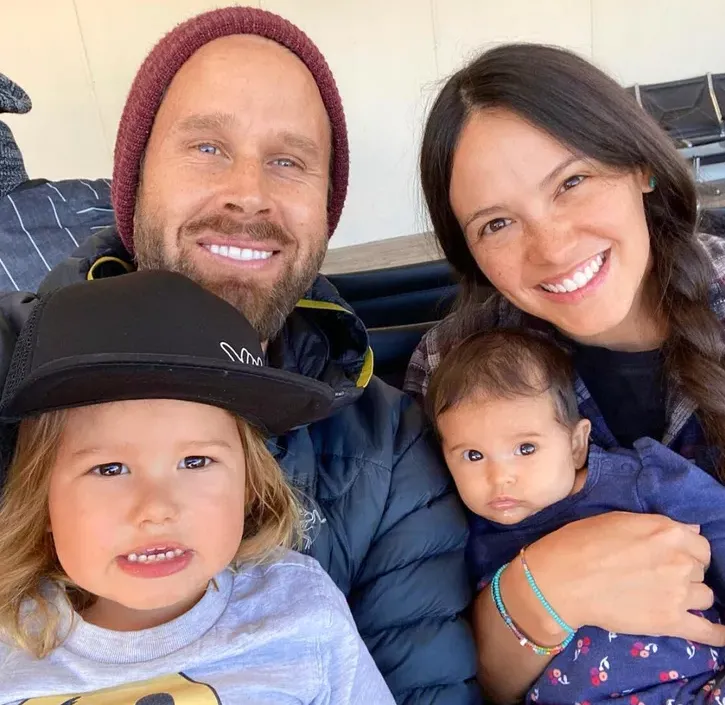
The children’s story also served as a warning about the insidious power of extreme ideology, the way it can warp perceptions and destroy the innocent.
Yet amid the grief, families and communities gathered to honor Kaleo and Roxy, remembering the light they had brought into the world, however brief.
Candles were lit, flowers laid, and prayers whispered for the children whose lives were ended far too soon.
Each act of remembrance became a testament to their brief presence, a refusal to let their memory fade.
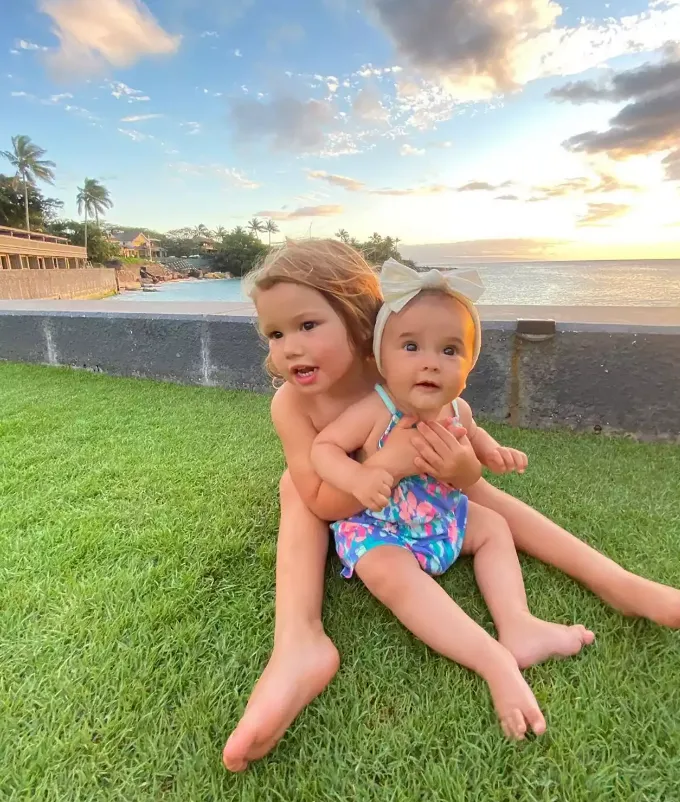
Even now, questions linger.
How could a loving father, a parent entrusted with care, believe that violence was the answer?
How could such innocence be lost to a world that should have protected it?
The story of Kaleo and Roxy is one of tragedy beyond words, a haunting reminder of the fragility of life and the dangers of delusion.
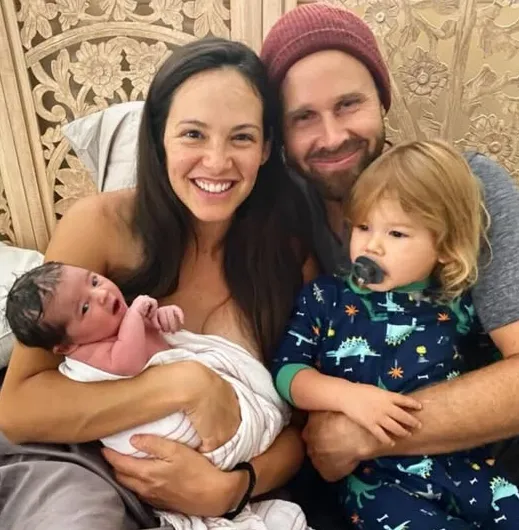
And though justice may eventually be pursued, the emptiness left by their loss is immeasurable.
Their laughter, their first words, the milestones they will never reach, echo in the hearts of those who loved them.
No punishment can restore what was taken, no trial can fill the void of two lives erased.
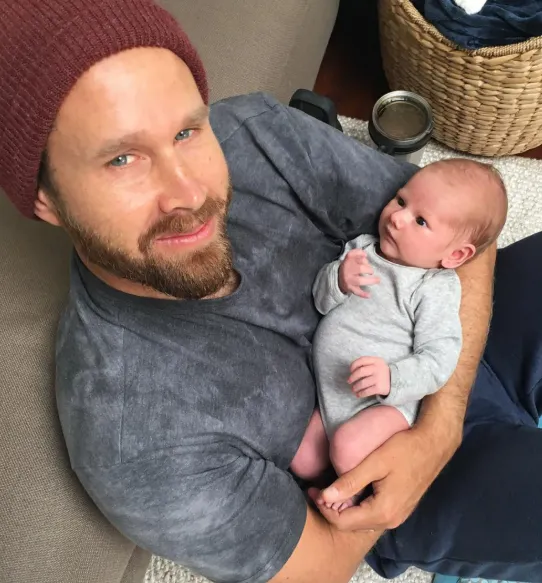
Yet their memory endures, a solemn reminder of love interrupted and innocence destroyed.
For those who hear their story, it is impossible not to feel the ache, the sorrow, and the enduring heartbreak that follows such a senseless act.
The full truth of that day, the thoughts that led Coleman to commit the unthinkable, and the lasting impact on the family are still being uncovered…
Krystalyn Boman: A Journey of Strength, Hope, and Resilience 2873c
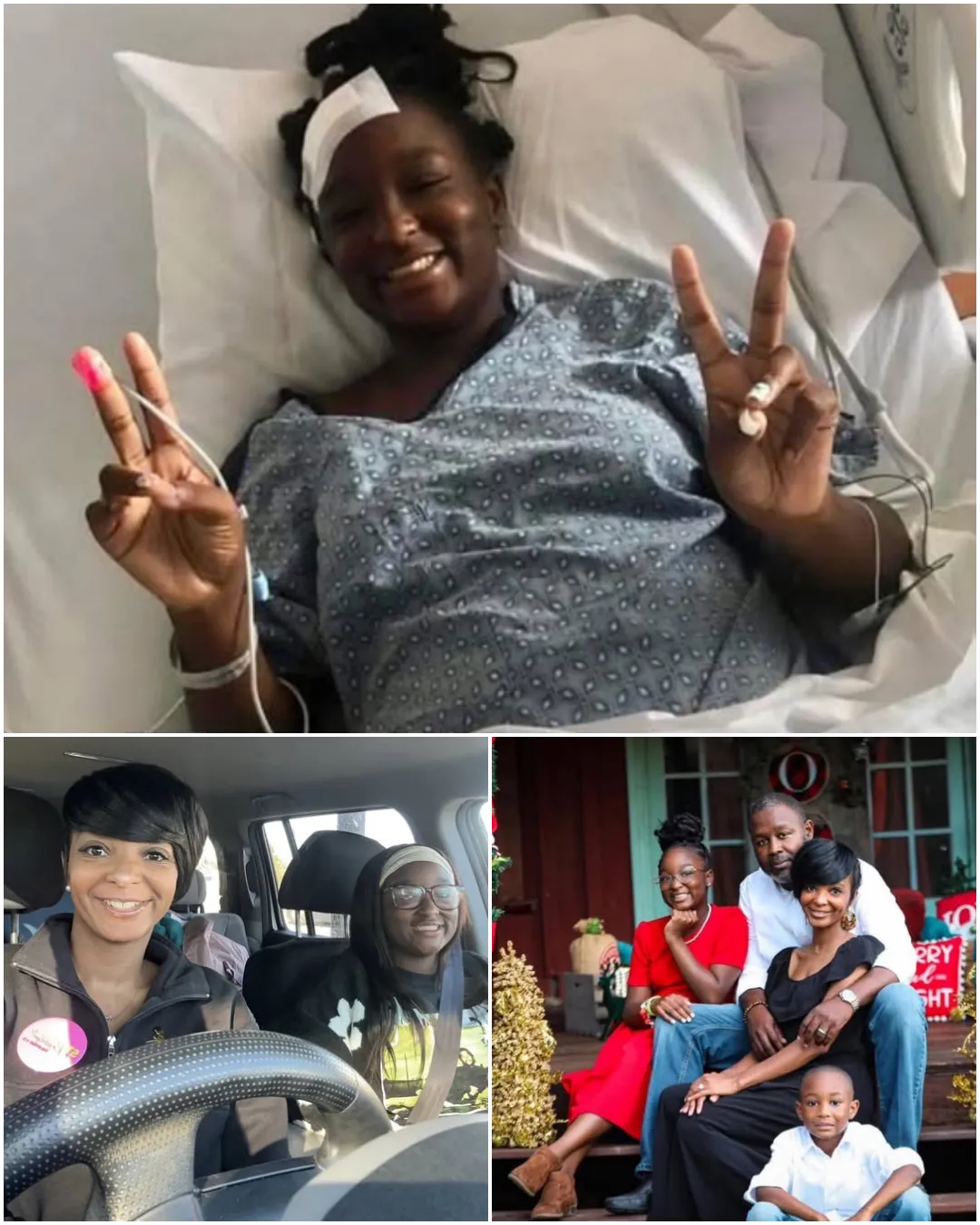
Yesterday, another road trip to Memphis awaited Krystalyn Boman, a 13-year-old from Calera, AL. It was a routine trip in many ways, but for Krystalyn and her family, it’s a trip filled with both anticipation and anxiety. The destination: St. Jude Children’s Research Hospital, where Krystalyn would undergo another long day of tests and scans. The goal? To find out if any of her cancer has returned.

It’s been a long, challenging journey for Krystalyn, but also one filled with remarkable strength. Six years ago, when she was just seven years old, Krystalyn was diagnosed with a tumor in the front portion of her brain. The diagnosis was clear, but it came with a terrifying uncertainty. Doctors informed the Boman family that Krystalyn had Ganglioglioma, a rare and slow-growing tumor. At the time, no one knew how it would affect her future, but one thing was certain—Krystalyn was a fighter.

Over the past six years, Krystalyn has been through more than any child should have to endure, yet she has met every challenge with incredible courage and resilience. She’s not only fought through her illness but has also thrived despite the overwhelming obstacles that come with cancer treatment. She’s an 8th grader at i3 Academy Charter School, balancing her education with the daily grind of chemotherapy.

Each weekday, Krystalyn faces chemotherapy before and after school. This routine, which has become a part of her life, is not easy. The chemo treatments are intense, and while they work to fight the cancer, they also come with their own set of struggles. Some of Krystalyn’s hair has started to fall out, a side effect of the treatments, but she continues to power through. Even with these challenges, Krystalyn has not allowed her illness to define her. She excels in school, she remains strong in spirit, and she carries on with the love and support of her family.

As she approaches another round of scans, Krystalyn’s hope is that the results will be clear—that her cancer has not returned. It’s a hope she holds tightly to, but the journey has not been without heartbreak.
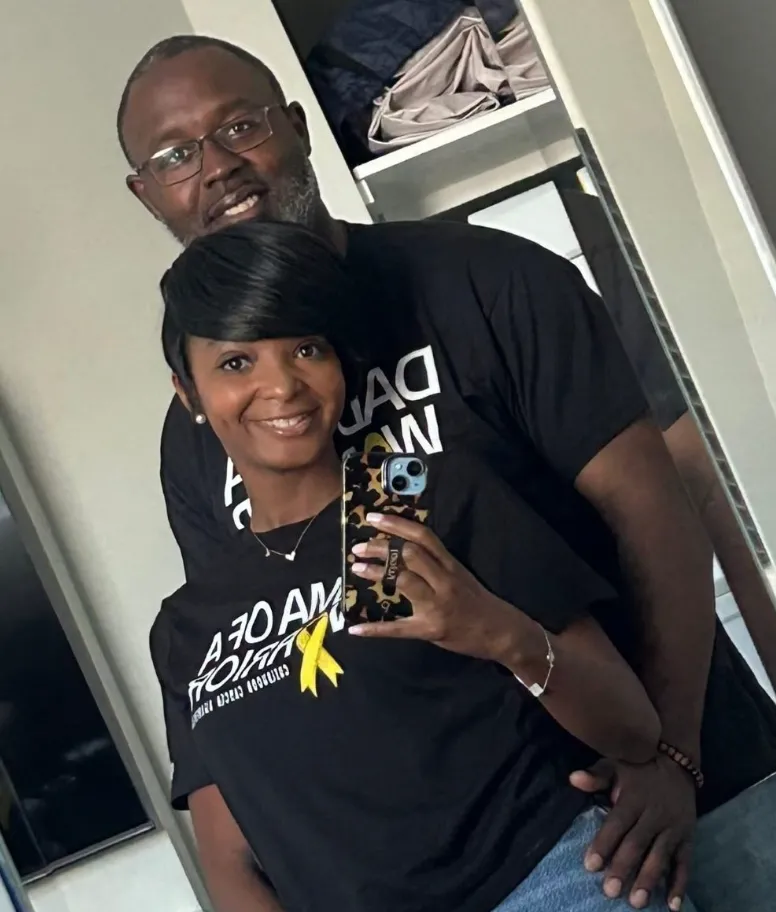
Over the past few months, Krystalyn has lost a few friends she met during her time at St. Jude. The harsh reality of childhood cancer is something no one, especially a young child, should have to face. But Krystalyn remains brave, finding strength in the memories of her friends and in the knowledge that she is not alone.

It’s understandable for a 13-year-old to feel nervous before such important scans. The fear of the unknown is real. Krystalyn knows that the battle is far from over, and the uncertainty of whether her cancer has returned is ever-present. But despite the anxiety, she faces this challenge with a quiet strength that continues to inspire those around her.
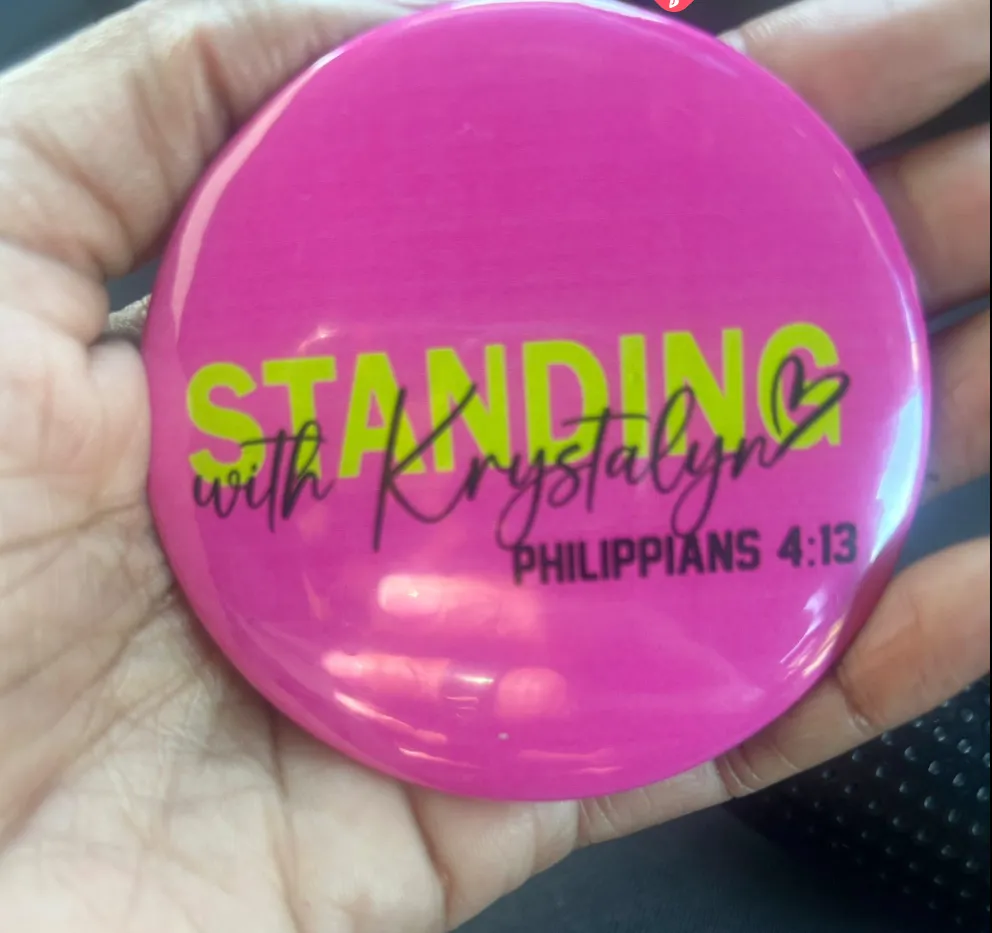
Now, more than ever, Krystalyn needs the support of her community. It’s easy to feel isolated during such a long and difficult journey, but the Boman family has always been surrounded by an incredible network of friends, family, and well-wishers who continue to lift them up.
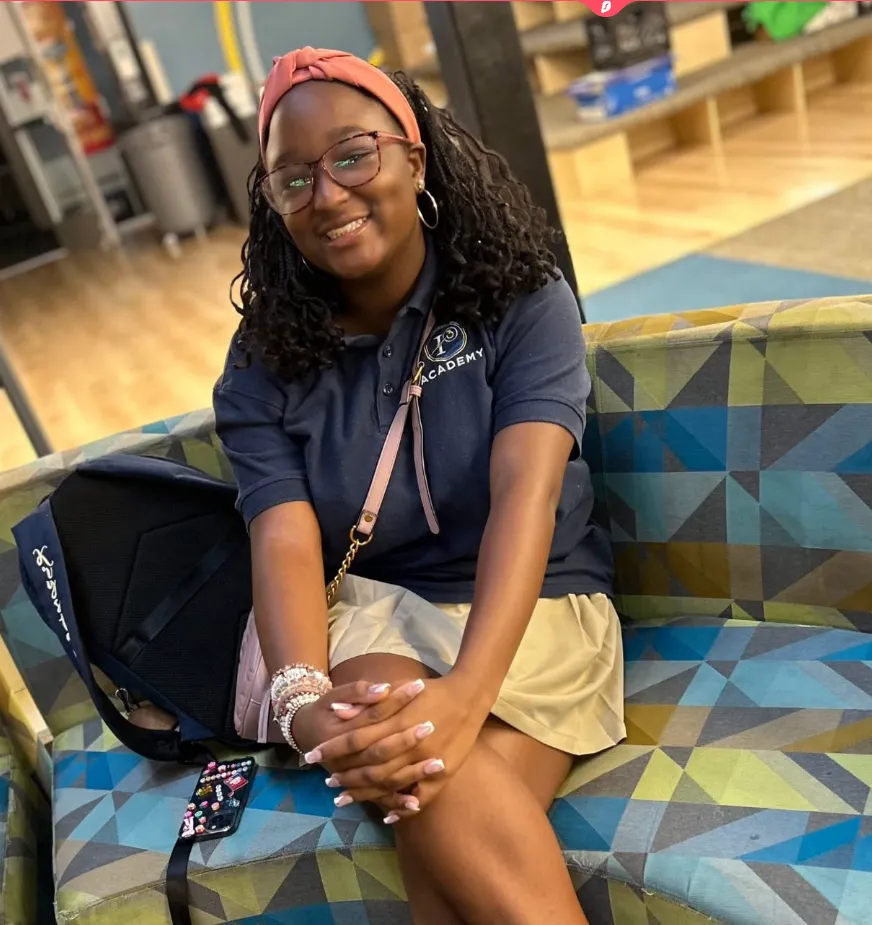
And as Krystalyn faces another round of tests and scans, it’s a reminder that love and support are powerful forces in the fight against cancer.
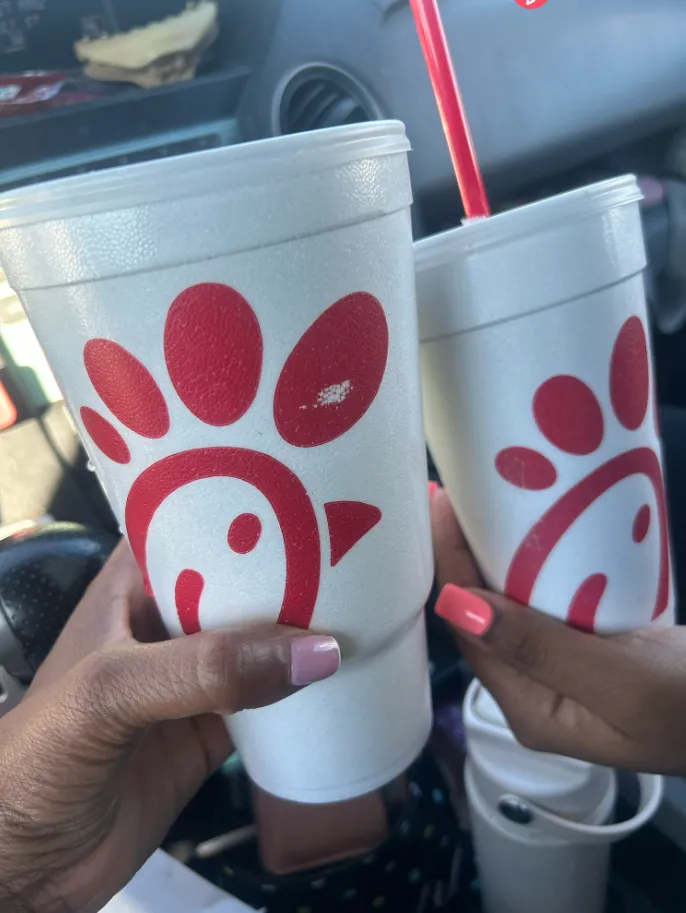
This is where we can all make a difference. Krystalyn’s journey has been long and challenging, but she is not alone. By coming together, we can help put Krystalyn’s mind at ease, showing her that she has the support of a whole community behind her. Our prayers, our thoughts, and our words of encouragement can help her face this difficult moment with strength and courage.
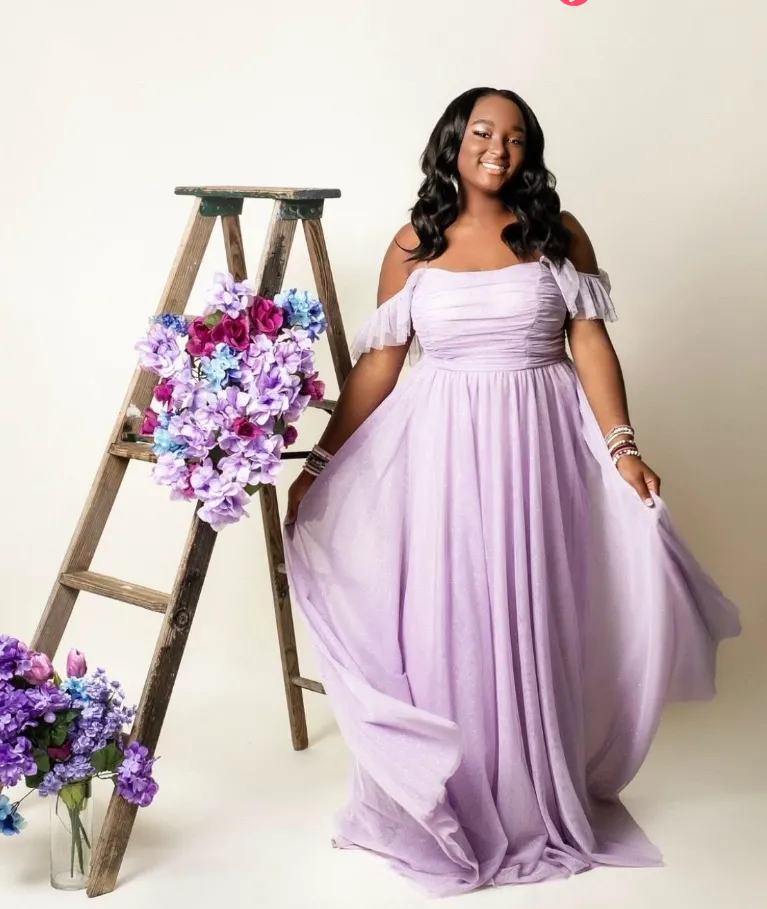
Let’s come together and send Krystalyn, her brother Keegan, and her parents Ty and Krystal an outpouring of love. Let’s wish them well, sending our prayers and positive thoughts as they continue this journey together. Krystalyn’s bravery has already inspired so many, and now, we can be part of that inspiration by showing our support in this crucial moment.
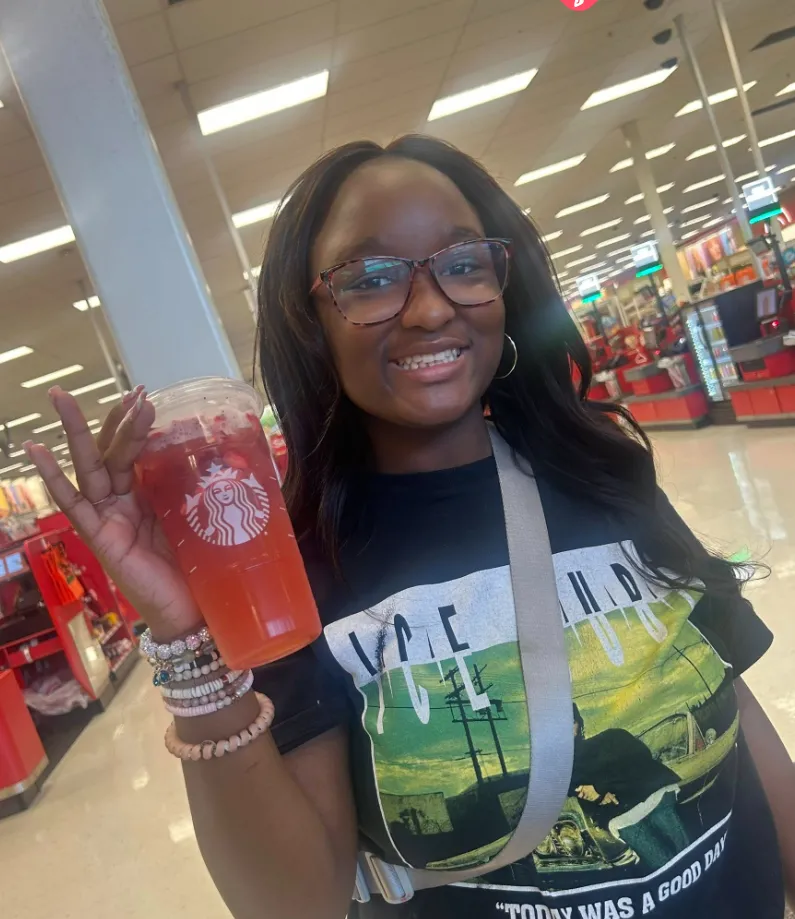
As Krystalyn prepares for the results of her scans, she’s holding on to hope. And we, too, hold that hope with her. The road ahead may still be uncertain, but with each scan, with each prayer, and with each word of encouragement, Krystalyn continues to prove that she is stronger than any obstacle cancer throws her way.
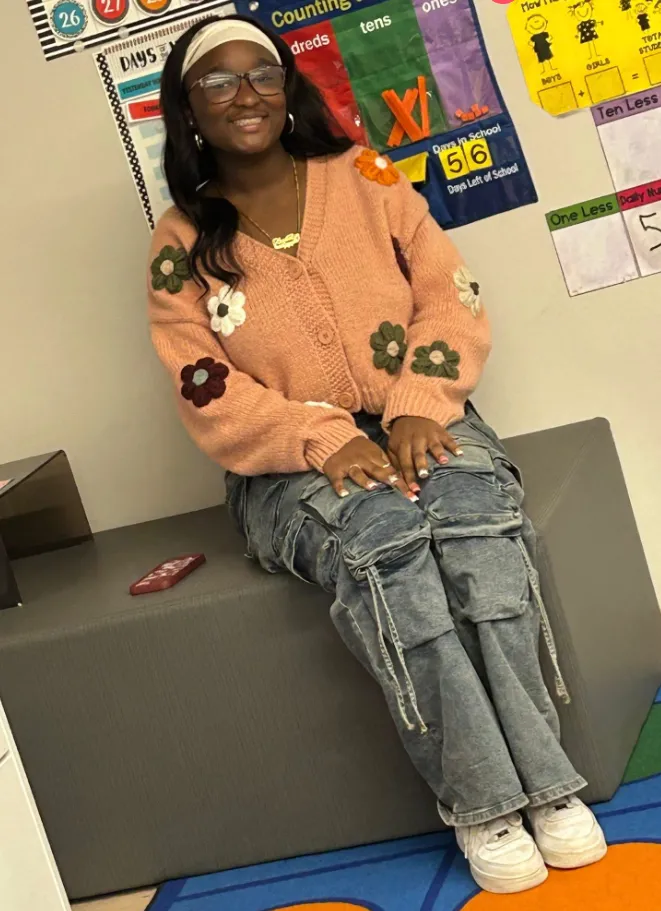
Together, we can help Krystalyn feel the strength of our support, reminding her that she is never alone in this fight. From the Boman family to all of us, we share in the hope that Krystalyn’s scans will be clear and that she will continue to thrive, living a life full of promise and possibility.
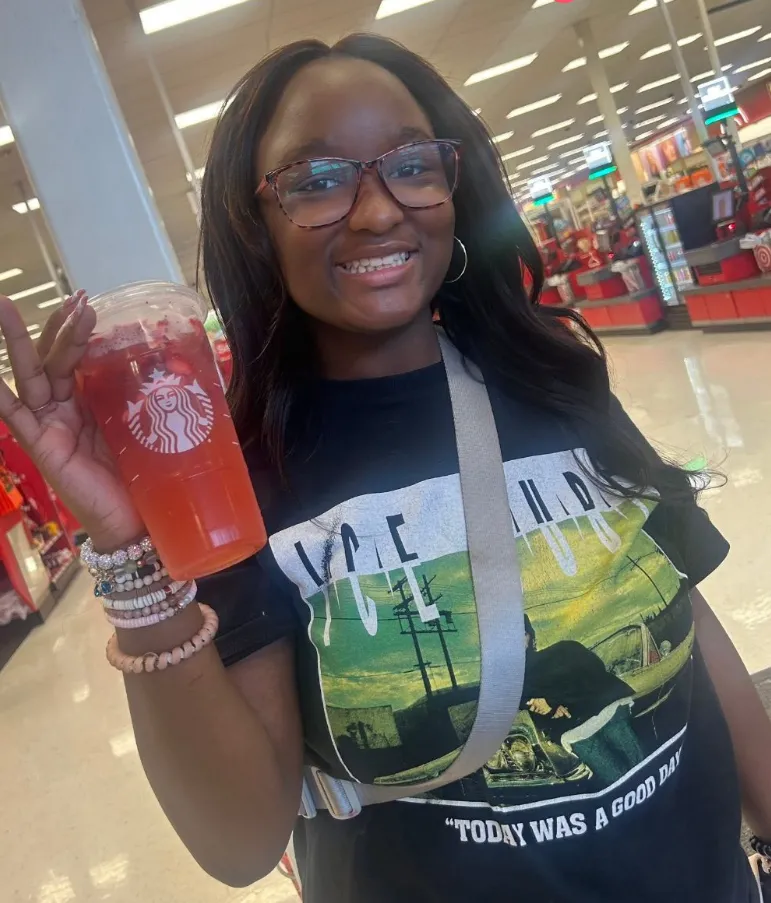
Join us in sending Krystalyn your prayers and well wishes. Let’s give her the strength she needs to keep fighting and to continue being the incredible inspiration that she is.