Road Rage Tragedy: Father and 8-Year-Old Daughter Shot Dead in Front of Their Family.

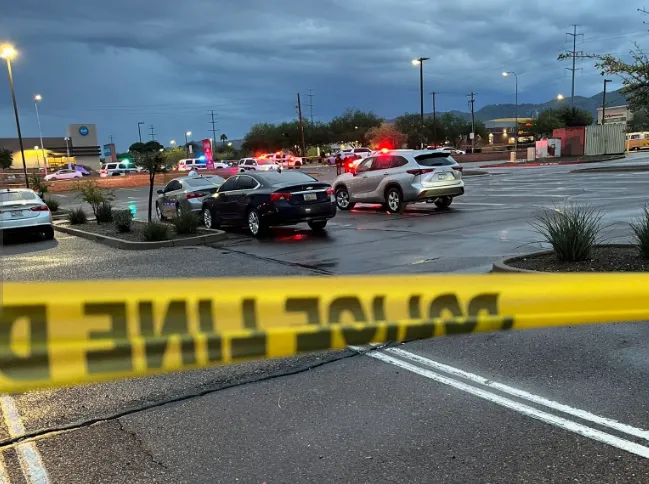
On the afternoon of November 22, in what should have been an ordinary moment at a busy Phoenix intersection, a single act of rage shattered a family forever.
It happened quickly.
It happened violently.
And it happened in front of three little girls who should have been safe in the back seat of their father’s car — laughing, arguing about snacks, or singing along to the radio the way children do when life still feels simple.
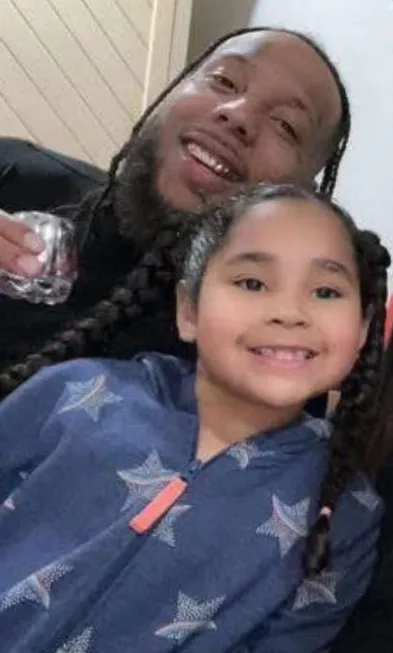
But for 8-year-old Envy Cardenas and her father, 29-year-old Quincy Polk, that moment became their last.
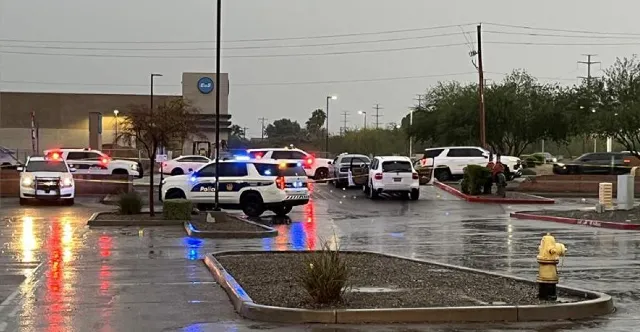
The story of what unfolded in that parking lot — a senseless road-rage encounter that spiraled into deadly violence — is the kind of tragedy that leaves a community breathless, a family broken, and a grandmother preparing for two funerals when she should be preparing for Christmas.
It is a story of love, loss, and the unbearable cost of anger.
And it began with something as small as tailgating.
A Day That Should Have Been Ordinary
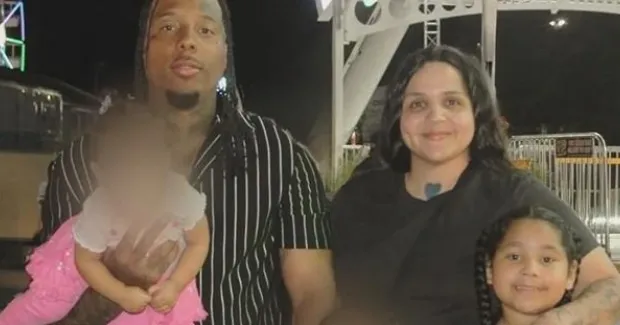
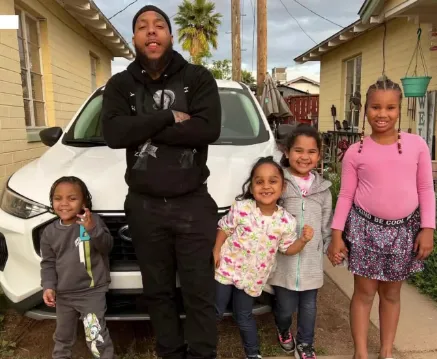
Quincy Polk was driving with his fiancé, Alexis Cardenas, and their three young daughters.
They were planning an afternoon together, the sort of everyday family time that often becomes the memories children carry into adulthood.
For Quincy, family meant everything.
He worked hard.
He smiled easily.
And every photo of him with his girls showed the same expression — a man overflowing with pride.
But on this day, another car — driven by 30-year-old Tyrone Dee Chilly — began following too closely.
A small act of impatience.
A moment of aggression.
Something that could have ended with a deep breath, a slowed car, or a simple decision to move on.
Instead, it escalated.
Witnesses later told police that an argument broke out between the two men.
Words became shouts.
Shouts became a fight.
Alexis, desperate to protect her fiancé, tried to pull him away, urging him to return to the car where their children sat waiting.
By the time they climbed back inside, the worst had already been set in motion.
The Seconds That Changed Everything
According to court records, Tyrone Chilly walked back to his own vehicle, reached inside, and grabbed a gun.
Witnesses said he shouted a threat.
Then he opened fire on the Polks’ car.
The bullets pierced metal, glass, and then flesh.
Quincy was struck.
His body collapsed inside the driver’s seat — the place where he had always felt responsible for keeping everyone safe.
Eight-year-old Envy, sitting in the back seat where childhood should have protected her, was hit as well.
Alexis was shot multiple times as she turned to shield her daughters.
Their five-year-old was struck in the leg.
The youngest child, miraculously, was physically unharmed but left screaming in terror.
In a matter of seconds, a family of five became a portrait of devastation.
A Mother’s Terror, A Community’s Heartbreak
When the gunfire stopped, Alexis did what every mother would do — she fought to save her children.
Witnesses described her screams.
“My baby! My baby!”
Those cries pierced the air as she tried to pull Envy from her booster seat.
It was then — according to Tyrone Chilly’s own statement to police — that he realized there were children in the car at all.
But it was far too late.
The damage had been done.
The bullets had torn through bodies that once ran through splash pads and playgrounds.
Through a father who worked overtime to give his daughters everything he never had.
Through a little girl whose name — Envy — had always made people smile because she carried it with so much brightness.
A Grandmother’s Grief
As authorities secured the scene and ambulances rushed toward trauma centers, one woman heard the news that would redefine her life.
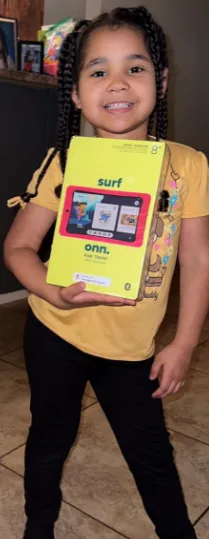
Her name is Joesra Martin — mother of Quincy, grandmother of Envy.
She arrived to find candles, flowers, and a growing crowd offering condolences.
But condolences do not fill the holes left behind.
“I feel like part of my life is gone,” she said.
Her voice trembled, but her pain didn’t.
“I don’t just have one funeral. I have two funerals I have to prepare for.”

It was a sentence no mother should ever speak.
A sentence no grandmother should ever live through.
Later, she said something even more heartbreaking:
“You already killed my son.
Then you shot the mom.
Then you shot my grandbaby.
Why would you shoot a baby?”
There is no answer that makes sense.
There is no explanation that restores a life.
There is only the silence left behind when violence takes what it wants.
Envy: A Child Remembered
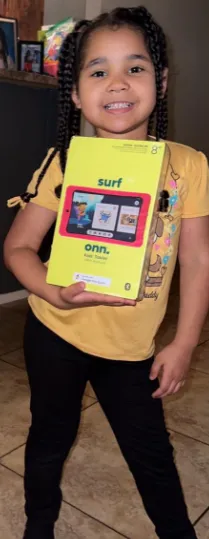
Envy was eight years old.
Eight.
An age when the world should be wide and bright and full of possibility.
She loved dancing.
She loved drawing pictures that she proudly taped to the fridge.
She had two little sisters who watched everything she did — the kind of big sister who patiently tied shoes, explained cartoons, and shared snacks even when she didn’t want to.
She had her whole life ahead of her.
A future that should have included birthday parties, sleepovers, and awkward middle school years.
A future that should have included watching her sisters grow up.
A future that should have included walking across a stage in a cap and gown.
But that future was stolen because anger won.
Because a gun was closer than self-control.
Because one man chose violence in front of children who deserved safety.
The Aftermath: Wounds Seen and Unseen
Alexis survived, but her injuries were severe.
Multiple gunshot wounds — each a reminder of the life she had tried so desperately to protect.
Her five-year-old, struck in the leg, is expected to recover physically, but the emotional scars will take far longer.
The youngest child will grow up with memories no child should carry — the image of her family screaming, bleeding, breaking apart right in front of her.
And Quincy and Envy are gone.
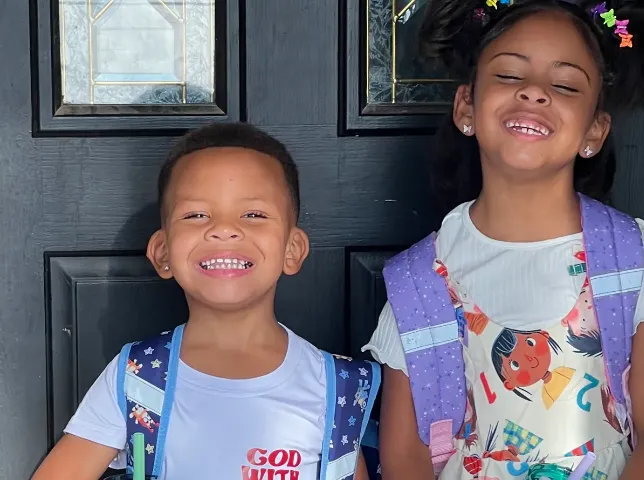
A father who loved fiercely.
A daughter who laughed loudly.
A bond broken by bullets.
The family now faces medical bills, funeral costs, and the unimaginable task of rebuilding a life without the two people who made it whole.
A GoFundMe has been set up — a lifeline in a sea of devastation, created by those who refuse to let this family suffer alone.
A Community Shaken by a Growing Trend
This tragedy is not isolated.
Road rage has become a deadly epidemic in Arizona.
Maricopa County Attorney Rachel Mitchell addressed the issue with urgency, saying:
“We have far too many people being killed.
If people are having anger problems, they need to leave their guns at home.”
Her message was clear:
Walk away.
Stay in your car.
Do not escalate.
Your pride is not worth someone’s life.
Your anger should never dictate the fate of a child.
A recent AAA survey revealed that 96% of drivers admit to aggressive driving behaviors.
That number is more than a statistic — it is a warning.
A warning that lives like Quincy and Envy’s are hanging in the balance every time a driver loses control.
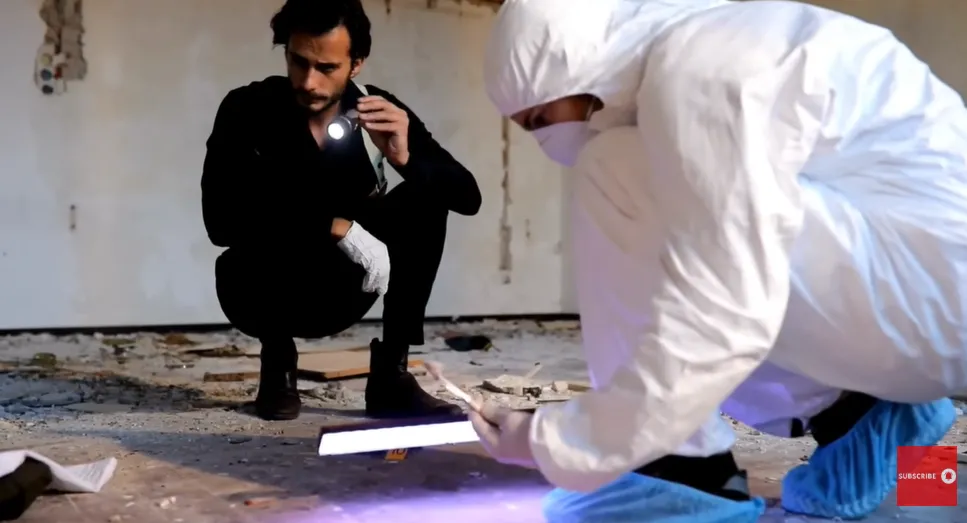
Two Funerals. One Family Forever Changed.
In the coming days, two caskets will lie side-by-side.
One small.
One adult-sized.
A father and daughter, reunited only in death.
A mother will sit in a wheelchair, bandaged, broken, and trying to understand how a single moment took away so much.
Three little girls will grow up without the man who sang to them, tickled them, and tucked them into bed.
Two will grow up without the sister who taught them how to be brave.
A grandmother will bury half her heart.
And a community will stand under the weight of a question that may never be answered:
Why did this have to happen at all?
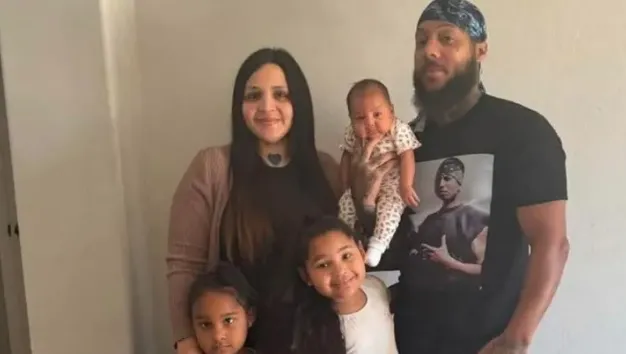
A Final Reflection
This story is not about cars.
It is not about lanes or turns or who was “right” in a moment of frustration.
It is about the fragility of life in a world where anger has become too easy and empathy too rare.
Quincy should be alive.
Envy should be alive.
Their family should be whole.
But instead, candles burn.
Teddy bears sit quietly beside photographs.
And a community prepares to bury two souls whose only mistake was crossing paths with the wrong person on the wrong day.
May their memories be a call to all of us —
to breathe,
to walk away,
and to refuse to let rage decide the value of a human life.
Young Woman’s Life Cut Short After Sudden, Vicious Attack by Three Dogs She Was Caring For.

Madison Riley Hull had always believed that kindness was something you gave freely.
Even as a child, she would run toward the frightened, the forgotten, and the fragile—strays on the street, lonely classmates, anxious younger cousins—offering them the softness she carried in her chest like a birthright.
Her mother, Jennifer, often said that Madison didn’t just enter a room.
She warmed it.
And for twenty-three years, that warmth never dimmed.
It glowed in her laughter.
It glowed in her dream of becoming a teacher.
It glowed in the way she treated every creature with gentle hands and a patient heart.

No one could have imagined that the very compassion she gave so freely would place her in the path of something unimaginably cruel.
No one imagined her last act of kindness—pet sitting dogs for a family—would become the moment her bright young life was taken.
Madison had been pet sitting before.
Friends trusted her.
Neighbors relied on her when they traveled.
She loved animals deeply, and everyone knew she had a calmness that even anxious dogs responded to.
So on November 21, when she agreed to look after three pit bulls at a home on Northwood Drive in Tyler, Texas, it felt like a simple favor.
A normal day.
A thing she had done many times before.
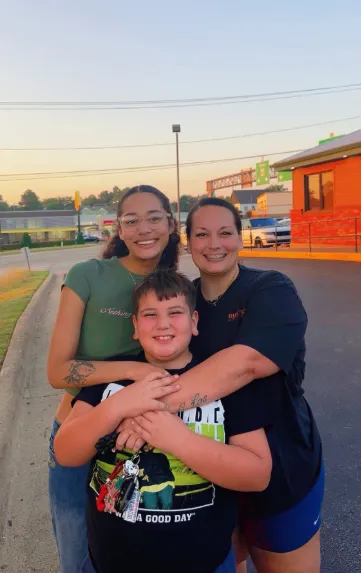
That afternoon, the sun lay warm across the backyard.
Madison had been sending texts to her mother earlier that day—nothing alarming, nothing unusual—just bits of her world, the small updates that daughters share with mothers who love them with their whole hearts.
She was months away from graduating with her degree in early childhood education.
Just six months.
Half a year from stepping into her own classroom—her own dream.
Her students adored her.
She could name each of the kindergarteners and third graders she had taught during her training: their favorite colors, their fears, the tiny triumphs that made them glow.
She held their stories carefully.
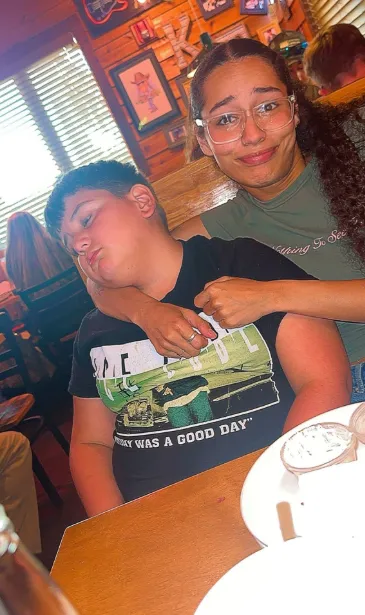
She always said she wanted children to feel safe when they were with her.
And she meant it.
At around 4:15 p.m., something shifted.
No one knows what the trigger was.
No one knows what noise, what movement, what instinct snapped inside the pack of dogs she had been caring for.
But suddenly, violently, they turned on her.
One moment, calm.
The next, chaos.
Three large dogs lunged at her with terrifying force.
It happened so fast, so brutally, that there was no time for her to defend herself.
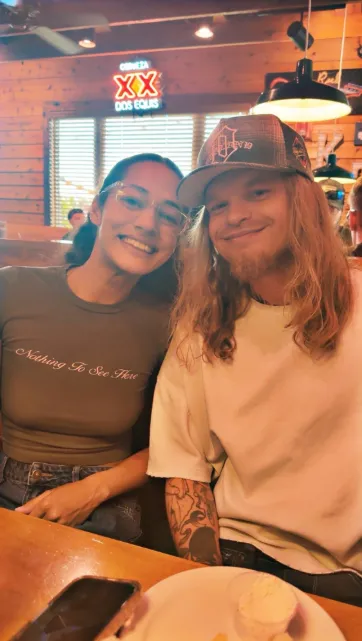
Neighbors later told police they heard screams, then frantic growls, then silence.
When officers arrived, Madison was lying on the ground in the backyard—hurt beyond what anyone could comprehend.
One officer stepped forward, desperate to reach her.
Before he could kneel beside her, one of the pit bulls charged straight at him.
Instinct, training, fear—everything collided in an instant.
He fired.
The gunshot cracked through the air, and the dog fell.
The sound startled the remaining two dogs, just enough for the officer to drag Madison’s battered body out of the yard.
He risked his life to save hers.
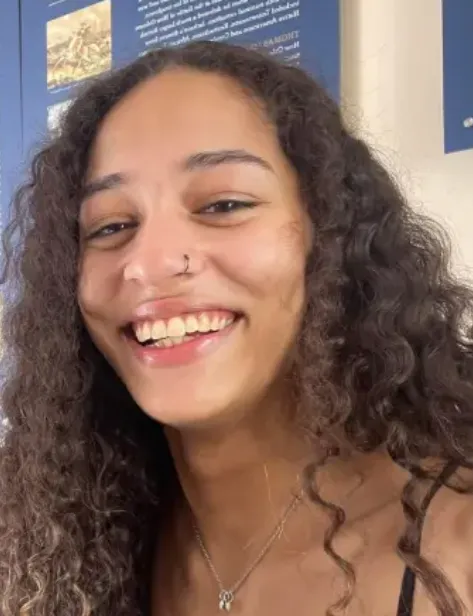
But even courage has limits against wounds that deep.
Within moments, Madison slipped away.
Her injuries—“attacking,” “biting,” “mauling,” the court documents later read—were simply too severe.
A life filled with gentleness had been ended by violence she never could have imagined.
When her mother, Jennifer Hubbell, received the call, she couldn’t understand the words.
Her mind stalled.
Froze.
Rejected the possibility that language could mean something so monstrous.
Later, when she sat down to write the announcement for the GoFundMe page to cover the funeral, she typed words she never thought her hands would have to form:
“My beautiful, full of love, full of life, free-spirited daughter was killed in a sudden and vicious dog attack.”

She wrote that she was shattered in a way she didn’t know a human being could break.
How does a mother learn to speak again after such loss?
How does she breathe?
How does she hold her own heart when the brightest part of it has been taken?
Madison’s friends say she had a laugh that felt like sunshine breaking through winter.
Her classmates say she made teacher training look effortless—because she truly loved children.
Her professors say she had a gift.
A rare one.
The kind you don’t teach.
The kind you don’t replace.
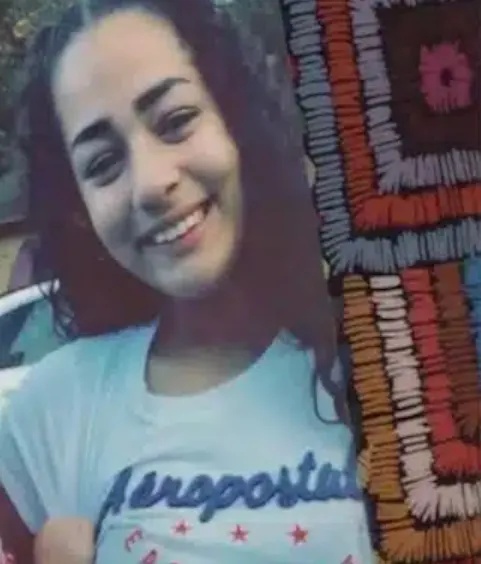
She made every child feel special, safe, seen.
She already had a list of things she wanted to do once she began teaching full-time: classroom reading corners, sensory stations, a kindness jar where students could write anonymous compliments to one another.
She wanted her students to grow up believing in themselves.
She wanted them to know that even on hard days, they were loved.
Her mother said Madison’s heart was made for that work.
And everyone who knew her agreed.
In the days after her passing, the home where the attack happened remained under investigation.
The two surviving dogs were ordered to be euthanized.
Their owners waived the right to a hearing.
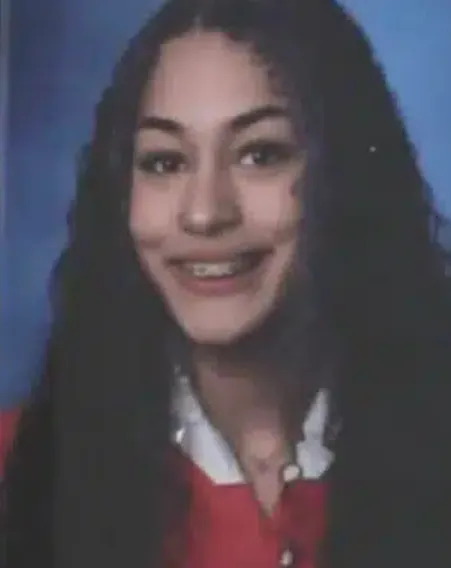
No criminal charges were filed.
It was, legally, an accident—an incomprehensible, horrific accident that no punishment could reverse.
But for the people who loved her, nothing about the aftermath felt like closure.
There is no closure for a future stolen so violently.
No language for the empty chair at family dinners.
No comfort for the graduation gown she will never wear.
Her mother remembers her hands.
How warm they always were.

How she held them out to the world with trust.
Her family remembers her as the girl who wanted to help everyone.
The girl who believed kindness mattered.
The girl who never imagined harm would come from something she offered with love.
In the quiet moments, her mother sits with the weight of what was taken.
She thinks of the way Madison used to dance barefoot in the kitchen.
The way she hugged with her whole arms, not just her hands.
The way she made a home feel alive simply by being inside it.
Every corner of their house carries her echo.
Every photograph feels like both a gift and a wound.
Grief is not a straight line.
It is tidal.

It rises and crushes.
It pulls and empties.
But love remains.
Love always remains.
And for Madison, that love is vast.
Friends, family, classmates, teachers, parents of the children she taught—they have all shared stories.
Stories of moments she brightened.
Stories of kindness she didn’t even realize she had given.
Stories of the way she lived, not the way she died.
And in those stories, her light remains.
Her mother hopes that people will remember her daughter for her gentleness.
Her generosity.
Her dream of teaching.

Her belief that every living thing deserved care.
She hopes the world will say her name with softness.
She hopes people will hold their loved ones tighter.
She hopes no one forgets the way Madison made others feel.
Because in the end, what remains of us are the lives we touched.
And Madison, in just twenty-three years, touched more than most people do in a lifetime.
Her story is now a reminder—one carved from unimaginable loss—of the fragile balance between trust and danger, between compassion and risk.
It is a reminder that life can shift in the span of a breath.
That love is never wasted.
And that even when a light is taken, its warmth doesn’t leave the world.
Not entirely.
Not if people remember.
Not if they carry her forward.
Not if they speak her name.
Madison Riley Hull.
A daughter.
A teacher.
A friend.
A gentle heart.
A life that mattered.
A light that should have had many years left to shine.
A story that will be told with tears, but also with gratitude—for the beauty she brought into this world, and for the love she leaves behind.