Seven Lives, One Home, One Year Later: Enoch Remembers 3915c


ENOCH, Utah is a quiet place by design.
A town where streets end softly, where neighbors recognize each other’s cars, where the rhythm of life is measured in school drop-offs, church meetings, and the turning of seasons.
On January 4, 2023, that rhythm was shattered in a way the community will never fully recover from.
It began as a welfare check.
The kind of call police officers answer every day, often ending with reassurance, a knock on the door, a relieved family member.
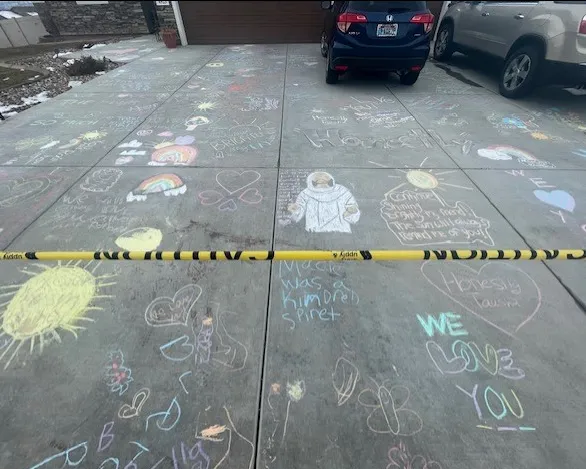
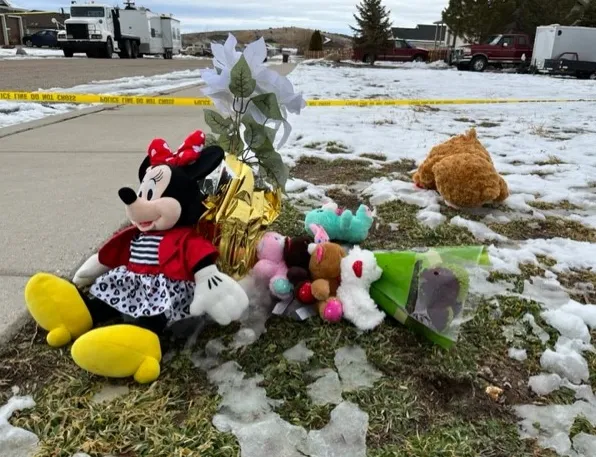
Instead, it led them to a house near 4900 North and Albert Drive, and to a silence so heavy it felt unnatural.
Inside the home, eight people were found dead.
Seven of them were victims.
Five of them were children.
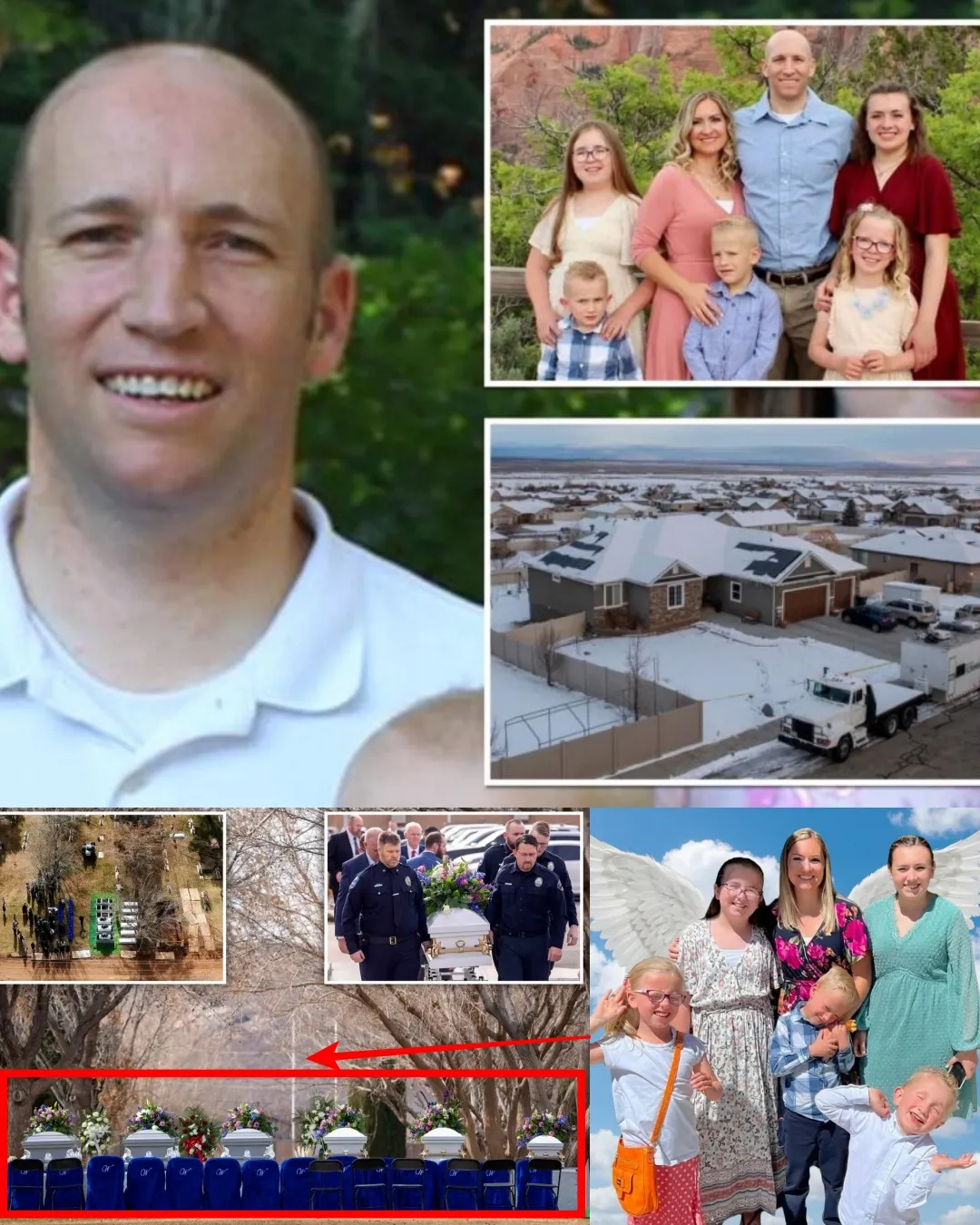
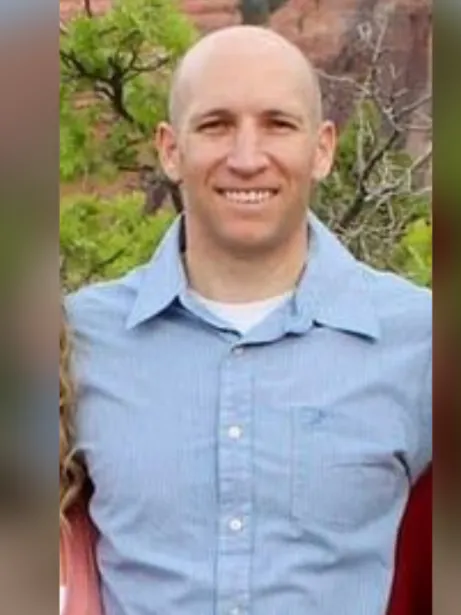
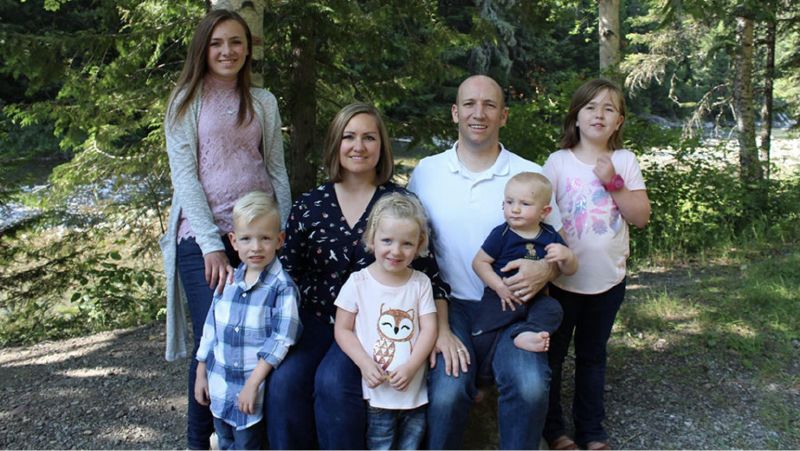
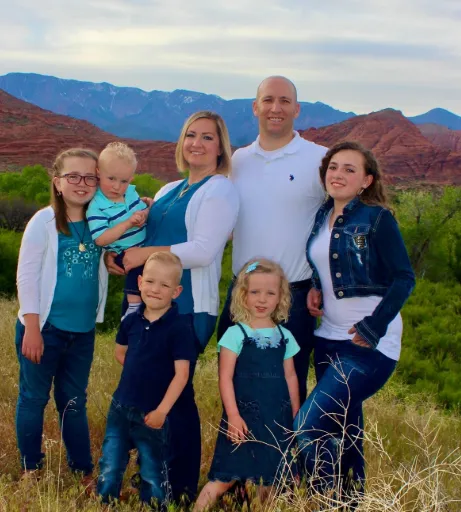
Authorities would later confirm that Michael Haight, 42, had taken the lives of his wife, his children, and his mother-in-law before turning the gun on himself.
The weight of that sentence still feels impossible to carry, even a year later.
It is not a fact that settles into the mind easily.
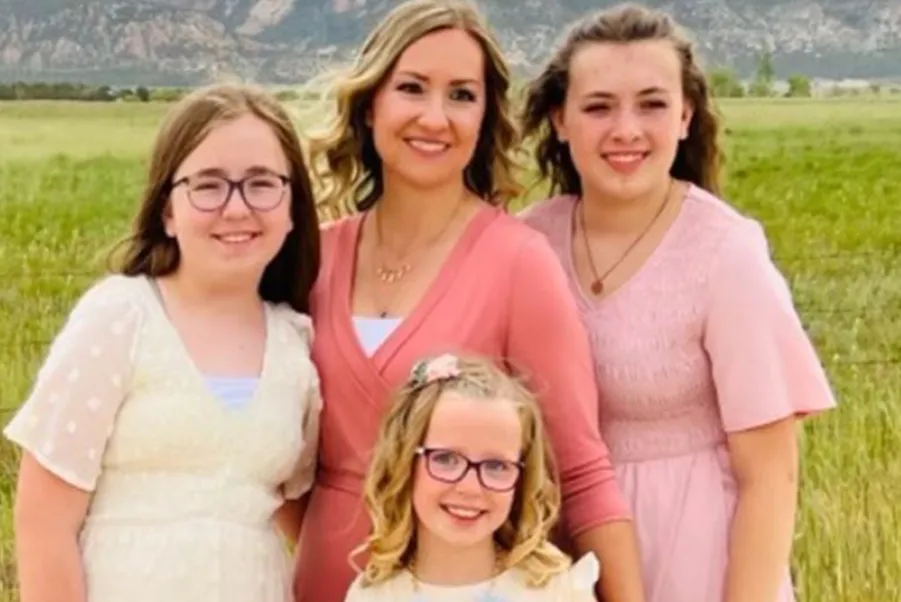
His wife, Tausha Haight, was 40 years old.
Her mother, Gail Earl, was 78.
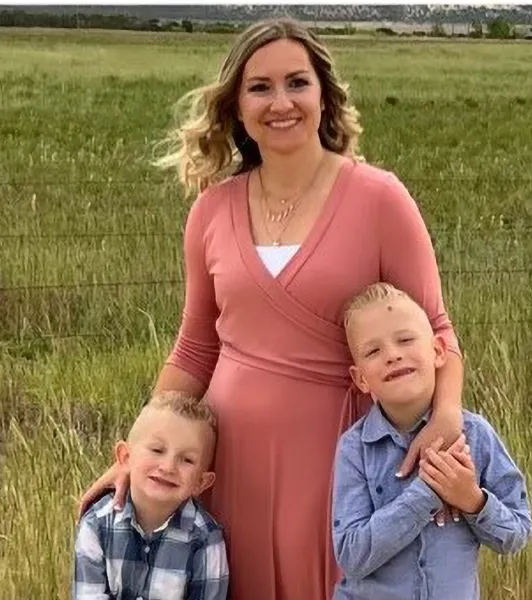
Five children were killed alongside them, their lives stopped before they had truly begun.
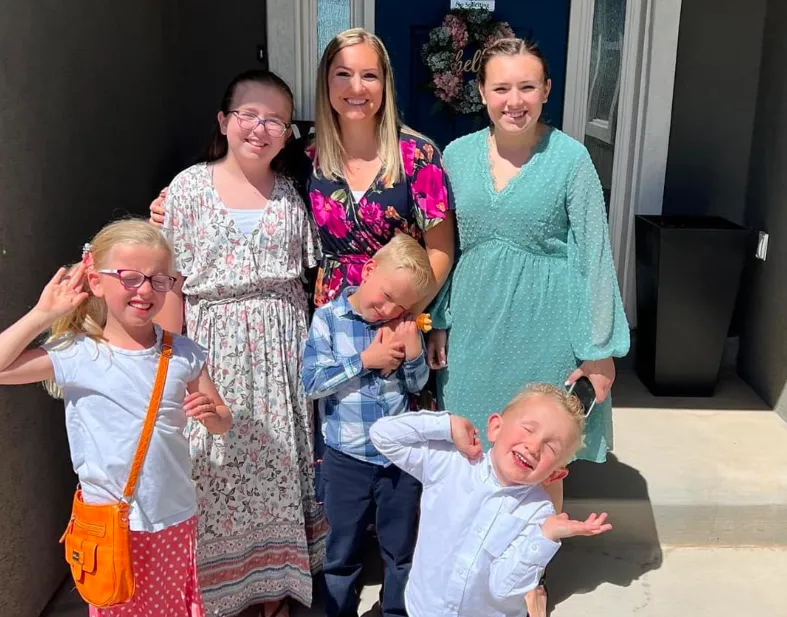
There was Macie, 17 years old, standing at the edge of adulthood.
There was Briley, 12, an age still defined by childhood curiosity.
There was Ammon, Sienna, and Gavin, the youngest only four years old.
The details emerged slowly, each one landing like another stone on an already broken heart.
Court documents revealed that Tausha had filed for divorce on December 21, 2022.
Her mother had been staying at the home, offering support during a painful transition.
Michael had been living in the basement.
Divorce papers were served on December 27.
Within days, an entire family would be gone.
Officials acknowledged that police had been called to the residence in years prior.
They confirmed there had been previous interactions, previous concerns.
They declined to share details, leaving behind a familiar ache of unanswered questions.
What warnings were missed.
What fear went unspoken.
What might have changed the outcome.
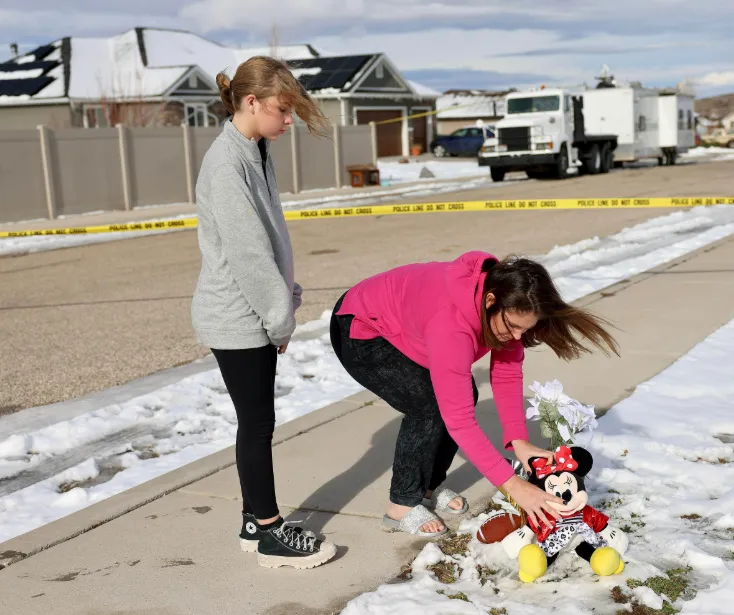
In Enoch, grief did not arrive quietly.
It poured into homes, classrooms, and church pews all at once.
Parents hugged their children tighter without fully understanding why.
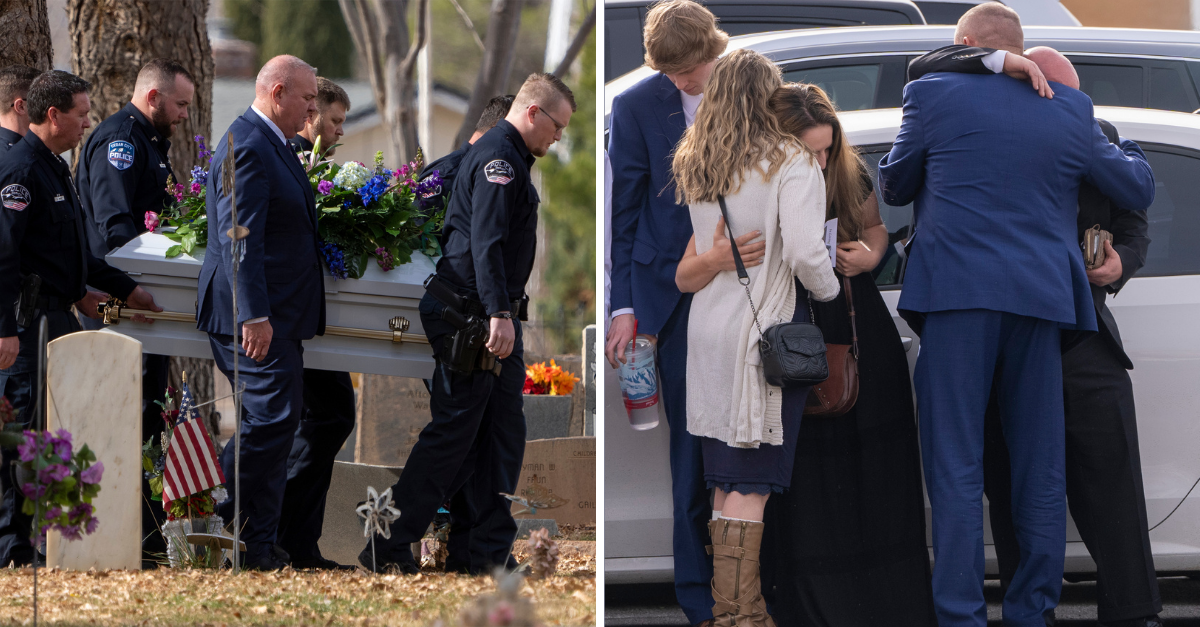
A private mourning service was held at the local stake center.
People gathered not for answers, but for each other.
In moments like this, community becomes the only thing that makes the weight survivable.
One man brought a specially trained service dog named Cooper.
Not to fix the pain.
But to offer comfort where words failed.
On January 6, Tausha’s brother, Terry Earl, released a statement on behalf of the family.
He thanked the community for prayers, love, and kindness.
Even in devastation, gratitude found a voice.

A GoFundMe was created.
More than $100,000 was raised over the following year.
Money could not undo the loss, but it stood as proof that the family had not been forgotten.
Funeral services were announced on January 9.
One ceremony, seven caskets, countless tears.
Names spoken aloud that should have been spoken decades from now.

On January 10, experts spoke publicly about what had happened.
They placed the tragedy within a broader, darker pattern of family annihilations.
They emphasized resources, protective orders, and intervention as tools that can save lives.
A professor from the University of Utah
explained that prevention begins long before violence erupts.
It begins with believing victims.
It begins with taking fear seriously.

Organizations like the Utah Domestic Violence Coalition were highlighted as critical lifelines.
Support systems exist, but only if they are used.
Only if people know they are not alone.
The following day, Spencer Cox addressed the tragedy publicly.
He spoke not as a politician, but as a grieving father and neighbor.
He acknowledged the pain carried by the entire state.
His administration had proposed more than $50 million for domestic violence prevention.
The timing felt cruelly symbolic.
As if help had arrived just moments too late.
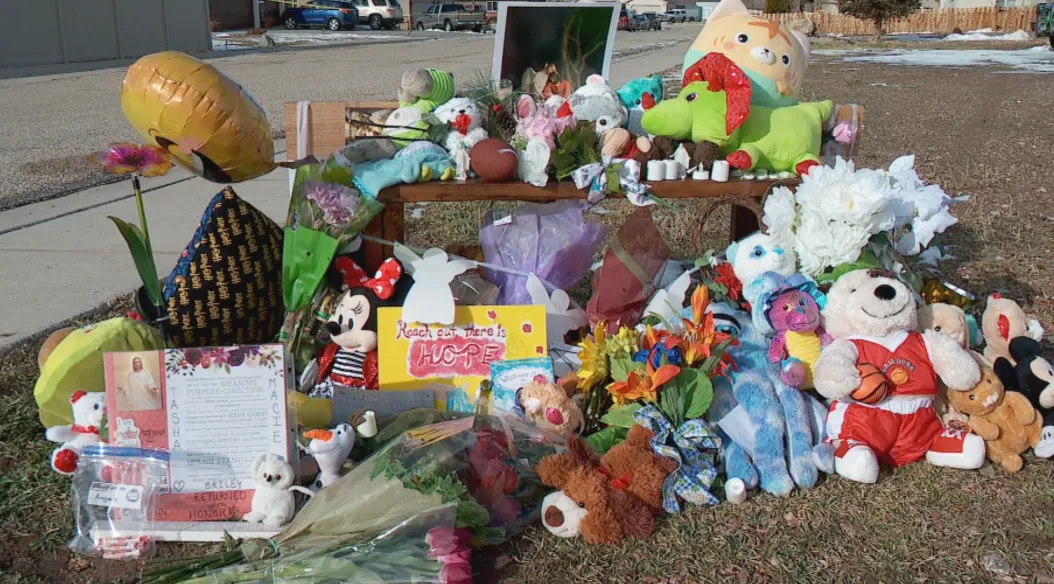
One year later, Enoch still remembers.
Not as a headline.
But as an absence that never leaves.

Classrooms still feel quieter.
Playgrounds still feel wrong.
Birthdays still come with the echo of who should be there.
This story is not just about what happened inside one home.
It is about how private suffering can turn catastrophic when it is ignored.
It is about how love, control, fear, and despair can twist into something lethal.
It is also about the people left behind.
The relatives who wake up every morning carrying names instead of voices.
The community that will forever mark time as “before” and “after.”
The Haight children are remembered not for how they died, but for how they lived.
For laughter that once filled that house.
For futures that deserved to unfold naturally.
Their mother is remembered for trying to leave.
For taking a step toward safety.
For trusting that change was possible.
Her mother is remembered for showing up.
For staying.
For standing beside her daughter when she needed her most.
And the question remains, as it always does.
What more could have been done.
And how do we make sure this never happens again.
Because remembrance alone is not enough.
It must be paired with action.
With listening, believing, and protecting those who ask for help.
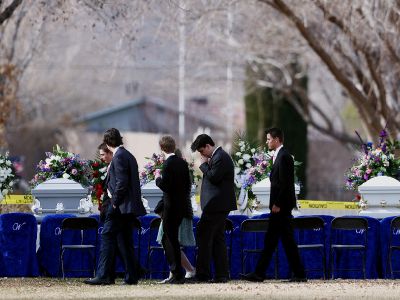
In Enoch, the house still stands.
But the silence inside it tells a story that will never fade.
A story written in lives lost, and in a community forever changed.
A Love That Finds Its Way: The Story of Us and Our Rescue Journey 712

I glance down at my phone and see “Husband” calling. My heart skips a beat, my pulse quickens. It’s not typical for us to call each other — we usually text throughout the day, checking in and chatting. If he’s calling, something must be wrong, especially since we rarely call when he’s at work or school unless there’s an emergency. There’s no missed notification, no prior messages to explain the call. My mind races, and my heart bursts with worry.
I answer the phone immediately:
Me: Babe, are you okay?
Him: Listen, I’ve only got 30 seconds. Are you listening?
Me: I hear you, go ahead!!
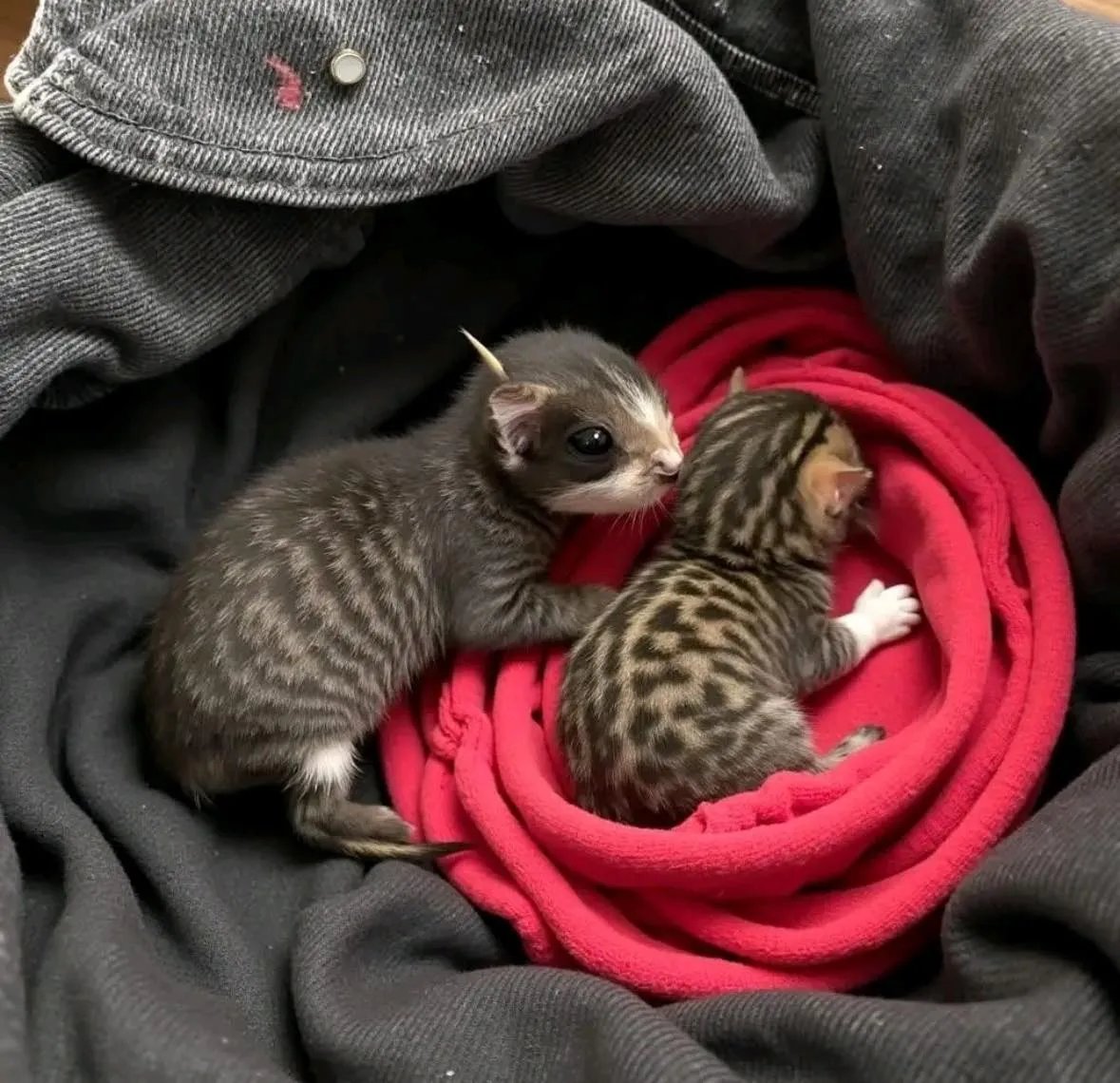
Him: I stand in front of a box with abandoned kittens. One of them didn’t make it, but two are still alive. I’m supposed to be welding, but I’ll figure out a way to syringe-feed them until I can get them home. Can you pack whatever they need before I come back?
Me: … omg yes!!
Him: I gotta go, I just wanna make sure they stay warm in my jacket.
He hangs up, and I sit there, stunned, torn between wanting to laugh and cry.
As I sit there, thinking back on all the times people have told me I was crazy for helping animals the way I do, I realize something they don’t: the animals find me. And now, I’ve met a man — a man who animals also find. A man who, at that moment, was standing at work with two abandoned kittens tucked into his jacket, prioritizing their warmth and survival over everything else.

I think back to when we first met, how I knew he was something special. I never imagined I’d find a partner who shared my love for animals so deeply. But here he was, a man willing to sacrifice his own comfort to make sure these two tiny lives had a chance at survival. He removed his jacket to create warmth for them, just as I would have. It’s in moments like this that I realize just how perfectly we fit together — our hearts both open to helping others, to giving our time and energy to the creatures that need it the most.
Since we’ve been married, we’ve opened our hearts and home to more than 300 kittens, cats, and dogs. They come to us from all walks of life, finding their way to our door, needing love, care, and a safe place to land. It hasn’t been easy — the sleepless nights, the endless feedings, the emotional toll of seeing animals in need. But every time we take in a new one, it feels like we’re doing exactly what we’re meant to do. We’ve fostered more than we ever thought we could, giving them hope, helping them heal, and eventually sending them off to their forever homes. And it’s not just us helping them; they’ve changed us in ways we never expected.
As I pack the supplies for the kittens — bottles, blankets, warm towels — I feel that familiar rush of love and excitement. We don’t do this for accolades or recognition. We do it because it’s what we’re called to do. We do it because when you open your heart to help others, those in need will always find you. They always know where to go, and we’re ready to help.
Our home is filled with the sounds of purring kittens and barking puppies. It’s filled with the warmth of knowing we’re doing the right thing, the best thing. As I think of my husband, taking care of those two tiny lives, my heart swells with pride. Not only is he the love of my life, but he’s also a man whose compassion for all living creatures mirrors my own. Together, we’re building something beautiful — a life dedicated to love, kindness, and animals.
Let me remind you: what is meant to find you, will always find you. And sometimes, that means finding a partner who shares your deepest values, a partner who will stand with you in the face of a cold, hard world and help those who can’t help themselves. That’s the kind of love that lasts. ??
This is the life we’ve chosen — one filled with purpose, filled with love, and filled with the little souls who need us most. The animals that find us aren’t just saved; they’re a reminder that in this life, the best things are always the unexpected gifts that find their way to your door.

The…
ENOCH, Utah is a quiet place by design.
A town where streets end softly, where neighbors recognize each other’s cars, where the rhythm of life is measured in school drop-offs, church meetings, and the turning of seasons.
On January 4, 2023, that rhythm was shattered in a way the community will never fully recover from.
It began as a welfare check.
The kind of call police officers answer every day, often ending with reassurance, a knock on the door, a relieved family member.
Instead, it led them to a house near 4900 North and Albert Drive, and to a silence so heavy it felt unnatural.
Inside the home, eight people were found dead.
Seven of them were victims.
Five of them were children.
Authorities would later confirm that Michael Haight, 42, had taken the lives of his wife, his children, and his mother-in-law before turning the gun on himself.
The weight of that sentence still feels impossible to carry, even a year later.
It is not a fact that settles into the mind easily.
His wife, Tausha Haight, was 40 years old.
Her mother, Gail Earl, was 78.
Five children were killed alongside them, their lives stopped before they had truly begun.
There was Macie, 17 years old, standing at the edge of adulthood.
There was Briley, 12, an age still defined by childhood curiosity.
There was Ammon, Sienna, and Gavin, the youngest only four years old.
The details emerged slowly, each one landing like another stone on an already broken heart.
Court documents revealed that Tausha had filed for divorce on December 21, 2022.
Her mother had been staying at the home, offering support during a painful transition.
Michael had been living in the basement.
Divorce papers were served on December 27.
Within days, an entire family would be gone.
Officials acknowledged that police had been called to the residence in years prior.
They confirmed there had been previous interactions, previous concerns.
They declined to share details, leaving behind a familiar ache of unanswered questions.
What warnings were missed.
What fear went unspoken.
What might have changed the outcome.
In Enoch, grief did not arrive quietly.
It poured into homes, classrooms, and church pews all at once.
Parents hugged their children tighter without fully understanding why.
A private mourning service was held at the local stake center.
People gathered not for answers, but for each other.
In moments like this, community becomes the only thing that makes the weight survivable.
One man brought a specially trained service dog named Cooper.
Not to fix the pain.
But to offer comfort where words failed.
On January 6, Tausha’s brother, Terry Earl, released a statement on behalf of the family.
He thanked the community for prayers, love, and kindness.
Even in devastation, gratitude found a voice.
A GoFundMe was created.
More than $100,000 was raised over the following year.
Money could not undo the loss, but it stood as proof that the family had not been forgotten.
Funeral services were announced on January 9.
One ceremony, seven caskets, countless tears.
Names spoken aloud that should have been spoken decades from now.
On January 10, experts spoke publicly about what had happened.
They placed the tragedy within a broader, darker pattern of family annihilations.
They emphasized resources, protective orders, and intervention as tools that can save lives.
A professor from the University of Utah
explained that prevention begins long before violence erupts.
It begins with believing victims.
It begins with taking fear seriously.
Organizations like the Utah Domestic Violence Coalition were highlighted as critical lifelines.
Support systems exist, but only if they are used.
Only if people know they are not alone.
The following day, Spencer Cox addressed the tragedy publicly.
He spoke not as a politician, but as a grieving father and neighbor.
He acknowledged the pain carried by the entire state.
His administration had proposed more than $50 million for domestic violence prevention.
The timing felt cruelly symbolic.
As if help had arrived just moments too late.
One year later, Enoch still remembers.
Not as a headline.
But as an absence that never leaves.
Classrooms still feel quieter.
Playgrounds still feel wrong.
Birthdays still come with the echo of who should be there.
This story is not just about what happened inside one home.
It is about how private suffering can turn catastrophic when it is ignored.
It is about how love, control, fear, and despair can twist into something lethal.
It is also about the people left behind.
The relatives who wake up every morning carrying names instead of voices.
The community that will forever mark time as “before” and “after.”
The Haight children are remembered not for how they died, but for how they lived.
For laughter that once filled that house.
For futures that deserved to unfold naturally.
Their mother is remembered for trying to leave.
For taking a step toward safety.
For trusting that change was possible.
Her mother is remembered for showing up.
For staying.
For standing beside her daughter when she needed her most.
And the question remains, as it always does.
What more could have been done.
And how do we make sure this never happens again.
Because remembrance alone is not enough.
It must be paired with action.
With listening, believing, and protecting those who ask for help.
In Enoch, the house still stands.
But the silence inside it tells a story that will never fade.
A story written in lives lost, and in a community forever changed.
A Love That Finds Its Way: The Story of Us and Our Rescue Journey 712
I glance down at my phone and see “Husband” calling. My heart skips a beat, my pulse quickens. It’s not typical for us to call each other — we usually text throughout the day, checking in and chatting. If he’s calling, something must be wrong, especially since we rarely call when he’s at work or school unless there’s an emergency. There’s no missed notification, no prior messages to explain the call. My mind races, and my heart bursts with worry.
I answer the phone immediately:
Me: Babe, are you okay?
Him: Listen, I’ve only got 30 seconds. Are you listening?
Me: I hear you, go ahead!!
Him: I stand in front of a box with abandoned kittens. One of them didn’t make it, but two are still alive. I’m supposed to be welding, but I’ll figure out a way to syringe-feed them until I can get them home. Can you pack whatever they need before I come back?
Me: … omg yes!!
Him: I gotta go, I just wanna make sure they stay warm in my jacket.
He hangs up, and I sit there, stunned, torn between wanting to laugh and cry.
As I sit there, thinking back on all the times people have told me I was crazy for helping animals the way I do, I realize something they don’t: the animals find me. And now, I’ve met a man — a man who animals also find. A man who, at that moment, was standing at work with two abandoned kittens tucked into his jacket, prioritizing their warmth and survival over everything else.
I think back to when we first met, how I knew he was something special. I never imagined I’d find a partner who shared my love for animals so deeply. But here he was, a man willing to sacrifice his own comfort to make sure these two tiny lives had a chance at survival. He removed his jacket to create warmth for them, just as I would have. It’s in moments like this that I realize just how perfectly we fit together — our hearts both open to helping others, to giving our time and energy to the creatures that need it the most.
Since we’ve been married, we’ve opened our hearts and home to more than 300 kittens, cats, and dogs. They come to us from all walks of life, finding their way to our door, needing love, care, and a safe place to land. It hasn’t been easy — the sleepless nights, the endless feedings, the emotional toll of seeing animals in need. But every time we take in a new one, it feels like we’re doing exactly what we’re meant to do. We’ve fostered more than we ever thought we could, giving them hope, helping them heal, and eventually sending them off to their forever homes. And it’s not just us helping them; they’ve changed us in ways we never expected.
As I pack the supplies for the kittens — bottles, blankets, warm towels — I feel that familiar rush of love and excitement. We don’t do this for accolades or recognition. We do it because it’s what we’re called to do. We do it because when you open your heart to help others, those in need will always find you. They always know where to go, and we’re ready to help.
Our home is filled with the sounds of purring kittens and barking puppies. It’s filled with the warmth of knowing we’re doing the right thing, the best thing. As I think of my husband, taking care of those two tiny lives, my heart swells with pride. Not only is he the love of my life, but he’s also a man whose compassion for all living creatures mirrors my own. Together, we’re building something beautiful — a life dedicated to love, kindness, and animals.
Let me remind you: what is meant to find you, will always find you. And sometimes, that means finding a partner who shares your deepest values, a partner who will stand with you in the face of a cold, hard world and help those who can’t help themselves. That’s the kind of love that lasts. ??
This is the life we’ve chosen — one filled with purpose, filled with love, and filled with the little souls who need us most. The animals that find us aren’t just saved; they’re a reminder that in this life, the best things are always the unexpected gifts that find their way to your door.