She Trusted the Arms That Hurt Her.5878

The Hours She Couldn’t Speak
The morning began the way many mornings do, with small decisions that feel harmless at the time.
A doctor’s appointment.
A child left briefly in the care of an adult who was supposed to protect her.
The mother was dealing with pregnancy-related pain and needed to see a doctor.
She left her one-year-old daughter and another child with her boyfriend, believing the arrangement was temporary and safe.
Nothing about the moment suggested it would end with helicopters and hospital alarms.
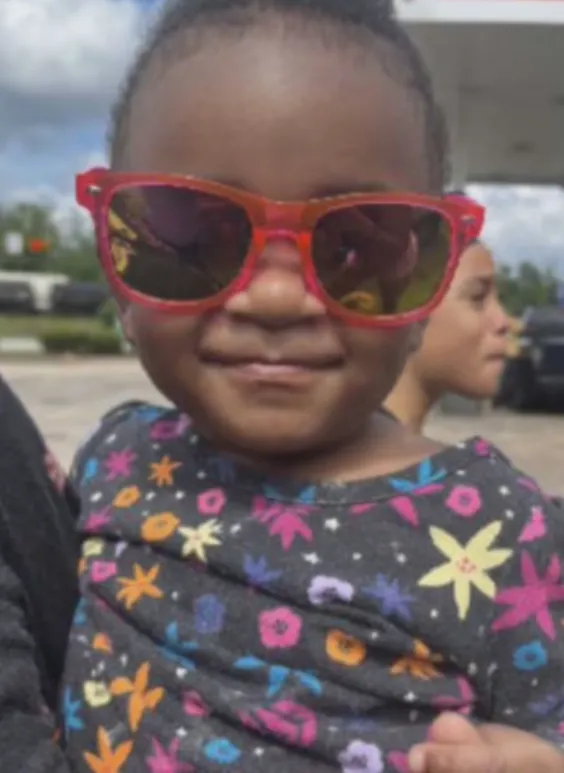
By early afternoon, the illusion of safety collapsed.
Police in Beaumont Police Department were called to a hospital shortly after 1 p.m. on December 23.
A one-year-old girl had arrived in critical condition.
Doctors immediately suspected abuse.
The child was intubated and unresponsive.
Her body told a story she was too young to explain.
Severe facial swelling distorted her features.
Bruising covered her chest and abdomen.
Dried blood was visible in and around her left ear.
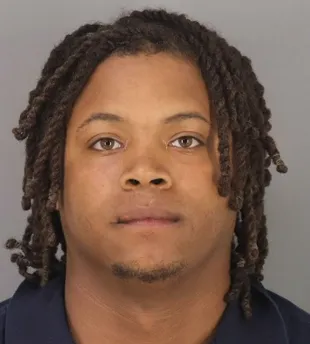
There were other marks too.
Small circular burn-like lesions.
Healing lacerations on her inner thighs and left arm.
These were not the injuries of a fall.
They were not the injuries of play.
They were injuries that demanded explanation.
Because of the severity of her condition, the child was airlifted to a hospital in
Houston.
Time mattered, and local treatment was not enough.
Her life was hanging in balance.
Detectives began reconstructing the hours leading up to her arrival.
According to the arrest affidavit, the timeline was narrow.
The mother had left shortly before 10 a.m.
That meant there was a window.
A few hours.
And during that window, one adult was present.
That adult was identified as
Howard Dewayne Walker Jr., twenty-eight years old.
He was the mother’s boyfriend.
And he was alone with the child.
At some point, Walker sent a text to the child’s mother.
The message referenced an incident, though details were unclear.
Concerned, she asked family members to go to the home.
What they found inside was horrifying.
Witnesses later told police the child was largely unresponsive.
She was gasping for air.

One of her eyes was swollen shut.
Dark marks were visible across her body.
She barely moved.
They also described Walker’s actions.
He was applying a frozen can of orange juice to the infant’s face.
As if cold could undo violence.
Witnesses noted patterned bruising.
Not random marks, but shapes suggesting repeated force.
Bruises to the face, chest, and abdomen.
When police arrived at the home, the atmosphere raised immediate suspicion.
The smell of bleach was strong.
A mop sat nearby, and the floors were wet.

Investigators believed there had been an attempt to clean.
Blood, possibly.
Evidence that told a story too clearly.
Officers initially detained Walker on municipal warrants.
It was a procedural step, not yet the full picture.
But the questioning soon began.
After being read his Miranda rights, Walker denied responsibility.
He claimed he was not home when the injuries occurred.
First, he blamed a babysitter.
When that explanation fell apart, he shifted again.
He blamed the child’s mother.
The story kept changing.
Eventually, Walker admitted something critical.
He acknowledged he was the only adult with the girl when she was injured.
There was no one else to point to.
Still, he tried to minimize what had happened.
He claimed the swelling was caused by an allergic reaction.
The explanation did not match the injuries.
Doctors later made that clear to detectives.
The child had facial fractures.
She had a liver laceration and active internal bleeding.
These were not surface injuries.
They were life-threatening.
They required significant force.
“The clinician advised the injuries were consistent with inflicted trauma,” detectives wrote.
Not accidental mechanisms.
Not an allergic reaction.
There was no plausible explanation offered.
No scenario that accounted for burns, bruises, fractures, and bleeding.
Only silence where accountability should have been.
The child remained in critical condition.
Her future uncertain.
Her body fighting for survival without understanding why it had to.
Walker was arrested.
He now faces a charge of injury to a child with serious bodily injury.
A felony that carries severe consequences.
He is being held at the Jefferson County Correctional Facility.
Bond was set at one million dollars.
An amount meant to reflect the gravity of the harm.
Cases like this do not unfold in a vacuum.
They raise questions that linger long after headlines fade.
How many warning signs were missed.
Infants cannot speak for themselves.
They rely entirely on the adults around them.
Trust is their only defense.
This child trusted the arms that held her that morning.
She had no way to protect herself.
No way to escape.
Violence against children often hides behind closed doors.
It happens during ordinary hours.
While the world outside continues normally.
A doctor’s appointment.
A few hours away.
A decision that should not have been dangerous.
The investigation is ongoing.
Prosecutors will decide the next steps.
Courtrooms will eventually replace hospital rooms.
But for now, the focus remains on the child.
A one-year-old girl fighting injuries no child should ever endure.
Her story is still being written.
She survived the initial violence.
She survived the transport.
Whether she survives the aftermath remains unknown.
What is known is this.
The injuries were real.
And they were inflicted.
Somewhere, a hospital room hums with machines.
Somewhere, a family waits for updates.
And somewhere, accountability is finally being demanded.
The hours she could not speak are now being spoken for her.
By doctors.
By investigators.
And by a system tasked with making sure this does not happen again.
A Sister’s Gift — How Little Jordyn Saved Jaycee’s Life.2665
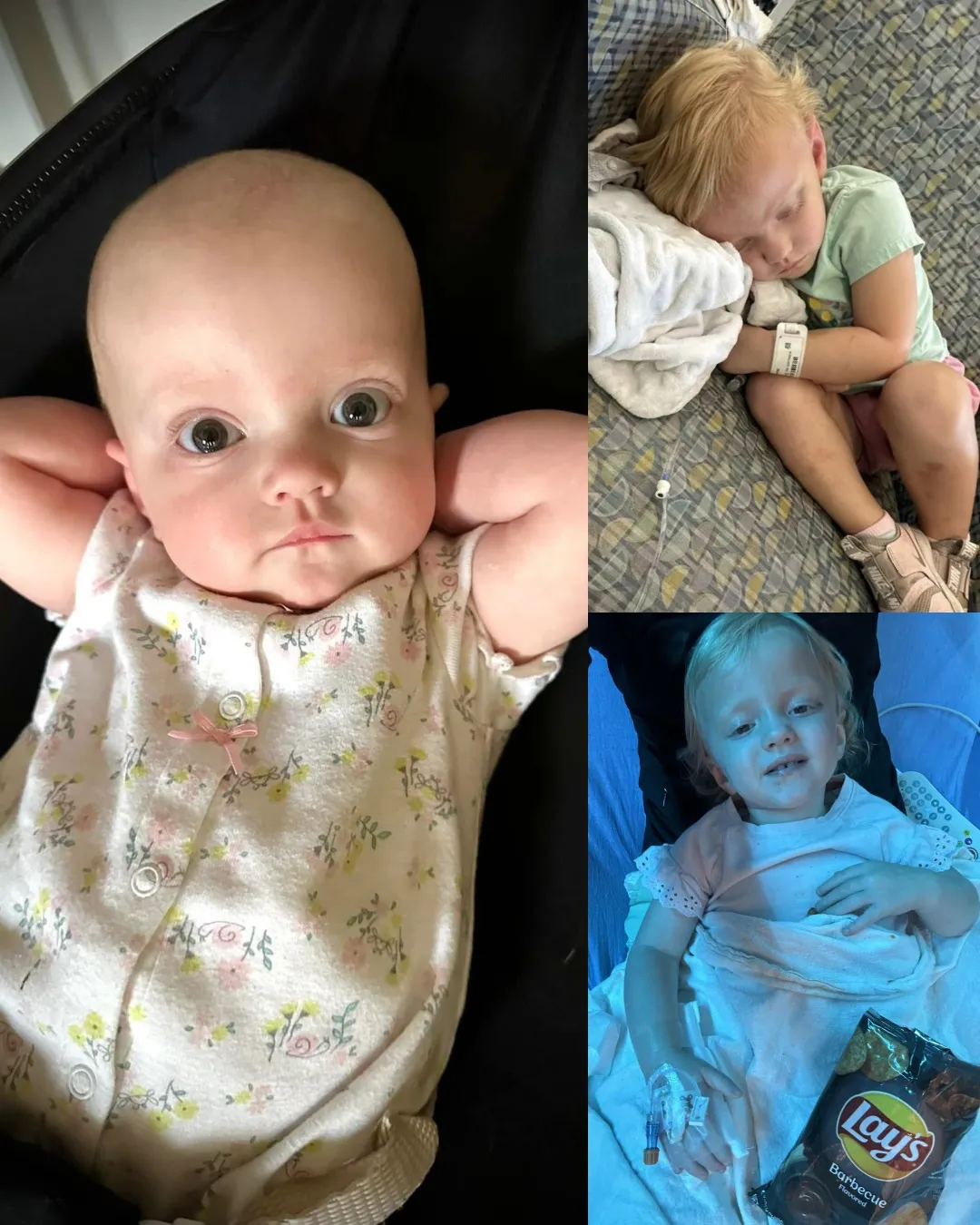
? Jaycee’s Miracle — The Little Girl Saved by Her Sister’s Love ?
When Jaycee was born, her parents, Brandon and Laura, thought they had stepped into the most beautiful chapter of their lives.
Her tiny hands, her soft laughter, the way her big sister Jordyn adored her — it was everything they had ever dreamed of.
But six months later, their world shifted in a way no parent ever expects.
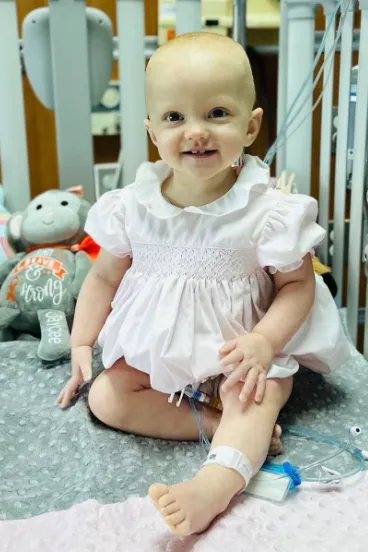
At first, it was something small — something every parent might overlook.
“Her little belly was swollen,” Brandon remembered. “It kind of looked like a food belly — like she’d had a couple of bottles, and in the morning it would go down.”
Except one morning, it didn’t.
And then another.
And another.
The swelling stayed.
Something didn’t feel right.
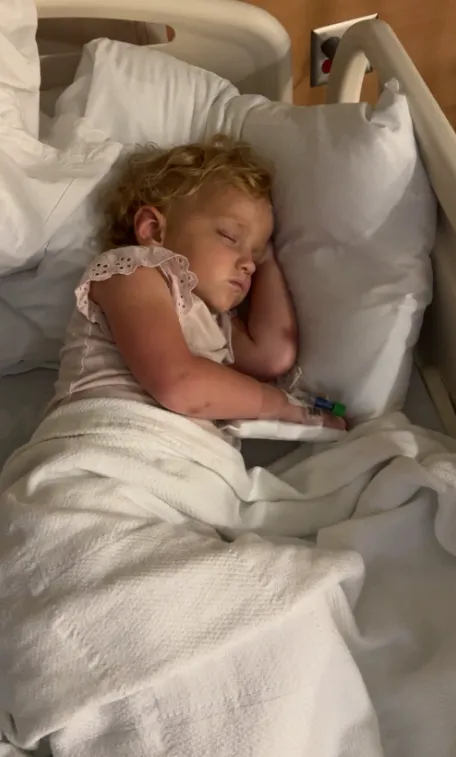
? The Day Everything Changed
When they finally took Jaycee to the doctor, they expected reassurance — maybe a simple explanation, something harmless.
But the doctor’s expression changed the moment he felt her stomach.
He looked up and said quietly, “I think I feel a mass.”
Those words froze time.
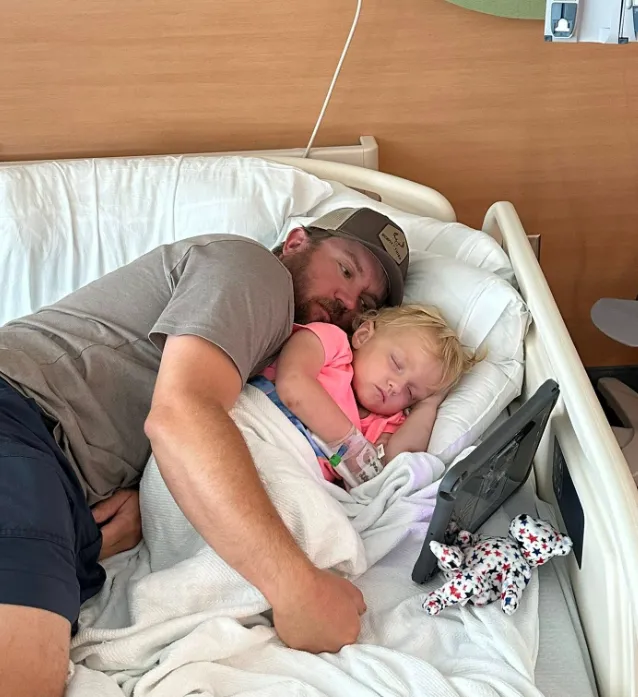
In the next 24 hours, everything became a blur — blood tests, X-rays, CT scans, urgent phone calls, and the endless hum of hospital machines.
Then came the diagnosis no parent should ever have to hear:
Juvenile Myelomonocytic Leukemia (JMML).
A rare and aggressive cancer.
A diagnosis so uncommon it affects only one in a million children.
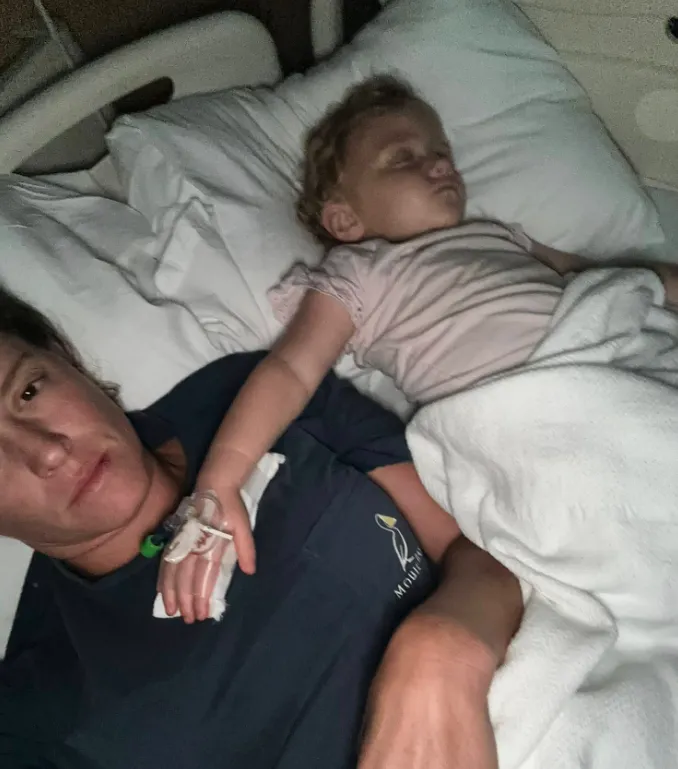
Laura’s voice trembled when she recalled that moment:
“If it wasn’t for that blood test — and all the scans — that’s really the only way you can catch it. There are no clear signs until it’s almost too late.”
Jaycee’s white blood cell count was through the roof.
Her spleen was swollen, working in overdrive just to keep her alive.
In that moment, every dream they’d had for their baby girl — first steps, birthdays, Christmas mornings — suddenly felt fragile.
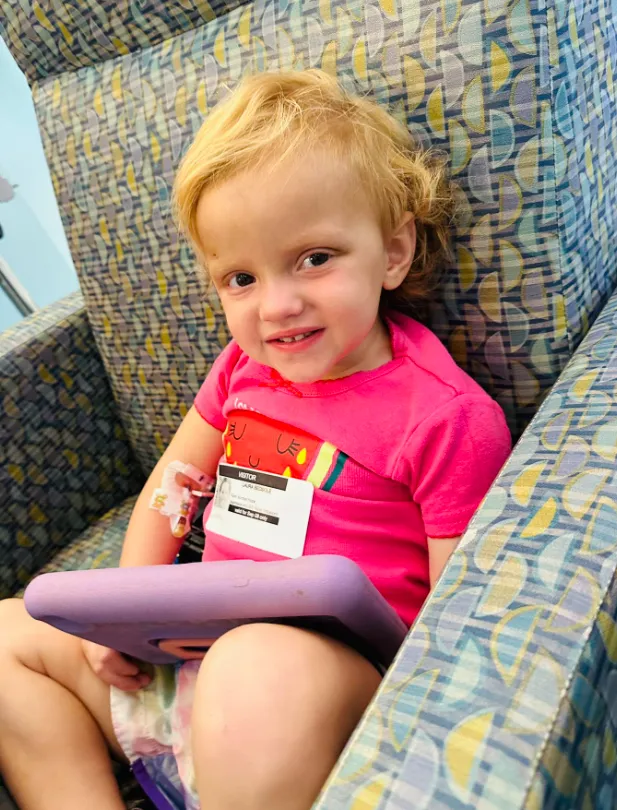
? A Family’s Fight Begins
Jaycee was admitted immediately.
Machines surrounded her small crib, wires taped to her arms, her chest rising and falling in rhythm with the beeping monitors.
Laura sat beside her, one hand resting gently on Jaycee’s belly, whispering prayers she didn’t have words for.
Brandon tried to stay strong, but inside he was breaking.
He remembers pacing the hospital hallway, trying to make sense of it all — how his baby, barely old enough to crawl, was now fighting for her life.
The doctors explained that the only possible cure was a bone marrow transplant.
Without it, her chances of survival were heartbreakingly low.
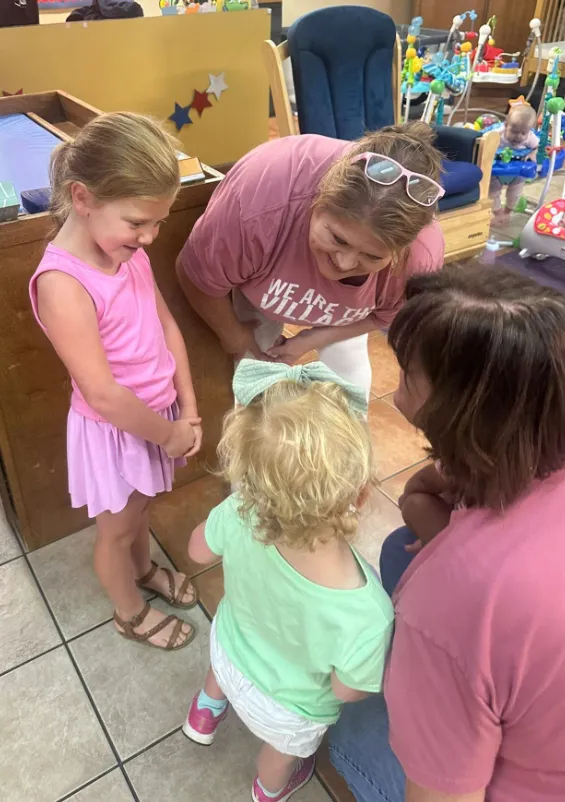
? A Big Sister’s Gift
Testing began immediately to find a donor.
Family members, relatives, even strangers offered to get tested.
But before they could begin searching further, the doctors tested Jaycee’s 4-year-old sister, Jordyn.
They didn’t expect a perfect match.
The odds were slim — barely one in four between siblings.
And yet, when the results came in, the nurse looked at Laura and smiled through tears:
“She’s a match.”
Jordyn — barely old enough to spell her own name — was about to save her baby sister’s life.
Laura knelt beside her and tried to explain in words a child could understand.
“Remember how Jaycee’s sick?” she said softly. “Well, you have something very special inside you that can help her get better.”
Jordyn nodded.
“Okay,” she said simply. “I’ll share.”
It was the kind of innocence and courage that only a child can hold.
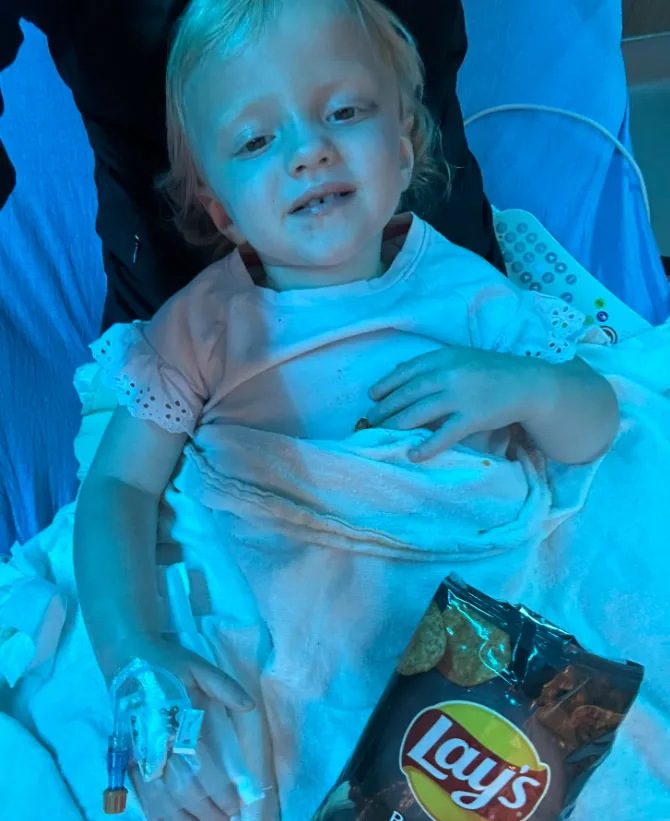
? The Day of the Transplant
The morning of the transplant, the hospital room was filled with quiet hope.
Doctors and nurses moved carefully, their voices gentle.
Laura held Jaycee close before the procedure, kissing her forehead and whispering, “Be brave, my love. Big sister’s got you.”
Down the hall, Jordyn sat with her own team, clutching her favorite stuffed bunny.
When they explained what would happen, she smiled and said, “This is for my baby sister.”
The transplant went as planned.
Then came the hardest part — waiting.
Every day, the family watched for signs of recovery.
Every number, every blood test, every heartbeat mattered.
There were nights when fear took over — when Jaycee’s temperature spiked, or her breathing changed — but through it all, they held onto faith.
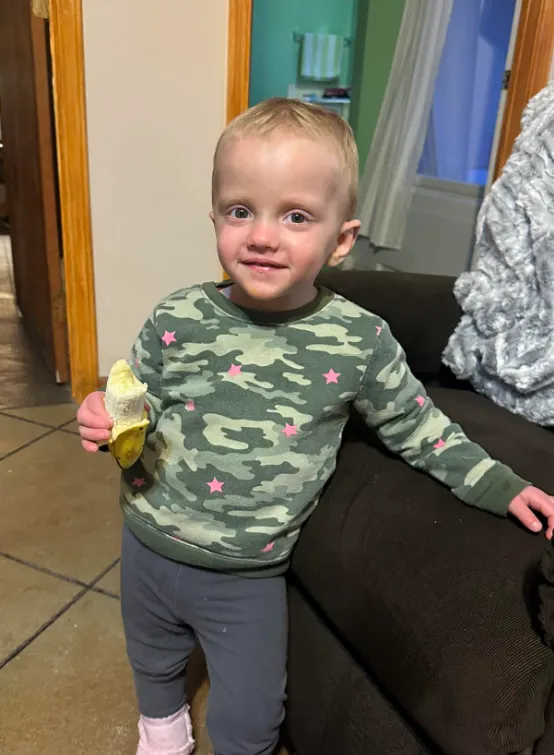
? A Miracle Begins to Bloom
Weeks turned into months.
And slowly, hope began to return.
Jaycee’s color came back.
Her energy began to rise.
The doctors used a word the family had been afraid to even dream of — remission.
Then, after endless tests, tears, and sleepless nights — came the moment that changed everything:
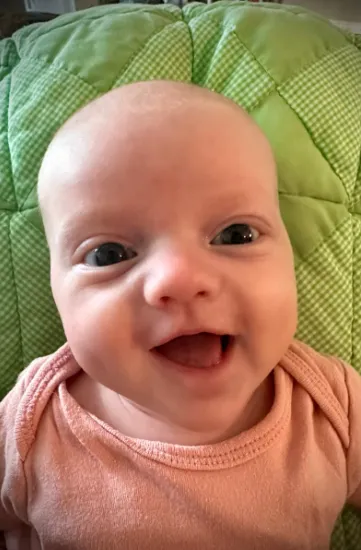
Jaycee was cancer-free.
? One Year Later — A Life Reclaimed
It’s been over a year since that day.
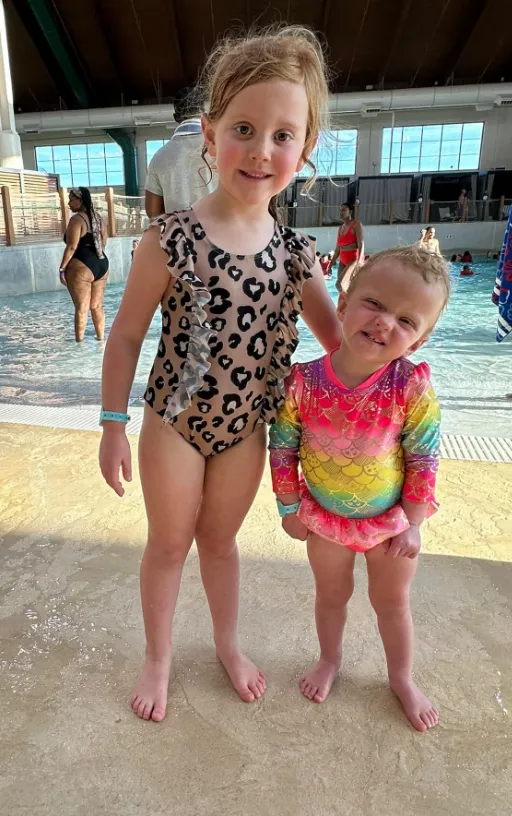
Jaycee is now a bright, giggling little girl who loves to dance, play dress-up, and chase her big sister around the yard.
She still goes for regular checkups — bone marrow biopsies, bloodwork, scans — but each result brings more reason to celebrate.
And through it all, Jordyn remains her hero.
Whenever someone calls her brave, she just smiles and says, “I helped my sister.”
Laura still tears up when she talks about it.
“People call it a miracle,” she says. “And it is. But it’s also love — pure, selfless love. Jordyn gave her sister life, and in doing so, gave us all a reason to believe in miracles again.”
? The Power of Family, Faith, and Hope
Jaycee’s journey is a reminder that miracles often come in the smallest forms — a test, a match, a child’s simple ‘yes.’
It’s a story of faith that refused to break, and of a family who stood shoulder to shoulder against the impossible.
Today, Jaycee wakes up to sunshine instead of hospital lights.
She laughs freely, runs barefoot in the grass, and holds her sister’s hand with the kind of bond that can only be forged through love and survival.
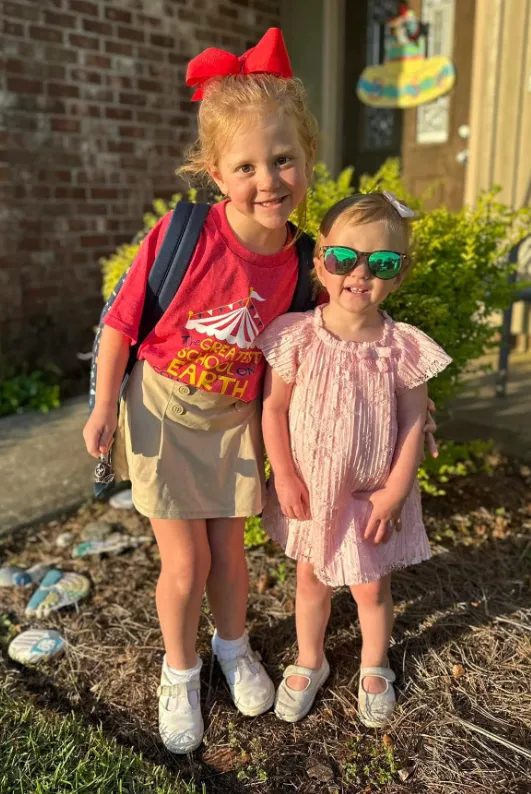
Every scar on her tiny body tells a story — not of pain, but of strength.
And every giggle, every hug, every heartbeat is proof that hope can win.
? Jaycee’s story isn’t just about beating cancer.
It’s about the power of love.
It’s about a sister’s gift, a family’s courage, and a miracle that will echo for the rest of their lives.
? Here’s to Jaycee — cancer-free, full of joy, and proof that sometimes, the smallest hearts carry the greatest strength.