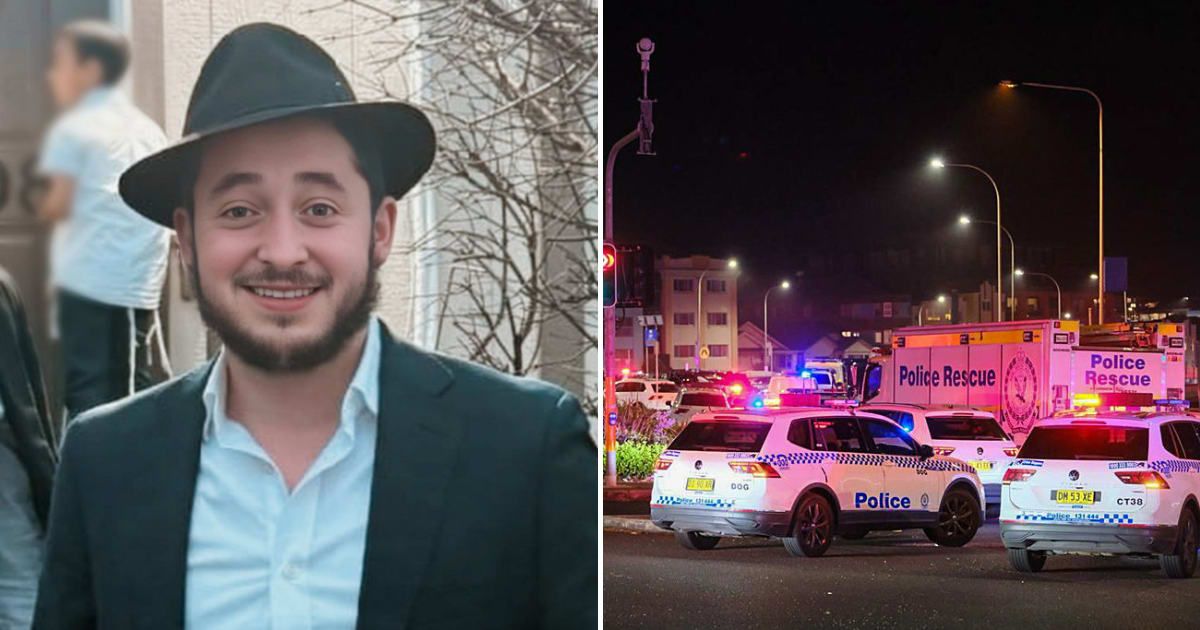
Leibel Lazaroff is only twenty years old, yet in a single moment, his life was split into a before and an after that no one could have imagined.
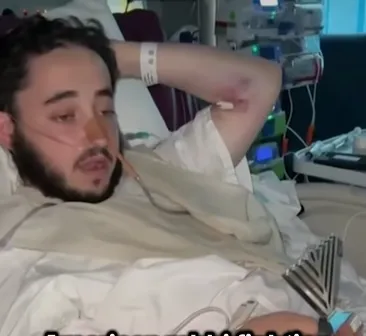
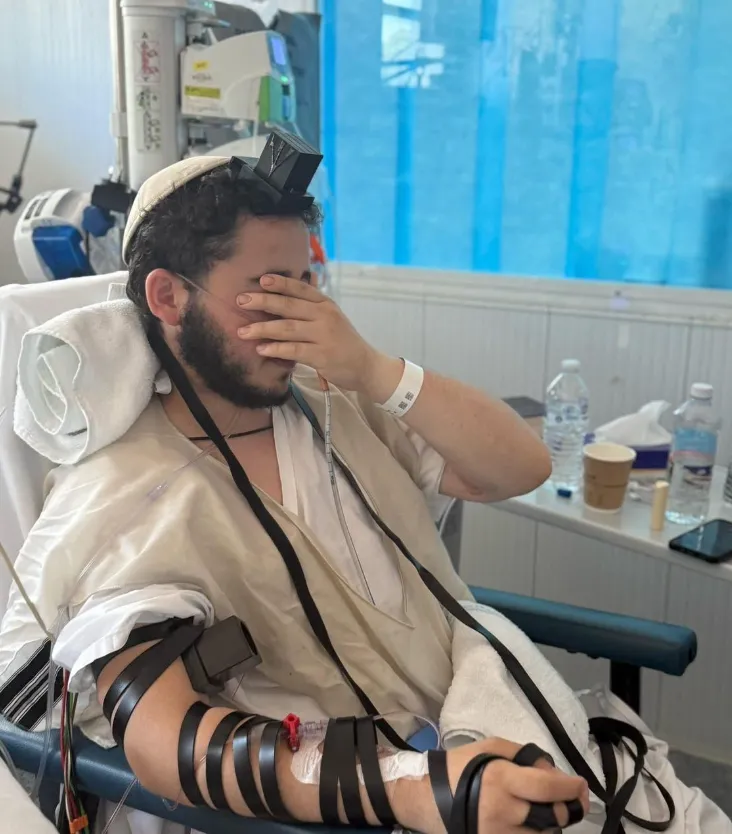
He is far from home, lying in an intensive care unit, surrounded by machines, tubes, and the quiet urgency of doctors moving carefully around his bed.
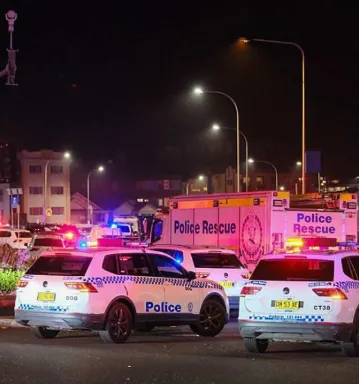
His body bears the marks of violence, struck multiple times by gunfire during the Hanukkah attack at Bondi Beach, an act of terror that turned celebration into chaos in seconds.
But this story is not only about what happened to Leibel.
It is about what he did when everything fell apart.
When panic erupted and people ran for safety, witnesses say Leibel did not flee.
He did not turn away.
He did not think first of himself.
Instead, he dropped to the ground beside a critically injured Australian police officer, a stranger bleeding heavily in the middle of unimaginable danger.
Leibel tore off his own shirt without hesitation, using it as a makeshift tourniquet, pressing down with steady hands while bullets and fear still filled the air.
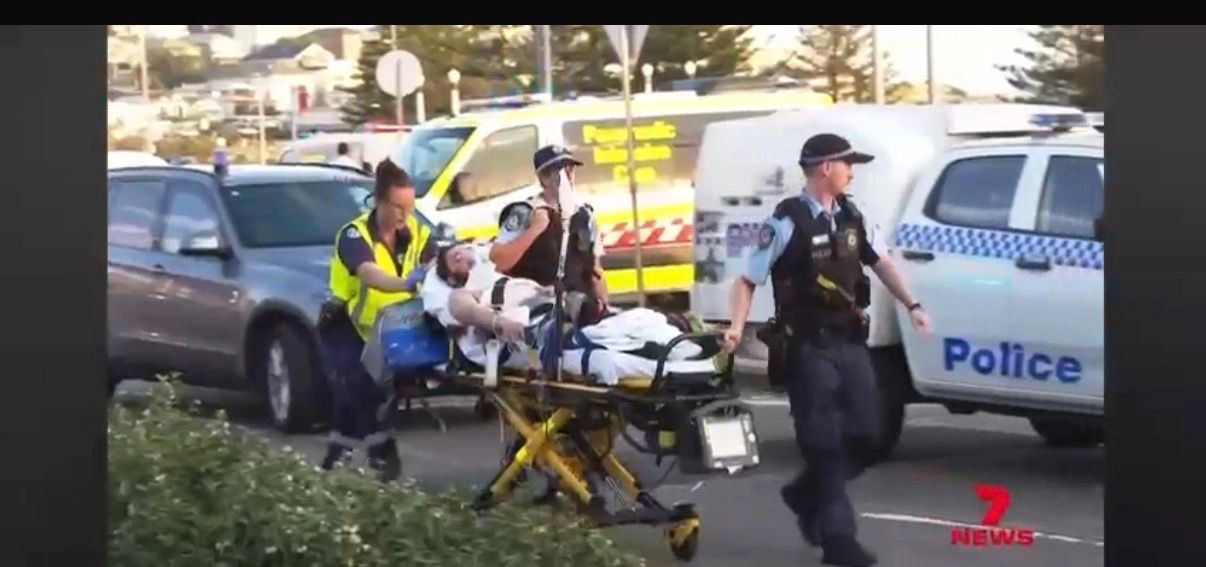
He placed his own body between danger and someone who needed help, choosing compassion over survival in a moment when instinct tells most people to run.
That decision likely saved a life.
And it nearly cost him his own.
This is who Leibel Lazaroff is.
A gentle soul with a quiet strength that only reveals itself when the moment demands it.
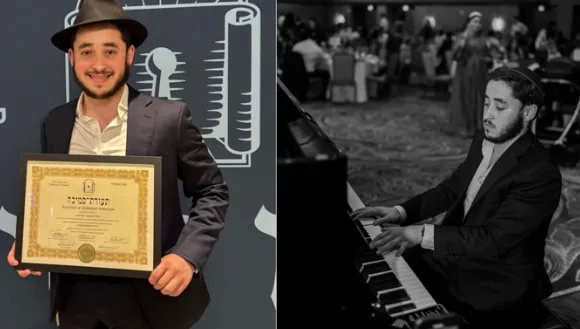
A teacher who believes in patience and listening.
A musician who understands how sound can heal where words fall short.
A storyteller who sees meaning in shared history and human connection.
Leibel traveled to Australia not for adventure or attention, but to serve as a rabbi’s intern, dedicating his time to building Jewish community, fostering belonging, and offering guidance to others.
He arrived with plans to teach, to learn, to grow, never imagining his faith and courage would be tested in the most violent way possible.
When the attack began, the beach transformed from a place of joy into a scene of terror, confusion, and screams.
In those moments, choices are made without time to weigh consequences.
Leibel’s choice was instinctive and selfless.
He acted as though protecting another human being mattered more than protecting himself.
Gunfire does not discriminate.
And neither does heroism.

Leibel was shot multiple times, sustaining severe injuries to his abdomen and leg, wounds so serious they required immediate, life-saving intervention.
He was rushed into surgery as doctors worked against the clock, repairing damage, stopping bleeding, and stabilizing a body pushed to its limits.
Since then, he has undergone multiple major surgeries, each one a reminder of how close he came to losing everything.
And the fight is not over.
More surgeries are still ahead.
More uncertainty still lingers in the air around his hospital bed.
Recovery will not be quick.
It will not be simple.
It will demand patience, strength, and resilience from someone who has already given so much.
Those who know Leibel describe him as kind in ways that are not loud or performative.
Kind in the way that shows up consistently, even when no one is watching.
Kind in the way that listens before speaking.
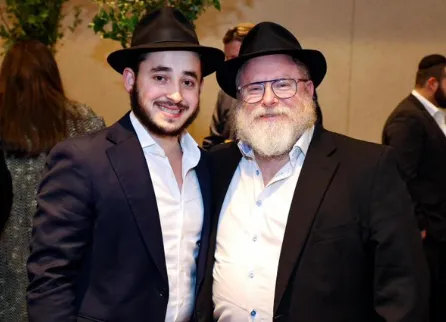
Kind in the way that believes every person carries a story worth honoring.
It is no surprise to them that, in the most dangerous moment of his life, he chose to help someone else.
What is surprising is how rare that kind of courage truly is.
In a world where fear often wins, Leibel chose love.
In a moment when survival instincts take over, he chose responsibility for another human being.
That choice has rippled outward, touching people across continents who may never meet him but are now holding him in their hearts.
Right now, Leibel is the one who needs protection.
He is the one who needs steady hands, careful care, and the unwavering support of people who believe his life matters.
His family waits anxiously for updates, measuring time in medical reports and hopeful signs.
Friends pray for strength, healing, and peace, knowing that even the strongest spirit can grow weary in moments like this.

Strangers who hear his story feel something shift inside them, a reminder that courage still exists in the world, even when darkness tries to dominate the narrative.
Leibel did not act for recognition.
He did not act to become a headline.
He acted because, in that moment, someone needed help, and he knew what to do.
That kind of heroism does not end when the sirens fade.
It lives on in the lives saved, the families spared deeper grief, and the hope restored by witnessing selflessness in action.
Now, as Leibel lies healing, the roles are reversed.
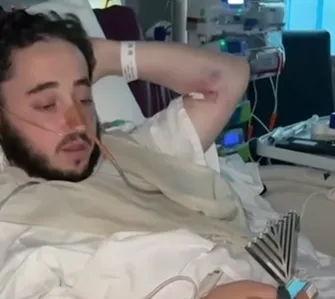
The helper has become the one in need.
The protector has become the one being protected.
And the world has an opportunity to respond in kind.
Prayers matter.
Messages matter.
Sharing his story matters.
Not because it glorifies violence, but because it honors humanity.
Because it reminds us that even in the face of terror, people can choose bravery without hatred, courage without aggression, and love without condition.
Leibel’s journey is far from finished.
His recovery will take time, strength, and support that extends beyond hospital walls.
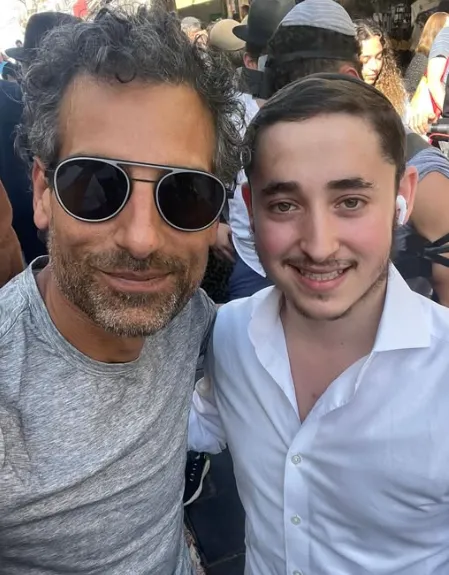
But if his actions tell us anything, it is that his spirit is built for endurance.
Built for compassion.
Built for moments when others need him most.
Now, he needs the same love he gave so freely.
Keep Leibel Lazaroff in your prayers.
Hold space for healing, for successful surgeries, and for a future where his story is one of survival as well as sacrifice.
Share his story so the world knows not just what happened, but who he is.
Because heroes do not always wear uniforms.
Sometimes, they tear off their own shirt, kneel beside a stranger, and choose humanity when it matters most.


