“Skylar Neese: When Friendship Turned Fatal”.6026

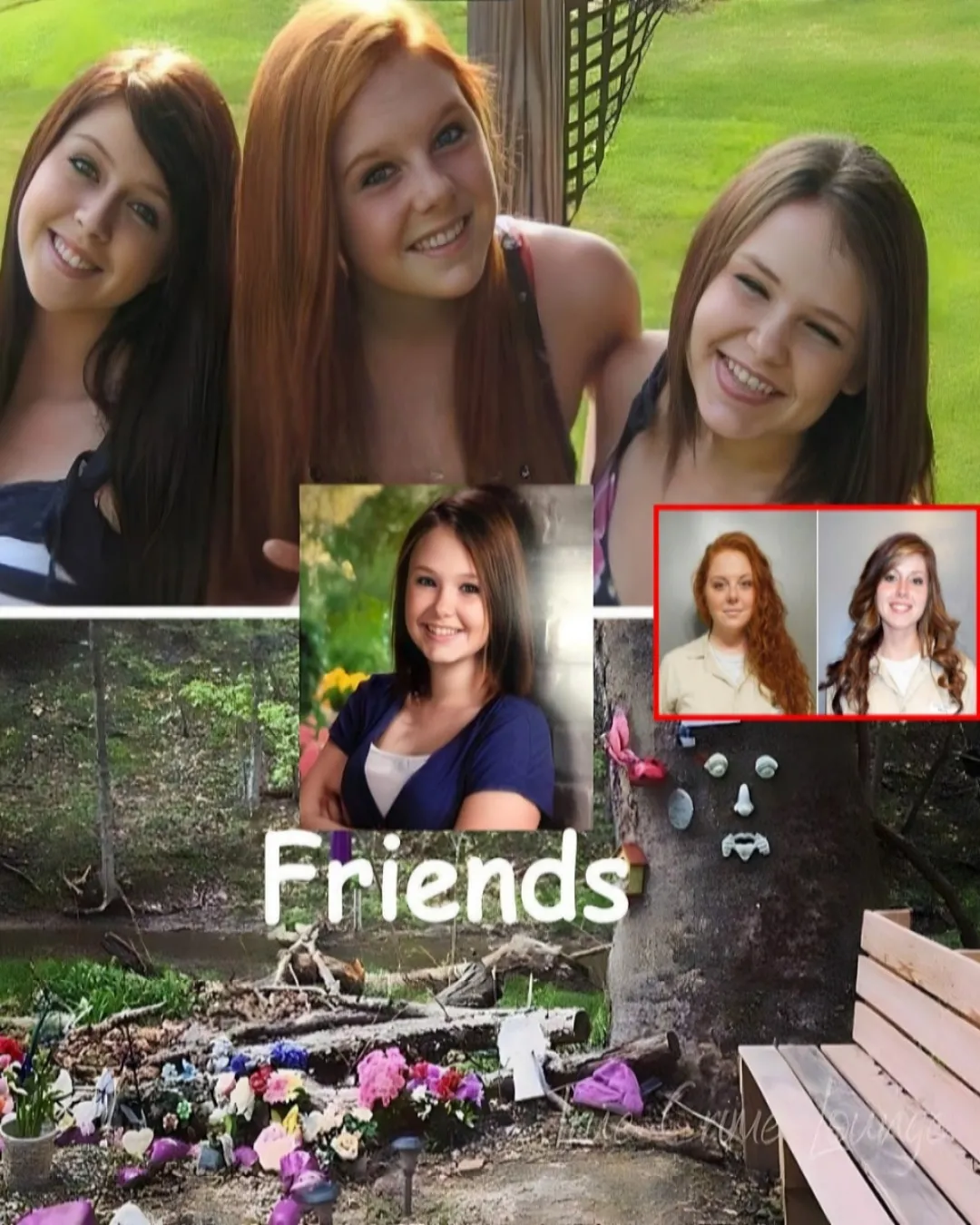
In the summer of 2012, Morgantown, West Virginia, still felt like a place protected by familiarity.
It was the kind of town where Friday nights smelled like fries and gasoline, and parents believed they could recognize danger before it reached their doors.
Across the Monongahela River, Star City seemed even quieter, wrapped in the comforting illusion that tragedy only happened somewhere else.
Skylar Neese lived inside that illusion like most sixteen-year-olds do.
She was an only child with bright grades, neat handwriting, and a future she spoke about with certainty.
Her parents, Dave and Mary, saw her as steady, responsible, and almost stubbornly good.
Skylar had dreams that sounded older than her age.
She wanted to become a lawyer, the kind who argued for the right thing and never backed down.
She liked rules, but she liked justice even more.

And like every teenager, she had her people.
Her best friends, Sheila Eddy and Rachel Shoaf, were woven into her daily life like threads in fabric.
Sleepovers, inside jokes, selfies, captions that made them look inseparable.
To the outside world, they looked like perfect daughters.
Three girls with fresh faces and harmless laughter.
Three girls who could stand beside a worried mother and still look innocent.
No adult noticed the silence growing beneath the smiles.
No teacher saw the small shifts in energy, the quiet resentments that don’t show up in report cards.
And when jealousy begins to rot in the dark, it does not announce itself.
It whispers.
It builds stories.
It convinces people they are victims when they are not.
By July 2012, the air felt thick with summer.
The days stretched long, and the nights belonged to teenagers who believed time was endless.
Skylar was working, saving, and living the ordinary life of a girl who expected tomorrow.
On July 5, she worked a closing shift at Wendy’s.
She clocked out around 10 p.m., came home, and said goodnight like she always did.
Nothing in her voice warned her parents that they were about to lose her forever.
She brushed her teeth.
She climbed into bed.
She texted her friends the way teenagers do when they think life is permanent.

Sometime after midnight, she left her room.
The window screen was removed, and a small chair was positioned beneath the sill.
The apartment was quiet, and that quiet would later feel like the cruelest detail of all.
At 12:30 a.m., a surveillance camera captured a grainy image outside the complex.
A slender figure slipped into a light-colored car waiting in the darkness.
The footage suggested she went willingly, and that assumption changed everything.
When Dave checked on Skylar the next morning, her bed was empty.
Her purse was still there, her toothbrush still on the dresser, her charger untouched.
A scene of normal life left behind, like a room paused mid-breath.
Mary’s heart knew something her mind couldn’t accept yet.
Parents often describe it as a physical sensation, like gravity suddenly changing.
She called out her daughter’s name, but the apartment answered with silence.
Police responded the way they often do in small-town missing teen cases.
They assumed she ran away, that she would cool off and return.
West Virginia’s Amber Alert requirements demanded evidence of abduction, and they said they didn’t have it.
They told the Neeses to wait a day.
Just give it a day, they said, as if love could schedule fear.
That single day became a week, and then a month, and then an abyss.

Mary printed flyers until the ink smudged her fingers.
Dave drove back roads until the smell of cold coffee lived permanently in his truck.
They searched wooded edges and parking lots and places no parent should ever have to imagine.
And through it all, two girls stayed close.
Sheila Eddy and Rachel Shoaf showed up, cried, and helped pass out flyers.
They hugged Mary, held her hands, looked into cameras, and begged for Skylar to come home.
It looked like loyalty.
It looked like teenage devotion.
It looked like the kind of friendship parents hope their children have.
Sheila posted messages online that sounded desperate and loving.
Rachel stood beside the family as if she belonged there.
If you didn’t know better, you would have thought the three girls were still three.
But the longer Skylar stayed missing, the more small details started to snag the investigation.
Phone records did not align with the stories being told.
Timelines had holes where truth should have been.
And detectives began to notice that grief can be performed.
At University High School, whispers began to grow.
Teenagers notice energy shifts faster than adults do.
They began to ask why the “best friends” seemed so strange, so inconsistent, so tense.
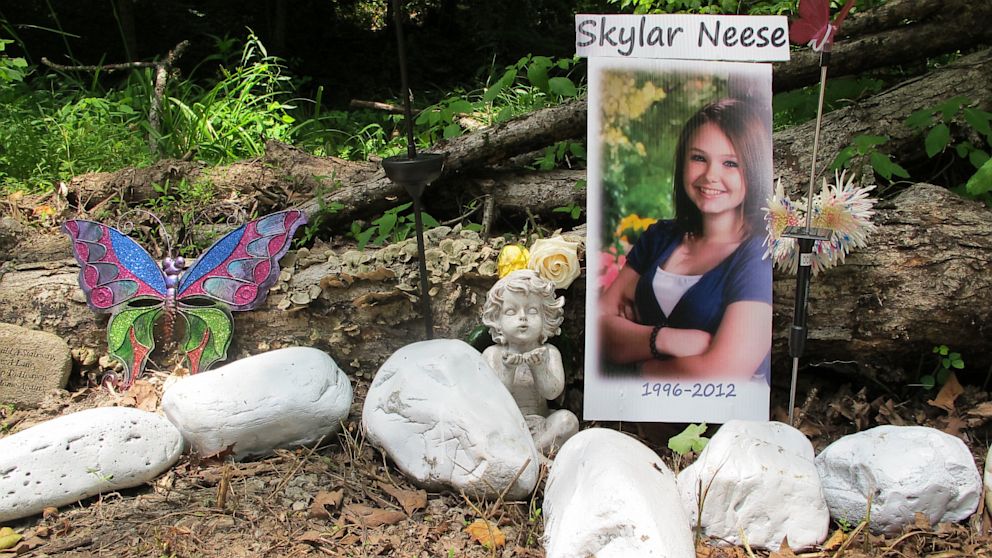
No one wanted to believe it.
No one wanted to say the words out loud.
But the question spread anyway, like smoke.
What if Skylar’s best friends knew more than they were saying.
What if they were not searching for her.
What if they were hiding something monstrous behind their faces.
Investigators pushed gently at first.
They interviewed, re-interviewed, compared statements, and watched reactions.
They looked for the human cracks that appear when lies are carried too long.

Sheila and Rachel told stories that sounded almost plausible.
They described nights, texts, and plans.
But every time they talked, another piece didn’t fit.
The case hardened around them.
It was not enough to suspect, because suspicion is not proof.
But the deeper detectives went, the more those two girls remained at the center like a stain that wouldn’t wash out.
Meanwhile, the Neeses lived inside a nightmare with no ending.
Mary slept with her phone beside her like a lifeline.
Dave woke up in the night imagining footsteps returning, then remembered again.
Hope becomes complicated when it lasts too long.
It can keep you alive, but it can also torture you.
Every unknown number, every knock on the door, becomes a possible resurrection.
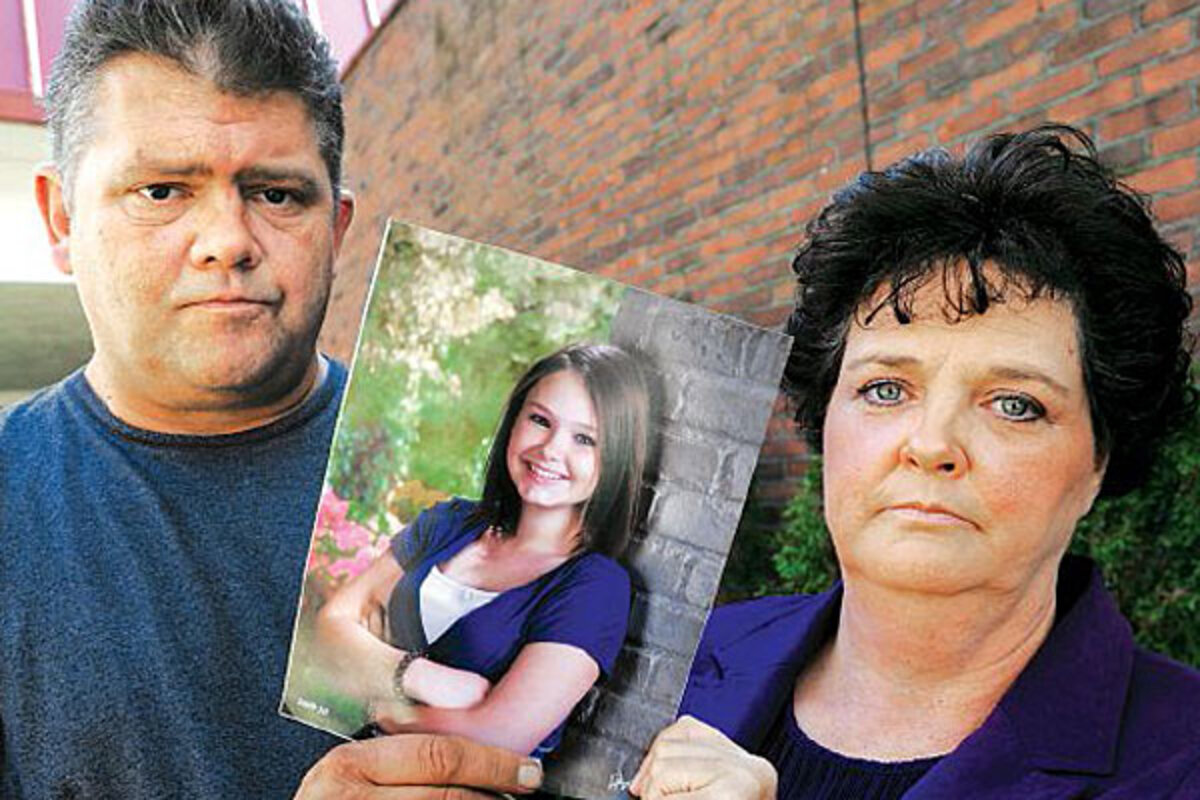
Days turned into weeks.
Weeks turned into months.
And Skylar did not come home.
In public, Sheila kept playing her part.
She posted, she cried, she stayed close to Mary.
But some people began to notice something cold behind her eyes.
Rachel seemed quieter, more fragile, like she carried a private storm.
Sometimes she appeared anxious, sometimes numb.
She looked like someone standing on the edge of a confession she couldn’t survive.
Then the pressure began to crack the truth open.
Interviews grew sharper, questions repeated in different ways.
Police dug into digital footprints, text histories, and patterns that teenagers think are invisible.
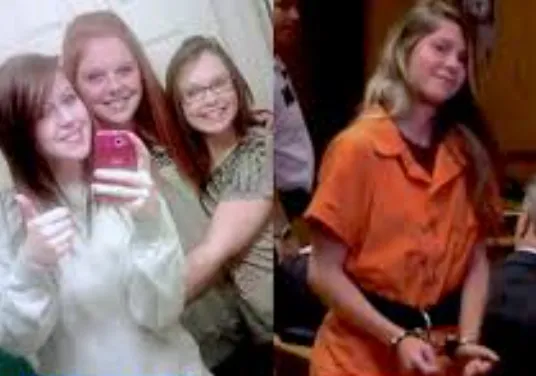
Eventually, the investigation cornered them with evidence and time.
Lies are heavy, and teenagers are not built to carry them forever.
What begins as a secret can become a prison.
When Rachel finally broke, it did not come out cleanly.
It came out like a wound opening, messy and horrifying.
The truth was worse than the worst things the Neeses had imagined.
Skylar was not a runaway.
She was not lost somewhere waiting to be found.
She had been taken on purpose by the people closest to her.
Her best friends had lured her out.
They drove her away from her home, away from safety, away from the life she trusted.
And in a place far from streetlights and witnesses, they ended her.
The motive did not arrive with a single clear reason.
It was a tangled mess of resentment, jealousy, and teenage cruelty that had metastasized into something lethal.
It was the kind of motive that terrifies adults, because it is so small compared to the horror it caused.
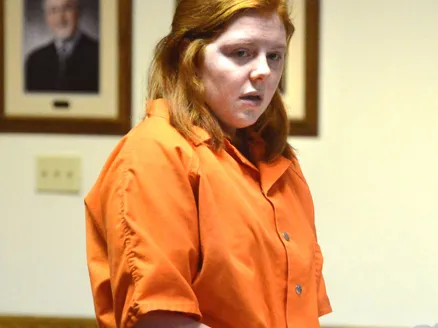
Jealousy can be petty in daylight.
But in the dark, it can become violent when paired with immaturity and malice.
Two girls convinced themselves their anger mattered more than Skylar’s life.
When details emerged, the nation felt sick.
People couldn’t stop asking how two teenagers could do something so brutal.
How they could smile in family photos and still carry that darkness inside.
And perhaps the most chilling part wasn’t only what they did.
It was what they did afterward.
They stood beside Skylar’s parents, offered comfort, and helped search.
They performed grief while knowing exactly where Skylar was.
They cried in front of cameras while carrying the truth in their pockets.
That kind of betrayal leaves a scar that doesn’t fade.
For Mary, the realization shattered reality.
The girls she had welcomed into her home were the ones who destroyed her daughter.
The trust she offered them became a weapon used against her.

Dave, who had believed rules and goodness were shields, learned the hardest lesson.
A clean report card does not guarantee a clean soul.
A smiling face can hide a storm capable of murder.
Skylar’s story became a warning wrapped in tragedy.
It showed that danger is not always a stranger in a dark alley.
Sometimes it is a friend in your bedroom taking selfies beside you.
It forced communities to rethink what they call “safe.”
It forced parents to realize that evil does not always look like evil.
It forced a nation to confront how quickly teenage conflict can turn catastrophic.
But beneath the headlines, there was still a girl.
Skylar, who loved her parents, joked about the future, and believed in fairness.
Skylar, who should have grown up into the lawyer she imagined.
Her room remained filled with the ghosts of unfinished life.
Her clothes, her schoolwork, her possessions became artifacts of a future stolen.
Everything familiar became painful.
Her parents had to learn how to breathe in a world that no longer made sense.
They had to learn that closure is not the same as healing.
Knowing what happened does not return what was taken.
In courtrooms, people argued about punishment and justice.
Some demanded the harshest possible response.
Others tried to understand how young killers are made.
But understanding is not forgiveness.
Explaining a path does not excuse walking it.
And the fact remained: Skylar was gone.
The community of Morgantown would never be the same.
Parents looked at friendships differently.
Teenagers looked at each other differently.
For years, Skylar’s name continued to carry weight.
Not just as a true-crime headline, but as a reminder of what betrayal can look like.
A reminder that cruelty can wear a soft face.
And still, there was another layer beneath everything.
Because “why” is never satisfied by a single answer.
People wanted to know what made those girls lose their way.

The tragic reason was not a single dramatic villain origin.
It was something quieter and more terrifying: untreated resentment, emotional chaos, and a lack of empathy that grew unchecked.
It was the human ability to dehumanize someone you claim to love.
They did not wake up one day as monsters.
They became monsters in small steps, in small thoughts, in small cruelties that were never corrected.
And when the final step came, it was irreversible.
That is what makes the case so haunting.
Because it suggests evil can grow in ordinary places, among ordinary people, without anyone noticing.
It suggests that paying attention matters more than we want to admit.
Skylar’s story asks parents to listen harder.
It asks schools to take bullying, social cruelty, and mental instability seriously.
It asks communities to stop dismissing teenage pain as harmless drama.
Because sometimes “drama” is a warning sign.
Sometimes the silent resentment in a friend group is a fuse.
Sometimes nobody sees the explosion coming until it destroys everything.

In the end, Skylar Neese became more than a missing poster.
She became a reminder that loyalty can be faked and love can be betrayed.
She became a name that still hurts to say.
She should have come home that night.
She should have grown up.
She should have lived long enough to learn who she would become.
Instead, her story stands as a dark lesson written in heartbreak.
A lesson about trust, about masks, about the danger of ignoring quiet cruelty.
A lesson that Morgantown learned too late.
Magnus’s Journey — The Little Fighter With a Giant Heart.2945

💚 Magnus’s Journey — The Little Boy With a Fighter’s Heart 💚
Meet Magnus — a baby whose smile can soften even the hardest day.
He is bright-eyed, curious, and full of mischief. To anyone watching, he seems like every other perfect baby boy — except for one heartbreaking truth.
When Magnus was just three months old, his parents, Abe and Lauren, heard the words no family ever wants to hear:
“Your son has chronic kidney disease.”
There was no way to prepare for it.
No cure to hope for.
Only treatment — and faith.

💚 The Diagnosis That Changed Everything
What began as a routine checkup turned into a nightmare of tests, consultations, and urgent hospital transfers. Doctors discovered that Magnus’s kidneys were failing. Tiny as he was, his body was already struggling to filter toxins, regulate fluids, and support growth.
He spent weeks in hospitals — five at Mass General, two more at Boston Children’s — hooked up to machines, surrounded by monitors, with his parents never leaving his side.
Abe still remembers the sound of the first dialysis machine.
Lauren remembers the first time she held him after surgery — careful not to disturb the tubes and lines running from his tiny body.
“He looked so small,” she said, “but somehow, he was the strongest person in the room.”

💚 Life Between Hospital Walls
Days blurred into nights filled with alarms, medication schedules, and whispered prayers. Nurses learned his favorite songs. His doctors called him “the tiny fighter.”
Magnus grew up faster than most babies. Not in size — but in spirit.
He learned to smile through blood draws. He giggled when nurses checked his vitals. He kicked his legs at the sight of ceiling fans — his favorite distraction from pain.
Even through exhaustion and fear, Abe and Lauren found joy in the smallest moments — his first laugh, his first grasp, the way he’d furrow his brow when the world didn’t make sense.

💚 The Hope of a New Beginning
For now, Magnus’s kidneys keep failing little by little.
He takes more medications than most adults. Each dose, each checkup, each test is a step toward one single hope — a kidney transplant.
And that hope may come from his own father.
Abe is currently undergoing testing to see if he can donate one of his kidneys to his son. If all goes as planned, early 2026 could mark the beginning of Magnus’s new life — one not ruled by machines, pain, or endless hospital rooms.
It will be a long recovery — surgeries, follow-ups, medications for life — but it will give him something priceless: freedom.

💚 Who Magnus Is
Beyond the medical charts and diagnoses, Magnus is just a baby learning the world.
He loves music — his parents say lullabies calm his heart faster than any medicine. He giggles at rhymes, bright lights, and the sound of wind chimes.
He hates the summer heat, tummy time, and his iron supplement — the “yucky” one that always earns a scrunched-up face.
He’s fiery, funny, and full of life — a little boy who doesn’t know how brave he is, because bravery has become his normal.
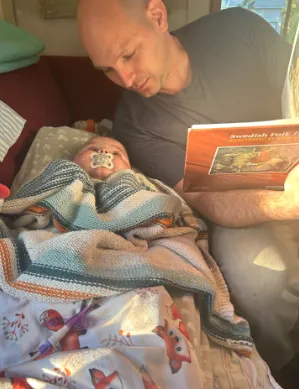
💚 The Cost of Survival
But survival comes with a price.
Even with insurance and the unwavering support of friends and family, the medical bills are staggering — stretching into the hundreds of thousands.
Each hospitalization, every test, and the upcoming transplant brings a new wave of expenses: travel, medications, equipment, and lifelong care.
That’s why Abe and Lauren are asking for help — not just to cover bills, but to give their son the best chance at the life he deserves.
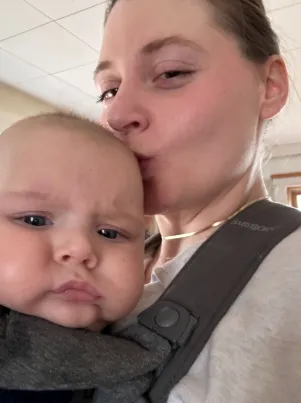
💚 Why This Story Matters
Magnus is more than a baby with kidney disease.
He’s a reminder of how fragile — and how powerful — life can be.
Every day he wakes up and smiles, despite everything he’s endured. Every giggle, every milestone, every little victory is proof that he’s not defined by his illness.
And his parents?
They are living examples of what unconditional love looks like.
They measure time not in days, but in good moments — the kind that make the fight worth it.

💚 The Road Ahead
If the transplant goes as planned, 2026 will be the start of a new chapter.
Abe will give his son a piece of himself — quite literally — so Magnus can grow, run, explore, and someday tell his own story of survival.
But until that day comes, there are sleepless nights, clinic visits, and a million small battles to win.
Every donation, every share, every kind message helps carry this family forward — helping them focus on what matters most: Magnus’s life, health, and future.
💚 A Message From His Parents
“Magnus is our miracle,” Abe and Lauren wrote. “He has already endured more than we ever imagined, yet he greets each day with the same smile that saved us. Your kindness keeps us standing. Your support keeps him fighting.”

💚 A Little Fighter With a Big Future
Magnus’s journey isn’t easy — but it’s filled with hope.
Because love like this doesn’t break. It endures, it heals, and it grows stronger with every challenge.
And someday soon, that tiny boy who once lived under the hum of hospital lights will step into the sunlight — free, healthy, and full of life.
For now, he’s still fighting. Still smiling.
Still proving that even the smallest hearts can carry the greatest strength.