Suzanne Cherry: A Life Taken Where It Should Have Been Safe.6220

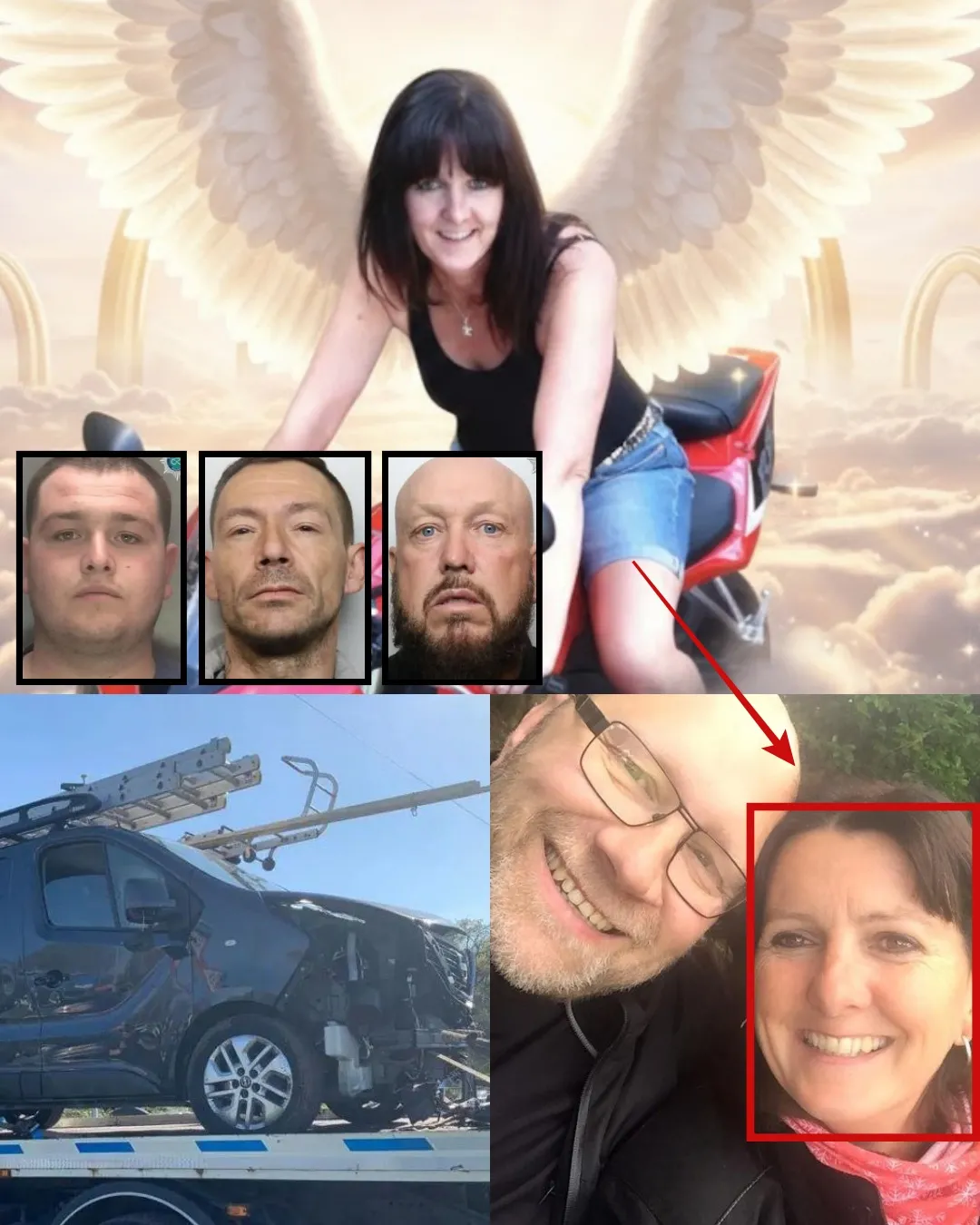
The morning at Aston Wood Golf Club began the way so many peaceful mornings do.
Fresh grass, quiet fairways, and the soft rhythm of a game that rewards patience rather than speed.
Nothing about the day suggested it would end in violence.
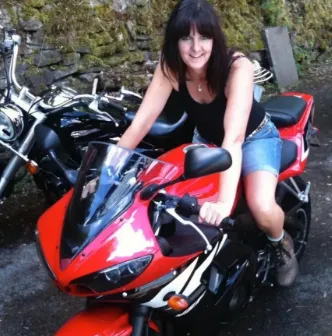
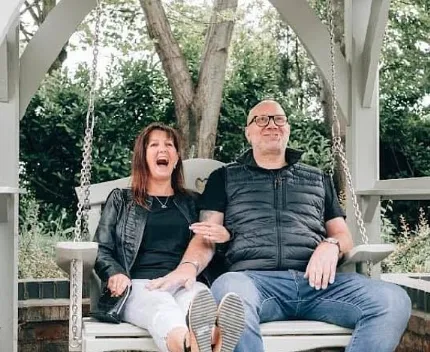
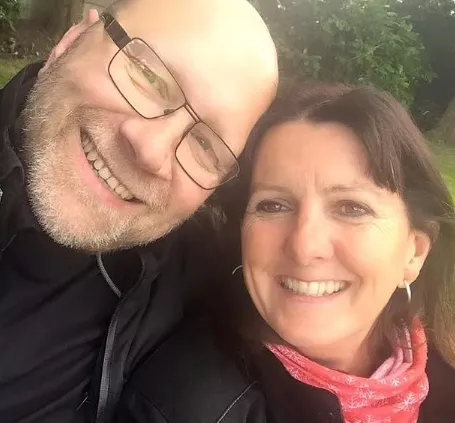
Suzanne Cherry arrived early with her husband, Clinton Harrison.
They were not rushing, not distracted, not doing anything out of the ordinary.
They were simply living their life together.
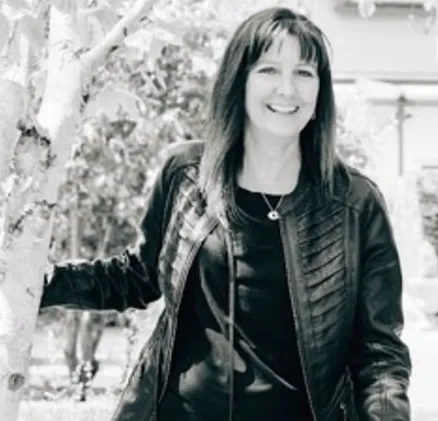
They had played this course many times before.
Golf, for them, was not about competition but about ritual.
A shared walk, shared silence, shared moments that stitched years together.
Before teeing off, they did what they always did.
A small peck on the cheek, a handshake, a smile exchanged without words.

It was a habit built from love, not routine.
Suzanne was sixty-two years old.
She was a mother of three adult children and a stepmother who anchored her family with calm strength.
To those who loved her, she was dependable in a way that felt permanent.
She was also vibrant.
Friends described her as warm, encouraging, and full of quiet humor.
The kind of woman whose presence steadied a room.
As the couple began their game, the world beyond the fairway was unraveling.
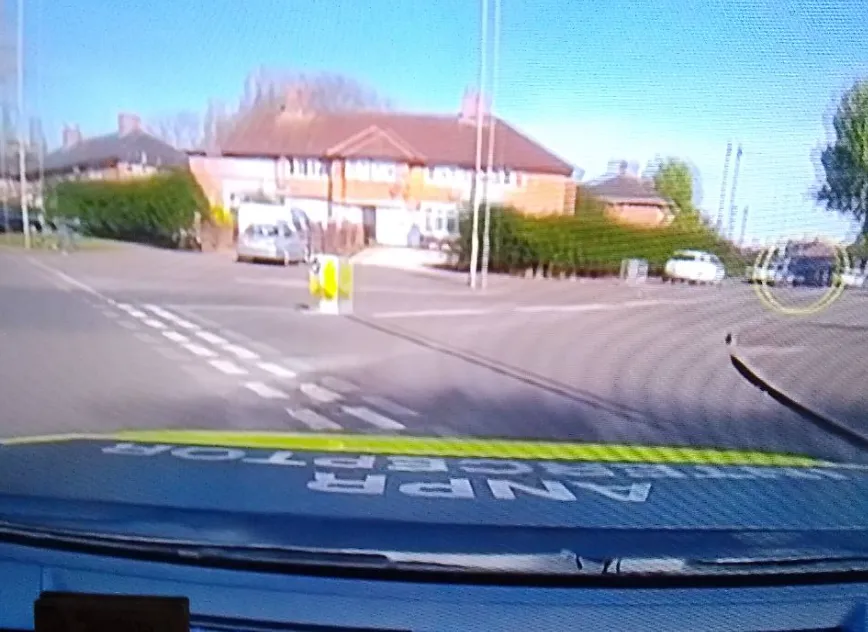
Several miles away, police officers had spotted a grey Nissan van behaving suspiciously.
Inside were three men already steeped in criminal intent.
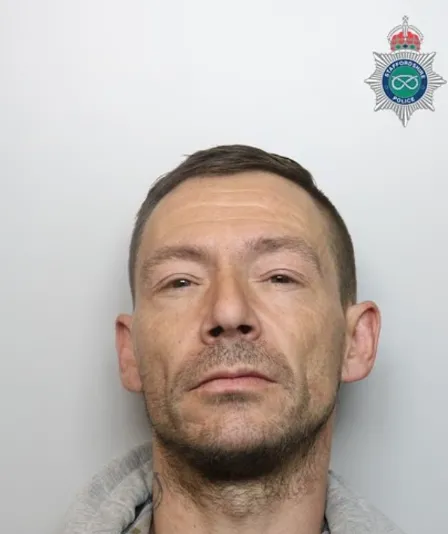
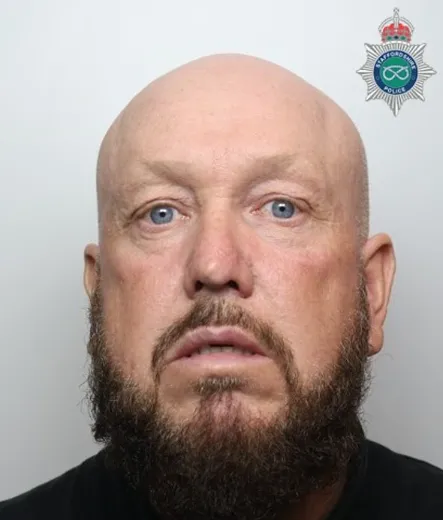
John McDonald, fifty-two, was behind the wheel.
He did not have a driving license and could not read or write.
But he had no hesitation when it came to fleeing.
The van had been following an elderly woman to a cash machine.
She was one of many victims targeted for fraudulent roofing work.
Police intervention interrupted a crime already in motion.
When officers attempted to stop the van, McDonald chose escape.
Not caution, not surrender, not concern for anyone else.
Just flight.
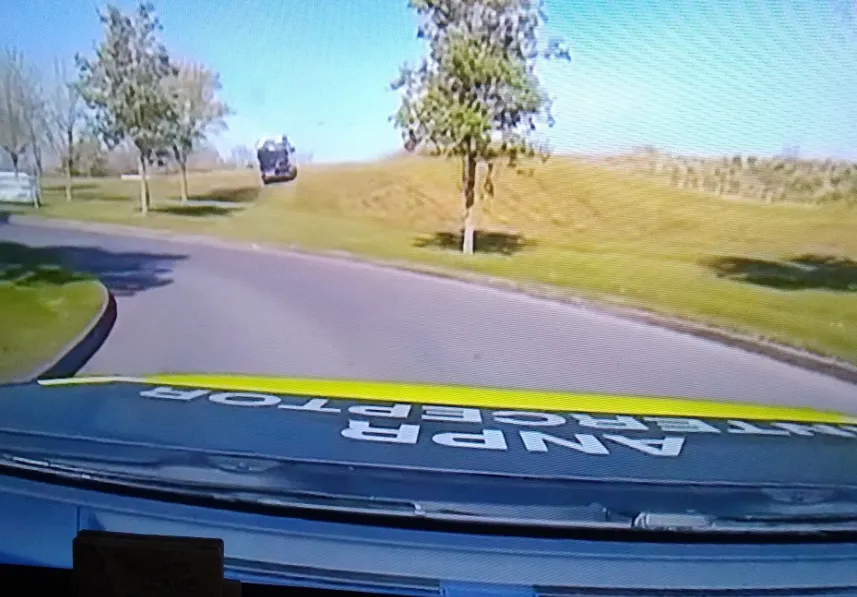
The chase began quietly.
Then it escalated into something reckless and terrifying.
Sirens wailed as the van surged forward.
For twelve minutes, the vehicle tore through roads not designed for speed.
Seventy miles per hour in thirty zones.
Red lights ignored, lanes violated.
McDonald drove on the wrong side of the road.
He crashed into cars, including one carrying an eleven-month-old baby.
He did not slow.
At several points, he deliberately rammed the police vehicle behind him.
He reversed into it, attempting to disable it.
It was not panic, prosecutors said, but persistence.
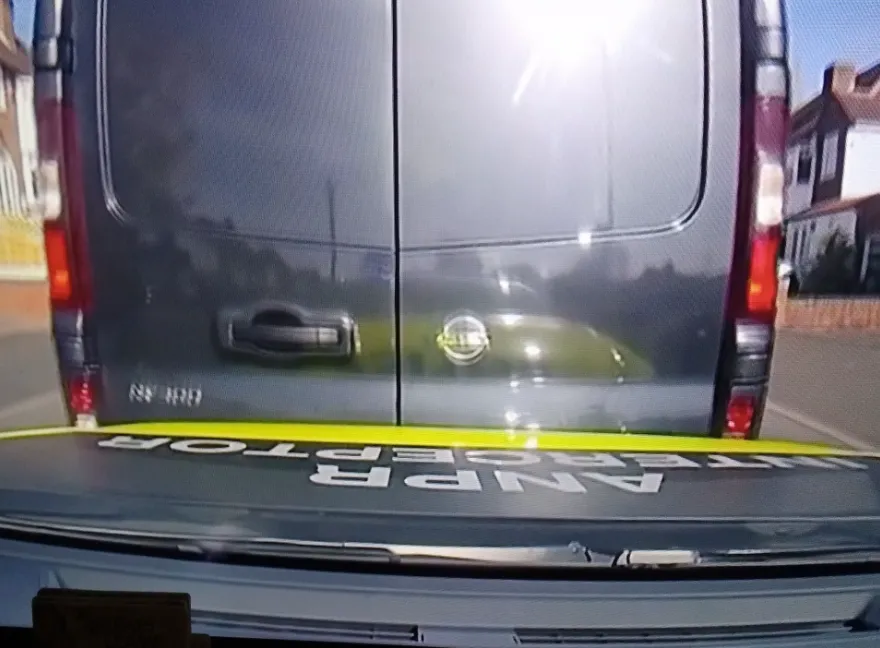
Inside the van were his son, Johnny McDonald, and Brett Delany.
They did not stop him.
They did not tell him to surrender.
Later, Delany would say he closed his eyes.
As if not seeing could erase responsibility.
As if distance could exist inside a moving vehicle.
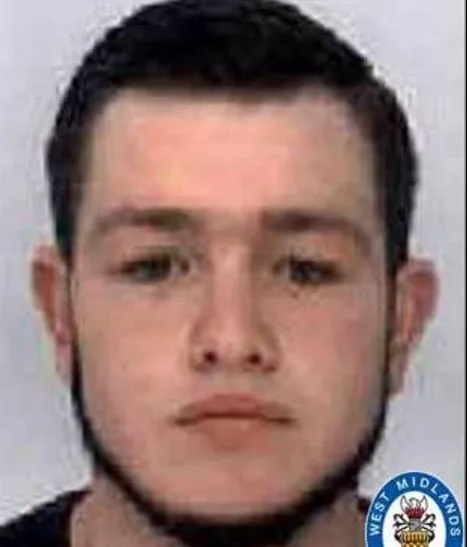
Back on the golf course, Suzanne Cherry played her tee shot.
It went straight and clean, just the way she liked it.
The game continued, unaware.
Her second shot drifted toward a stream.
She began walking ahead, ten to fifteen yards in front of her husband.
The moment was ordinary.
Then Clinton Harrison heard something that did not belong.
The sound of an engine, fast and wrong.
A sound that shattered the illusion of safety.
He looked up and saw the van.
It was coming down an embankment, uncontrolled and accelerating.
It was heading directly toward Suzanne.
He shouted her name.
He shouted as loud as he could, with everything in his chest.
She turned.
There was no time.
No space to react.
No chance to escape.
The van struck her.
The impact was violent and unforgiving.
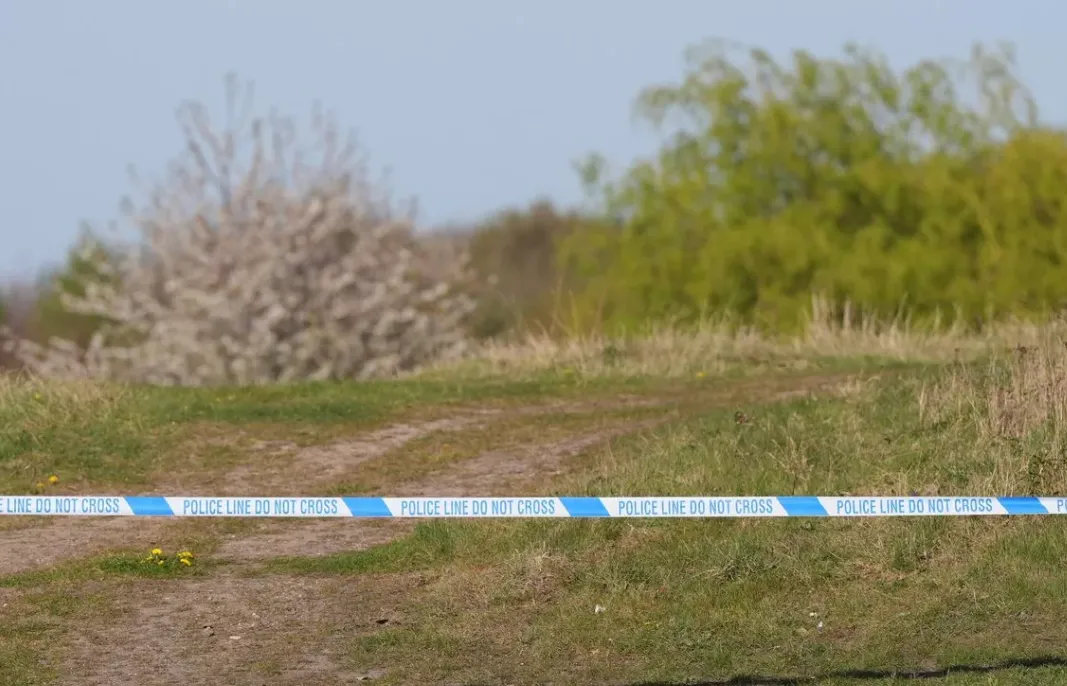
A peaceful golf course became a crime scene in seconds.
Clinton watched in helpless horror.
The person he had built his life with was struck down without warning.
The moment rewrote his existence forever.
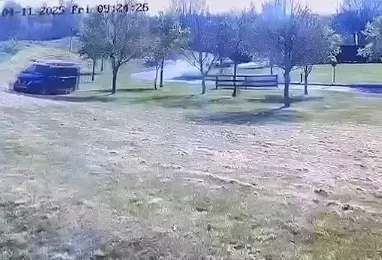
The van did not stop.
Its door flew open as it came to rest.
Men spilled out and ran.
One of them stepped over Suzanne’s body as he fled.
Not around her.
Over her.
Clinton screamed.
He screamed so they would hear him.
So his voice would follow them.
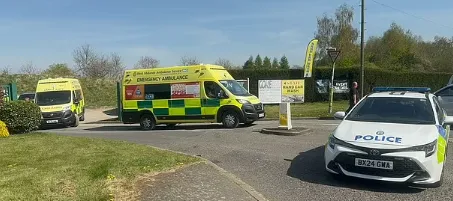
Emergency services arrived quickly.
Paramedics worked with urgency and precision.
Every second mattered.
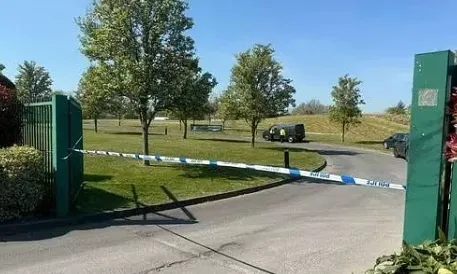
Suzanne had suffered catastrophic injuries.
Her leg was so badly damaged it had to be amputated in hospital.
She fought to live.
She was flown by air ambulance.
Doctors operated, transfused blood, and did everything they could.
But the damage was too severe.
Four days later, Suzanne Cherry died.
Her family gathered around a loss that could not be understood.
A life ended not by illness or age, but by criminal choice.
Police continued their investigation.
They reconstructed the chase second by second.
Five seconds before the airbag deployed, the van was still traveling at forty-one miles per hour.
The three men were arrested days later.
Initially, they were charged with manslaughter.
They denied responsibility.
As the case moved through court, details emerged that deepened the outrage.
The fraud operation had targeted elderly and vulnerable victims.
It was deliberate, prolonged, and calculated.
Roofing work that did not need doing.
Repairs that were never completed.
Tens of thousands of pounds stolen.
The day Suzanne was killed, they were actively committing fraud.
They were following a victim to withdraw cash.
They were already exploiting someone when police intervened.
In court, footage of the chase was played.
Jurors watched as the van smashed through traffic.
They saw a pattern of disregard for life.
They also heard from Clinton Harrison.
He stood before the court not as a man seeking vengeance.
But as a man whose foundation had been destroyed.
He spoke of Suzanne as a mother and stepmother.
As a confidante, a friend, a steady anchor.
As someone whose presence shaped every room she entered.
Through tears, he described the future stolen from her.
Birthdays, weddings, grandchildren she would never meet.
Milestones erased by one reckless decision.
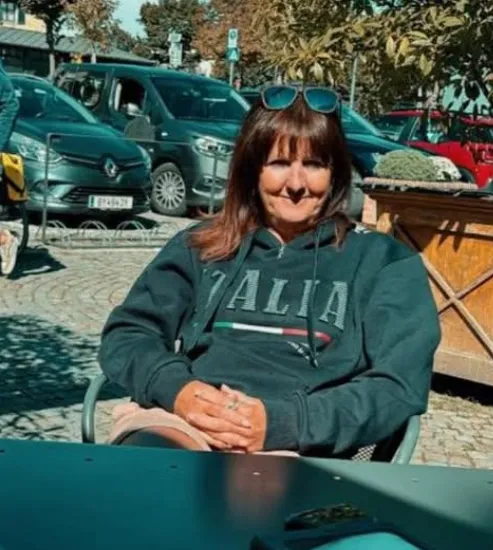
Suzanne’s mother, Maureen Humphries, also spoke.
At eighty-nine years old, she described her daughter as the heartbeat of the family.
Vibrant, full of life, irreplaceable.
She said her daughter’s life had been discarded.
Not lost, not taken by chance.
Discarded by people who did not care.
John McDonald eventually admitted causing death by dangerous driving.
He also pleaded guilty to conspiracy to commit fraud.
The truth, finally, entered the record.
His son and Delany also admitted their roles in the fraud.
The court heard they all had previous convictions.
Patterns repeated until they ended in death.
Sentencing looms.
The law will impose consequences.
But nothing will restore what was taken.
Suzanne Cherry will never walk another fairway.
Her husband will never again wait for her second shot.
Her children will carry her absence through every stage of life.
This case is not just about speed.
It is about choices made repeatedly, deliberately, without regard for others.
It is about valuing escape over human life.
Police chases raise difficult questions.
But in this case, the danger came not from pursuit, but from refusal to stop.
From a driver who would not surrender.
A golf course is meant to be safe.
A place of leisure, not loss.
That illusion was shattered.
Suzanne Cherry did nothing wrong.
She was standing still.
Living her life.
And because of that, her story matters.
Because innocent lives should not be collateral damage.
Because remembering her is a form of justice.
Her name now carries weight beyond her family.
It carries warning, grief, and truth.
And it deserves to be spoken.
Suzanne Cherry mattered.
Her life mattered.
And her death must never be reduced to a footnote.
“A Hug, Baked Beans, and the Heart of Heards BBQ”514
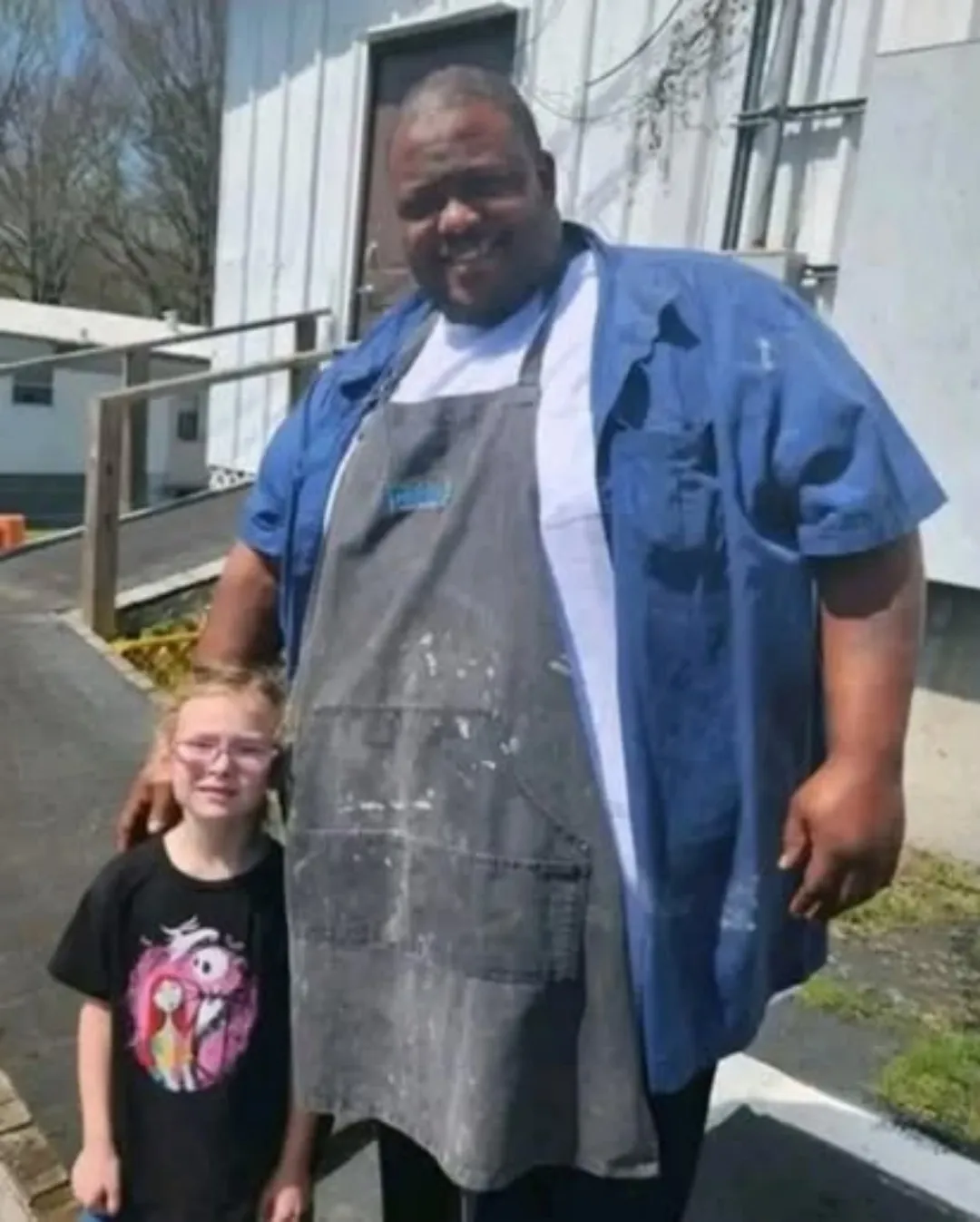
Sometimes the little moments remind us why we do what we do.
At Heards BBQ, we’ve had regulars who come in week after week, and Misty is one of those people. She’s not just a customer—she’s become part of the Heards family. For years, she’s made the trip to our Maplesville location just to see me and pick up her favorite: Heards Baked Beans. It wasn’t just about the food; it was about the connection, the smile exchanged, the simple familiarity of a friendly face.

Well, today was different. Our location had moved, and Misty didn’t recognize it. She looked around, eyes narrowing slightly, clearly trying to make sense of the new space. I don’t think she believed this was Heards BBQ. Maybe she thought we had changed something about her little tradition.
Before I could even say a word, there she was—running toward me, her voice calling out, “MR. ROMAN!”—and she threw herself into a hug that made everyone nearby smile. The joy on her face was contagious. That hug wasn’t just a greeting; it was a reminder of trust, of loyalty, of the human connections we often overlook in the middle of our busy days.
And yes, she got her baked beans. The ones she’s loved for years. The ones that somehow taste even better when shared with people who know you, who care about you, who make you feel like part of something bigger.
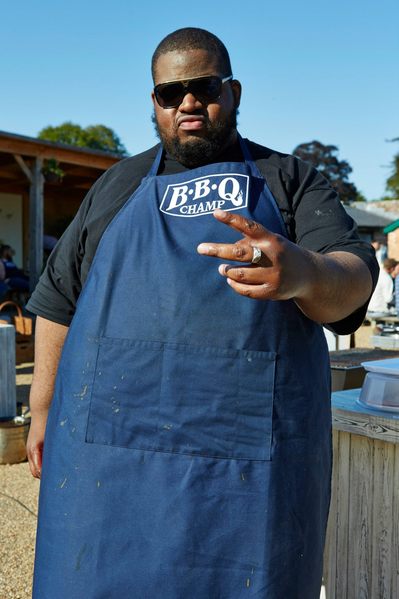
It struck me then—sometimes, we let business, deadlines, and daily tasks cloud our minds. We rush, we stress, we focus on numbers and schedules, and we forget the relationships that truly matter. The people who become like family, who show up, who remember you, who make you laugh, who hug you like you’re home.
Misty reminded me today that while good food is important, it’s the connections we build along the way that truly make life meaningful. That hug, that smile, that shared laugh—it’s what keeps this work worth it. And her baked beans? Well, they’re just the icing on the cake.
In the end, it’s these small, human moments—unexpected, heartwarming, and full of love—that remind us why we do what we do. And for that, I am grateful. ❤️