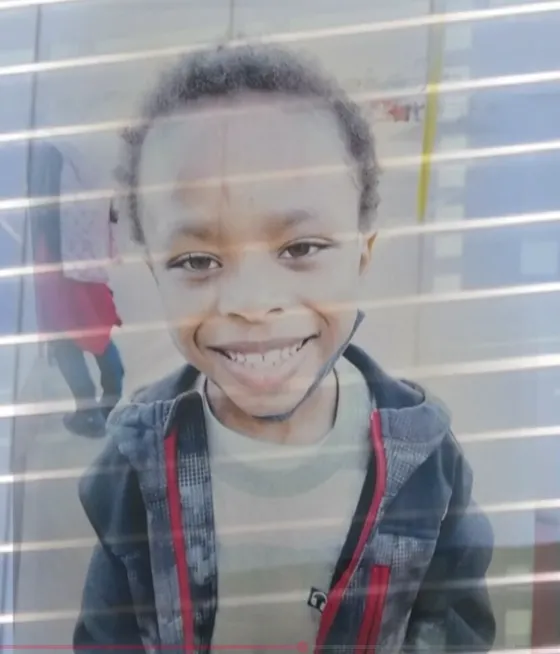
He was only eight.
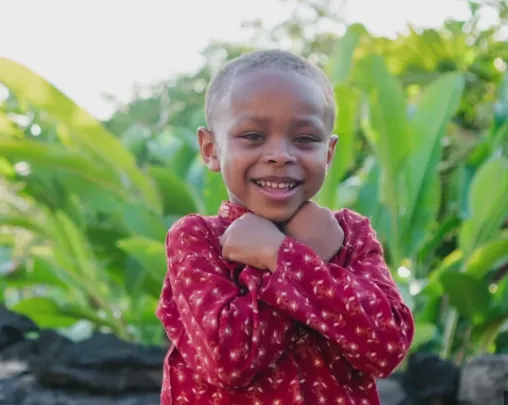
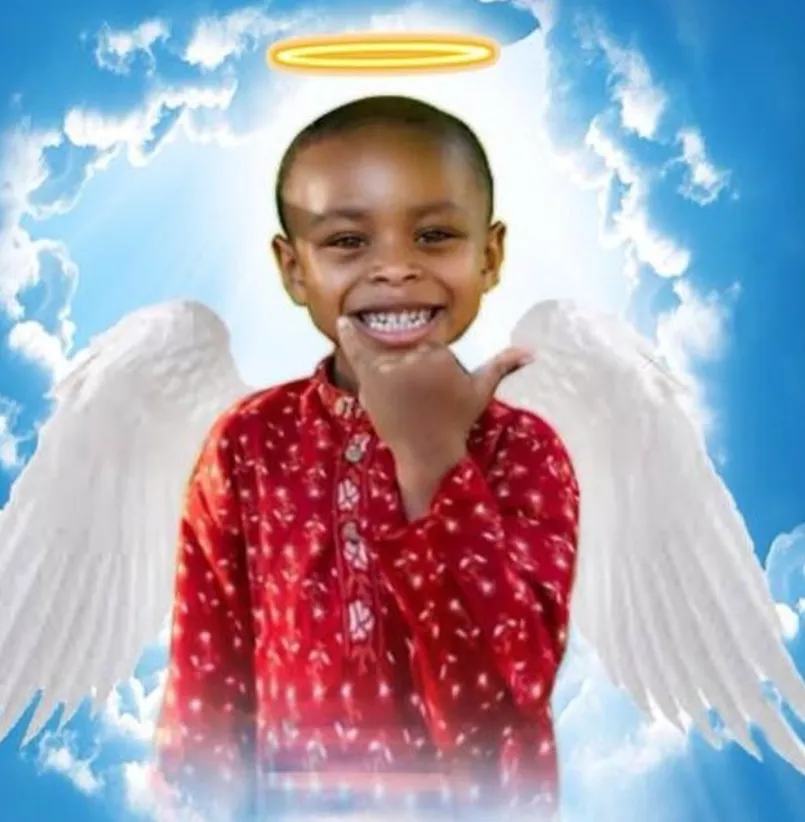
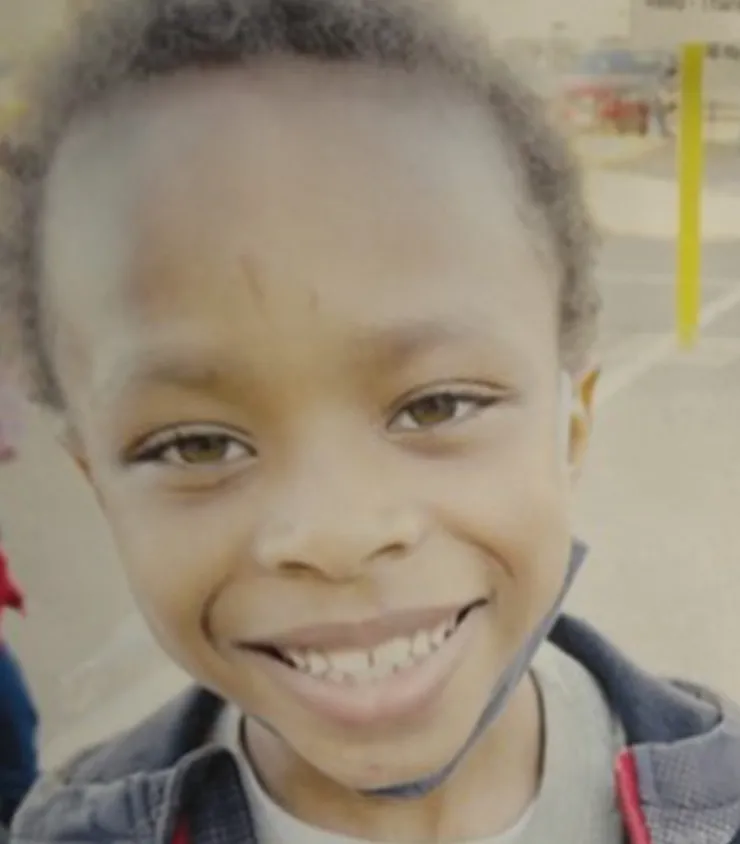
A quiet boy with a shy smile and eyes that always seemed to be searching for something — comfort, maybe, or safety.
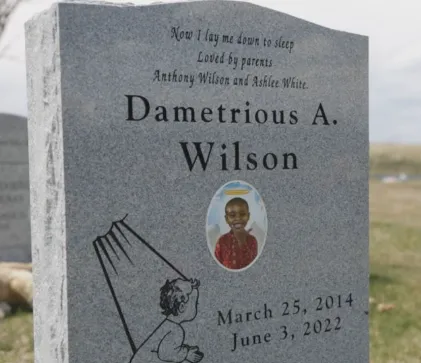
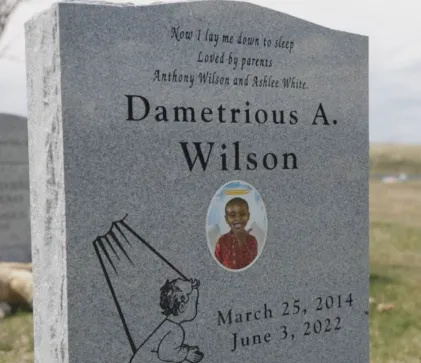
His name was Dametrious Wilson
, and for years, the world around him had been crumbling long before his final breath.
When he was found beaten to death on June 3, 2022, the world briefly took notice — another headline, another tragedy. But those who truly knew him knew this wasn’t a sudden story. It was a long, slow heartbreak that unfolded one ignored warning at a time.
Because Dametrious didn’t die in one night.
He died every time someone looked away.
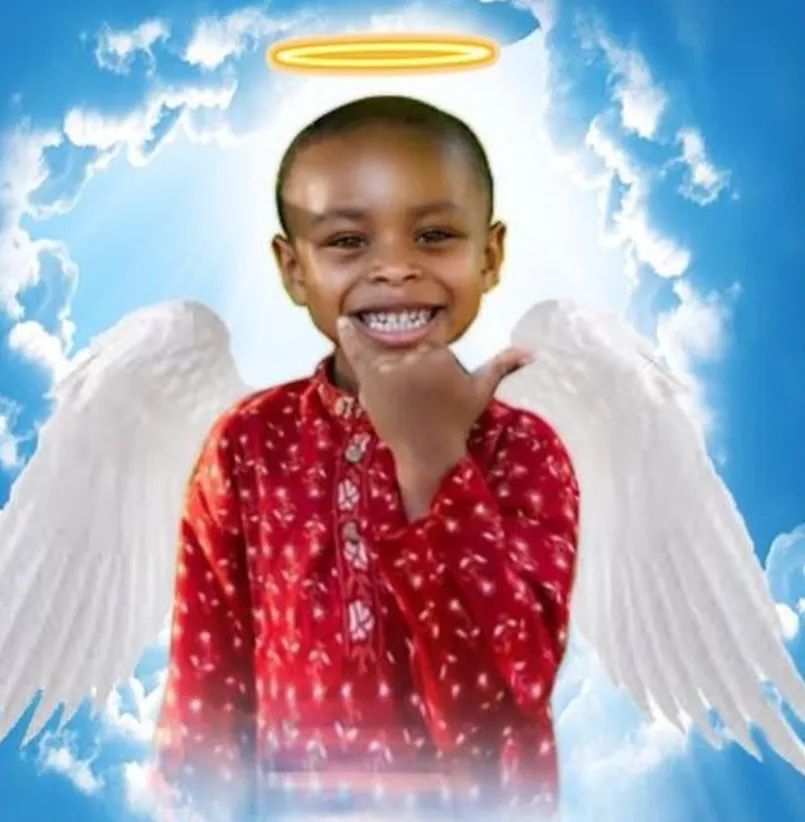
The Little Boy No One Saved
Dametrious was born into chaos. His mother struggled with drug addiction
, his father was in jail, and his early years were filled with instability, confusion, and fear.
At just eight years old, he was sent to live with his
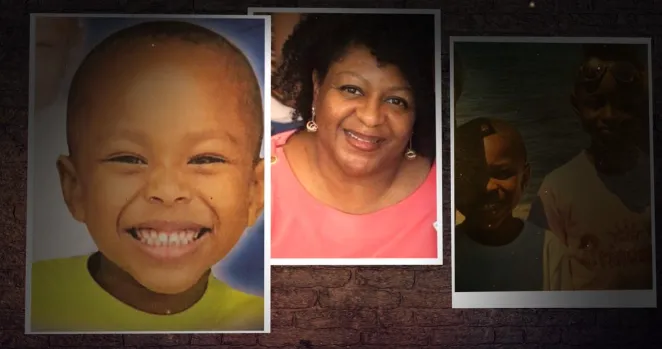
great-aunt, Susan Baffour, a woman who promised to care for him. Instead, her home became a place of silence and pain — a place where laughter went missing and bruises became the language of control.
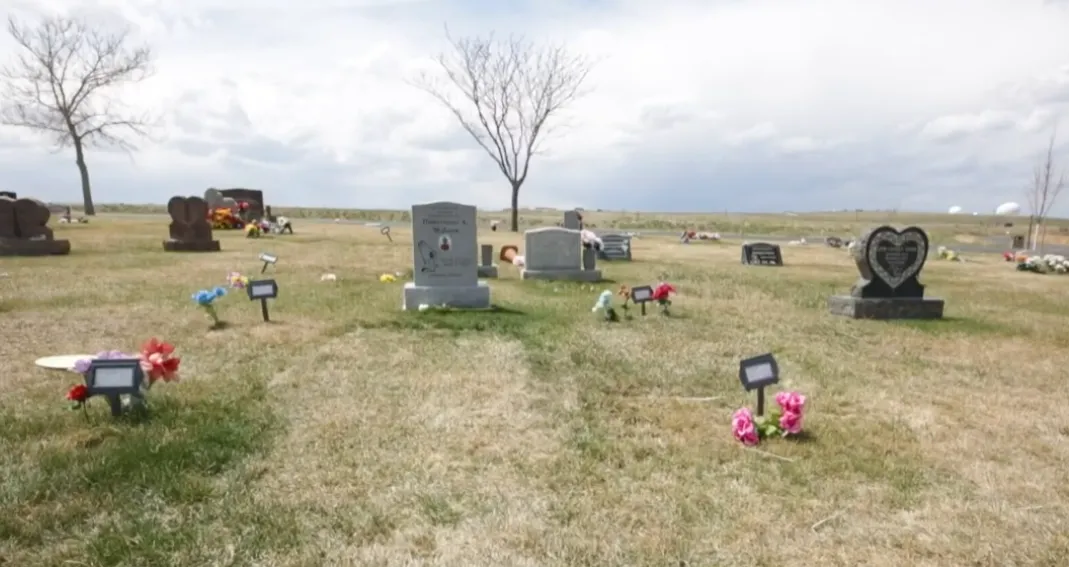
Neighbors rarely saw him outside.
His teacher noticed the changes first — the fatigue, the fear, the way he flinched when someone raised their hand too quickly.
She reached out, over and over again. She contacted
Child Protective Services (CPS), reported her concerns, tried to speak up for the boy who couldn’t speak for himself.
But every call, every warning, went unanswered.
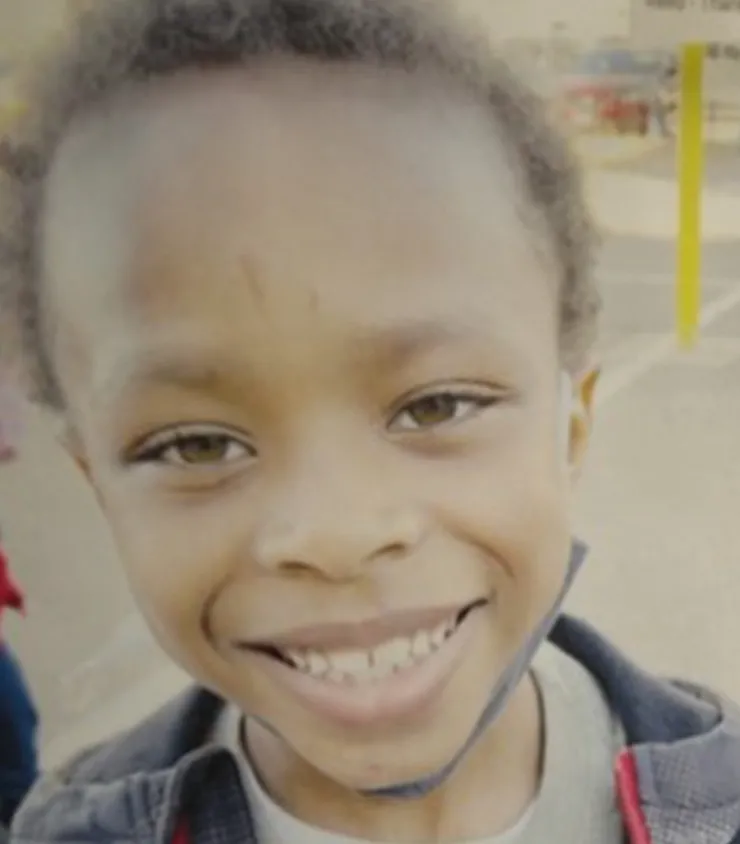
The Night Before Everything Broke
It was June 2nd — a Thursday night that should have been ordinary.
But inside that apartment, something terrible happened.
According to investigators, Susan Baffour told police that she had “spanked” Dametrious the night before he stopped breathing. The word
spank sounds almost gentle — but what they found the next morning told a story that was anything but.
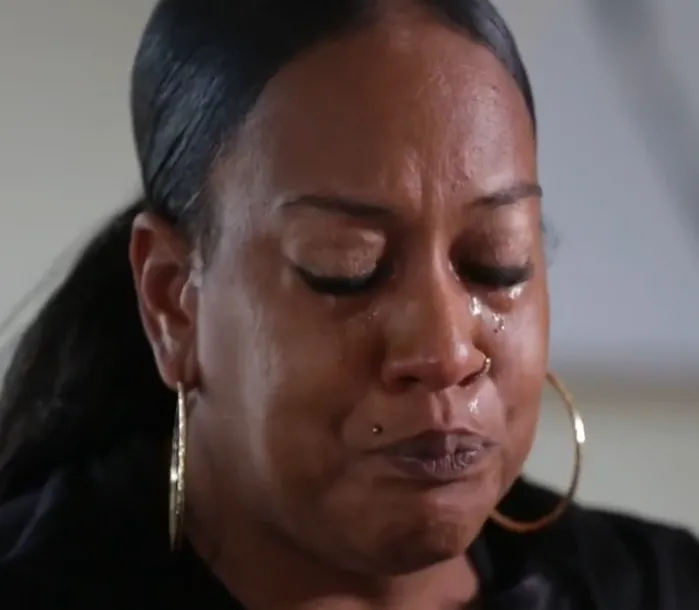
When she called 911 around 8:20 a.m., she said the boy wasn’t breathing. Paramedics arrived to find him cold, bruised, and lifeless. His small body told the truth that her words tried to hide.
Dametrious had been beaten to death.
He was eight years old.
The Teacher Who Tried
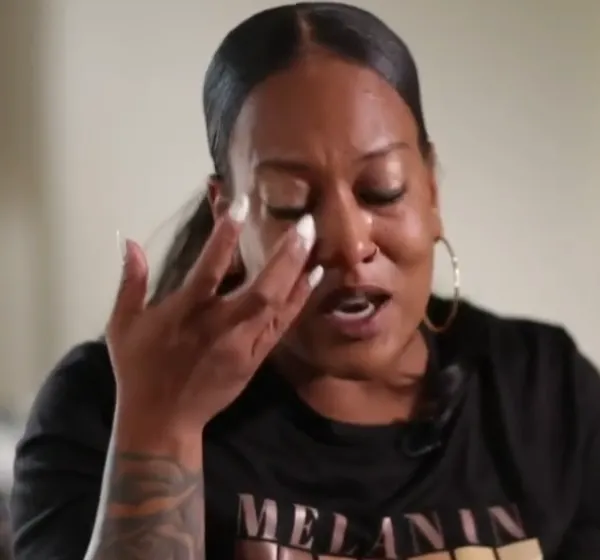
In the aftermath, his teacher spoke publicly — her voice trembling with a mixture of guilt and rage.
“I tried,” she said. “I called. I begged for someone to listen. I knew something was wrong.”
She wasn’t alone. Others in the system had seen signs. The bruises. The absences. The stories that didn’t add up.
But somehow, those signs never became action.
CPS failed to remove him from danger. The people who were supposed to protect him didn’t.
And so, the next time his name appeared on paper, it wasn’t on a school attendance list.
It was on a death report.
The Investigation
When police arrived that June morning, they immediately knew something was wrong.
The apartment was quiet — too quiet.
They found Dametrious lying still, the bruises already dark against his skin.
Baffour insisted it was an accident, that she only meant to discipline him. But the autopsy would later tell a story of violence that could not be explained away.
He had suffered
multiple blunt-force injuries consistent with prolonged abuse. His small body carried the evidence of days — maybe weeks — of pain.
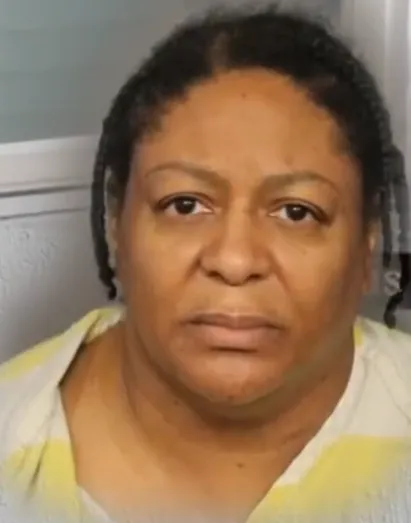
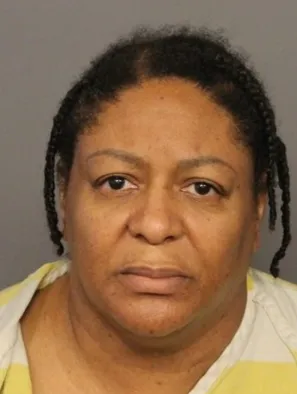
By the end of that week, Susan Baffour was arrested and charged with
first-degree murder and child abuse.
She will face trial.
But for Dametrious, justice is already too late.
A System That Keeps Failing
Every time a story like this surfaces, the same questions follow.
How many warnings were ignored?
How many chances were missed?
How many children have to die before someone listens the first time?
Dametrious’s death wasn’t an isolated tragedy — it was a mirror held up to a broken system.
His teacher had reported him.
His school had concerns.
Neighbors had heard things, seen things.
And yet, nothing changed.
The people who were supposed to protect him — from caseworkers to supervisors — all point fingers in the aftermath. But pointing fingers doesn’t bring a little boy back.
What it does reveal is something darker — that we’ve grown too used to reading these stories, shaking our heads, and moving on.
The Child Behind the Headline
To most people, Dametrious is just a name in a news story — another victim in a world that keeps failing its children.
But to his teacher, he was more than that.
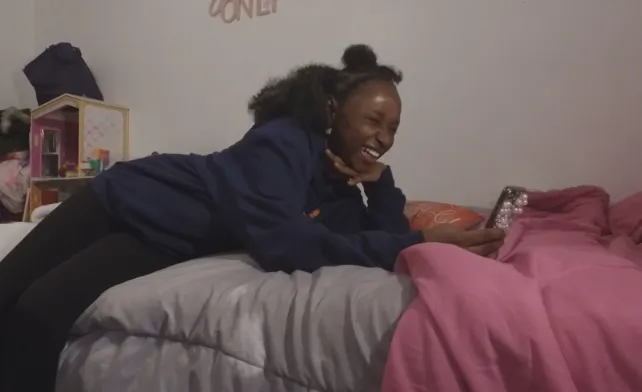
He was the boy who loved to color carefully within the lines.
The boy who always said “thank you” even when he had nothing.
The boy who looked out the window during recess and watched other kids play — too shy, too scared to join.
He was quiet, gentle, and kind. He didn’t cause trouble. He didn’t ask for much.
What he wanted most was simple:
Someone to make him feel safe.
The Courtroom and the Silence
In the months after his death, Susan Baffour appeared in court — a small woman in handcuffs, expression unreadable.
The prosecutor called the crime “a preventable tragedy.”
The defense said she “lost control.”
But somewhere, behind all the legal words and formal tones, was the echo of a little boy’s voice that no one heard when it mattered most.
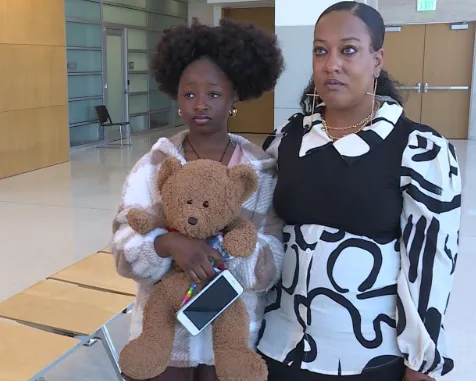
She’s due back in court for arraignment on December 9th, where the charges of first-degree murder and child abuse will formally stand.
If convicted, she will spend the rest of her life behind bars.
And yet, even if justice comes, it feels hollow.
Because justice is meaningless when it arrives too late.
What We Don’t Want to Admit
We like to believe that tragedies like this are rare.
That “someone” somewhere will step in.
That the system works.
But the truth is — Dametrious’s story is one of hundreds.
Each year, in every corner of the country, children die not because there were no signs, but because no one acted in time.
They die in homes that neighbors describe as “quiet.”
They die in the care of adults who were trusted to protect them.
They die while paperwork sits on desks and phone calls go unanswered.
And the world only seems to care once it’s too late to help.
The Teacher’s Final Words
When asked what she would say to Dametrious if she could see him one last time, his teacher didn’t hesitate.
“I’d tell him I’m sorry,” she said softly. “I’d tell him I tried. I’d tell him that he mattered.”
Her voice broke then.
“Because he did. He really did.”
A Name Worth Remembering
Dametrious Wilson.
Eight years old.
A life barely begun.
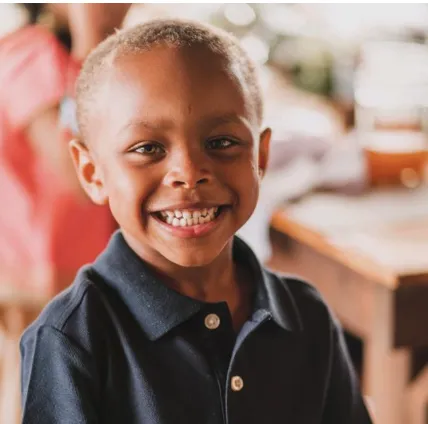
He had a smile that lit up his face and a heart that still believed the world could be kind.
He trusted the adults around him to keep him safe — and they didn’t.
His story should hurt to read. It should. Because pain is the only thing that forces change.
Maybe his death will remind the next teacher, the next caseworker, the next neighbor — not to stay silent.
Because silence is what killed him.
The Promise We Owe Him
There’s a line that stays with everyone who learns about Dametrious’s case — something his teacher said through tears:
“He asked for help in his own way. We just didn’t hear him.”
We owe it to him, and every child like him, to start listening now.
To notice.
To speak.
To act.
Because love isn’t passive.
And protection isn’t paperwork.
It’s showing up when a child needs you most.
The Boy Who Asked for Help
When you think of Dametrious Wilson, don’t think of his bruises.
Think of his courage — the quiet strength it took to keep hoping, even in a world that kept failing him.
He was only eight, but his story is one that could save others if we’re brave enough to face it.
He’s gone now — but maybe, through awareness, his voice can still be heard.
Because somewhere out there tonight, another child is whispering for help in a world too busy to listen.
And maybe this time, someone will.


