The Night Little Grace Stopped Coming Home — And the Light She Left Behind.2572

She was only six.
Six years old — an age of innocence, of giggles, of scraped knees and bedtime stories.
Grace Lynn Ross had a name that seemed to carry light within it, and for everyone who knew her, she truly was that light — gentle, pure, and full of wonder.
On that fateful evening, her laughter suddenly fell silent.
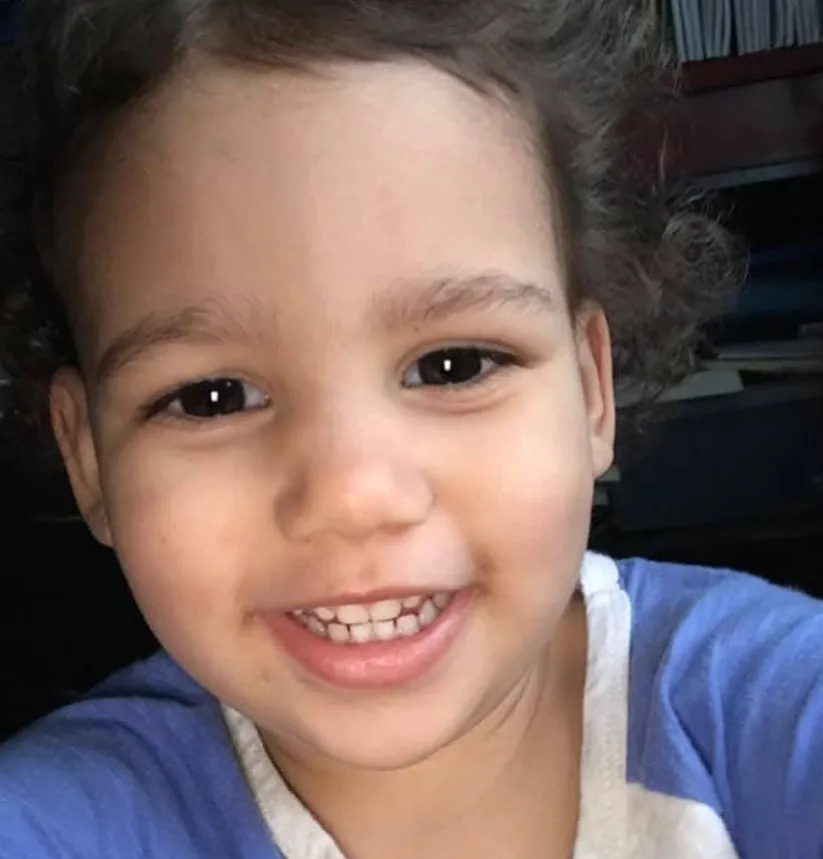
Her family reported her missing after she didn’t return home, their hearts tightening with every passing minute. It was around dinnertime when the search began — voices echoing through the streets, neighbors joining with flashlights, calling her name again and again into the cold air.
Two hours later, the nightmare began.
Grace was found in the woods. Still. Quiet. Gone.

The news spread like a storm through the small town of New Carlisle, Indiana. Parents held their children closer that night. Strangers cried without even knowing her. Because it wasn’t just a child who was lost — it was innocence itself.
The police worked through the night. And soon, the unthinkable truth began to surface: a 14-year-old boy had been arrested in connection with Grace’s death.
No one could comprehend it.
How could one child hurt another?
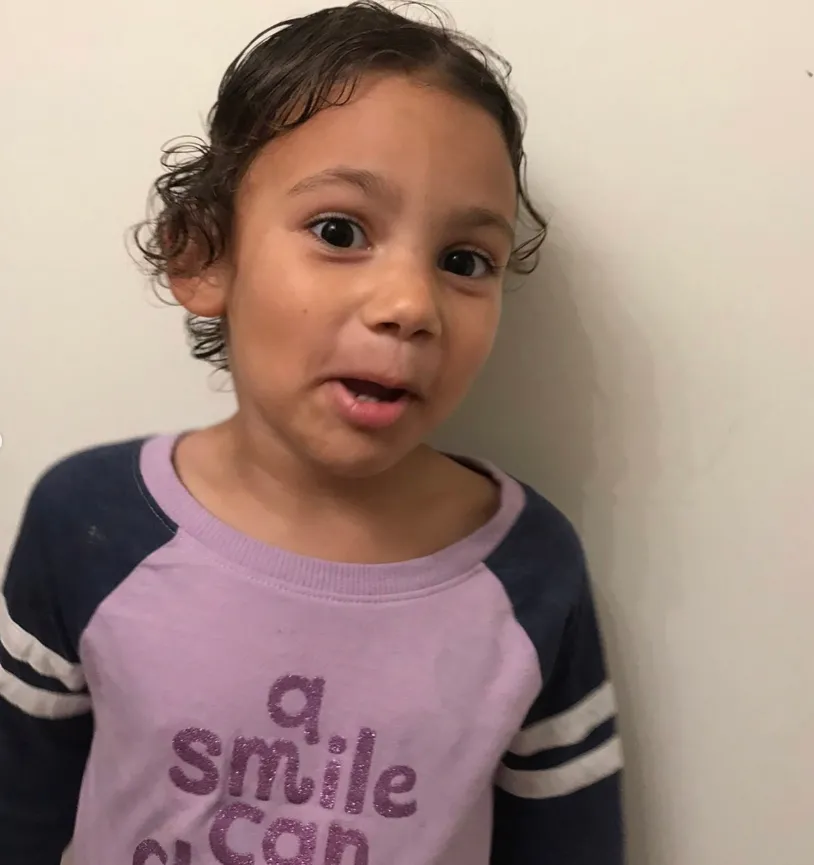
The autopsy revealed that Grace had died from asphyxiation. She had been taken, her life extinguished, and her small body left in the woods — a place where she once might have played hide-and-seek.
Her mother collapsed when she heard the news. Her grandmother, Kelli, clutched a photograph and a stuffed animal during the community vigil, tears trembling in her eyes.
“She always loved my rings,” she whispered to the crowd. “I told her that when her fingers got big enough, she could have them. But her hands never got past a baby’s hands.”
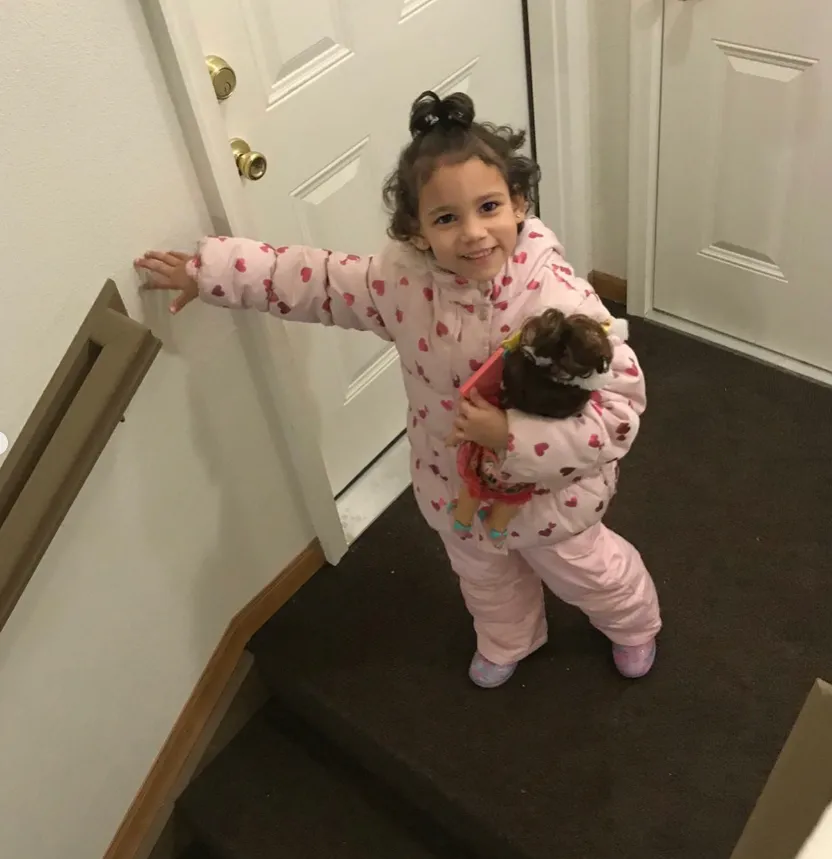
That single sentence broke the hearts of everyone who heard it.
The people of New Carlisle gathered that Sunday night — hundreds of them, holding candles, their faces glowing softly under the dark sky. The flickering flames danced like tiny stars, as if the heavens themselves were bending down to listen.
They prayed.
They hugged.
They wept.
They whispered Grace’s name as though keeping it alive could keep her spirit from fading.
Her grandmother thanked the crowd. “Just continue to pray for us,” she said. Her voice cracked, but her strength — the strength of a grieving grandmother — carried through.
Police officers stood silently in the background, their badges glinting under candlelight. They, too, were parents. They, too, were shattered.
In the days that followed, the investigation continued. The suspect appeared in juvenile court, his face pale, his eyes lowered. Because of his age, his name could not be released. He was ordered detained while prosecutors debated whether to charge him as an adult.
But for the Ross family, the process of justice could never fill the hole left in their hearts.
Grace was their sunshine.
The little girl who could turn a bad day into a good one, who made everyone laugh, who twirled around in dresses and loved to sing off-key.
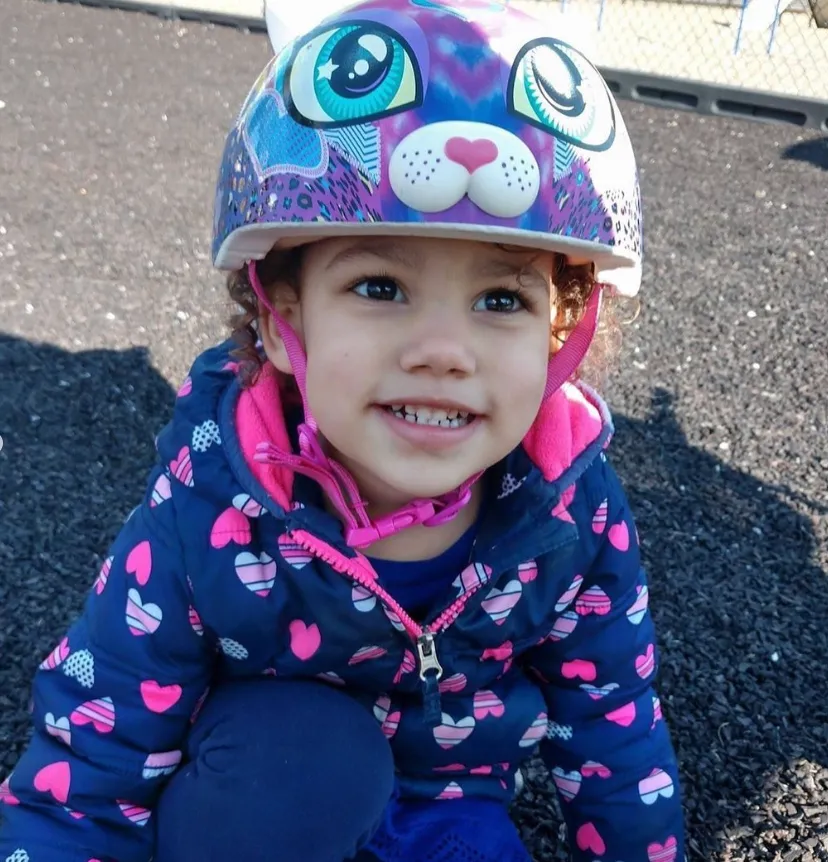
Her teachers remembered her as a joy to have in class — always kind, always eager to share her crayons with a friend who forgot theirs. Her classmates placed handmade drawings at the growing memorial by the woods — pictures of hearts, flowers, and angels with wings.
Someone left a note that read, “We love you, Grace. You are our sunshine.”
In that small Indiana town, silence hung heavier than ever before. The playground where Grace once played stood empty, the swings still. Parents couldn’t help but look at their own children differently — realizing how fragile, how precious every moment truly is.
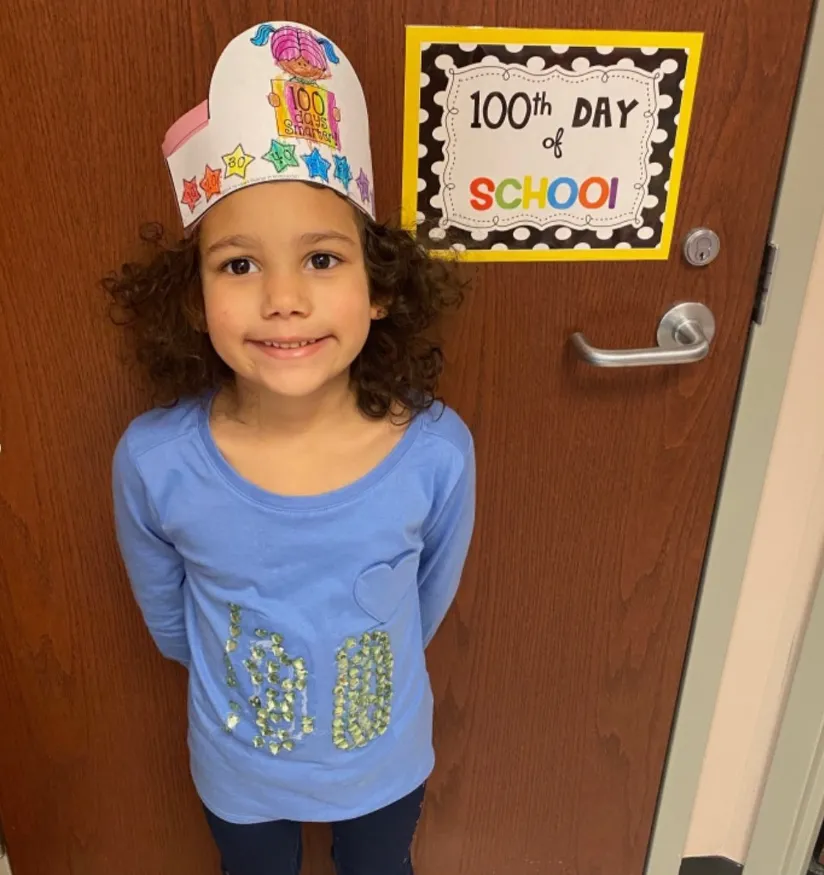
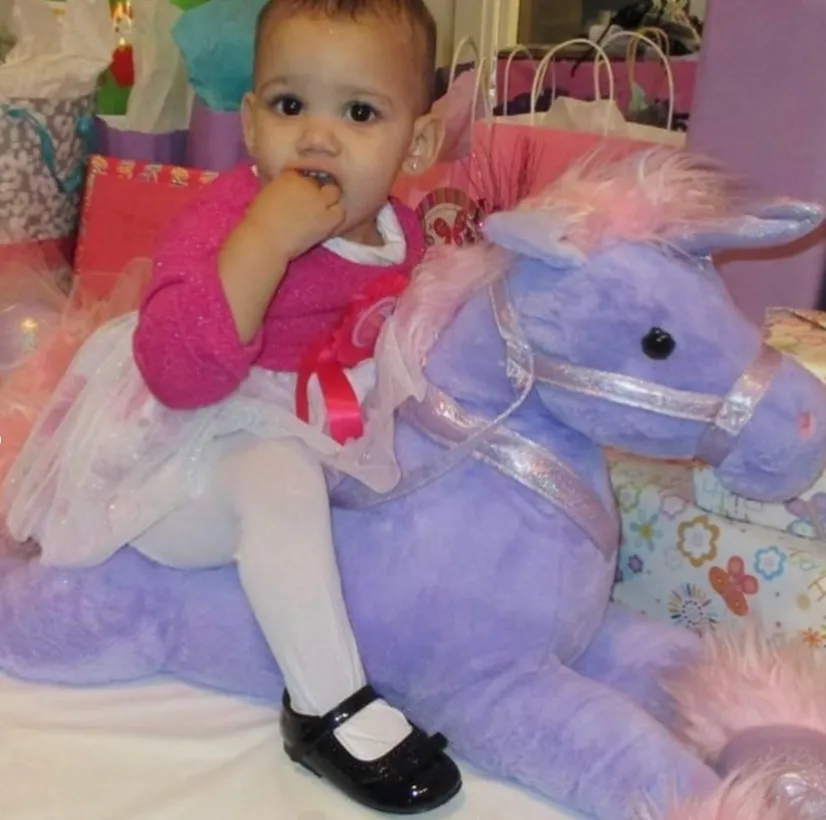
Grace’s funeral was held a week later. Tiny white flowers surrounded her small casket. Her favorite stuffed unicorn rested beside her, a symbol of everything pure and magical about her short life.
Her mother’s hands trembled as she laid a pink ribbon on top.
A pastor spoke softly: “Grace brought light wherever she went. Though her time here was brief, that light will never be extinguished. It lives on in every heart that loved her.”
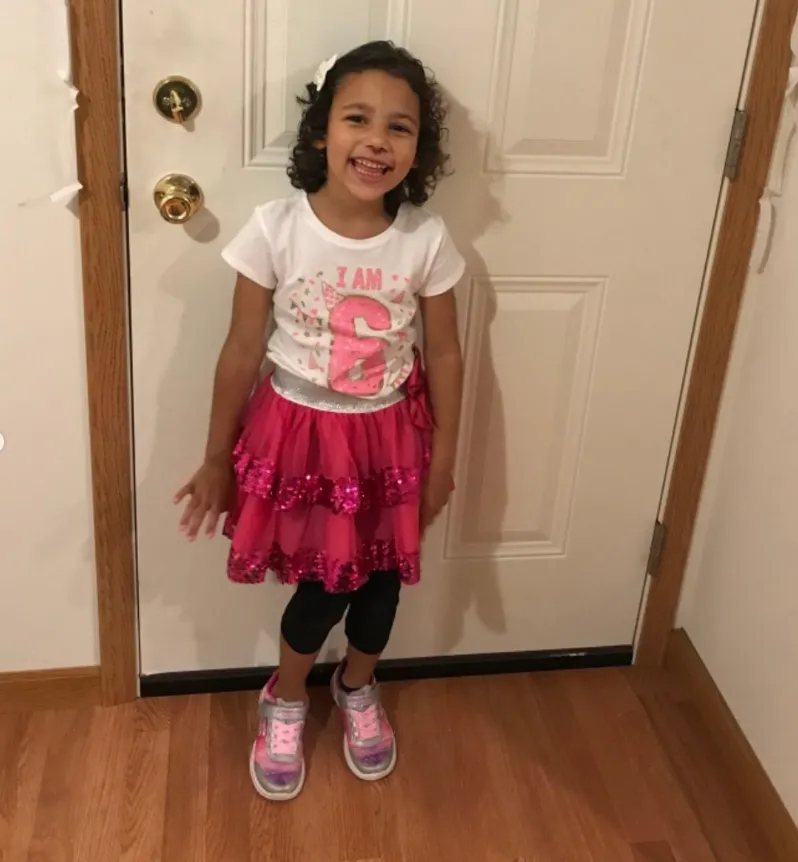
And in that moment, through tears and trembling prayers, a truth became clear — Grace’s story was not just about tragedy. It was also about love, community, and the unbroken bond between a family and their angel.
Neighbors who had never spoken before began leaving food and flowers at the Ross home. Children wrote cards with rainbows and suns. The town, once shaken, now held one another tighter — because of her.
Grace’s grandmother later said she sometimes felt her presence — in the rustling of the trees, in the gentle warmth of the sun through her window.
“She was the light in every room,” she said softly. “And now, she’s the brightest star in the sky.”
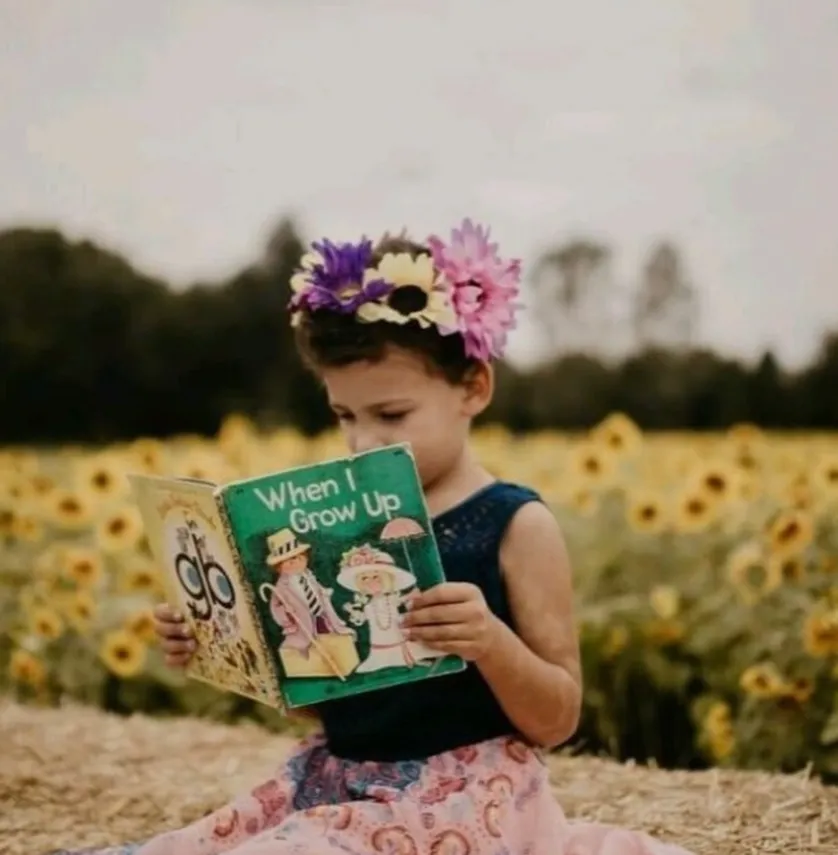
Every March, on the day she was taken, the community gathers in her memory. They release balloons — pink, white, and gold — and watch them rise into the clouds.
Each balloon carries a message: You are loved. You are missed. You will never be forgotten.
Because Grace Lynn Ross — even in her brief six years — taught everyone around her something that will last a lifetime: that love, no matter how small, leaves a mark no darkness can erase.
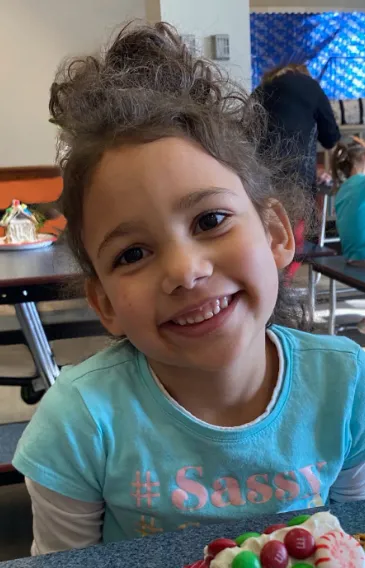
And somewhere, beyond this world, that little girl with the bright smile and baby-sized hands is running barefoot through fields of light — free, safe, and surrounded by angels.
✨ Rest peacefully, little Grace. You are home. ✨
The Dog Who Waited a Lifetime for Love.565

Every morning, he stood by the glass, paws resting gently, as if holding on to a memory of something he had almost forgotten: hope. Weeks became months, months stretched into years—no one knew exactly how long he had been waiting. Quietly, without a bark, without a plea. His life had become a routine of watching, waiting, and hoping against the weight of disappointment.
He had seen it all. Friends leaving, cage-mates disappearing, people walking past, muttering excuses: “Too old… too big… not the right time.” Each day, he endured, holding on to the smallest flicker of hope. Through gray mornings and bitter nights, meals eaten without attention, he never stopped believing. Never stopped loving. Never stopped hoping that one day, someone would see him—not the cage, not the scars, not the tired eyes—but the soul inside.

And then, today came. Something shifted. The footsteps approaching him slowed. The gaze softened. And for the first time in a long time, someone stopped. Really stopped. They didn’t walk past. They didn’t glance and turn away. They reached out. Gently, lovingly, they placed a collar around his neck, clipped on a leash—and this time, it wasn’t to move him to another cage, weigh him, or take him for a check-up. This time, it was to go. To leave. For good.
He followed, hesitant but curious, his tail a quiet question mark behind him. The car ride felt strange—new smells, new sounds—but the hand holding his leash never wavered. The voice spoke softly, not commands, but words he had longed for: “I love you.” He stepped into a new world, where pillows existed, meals came without fear, and hearts waited to hold him. His first night, he curled up, felt warmth under his chin, and for the first time, slept without flinching.
The smile he wore the next morning was awkward, hesitant, but radiant. It was the smile of freedom. The smile of someone who had waited, endured, and never stopped believing that love could find him. A smile born from patience, resilience, and a heart that refused to give up. A smile that said, without words: “I waited. I hoped. And now, I am home.”
Some dogs are rescued from streets, others from trauma, but few are rescued from time itself—the long, silent, invisible years of waiting. He is one of those few. And now, finally, his life begins.