Thomas Valva’s Last Moments: A Life Stolen by Abuse and a Broken System 3614c

The cold concrete floor of a Long Island garage became the final resting place for eight-year-old Thomas Valva on January 17, 2020. His death, caused by severe hypothermia, was a heart-wrenching reminder of the darkest side of child abuse. Thomas’s biological father, a former police officer, and his fiancée subjected the young boy to unimaginable torment. The garage, where Thomas was left to freeze overnight, had become a punishment cell for him, a place where he was confined without warmth or protection. Tragically, this horrific act occurred despite repeated warnings from his school to Child Protective Services (CPS) about the signs of abuse. Yet the system failed to act. In the end, Thomas was murdered by the people who should have cared for him most.

A Tragic Fate:
Thomas Valva’s life began with promise, but by the time he was eight years old, he was living in an environment filled with cruelty and neglect. His biological father, Michael Valva, a former NYPD officer, and his fiancée, Angela Pollina, were responsible for the abuse. What should have been a safe, loving environment for Thomas became one of torment and suffering.
Thomas’s final days were filled with fear. His body, small and fragile, endured hours of suffering after being left in the freezing garage as punishment for something as trivial as being late to school. With the temperature dropping to near-freezing levels that night, Thomas had no chance of survival. The next morning, he was found unconscious and covered in frost. His body was too cold, his life too fragile, to withstand the prolonged exposure to the elements.
The case was devastating not only because of the brutality Thomas faced but also because the warning signs of abuse had been raised time and time again. The school had contacted CPS multiple times, alerting them to the disturbing signs of neglect and violence. However, the system that was supposed to protect Thomas failed him in the most catastrophic way.

CPS’s Failure:
The tragedy of Thomas Valva’s death is compounded by the tragic fact that Child Protective Services had received repeated warnings about the conditions in which he was living. His school, which had witnessed the bruises, the signs of neglect, and the abnormal behavior, reached out to CPS with concerns about the boy’s safety. However, despite these warnings, the system failed to intervene.
In the months leading up to Thomas’s death, there had been multiple reports from teachers and school staff expressing concern about Thomas’s well-being. He arrived at school often with bruises, appearing malnourished and withdrawn. Teachers, realizing something was wrong, called attention to the obvious signs of abuse. However, CPS did not take immediate action. The failure to act, coupled with the lack of accountability in the case, exposed a systemic flaw that led to a young child’s death.
CPS workers are meant to protect children from abuse, but in Thomas’s case, their inaction ultimately failed him. Their failure to respond to the mounting red flags allowed the abuse to continue unchecked, ultimately culminating in Thomas’s tragic death.

The Murder Trial:
After Thomas’s death, his father, Michael Valva, and his fiancée, Angela Pollina, were arrested and charged with murder and other related offenses. The trial that followed exposed the horrifying details of the abuse Thomas endured. The prosecution painted a grim picture of a child subjected to neglect and cruelty on a daily basis.
Michael Valva, despite his former position as a police officer, used his authority to manipulate the system and avoid detection. He was described as emotionally cold, detached from his son’s suffering. Angela Pollina, who was living with Michael and Thomas at the time, also played a significant role in the abuse. Both were accused of denying Thomas basic needs, such as food, warmth, and emotional support.

The trial revealed how Thomas was systematically punished for trivial reasons—punishments that included being locked outside in freezing temperatures or made to sleep on the cold garage floor. The physical abuse was matched only by the emotional torment he endured from his father and Pollina. The details of the case shocked the jury and left the community grappling with how such a tragedy could occur in a society that is supposed to protect children.
Both Michael Valva and Angela Pollina were convicted of murder. Michael Valva, who had once sworn an oath to protect and serve, was now facing life in prison for the death of his son. Angela Pollina, who had allowed the abuse to continue, was also held accountable for her role in the crime. Their conviction was a small piece of justice, but it could never undo the harm they caused.
The $9 Million Settlement:
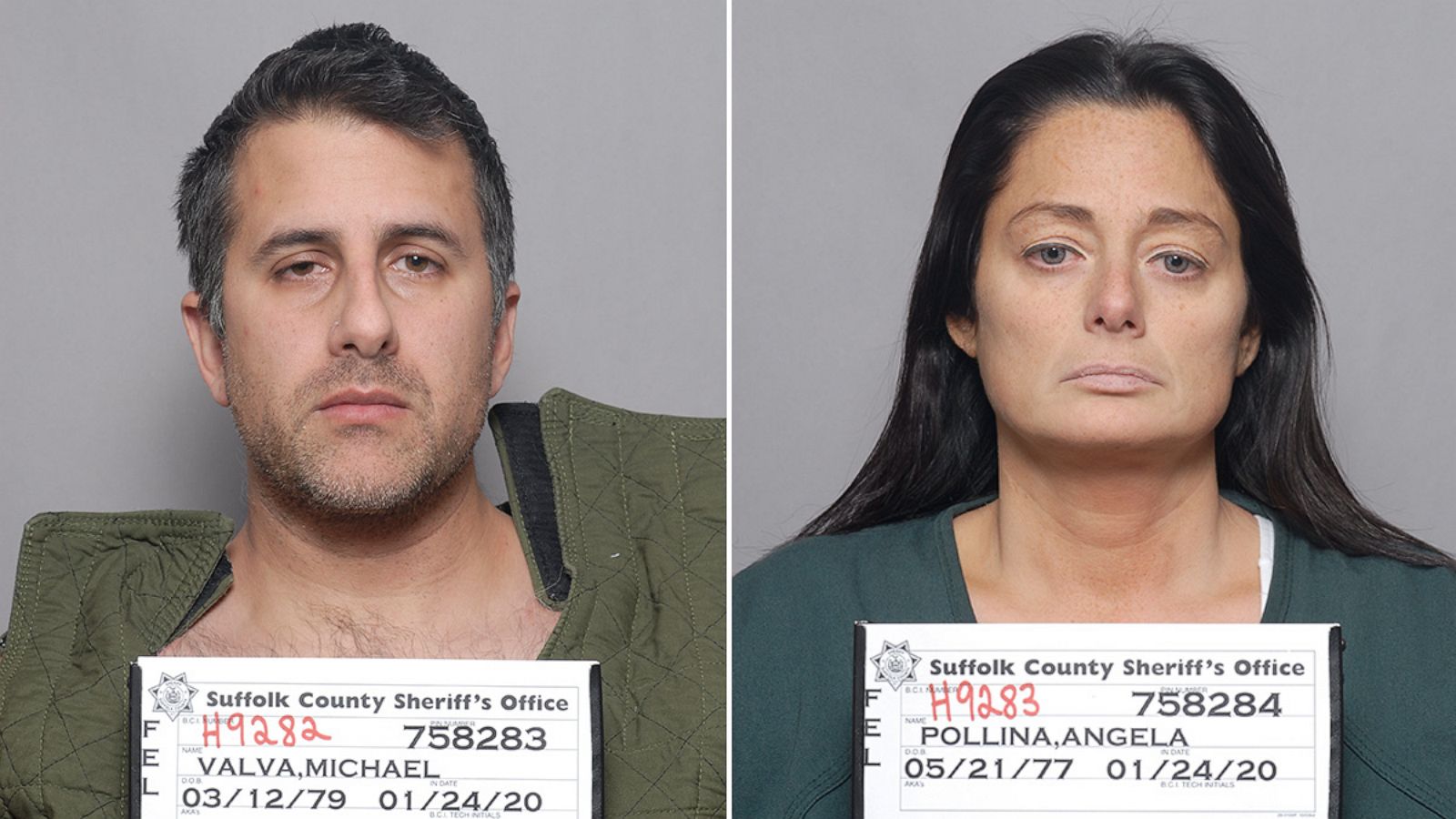
As the trial concluded, Thomas’s mother, who had been fighting for her son’s safety during his time with Michael, was left to cope with the unimaginable loss. Thomas’s death was not only a personal tragedy but also a failure of the system meant to protect children like him. In recognition of the catastrophic failure of CPS and the injustice that allowed Thomas to suffer, the state approved a $9 million settlement for Thomas’s mother.
This settlement, while financially substantial, does little to ease the pain of a mother who lost her child under the most horrific of circumstances. It was a token of acknowledgment that the system had failed and that there needed to be accountability for the broken system that led to Thomas’s death. The settlement was a step in recognizing the neglect of a child’s rights, but it can never bring back the life that was lost.
Legislative Changes and the Fight for Reform:

The tragic death of Thomas Valva has sparked calls for change, especially regarding child protection and domestic violence laws. Advocates are pushing for stronger legislation to prevent cases like Thomas’s from happening in the future. One of the key areas of reform is improving the communication and response times within CPS, ensuring that complaints and concerns about child abuse are handled more effectively.
Thomas’s death has also shined a light on the broader issue of neglect in the system. There is a growing movement to hold authorities accountable when they fail to act on abuse reports, and the goal is to implement stricter guidelines for child protection agencies.
One major proposed change is the introduction of better training and oversight for CPS workers, so that they are more effective in responding to allegations of abuse. Lawmakers are also discussing increasing funding for child protective services to ensure that cases are handled properly and that children at risk are properly safeguarded.
Advocates are calling for laws to make it easier for schools and other agencies to report suspected abuse, ensuring that these reports are investigated thoroughly. The aim is to prevent another child from suffering the way Thomas did, and to ensure that the voices of those who see the warning signs are heard.
A Lasting Impact:
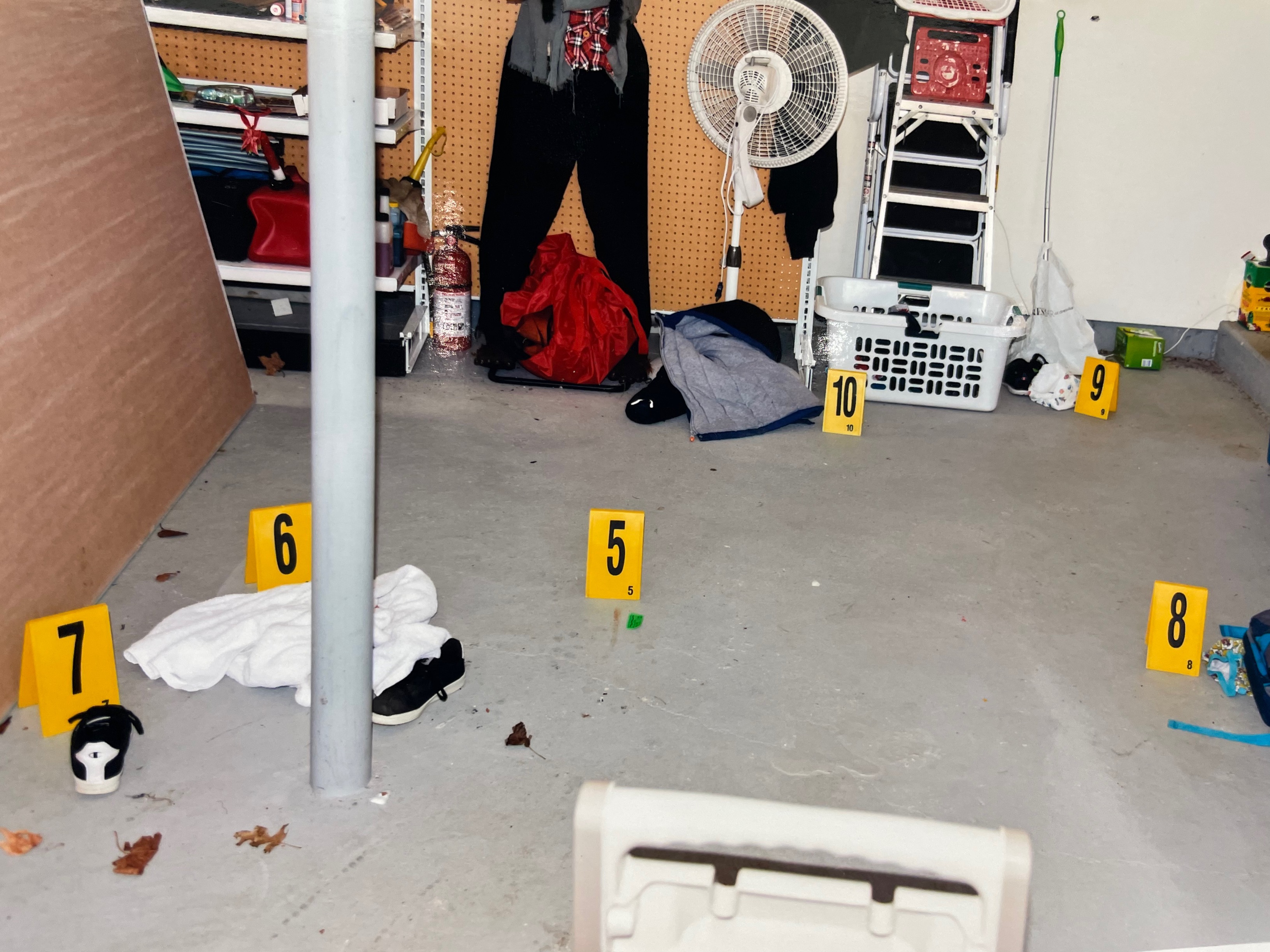
Thomas Valva’s death has left an indelible mark on his family, his community, and the child protection system. His tragic death was a stark reminder that children are vulnerable, and that the systems in place to protect them can fail when they are not held accountable. His mother, who fought to protect him during his life, is now left to pick up the pieces of a life that was stolen far too soon.
Thomas’s story has also sparked a larger conversation about the importance of child safety and the need for systemic changes to prevent similar tragedies. Though the settlement and convictions may offer some measure of justice, the fight for reform continues.
Conclusion:
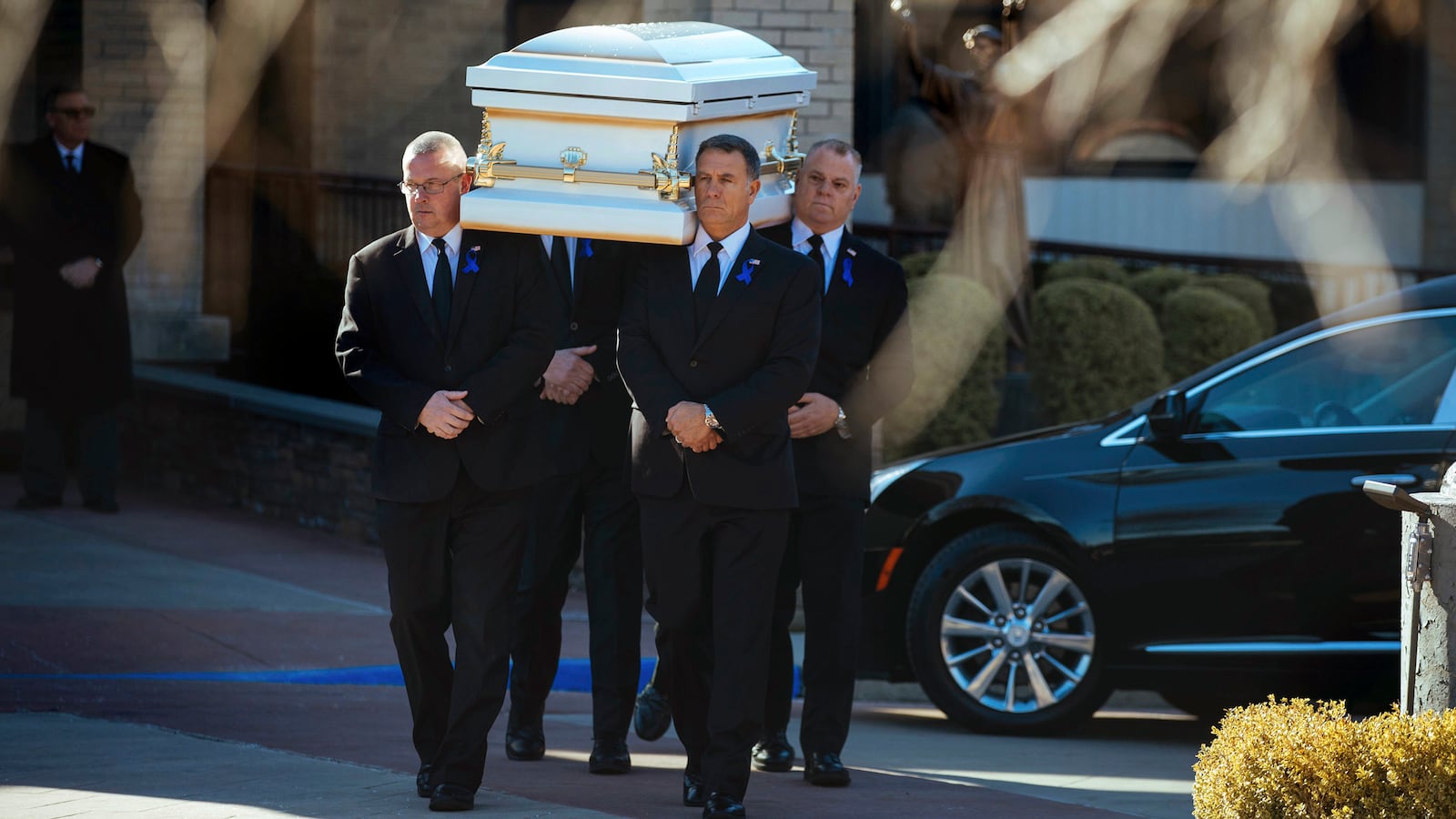
The murder of Thomas Valva is a tragedy that could have been prevented if the warning signs had been heeded. His death serves as a painful reminder of the shortcomings in child protection systems and the need for greater accountability. The fight for justice continues as advocates push for reforms to prevent future tragedies, and the legacy of Thomas Valva will continue to inspire efforts to protect children from harm.
The Little Girl Who Danced Through the Darkness: The Story of Flo’s Unbreakable Light 2412c
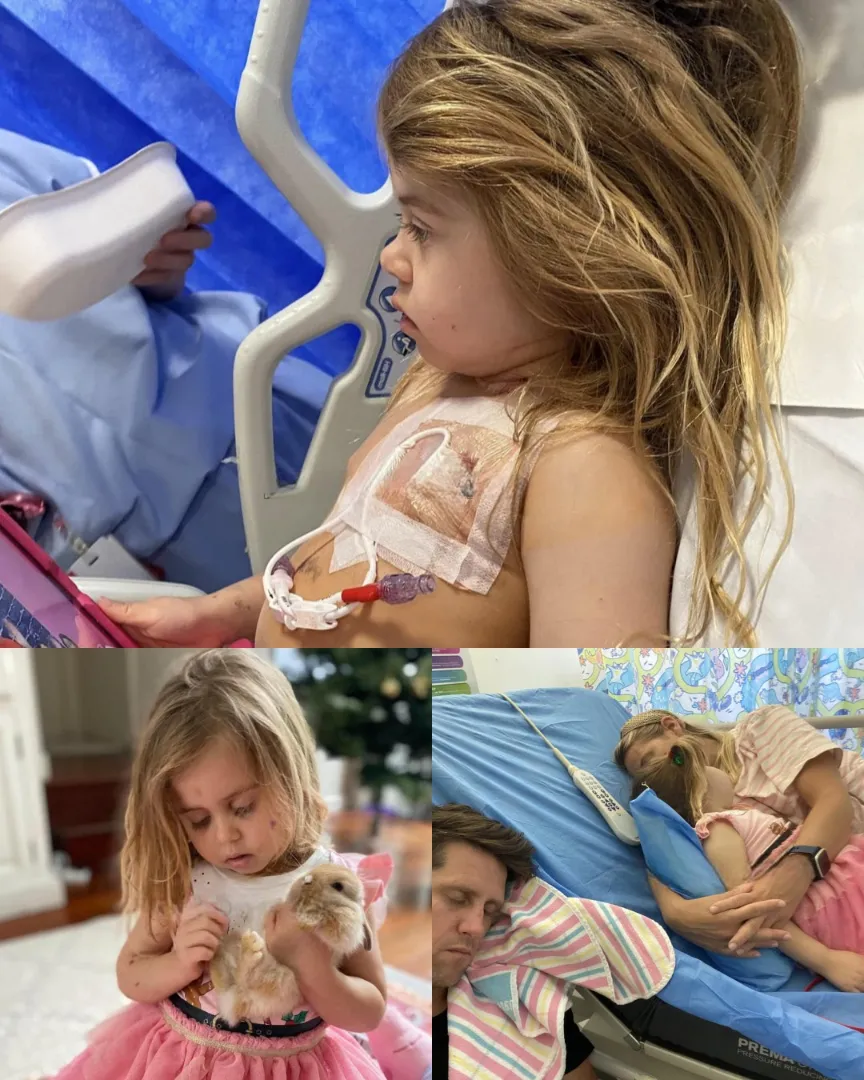
She was only four — bold, bright, and full of magic. To meet Flo was to meet sunlight in human form. Her laughter had a way of wrapping itself around hearts, filling every room with warmth. She was fearless, wild in the best way, with eyes that seemed to know joy more deeply than most adults ever could.
Her world was one of color — pink tutus and glittery paintbrushes, butterfly hair clips, and songs sung too loudly in the living room. She loved to dance until she fell over laughing, to paint with her fingers, to sing her made-up songs about rainbows and bunnies. To her parents, she was everything good in the world — a miracle, a spark, a heartbeat that made life whole.
Then came the moment that changed everything.
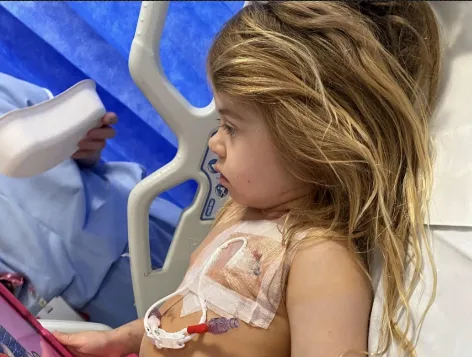
It began with small signs. A stumble here, a word slurred there. Her parents thought it might be tiredness or a passing virus. But when Flo began tilting her head strangely and her balance worsened, worry turned to fear. One appointment led to another — until one cold afternoon, the doctors called them into a quiet room.
The word that followed shattered their world: DIPG — Diffuse Intrinsic Pontine Glioma.
A rare and aggressive brain tumor. Inoperable. Terminal.
Her parents sat frozen. The doctor’s voice was soft, but his words were unbearable. There was no cure. No surgery. No way out. Only treatments to buy time — months, maybe a year, but not a lifetime.
Her mother remembers the room spinning. Her father couldn’t breathe. Their little girl — their four-year-old with pigtails and glitter on her cheeks — was dying.
And yet, in the middle of their devastation, Flo looked up from her bunny and smiled. “It’s okay, Mommy. I’m brave.”
Those words became her family’s anthem.
From that day on, courage was not a concept — it was Flo herself. She faced every treatment with the quiet determination of a warrior. Chemotherapy, radiation, endless hospital stays — she endured them all with her bunny tucked under her arm and her favorite pink socks on her feet.
The nurses adored her. She gave them stickers and painted their nails whenever she could. Her laughter could be heard echoing down the corridors, a sound that defied despair. Her doctors said she had a rare gift — not just the will to survive, but the grace to live fully in the middle of pain.
Her parents made every day count. They took her on short trips to the park when she was strong enough. They built pillow forts, baked cookies, and danced in the kitchen. Her father once said, “We knew we couldn’t give her a long life, but we could give her a full one.”
For a while, it worked.
After months of treatment, her scans showed signs of improvement. The tumor had shrunk. Her parents dared to dream again. Flo began to dance once more, her small feet spinning across the living room floor. She painted rainbows, made paper crowns, and sang lullabies to her stuffed animals.
It was as if she was reclaiming her childhood — one laugh, one song, one paint stroke at a time.
But DIPG is merciless.
Months later, the signs returned. Her speech became slower. Her right hand stopped working. Soon, walking became impossible. The tumor had grown back, stronger than before. Her parents knew what that meant.
Still, Flo never stopped smiling.

Even when her voice faded, she found ways to communicate — squeezing her mother’s hand twice for “I love you.” When she could no longer hold a paintbrush, she asked her father to dip her fingers in paint so she could leave her mark on paper — her tiny prints forming hearts and stars.
Her family refused to let fear have the final word. They filled her world with joy — movie nights in bed, birthday balloons just because, music that made her eyes sparkle. They read her favorite storybooks and whispered, “You’re so brave, baby girl,” into her ear each night.
There were moments of unbearable pain — seizures, exhaustion, endless medication. But there were also moments of pure grace — her soft giggles when the family dog licked her hand, her quiet sigh of happiness when her mother brushed her hair, the way her eyes still lit up at the sound of music.
Flo’s world grew smaller, but her spirit grew brighter.
In those final weeks, her room became a sanctuary — walls covered with her artwork, fairy lights twinkling softly, the smell of lavender filling the air. Her bunny lay beside her, worn from love. Friends and family sent cards, prayers, and messages from all over the world. Thousands followed her journey, inspired by this tiny girl who refused to let cancer steal her joy.
Her mother once wrote, “She teaches us every day that love is stronger than fear. That you can be dying and still be fully alive.”
On a quiet morning, with sunlight streaming through the curtains, Flo took her final breath. Her parents held her hands, whispering their love as she slipped away — not into darkness, but into peace.
She was only four years old.
Yet in those four short years, she managed to change everyone who knew her — and thousands who never met her.
After her passing, her parents created a foundation in her name, dedicated to funding DIPG research and supporting families facing the same nightmare. They share her story to bring awareness, to fight for the cure she never had, and to remind the world of her light.
They often speak of her in the present tense, because to them, she’s still here — in the laughter of other children, in every sunrise that glows pink and gold, in the art she left behind.
Her drawings now hang in children’s hospitals across the country, each one carrying a message in her handwriting: “Be brave.”
And perhaps that’s her greatest legacy.
Flo’s story is not one of tragedy, but of extraordinary courage. She taught the world that strength isn’t about how long we live — it’s about how fiercely we love while we’re here. She reminded us that light can exist even in the darkest rooms, and that joy, once created, never truly fades.
Some people spend a lifetime trying to leave a mark on the world. Flo did it in just four years.
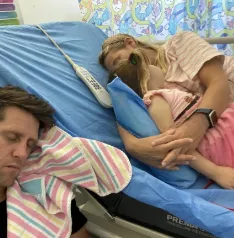
Her laughter, her art, her bravery — they continue to ripple outward, touching hearts she never met. Her name has become a symbol of hope for families fighting the same battle, a reminder that even when everything seems lost, love endures.
Because little Flo, the girl who danced through darkness, proved something extraordinary — that even when her body grew weak, her light never dimmed.
It still shines — bright, defiant, and eternal.